 Qiang Huang
I once had a traveler ask me, “Is 20 minutes enough for this garden?” I actually laughed out loud — then felt bad. Let me save you the same mistake. Most people need 1 to 1.5 hours to truly appreciate Master of the Nets Garden. But here’s the catch: if you’re just snapping a selfie at the moon-viewing pavilion and running out, 45 minutes will do. But you’d be cheating yourself out of one of Suzhou’s most intimate UNESCO treasures.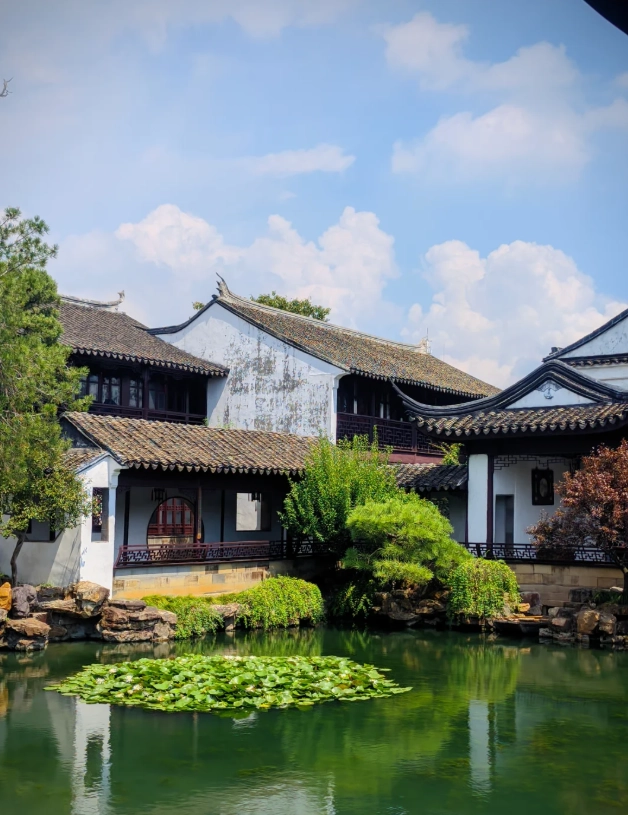
Master of the Nets Garden: Quick Facts
Before we dive into timing, let me give you the essentials I always tell my groups. This garden is compact (about 0.5 hectares) but packed with layered scenes. Here’s the core info you need:
| Item | Details |
|---|---|
| Ticket Price (Adult) | CNY 30 (approx. USD 4.2). Students/seniors half price. No cash accepted at ticket counter — use Alipay or WeChat Pay linked to an international card. |
| Opening Hours | 7:30 – 17:00 (last entry 16:30). Year-round, but check for maintenance closures (usually announced on Trip.com). |
| Best Time to Visit | Early morning (8:00 – 9:00) or late afternoon (15:30 – 16:30). Avoid 10:00 – 14:00 when tour groups flood in. |
| Foreigner Booking | Buy tickets on Trip.com or Klook using your passport number. Walk-up purchase is possible but requires scanning a Chinese ID for the mini-program — frustrating for most foreigners. |
| Payment Methods | Alipay, WeChat Pay (accept international cards inside the app). Credit cards rarely accepted. Bring cash for nearby street food but not for the ticket. |
Ideal Visit Duration by Traveler Type
Your ideal time depends on what you want. I’ve broken it down based on the hundreds of travelers I’ve guided through these halls.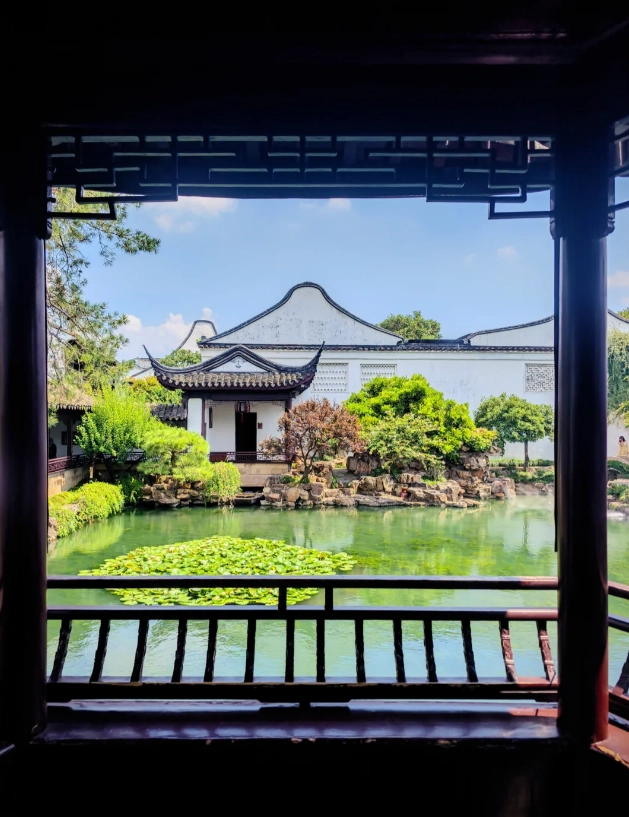
The Quick Look — 30–45 Minutes
Who this suits: Travelers on a super tight schedule (e.g., a half-day Suzhou stopover) or those who just want to check off the “classical garden” box.
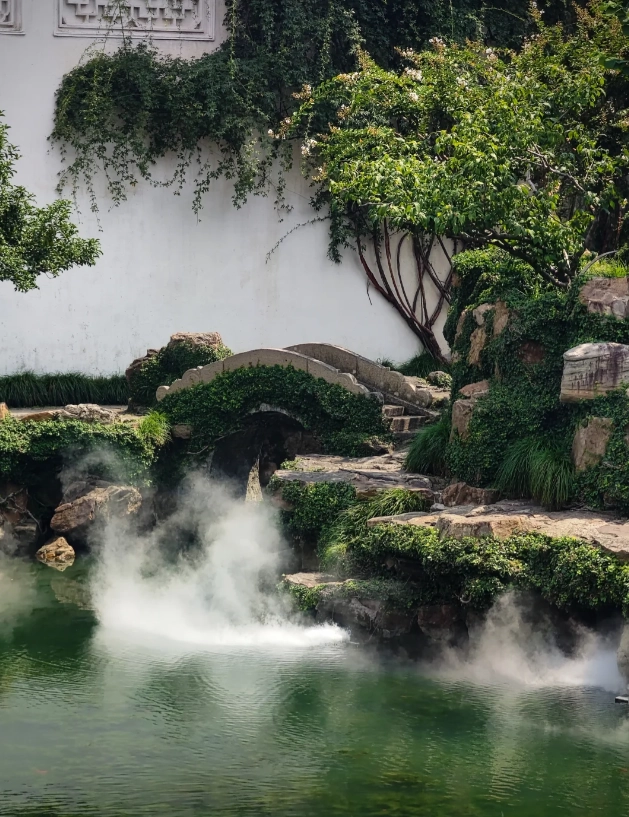
Walk straight from the entrance along the main corridor to Dianchun Yi — the garden’s iconic pavilion with a lotus pond. Then loop past the Moon Comes with Breeze Pavilion (you’ll see the reflection of the moon gate in the water) and exit through the small rockery. Skip the side halls and the residential section. I’ve done this route many times when guests are rushing to catch the train to Shanghai. It works, but you’ll miss the garden’s quiet corners.
The Enthusiast — 1–1.5 Hours
Who this suits: Most independent travelers. You want to see highlights and also pause to appreciate the intricate carvings and framed views.
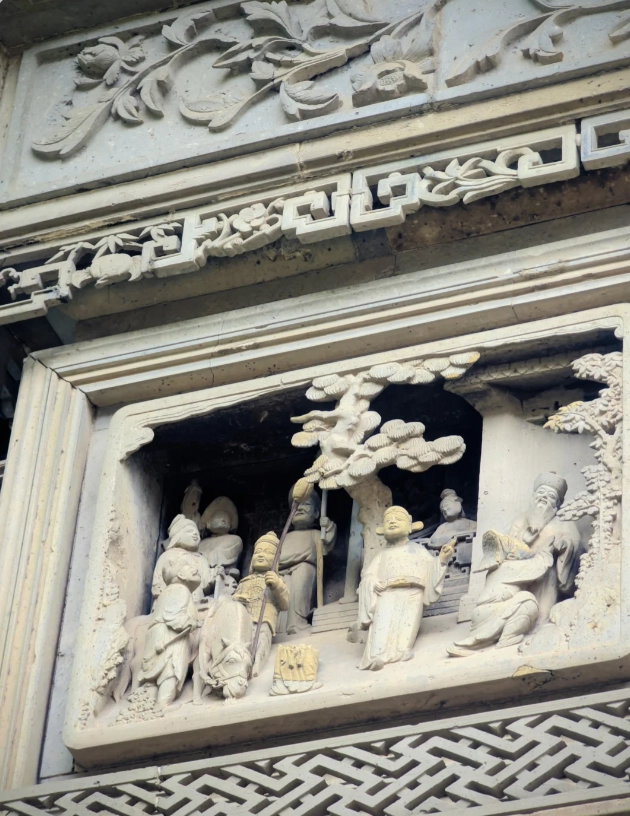
Follow the clockwise path: entering through the main gate, explore the front courtyard, then the central pond area. Spend time in Kanhuai Tang — the main hall — where the rosewood furniture and calligraphy scrolls are original. Walk the covered corridor that encircles the pond; from every window opening, there’s a designed glimpse. Sit on the Imperial Guard of the River miniature bridge for a photo. This pace lets you read some of the English descriptions (they’re placed at key spots) and ask me questions if I’m with you.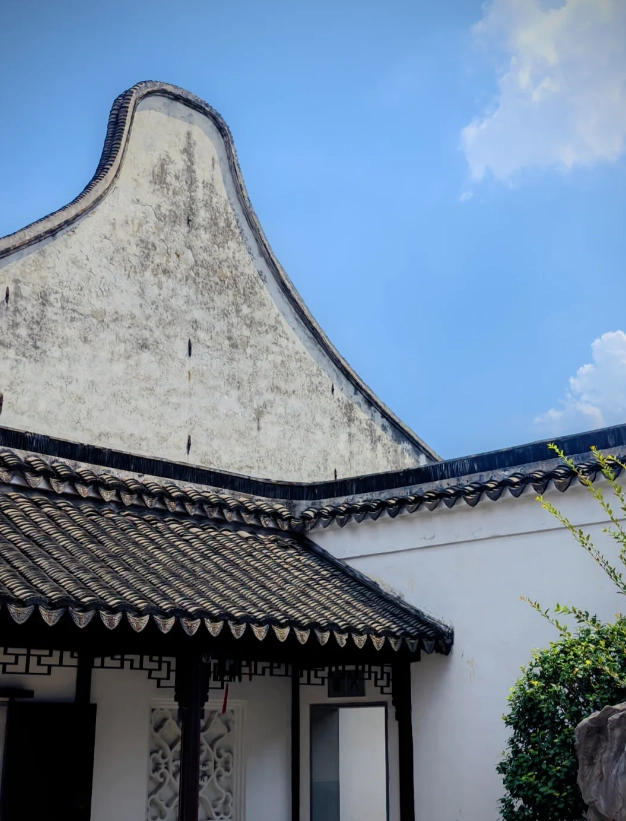
The Photographer — 2–2.5 Hours
Who this suits: Photography buffs or anyone obsessed with Chinese garden aesthetics.
Arrive at 8 AM to get the soft morning light on the whitewashed walls. Start at the rear garden (most tourists miss it) to capture the layered rooflines. Then move to the pond area and wait for the sun to hit the water lilies. The Moon Comes with Breeze Pavilion is best shot between 9:30–10:30 for the reflection. Bring a tripod (tripods are allowed but no drones). I usually bring my Fuji X-T5 and spend 20 minutes just on the lattice windows — the shadows are gorgeous. Pro tip: the small bamboo grove behind the main hall is a hidden spot for silhouette shots.
How to Avoid Crowds and Save Time
Here’s the thing nobody tells you: the east gate (main entrance) is a bottleneck. Tour buses drop groups right outside, and the queue at the ticket counter can take 15–20 minutes during mid-morning. Instead, have your digital ticket ready on your phone (screenshot the QR code) and go straight to the turnstile. If you’re arriving by taxi, tell your driver to stop at the west gate (on Kuo Jia Tou Xiang alley) — it’s a small unmarked door, but it lets you enter the garden from the residential side first, which is almost always empty. I’ve saved my guests at least 30 minutes of queuing this way.
Peak hours are 10:30–14:00. Avoid weekends and Chinese public holidays if you can. The garden feels claustrophobic when crowded because the pathways are narrow. Rainy days are a blessing: fewer visitors, and the garden looks moody and beautiful. Just bring an umbrella.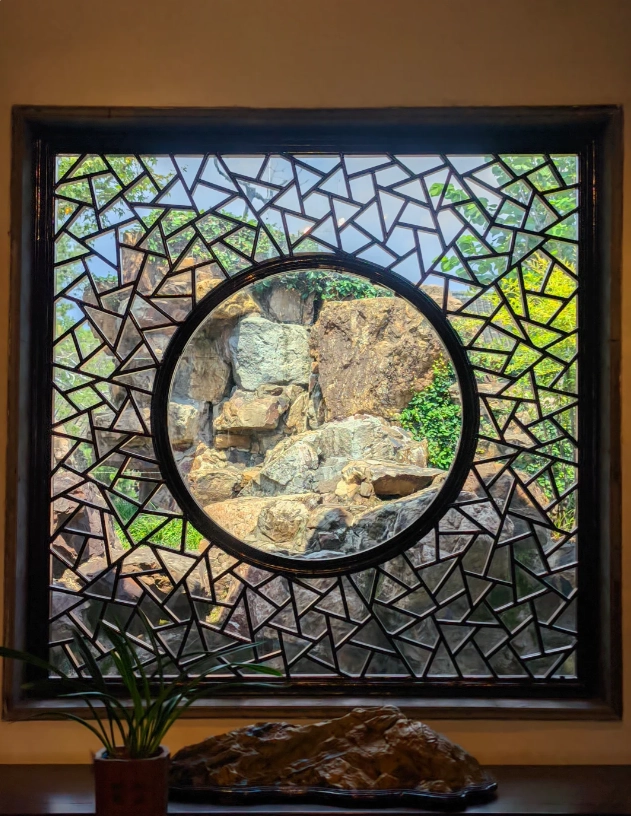
What to See and Do Inside (Maximizing Your Time)
To make the most of your minutes, here’s what I tell every first-timer: don’t rush through the rooms. This garden was designed for strolling with purpose. Each turn reveals a framed view — a technique called “borrowed scenery.” Stop at each window opening and notice how it frames a specific scene: a bamboo stem, a rock, a piece of sky.
The Library Study is usually deserted. There’s a small inkstone and brush on the desk — you can pretend you’re a Qing dynasty scholar. The Lute Room has a display of ancient instruments. If you have only 15 minutes inside, head straight for the pond pavilion and the miniature bridge.
Getting There: Address and Transport
Master of the Nets Garden is located at 11 Kuo Jia Tou Xiang, Gusu District, Suzhou (苏州市姑苏区阔家头巷11号).
- By Metro: Take Line 1 or Line 4 to Leqiao Station, Exit 6. Walk east along Renmin Road for about 800 meters (10 minutes). Turn into Fenghuang Street and then into the small alley. Use Apple Maps (it works okay in Suzhou) or Amap (English version: “Gaode Maps”). Google Maps is unreliable in China.
- By Taxi/Didi: Show the driver the Chinese address above. The ride from Suzhou Railway Station costs about CNY 15–20 (10 minutes). If the driver tries to take you to the east gate, ask him to go to the west gate (西门) on the alley.
- By Bus: Routes 2, 4, 40, 60, 89 get off at Leqiao Stop. Then walk east.
Practical Tips for International Travelers
I’ve seen too many foreigners get stuck because they didn’t prepare. Here’s what you absolutely need:
- VPN: Install one before arriving. You’ll need it to access Google, Instagram, or even Trip.com if the site is blocked.
- Translation App: Apple Translate or Baidu Translate. The on-site English signs are decent but not every description is translated.
- Payment: Top up your Alipay or WeChat Pay with a foreign card before you go. The ticket scanner won’t accept cash. If you’re stuck, ask a local to help you pay and reimburse them cash — most will help.
- Bathroom: Use the restroom at the entrance before you go in. The ones inside are squat-style and not always clean. The entrance bathroom has sit-down toilets (Western style) but only two stalls — expect a line.






Honestly, I felt a bit let down. The garden is very compact — I walked through everything in 45 minutes without rushing. The smart timing article says to spend 2 hours, but unless you’re a hardcore architecture fan or plan to sit and meditate, that's way too much. For the entrance fee, I expected more space or at least a cleaner restroom. Would skip next time.
Nice garden but slightly smaller than I expected from the photos. The suggested 2 hours felt about right, though I was done in 1.5 since it was quite crowded when I visited. The rockery and the 'master's bedroom' exhibit were interesting, but I wish there were more signs explaining the history. Still a pleasant stop — just don't over-plan your time here.
Great little garden that packs a punch. I’m a slow traveler who likes to sit and sketch, so I budgeted 2.5 hours including a 20-minute tea break at the tiny tea house. The timing guide was accurate — 2 hours for a casual visit, but add 30-40 minutes if you want to really soak in the details. The fish in the pond are super friendly too!
Came at 8 AM right when it opened and had the whole garden almost to myself. The smart timing suggestion of 1.5 hours was spot on — I lingered a bit longer because the morning shadows on the lattice windows were too beautiful to rush. If you’re a quiet observer like me, this is the way to go. Every corner is a photo op. Zero regrets.
Fell in love with this place! I followed the 'smart timing' advice and spent exactly 2 hours here — perfect amount. The late afternoon light made the rockeries and reflections in the pond absolutely magical. Even caught a short Kunqu performance near the pavilion. Felt like stepping back in time. Highly recommend arriving around 3:30 PM to catch that golden hour glow.
This garden completely stole my heart. Everything is perfectly scaled — you feel like you're stepping into a living scroll painting. I spent nearly three hours here because I kept discovering new angles and quiet benches. The way the light filters through the lattice windows is magical. I even met a local calligrapher practicing in one of the halls. If you love Chinese classical gardens, this is the one you must not miss. Can't recommend it enough — 5 stars all the way!
Nice garden but not a must-see if you're pressed for time. We allocated 90 minutes and that was plenty — including a slow walk and photos. The layout is clever but feels repetitive after a while: more pavilions, more rocks, more water. The highlight was the tiny stage for Kunqu opera performances, but we didn't get to see one. For a 4-star rating, I'd say it's a good complement to a Suzhou day trip, but don't expect to be blown away. The ticket price is fair though.
As a solo traveler, I found the Master of the Nets Garden to be a peaceful retreat. I spent a full two hours just sitting by the lotus pond and watching the koi fish. The rockeries are intricate, and the reflections in the water change constantly throughout the day. I appreciate that it's less touristy — I could actually hear the birds and the wind. The staff were friendly too. Would recommend going early morning to avoid the tour groups. A solid 5-star experience for me.
Honestly, I was a bit underwhelmed. The garden is lovely but very small — we finished walking through it in under 40 minutes, and we weren't rushing. For the entrance fee, I expected more to see. The classical architecture is nice, but there's not much variety in the plants or layouts. If you've been to other Suzhou gardens, this one feels like a smaller, less impressive version. It's fine for a quick stop, but I wouldn't plan more than an hour here. Probably a 3 out of 5 for me.
We spent about 1.5 hours here and felt it was just right. The garden is compact but beautifully designed — every corner feels like a painting. I loved the tiny courtyard with the magnolia tree and the way the corridors frame the views. It's much less crowded than the Humble Administrator's Garden, which made the experience feel more intimate. If you're short on time in Suzhou, this is a gem you shouldn't skip. Definitely worth the ticket price.