 Yan Zhou
I’ve led dozens of trips through Shanxi province, and Datong always throws first-timers off. Most people expect a sleepy coal town, then get blown away by the Yungang Grottoes and the hanging temple. But the Datong best time to visit question? I hear it every single tour. So here’s the unfiltered truth from someone who’s been there in January snow and July heat.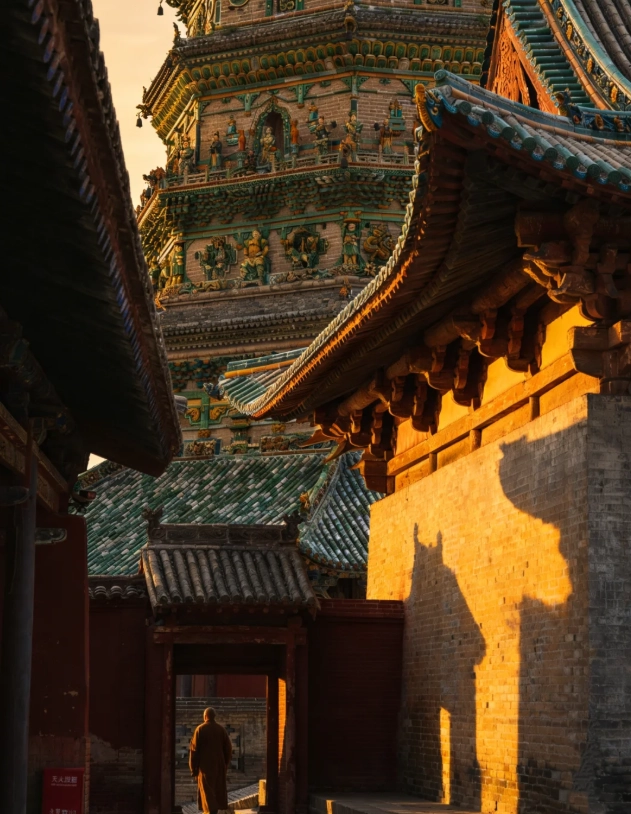
My Quick Answer: Spring & Autumn Win
If you can only pick one window, target mid-April to June and September to mid-October. The weather is comfortable — highs between 18°C and 25°C (64–77°F), low humidity, and plenty of blue sky for photos. Plus, these months dodge the domestic travel peaks. I once brought a group in early May and we had the entire Yungang Grottoes section almost to ourselves until 10:30 AM. That’s the sweet spot.
Season-by-Season Breakdown
Spring (March–May): Recovery and Dust (but Worth It)
March is still chilly — around 5–12°C (41–54°F). The famous dust storms can hit, especially in late March. I remember one tour where we couldn’t see the Hanging Temple clearly because of a sand haze. April onward improves fast. By late April the trees at the Nine Dragon Wall are green again. Best part: ticket prices are still off-peak, and you can book hotels at 30% less than summer.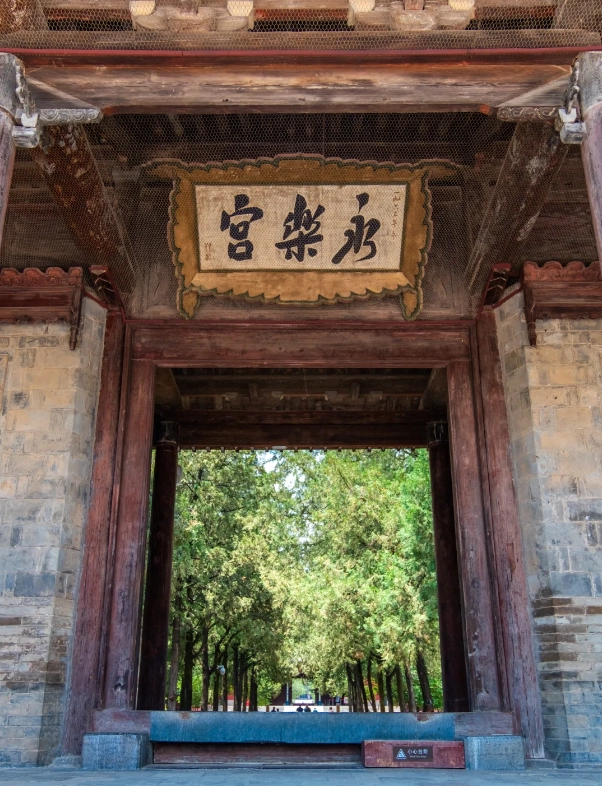
Summer (June–August): Hot, But Lush
July and August see highs of 30–33°C (86–91°F). It’s also the rainy season — not constant downpours, but sudden thunderstorms can pop up. I always tell my groups to carry an umbrella and start sightseeing by 8 AM. The Yungang Grottoes have limited shade; by 11 AM the stone steps can be scorching. On the flip side, the mountain greenery around Mount Heng is gorgeous. Mid-June and late August are less crowded than July, when Chinese schools are on break.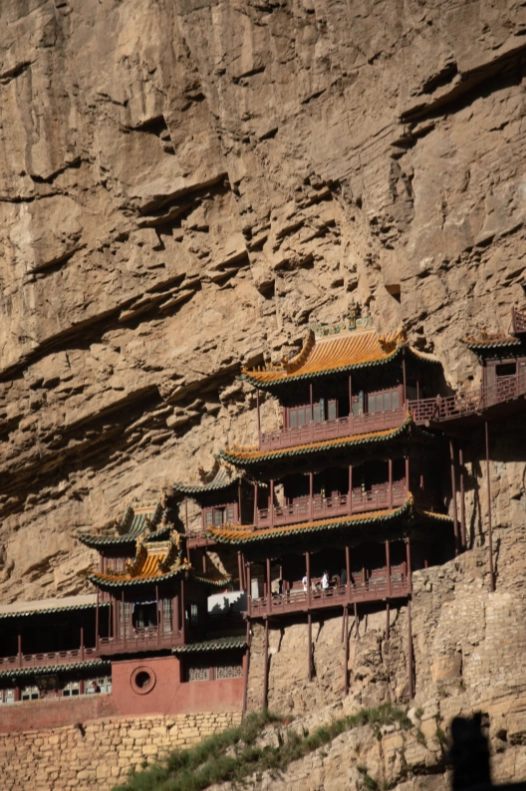
Autumn (September–October): My Favorite
The skies clear up. September is warm (22–26°C) with zero humidity — perfect for climbing the Hanging Temple. Mid-autumn (late September to early October) is the peak season for domestic tourists because of National Day holiday (October 1–7). I advise flying in after October 7 if you want peace. But honestly, even during the holiday, if you arrive at Yungang before 8:30 AM, you’ll beat the busloads. The autumn colors around the Huayan Monastery are stunning — the pagoda contrasts with golden leaves.
Winter (November–February): Cold, Silent, Cheap
Winter is harsh — temperatures drop to -15°C (5°F) at night, and daytime highs struggle to reach 0°C. Most indoor attractions like the Datong Museum are open, but the Hanging Temple may close during heavy snow (check their WeChat mini-program). I’ve done winter tours: the Yungang Grottoes are almost empty, and the snow on the Buddha statues gives an eerie beauty. Only come if you’re prepared for extreme cold and have flexible plans. Hotel prices can drop by 50%.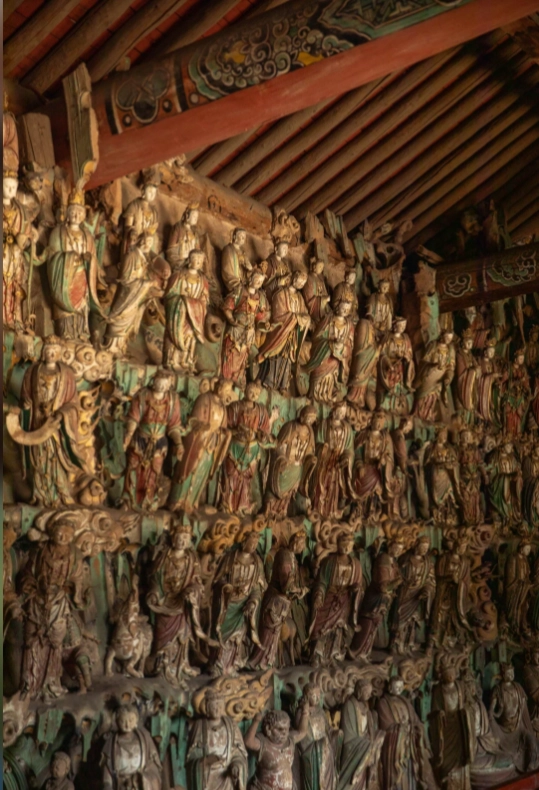
Datong Weather at a Glance
| Month | Avg High (°C) | Avg Low (°C) | Rainfall (mm) | Tourist Volume |
|---|---|---|---|---|
| Jan | -2 | -15 | 3 | Low |
| Feb | 2 | -11 | 5 | Low |
| Mar | 10 | -2 | 12 | Low-Medium |
| Apr | 19 | 5 | 20 | Medium |
| May | 25 | 11 | 30 | High |
| Jun | 29 | 16 | 45 | High |
| Jul | 31 | 19 | 80 | Very High |
| Aug | 29 | 17 | 70 | High |
| Sep | 24 | 10 | 40 | Medium-High |
| Oct | 17 | 3 | 22 | Medium |
| Nov | 8 | -5 | 10 | Low |
| Dec | 1 | -12 | 4 | Low |
Best Months for Different Travel Styles
Not everyone cares the same way about weather. Here’s how I help my clients choose: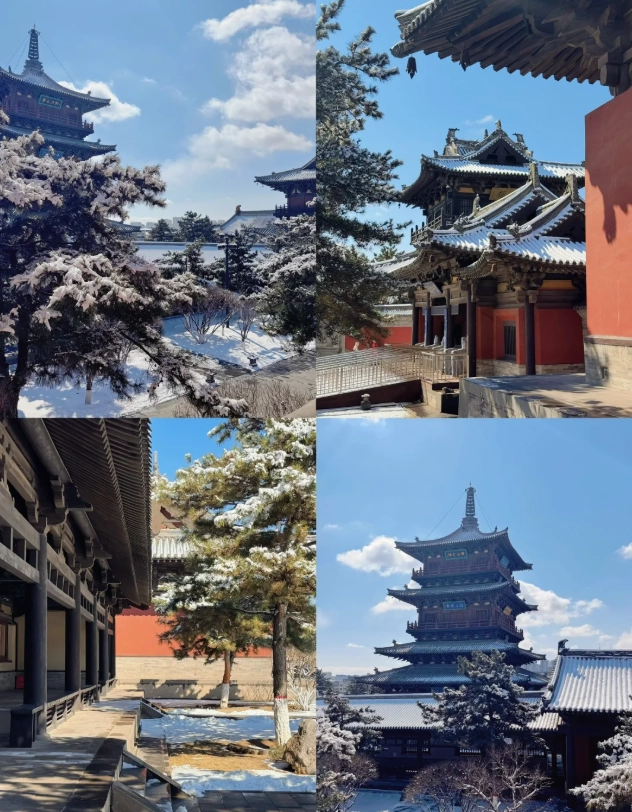
- Best for photography: Late April (green & flowers) and October (autumn colors). Early morning light at Yungang is magical.
- Best for budget backpackers: November to February — hotels near $20–30/night, but bring thermal underwear.
- Best for families with kids: Late May or early September, when it’s not too hot and crowds are moderate.
- Best for avoiding ALL crowds: Mid-November to mid-December (before Chinese New Year rush starts).
How to Avoid the Worst Crowds
Most articles tell you to avoid Chinese public holidays. That’s obvious. But here’s what they miss: Thursday to Saturday are the busiest days because many Chinese take short breaks. I always book my groups on Tuesday departures. Also, the Yungang Grottoes Ticket Office often has two lines: one for pre-booked (scan WeChat mini-program) and one for walk-ups. The pre-booked line moves 3x faster. I’ve seen walk-ups wait 40 minutes even on a slow day.
FAQ – Questions I Get Asked Most
Verified and fact-checked by the editorial team. This content has been fact-checked to ensure informational precision.






No comments yet.