 Ming Yang
What’s Inside This Guide
I’ve been guiding tours in Sichuan for over a decade, and if there’s one place that still gives me goosebumps every time, it’s Huanglong. Most foreign tourists rush to Jiuzhaigou and skip this gem — big mistake. Huanglong means “Yellow Dragon,” and the name fits perfectly: a giant, golden, calcified dragon lying across a mountain valley, covered with hundreds of turquoise, jade, and amber pools. It’s a UNESCO World Heritage site, but honestly, that title doesn’t do it justice. Let me walk you through everything you need to know, including the stuff no guidebook tells you.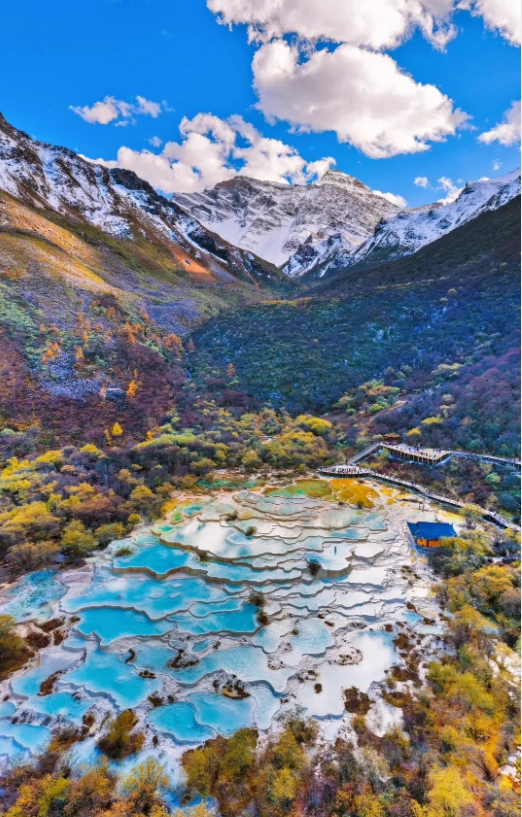
What Makes Huanglong Special
Huanglong is the world’s highest-altitude travertine landscape (over 3,000 meters). The main attraction is the 3.6-kilometer long Huanglong Valley, filled with colorful pools, waterfalls, and limestone formations. Unlike Jiuzhaigou’s lakes, these pools are shallow — you can see every ripple on the bottom. The colors range from pale blue to deep green, depending on algae and mineral content. The most famous section is the Five Color Pond at the top, which looks like a palette of jewels. But honestly, the entire valley is a photo op. I always tell my guests: “Don’t stop at Five Color Pond — the lower pools are less crowded and just as beautiful.”
How to Get to Huanglong
Getting there isn’t a piece of cake, and that’s part of the adventure. Here are your options:
| Method | Details | Cost (approx) |
|---|---|---|
| Fly + Drive | Fly from Chengdu to Jiuzhai Huanglong Airport (JZH), then take a 1-hour taxi or shuttle bus to the park entrance. The airport itself is at 3,400m — you’ll feel the altitude immediately. | Flight ~¥800-1200, shuttle ~¥50-100 |
| Bus from Chengdu | Direct buses from Chengdu’s Chadianzi Bus Station to Jiuzhaigou or Songpan, then transfer to a local bus to Huanglong. Total journey ~8-10 hours. | ¥150-200 per person |
| Private Car | Ideal for groups. Rent a car with driver from Chengdu. The road is winding but scenic (passing through Minjiang River Valley). | ¥1500-2500 total for 2 days |
My advice: If you only have 2-3 days, fly. If you have more time and want to enjoy the scenery, take a bus and stop at Songpan town for a night — it’s an ancient border town with great Tibetan food.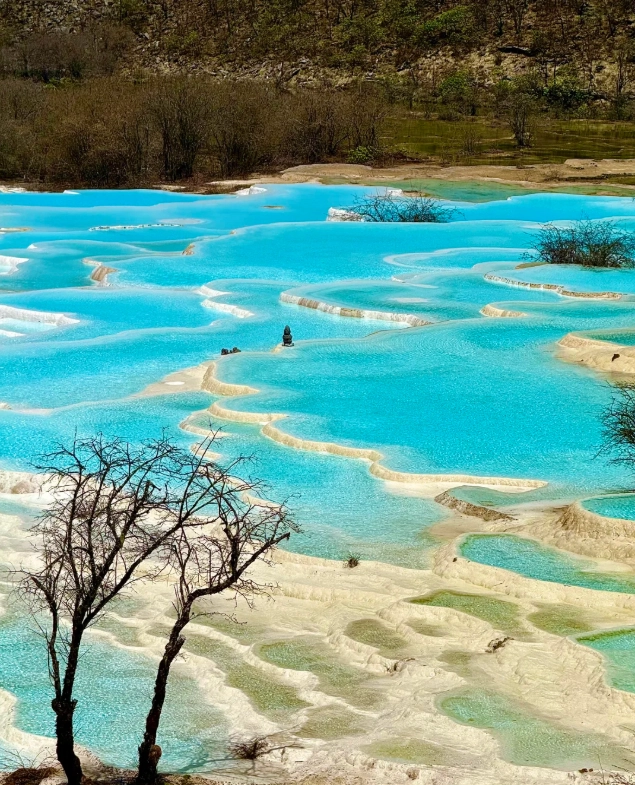
Best Time to Visit
Huanglong is open from April to November (sometimes March if weather permits). Winter is a no-go — the valley is covered in snow and the path is closed.
Peak season (July-October): Clear skies, warmish days (15-20°C), but huge crowds. I recommend going in early October for autumn colors — the golden leaves mixed with the turquoise pools are unreal. Avoid Chinese National Holiday (Oct 1-7) at all costs. The park feels like a subway station.
Shoulder season (May-June & November): Far fewer people. May can be rainy, but you’ll see the pools at their fullest after snowmelt. November is cold but beautiful — just be prepared for icy boardwalks.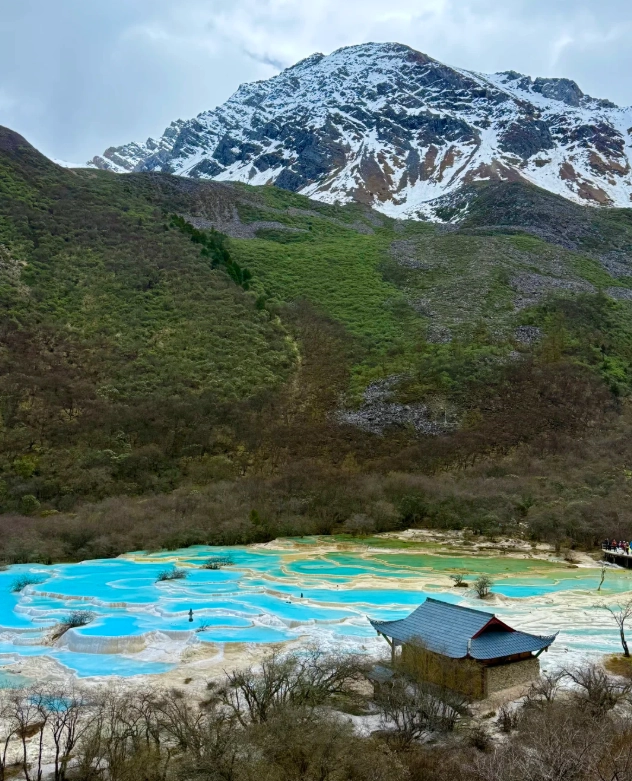
Entrance Fees & Money-Saving Tips
Current ticket prices (subject to change, but fairly stable):
| Category | Price (CNY) | Notes |
|---|---|---|
| Adult (Apr-Nov) | 170 | Includes the main scenic area. No separate ticket for cable car (see below). |
| Student (with valid ID) | 85 | Only for full-time students under 24. |
| Senior (over 60) | 85 | Chinese seniors get free entry (foreign seniors get half-price). |
| Cable car (one way) | 80 | Starts from the entrance; takes you up to near the summit. Highly recommended to save energy for the walk down. |
You can buy tickets at the gate or online via platforms like Trip.com or Ctrip. I suggest buying online during peak season — the queue can be 30 minutes long. Pro tip: Bring cash. Card payments work at the ticket office but sometimes the network is spotty.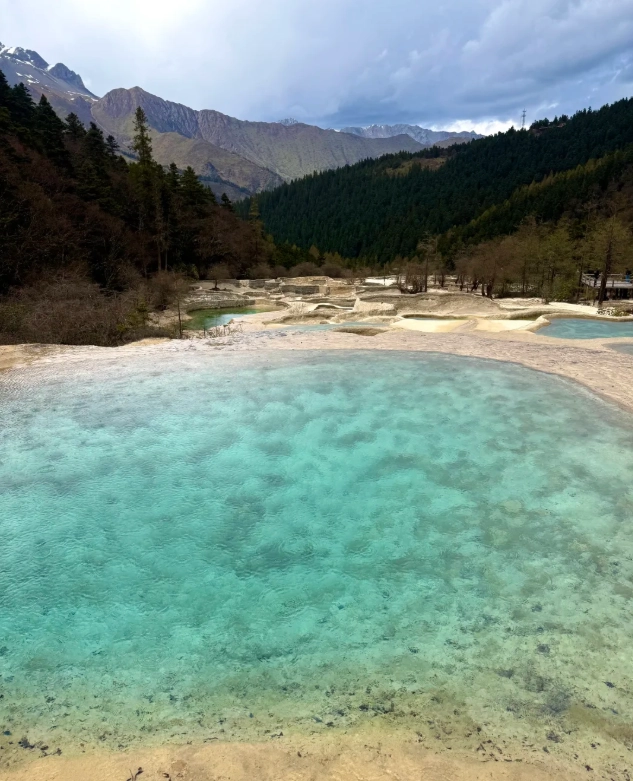
Must-See Spots Inside the Park
The park has a single main boardwalk that zigzags up the valley. If you take the cable car, you start at the top and walk down. If you walk up, it’s about 3.6 km one way — doable but challenging at altitude. Let me point out the highlights:
1. Five Color Pond (Wucai Chi)
The postcard image. A series of terraced pools in every shade of blue and green. Best time to visit: 8:30-10:00 AM — the sun hits the water at an angle that brings out the colors. By noon, the light is too harsh and you get glare.
2. Reflection Pond (Jingying Tan)
A large, mirror-like pool that reflects the surrounding mountains. Most visitors walk right past it. Stop and take a panorama shot. I always tell my groups: “If you see a crowd gathering, go the opposite way. That’s where the magic is.”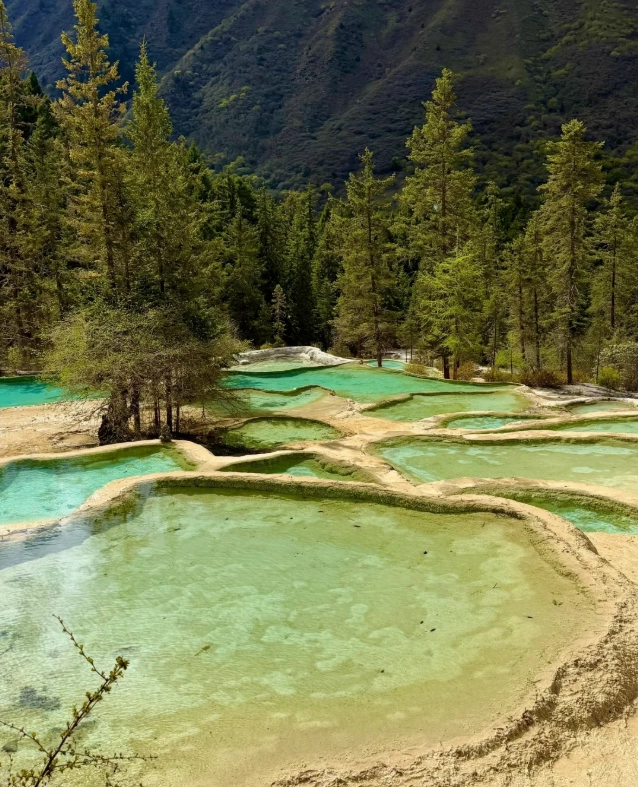
3. Huanglong Cave
A small limestone cave on the side of the valley. It’s cool and damp, with some stalactites. Not spectacular, but a nice rest stop on a hot day. Plus, the temperature drop feels great after walking.
4. The Golden Sand on the Ground
This isn’t a single spot but the entire trail. The boardwalk is built over the travertine, and you can see the yellowish deposits that give Huanglong its name. Look down sometimes — the patterns are like abstract art.
Hiking Trails & Altitude Advice
Altitude sickness is real here. The park entrance is at 3,100m, the highest point (Five Color Pond) at 3,600m. Symptoms like headache, nausea, and dizziness are common. My golden rule: Walk slowly, drink water every 15 minutes, and avoid heavy food before the hike. I’ve seen too many tourists collapse because they ate a huge Sichuan lunch.
If you’re not used to altitude, take the cable car up and walk down. That way you only gain 300m of elevation on the way up (the cable car drops you at about 3,400m), and the descent is easy on your body. The walk down takes about 2-3 hours with photo stops.
Wear comfortable shoes with good grip. The boardwalk can be slippery from water or frost in the morning. I once slipped and fell in front of a Japanese tour group — not my proudest moment. So yeah, watch your step.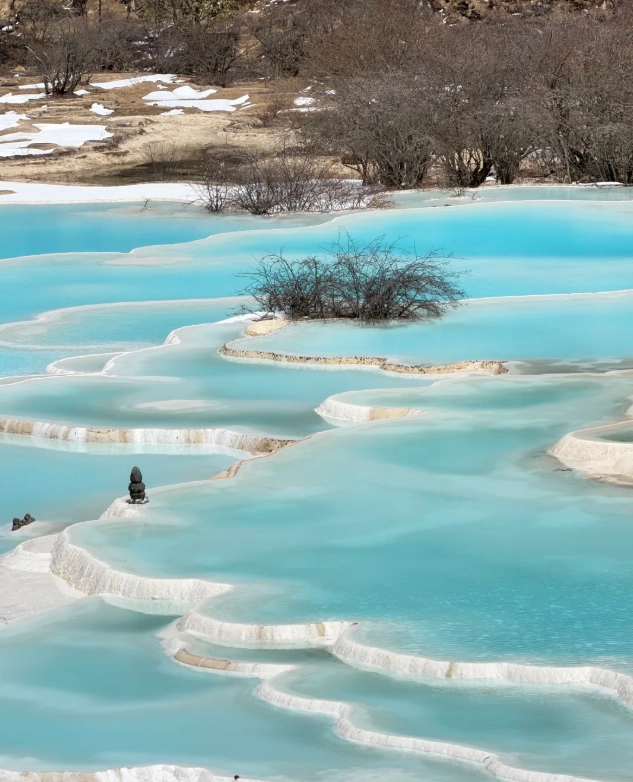
Where to Stay Nearby
You can stay near the park entrance (a handful of hotels) or in the larger town of Chuanzhusi (10 km away). Here’s my honest breakdown:
| Hotel Name | Location | Price Range (per night) | Pros & Cons |
|---|---|---|---|
| Huanglong Hilton Garden Inn | 1 km from park entrance | ¥300-600 | Clean, English-speaking staff, has a restaurant. But expensive for what it is. |
| Chuanzhusi Summer Palace Hotel | Chuanzhusi town | ¥150-300 | Good value, local Tibetan style. The bus from Chuanzhusi to Huanglong takes 20 min. |
| Local Guesthouses (near park) | 50m from entrance | ¥80-150 | Very basic (shared bathroom, thin walls). Only if you’re on a tight budget. |
I usually recommend staying in Chuanzhusi because it has more food options (and a night market). Plus, you can visit the Songpan Ancient Town the next day.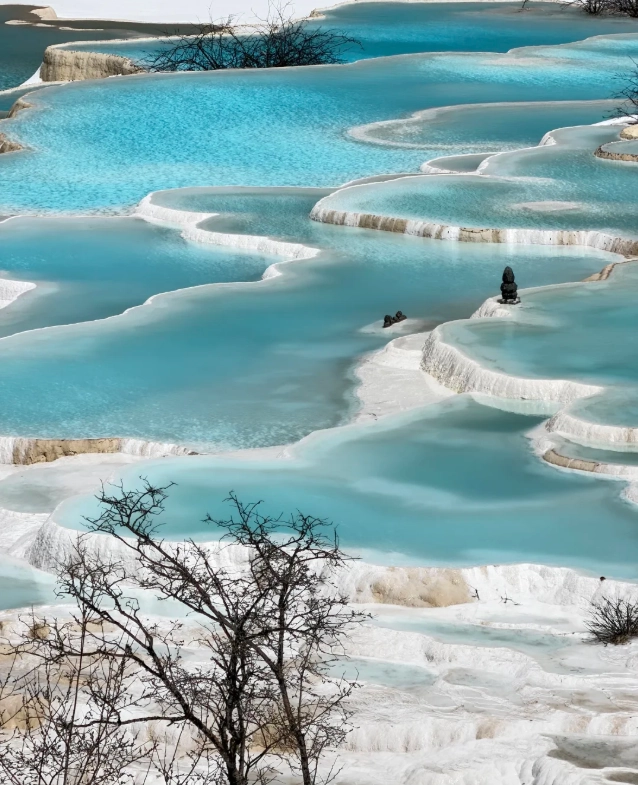
What to Eat (Real Recommendations)
The food inside the park is overpriced and mediocre. Better to pack snacks or eat before entering. However, the restaurant at the Hilton has decent Tibetan butter tea and a noodle soup that’s surprisingly good. Outside the park, I like Yak Meat Hot Pot at a place called “Ma Ge Luo” in Chuanzhusi. The owner doesn’t speak English, but pointing at the menu works. The broth is rich, and they add local herbs that help with altitude — at least that’s what they claim. I think it’s just delicious.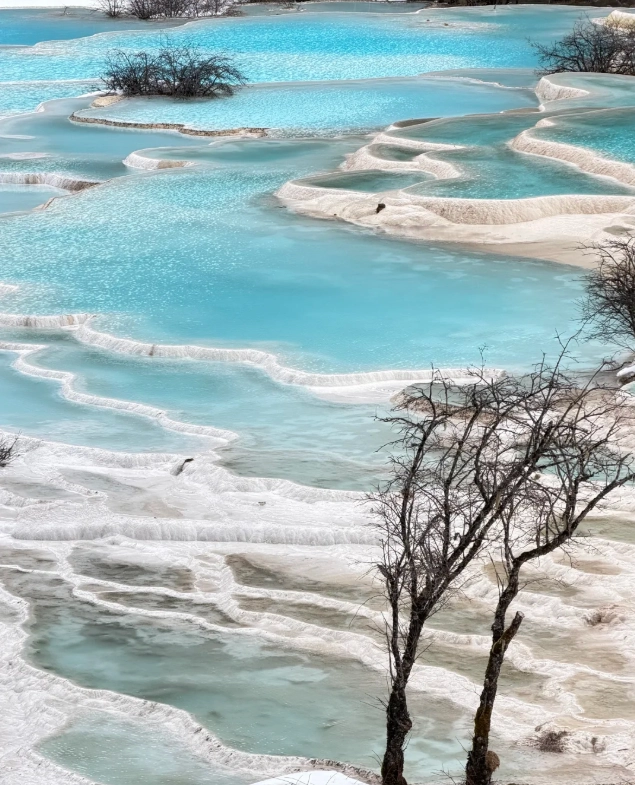
FAQs Tourists Always Ask
This article has been fact-checked based on my personal visits and local updates. All prices are approximate and may change. Always confirm before your trip.





No comments yet.