 Ming Yang
Quick Overview 👇
I’ve been guiding tours in Sichuan for over ten years, and if there’s one question I get more than any other, it’s this: “What are the absolute must-see attractions in Aba?” So let me break it down for you—not just a list, but real, practical advice from someone who has walked every trail and waited in every ticket line. Aba Tibetan and Qiang Autonomous Prefecture is a giant playground of snow mountains, turquoise lakes, and alpine meadows. Most international travelers only have time for a short trip, so I’ll help you focus on what’s truly worth your energy.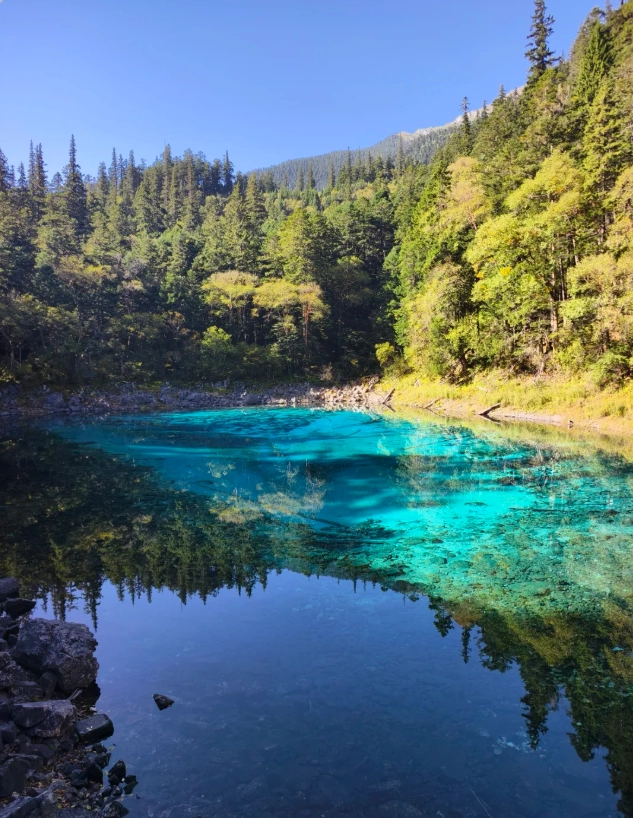
How to Get to Aba Sichuan
Getting into Aba isn’t as hard as you might think. The main gateway is Chengdu. From there you have three options:
By Plane
Jiuzhai Huanglong Airport (JZH) is the closest. Flights from Chengdu take about 1 hour. But here’s the catch: the airport sits at 3,448 meters. I’ve seen plenty of tourists step off the plane and instantly feel dizzy. Book a flight early in the day so you have time to acclimatize. The airport bus to Jiuzhaigou town (about 1.5 hours) costs around 45 RMB. Always check the official website of the airport for schedule updates.
By Bus
From Chengdu’s Chadianzi Bus Station, direct buses run to Jiuzhaigou (about 8 hours) and to Maerkang (6 hours). The fare is roughly 150–180 RMB. The bus is comfortable enough, but bring snacks and a neck pillow. I always tell my groups: “Use the restroom at every stop—the next one might be two hours away.”
By Private Car
If you’re 2–3 people, hiring a car with driver might be worth the 800–1200 RMB per day. You can stop at scenic spots along the way, like the Songpan Ancient Town. Just make sure the driver has a license for tourism operations.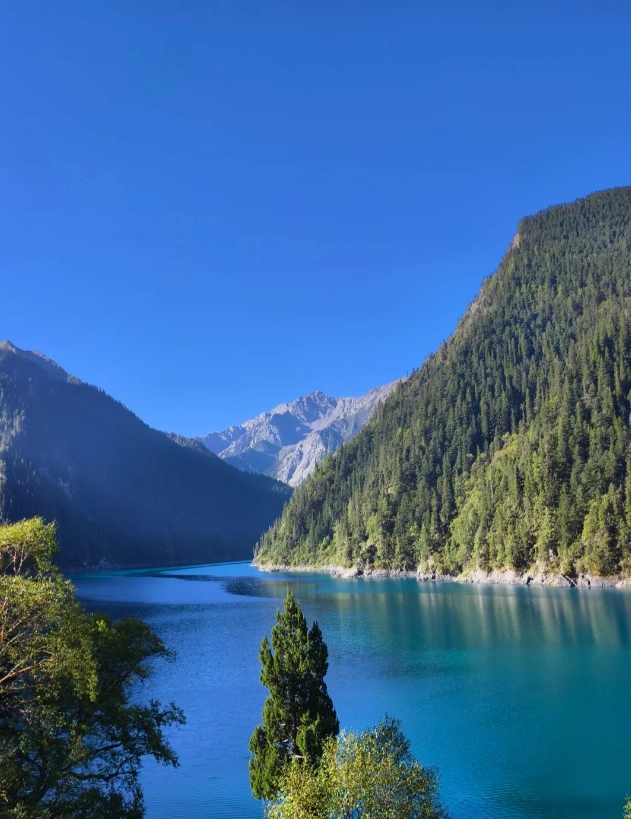
Jiuzhaigou Valley: The Crown Jewel
No trip to Aba is complete without Jiuzhaigou Valley. It’s a UNESCO World Heritage site famous for its colorful lakes, layered waterfalls, and autumn foliage. I’ve been there in every season, and I can tell you—autumn (late Oct to early Nov) is unreal, but also super crowded. If you want peace, go in June or September.
Ticket Prices and How to Book
Peak season (Apr–Nov): 169 RMB for entrance + 90 RMB for the shuttle bus. Off-season (Dec–Mar): 80 RMB entrance + 80 RMB bus. You must book in advance on the official WeChat mini program “Aba Tourism” or through platforms like Trip.com. Walk-up tickets are almost never available. Bring your passport for identity check at the entrance.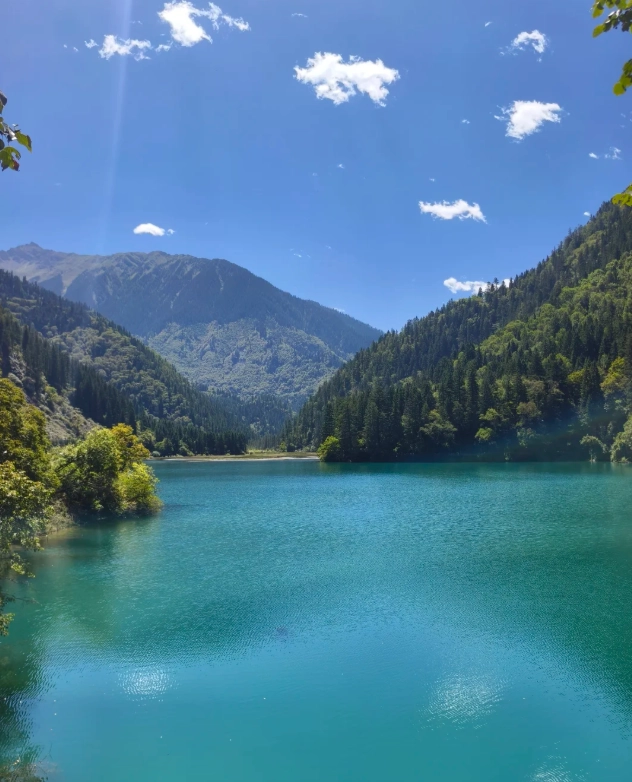
Best Time to Visit and Avoid Crowds
Enter the park before 8:30 AM. The shuttle buses start at 7:30. Most tour groups go to the right branch first (Rize Valley)—so I suggest you go left to Zechawa Valley. The highest lake, Long Lake, is often overlooked in the morning. You’ll have the boardwalk almost to yourself. After 11 AM, the crowds pour in, so plan to be at the main Nuorilang Falls around noon when it’s the least busy.
Suggested Route Inside the Park
Take the shuttle to Long Lake (end of left branch), walk down to Five-Color Pond, then bus back to Nuorilang. After lunch, take the right branch shuttle to Primitive Forest, then walk down through the boardwalk to Mirror Lake and Panda Lake. If you’re tired, use the bus to hop between stops. The whole loop takes about 6–7 hours. Wear good shoes—the boardwalks are slippery when wet.
Huanglong National Park
About 2 hours south of Jiuzhaigou, Huanglong is famous for its golden travertine pools cascading down the mountain. The highest point is 3,588 meters. Altitude sickness is real here. I’ve seen strong young guys crumple to the ground. Take it slow, and buy a small oxygen canister (20–30 RMB) at the entrance.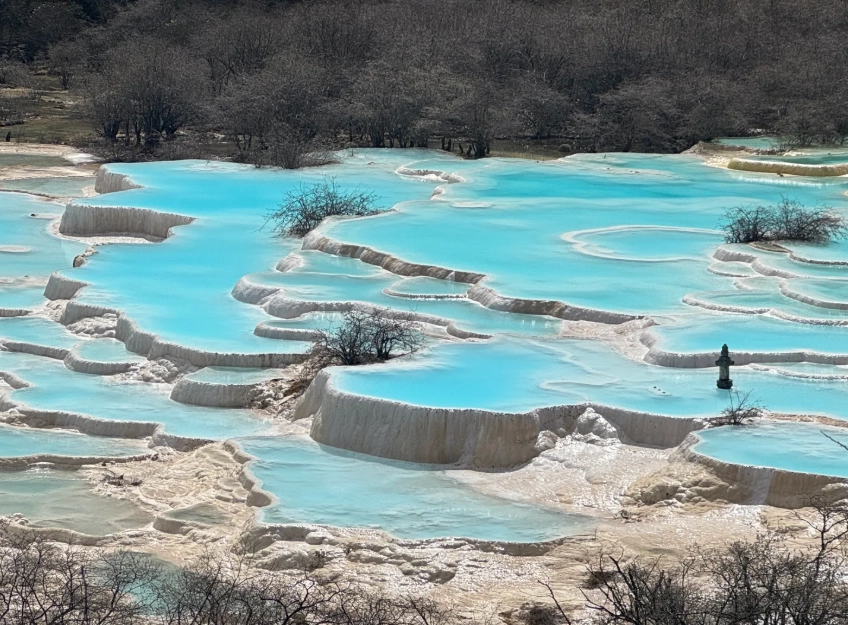
Altitude Sickness Tips
Acclimate in Jiuzhaigou town (about 3,000m) for a night before heading to Huanglong. Drink lots of water. Avoid alcohol. If you feel pounding headache or nausea, descend immediately—there’s a first-aid station near the exit. The park offers a cable car (80 RMB one way) that takes you close to the top. I recommend taking the cable car up and walking down—it saves energy and you see everything.
Transportation from Jiuzhaigou
Shared minibuses run from Jiuzhaigou town to Huanglong (50 RMB per person, 2 hours). The last bus back leaves around 4:30 PM. If you’re driving, the road has hairpin turns—take motion sickness pills. Entrance fee: 170 RMB peak, 60 RMB off-season. Same advance booking required.
Siguniang Mountain
Four Sisters Mountain, located in Xiaojin County, is a paradise for hikers. The main peak is 6,250 meters, but most tourists explore the three valleys: Changping, Haizi, and Shuangqiao. Shuangqiao Valley is the easiest—a paved road with shuttle stops (ticket: 70 RMB entrance + 70 RMB bus). Haizi Valley is more rugged, perfect for a full-day hike.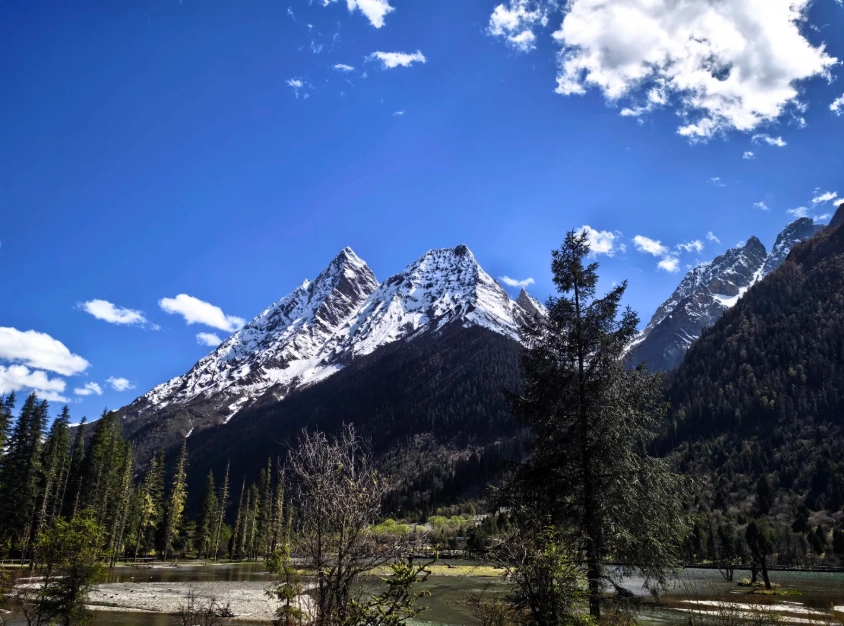
Which Valley to Choose
If you only have one day, pick Shuangqiao Valley. You can ride the shuttle to the end, then walk back partially. The scenery includes snow peaks, alpine lakes, and grazing yaks. I once took a retired couple who managed it just fine. For serious trekkers, Changping Valley offers overnight camping (requires permit). Permits are handled by the local tourism office—apply at least 3 days in advance.
Permits and Preparation
You need to register your trekking plan if staying overnight. Bring a sleeping bag rated for -5°C even in summer. The nearest town, Rilong, has equipment rental shops. Entrance to Siguniang is 60 RMB for all valleys (combined ticket).
Other Underrated Attractions
Most foreigners don’t know about these gems, and that’s why I love them.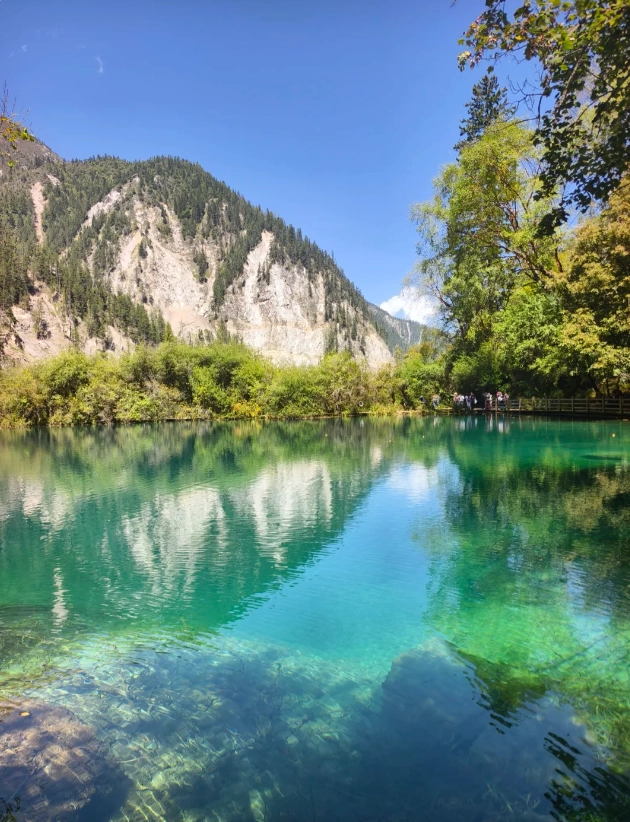
Dagu Glacier
Located in Heishui County, Dagu Glacier is one of the few glaciers you can reach by cable car (320 RMB round trip). The summit is 4,860 meters. You can stand on the glacier in summer! But altitude here is extreme—bring oxygen. The view of the surrounding peaks is jaw-dropping. Few tourists, mostly domestic. Entrance: 120 RMB.
Muni Valley
Near Maerkang, Muni Valley has two beautiful lakes and a grassland dotted with wildflowers. It’s free to enter. Most locals go there for picnics. The road is a bit rough, so a 4WD is recommended. I stumbled upon this place years ago and have been bringing adventurous clients ever since.
Aba Travel Tips for First-Timers
My #1 tip: Don’t try to do too much. Aba is large and the roads can be slow. Pick 2–3 attractions max for a 5-day trip.
Packing List
- Layers – temperature can swing from 5°C to 25°C in a day.
- Rain jacket – sudden showers are common.
- Good walking shoes with ankle support.
- Sunscreen and lip balm – the UV is intense.
- Portable snacks and water – food inside parks is limited and expensive.
- Power bank – not many charging stations.
Language and Payment
English is rarely spoken outside big hotels. Download a translation app (Pleco or Google Translate). WeChat Pay and Alipay are everywhere—make sure you set up Alipay with your international card before leaving. Cash is accepted but not common.
Frequently Asked Questions about Aba Sichuan Must-See Attractions
This article has been fact-checked against official sources (China's National Parks website, official tourism wechat accounts) and my own experience leading tours.





No comments yet.