.jpeg) Tariq Ma
Tariq Ma
I’ve led dozens of groups to Mount Siguniang (Four Girls Mountain) in western Sichuan, and I can tell you: this place surprises everyone. It’s not just another pretty peak – it’s a mini Himalayas with four distinct personalities. First timers often underestimate the altitude (think 5,000+m) and overestimate their fitness. But with the right prep, you get views that rival Everest Base Camp without the crowds. Let’s cut through the fluff and get you ready.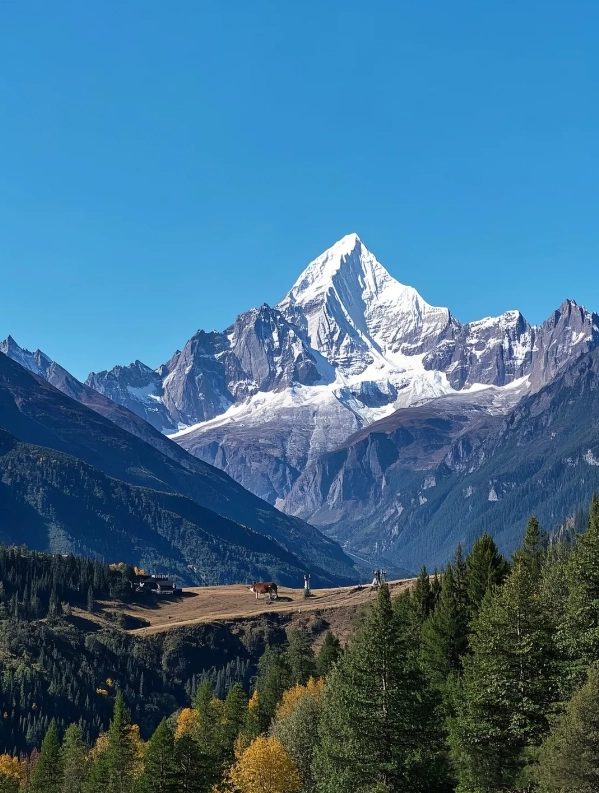
Overview: Why Four Girls Mountain?
Mount Siguniang (also called Four Girls Mountain, Four Sisters Mountain, or 四姑娘山 in pinyin) sits in Xiaojin County, Ngawa Tibetan and Qiang Autonomous Prefecture. The four peaks – Dafeng (Big Girl, 5,025m), Erfeng (Second Girl, 5,276m), Sanfeng (Third Girl, 5,355m), and Yao Mei Feng (Youngest Girl, 6,250m) – are sacred in local Tibetan culture. Most visitors only see the three lower peaks; the summit of Yao Mei Feng requires serious mountaineering skills.
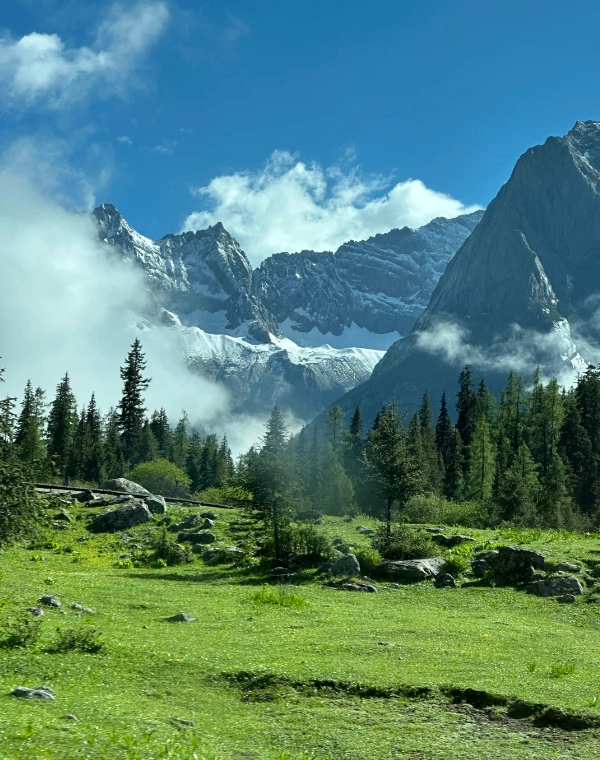
What blew me away my first time: the contrast. One minute you’re walking through lush rhododendron forests, the next you’re above treeline on a lunar landscape. The air is thin, the sky is sharp blue, and the peaks look close enough to touch – but they’ll humble you fast.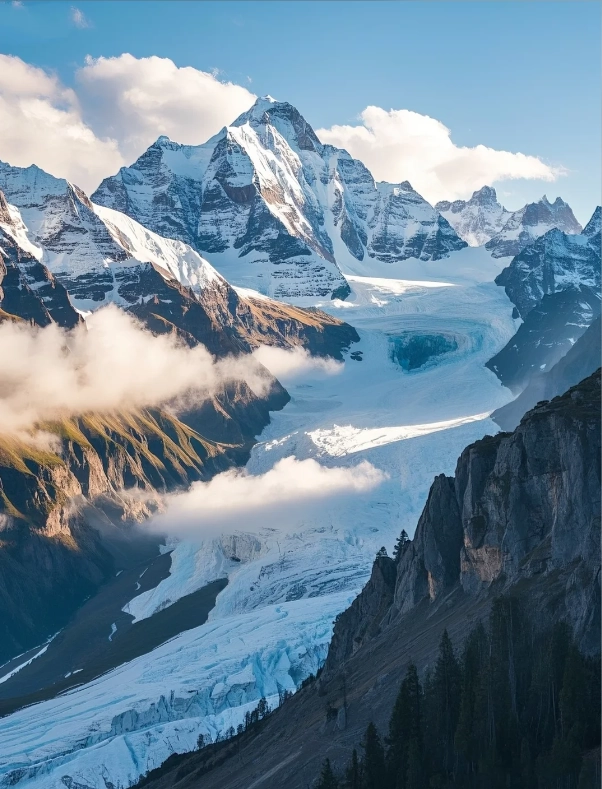
- Highest peak: Yao Mei Feng (6,250m / 20,505ft) – technical climb only
- Most popular trek: Changping Valley (easy, 3-5 hr return)
- Best season: June – October (wildflowers in July, golden larch in October)
- Altitude of base town Rilong: ~3,200m (10,500ft)
How to Get There: Chengdu to Siguniang
Getting to the mountain is half the adventure. Here’s the most reliable route (I’ve done it six times).
Option 1: Bus from Chengdu (Budget & easy)
Head to Chengdu Chadianzi Bus Station. Take the express bus to Xiaojin County. Buy tickets at the counter or via the official WeChat mini-program ‘茶店子客运站’. The bus leaves around 6:30-7:00 AM daily. It takes 5-7 hours (depending on roadwork) and costs about ¥95 per person. Ask the driver to drop you at Rilong Town, the gateway to the national park. Pro tip: sit on the left side of the bus for epic valley views.
Option 2: Private car or group tour
If you have 3-4 people, a private transfer from Chengdu costs around ¥800-1,200 (negotiate before). The drive goes via the Bypass Mountain Highway (S303), which passes the famous Balangshan Pass (4,523m) – a stunning photo stop. I usually charter from a driver I trust; feel free to ask your hotel in Rilong to arrange a return trip. Warning: The road can be closed after heavy snow; check weather before setting out.
Option 3: Fly to Chengdu & connect
Fly into Chengdu Shuangliu (CTU) or Tianfu (TFU) airports. Take a taxi or metro to Chadianzi bus station. No direct flights to Siguniang – yet.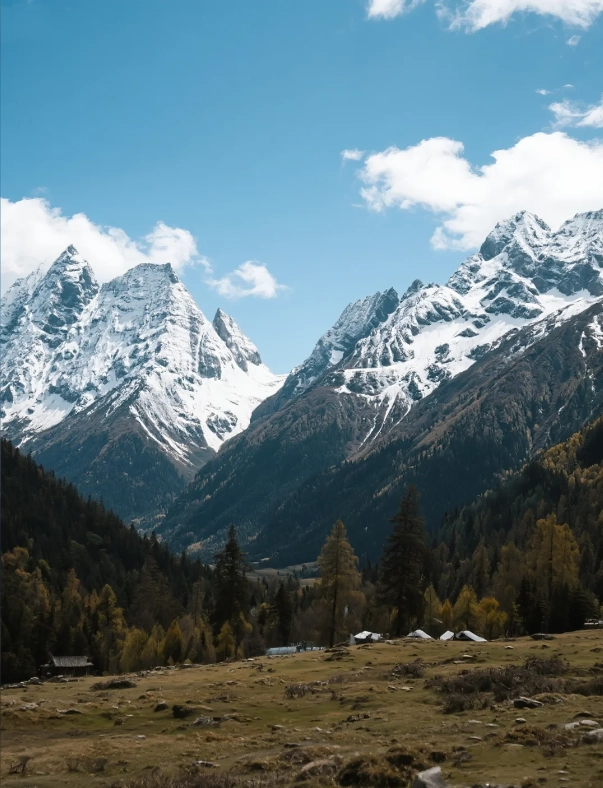
The Four Peaks & Best Hiking Trails
Most people visit the Siguniangshan National Park, which includes three major valleys: Changping Valley, Haizi Valley, and Shuangqiao Valley. Each offers a different flavor. Let me break them down.
| Valley | Difficulty | Distance / Time | Highlight |
|---|---|---|---|
| Changping Valley | Easy to moderate | 3-5 km one-way; 3-5 hr return | View of all four peaks, lush forest, horse riding available |
| Haizi Valley | Moderate to hard | 7-12 km one-way; full day (6-8 hr) | Alpine lakes, fewer tourists, closer to Dafeng summit |
| Shuangqiao Valley | Easy (shuttle bus) | 35 km loop by bus; 2-3 hr | Panoramic views, accessible for families, 360° viewpoint |
Changping Valley – The Crowd Favorite
This valley is my go-to for first-timers. You walk on a well-maintained wooden boardwalk through a forest of birch and rhododendron. After about 40 minutes, the trees open up and you’re staring at the four peaks in a row. Best photo spot: the wooden bridge at 2.5 km marker – arrive before 9 AM to avoid backlight. You can also hire a horse from local Tibetan families (¥150-200 one-way to the dry sea beach). I once took a group of retirees here; they managed just fine with walking sticks.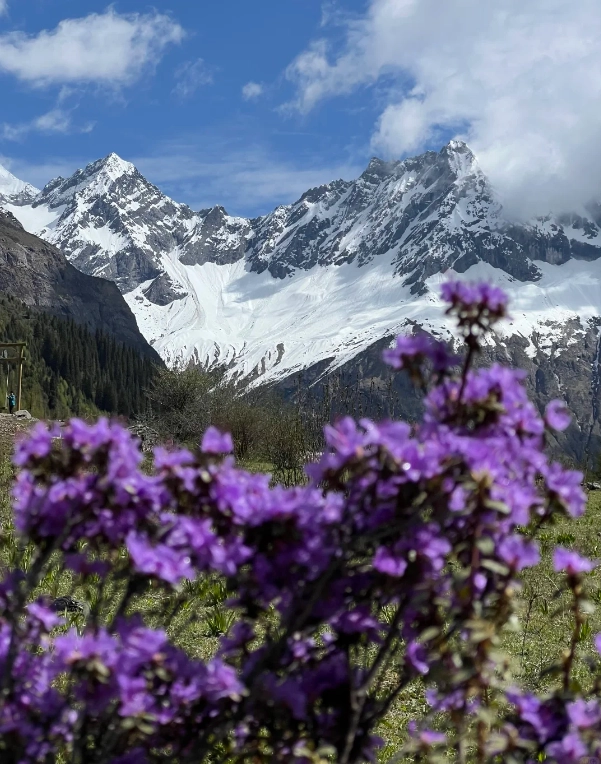
Haizi Valley – The Trekker’s Choice
If you want solitude and raw nature, this is it. The trail starts with a steep uphill, then follows a ridge past several turquoise lakes (Haizi means ‘lake’). The final destination is the Dafeng Base Camp (4,300m), where many climbers start their summit push. Important: No shuttle, no horses on the upper section. Carry at least 2 liters of water and snacks. The altitude here hits hard – I’ve seen young fit guys turn back with headaches. Plan a full day, start at dawn.
Shuangqiao Valley – Easy Does It
For anyone with limited time or mobility, this valley is a godsend. A shuttle bus (included in ticket) takes you to 5 stops, each with short walking paths. The last stop, Yak Peak Viewing Platform, gives you a 360-degree panorama – in good weather you can see all four peaks. Insider move: Get off at stop 3 instead of the final one; there’s a hidden meadow with fewer tourists and better photo angles of the youngest peak.
Permits, Tickets & Red Tape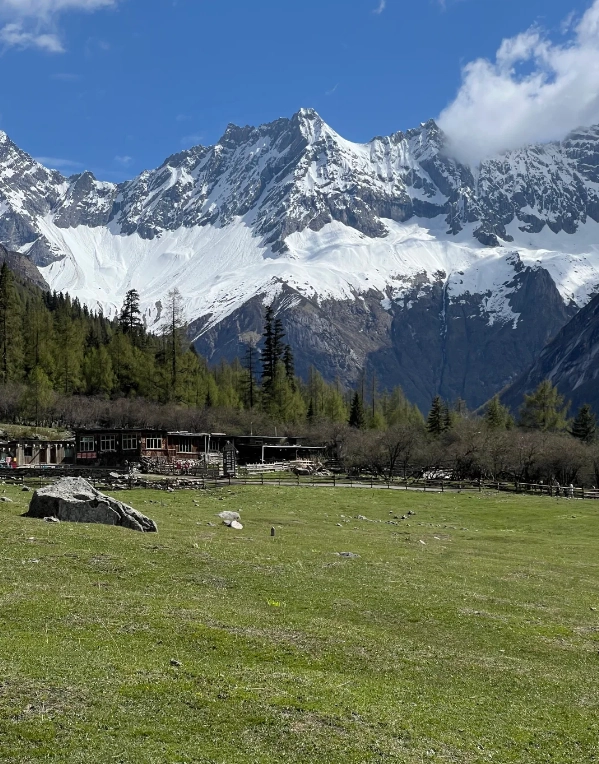
Let’s talk money, because nobody likes surprises.
- National park entrance fee: ¥150 per person for a 3-day pass (includes all three valleys). Valid for 3 days from entry. You can buy at the main gate in Rilong (cash or WeChat). Note: Online booking isn’t mandatory but recommended during Oct golden week (check via Ctrip or WeChat mini-program ‘阿坝旅游网’).
- Shuttle bus in Shuangqiao Valley: ¥70 round trip (compulsory).
- Horse riding in Changping Valley: ¥150 one-way to Gan Lake (approx 4 hr walk). Negotiate price at the stable near the entrance.
- Summit climbing permit: If you plan to climb Dafeng (5,025m) or Erfeng, you MUST hire a licensed guide and obtain a permit from the local mountaineering association (around ¥300-500 per person plus guide fee ¥500-700/day). No independent climbing allowed – they check IDs at base camp.
Opening hours: The park gates open at 7:30 AM (summer) and 8:00 AM (winter). Last entry into valleys is 3:00 PM – don’t be late, they’re strict.
Where to Sleep: Rilong Town Options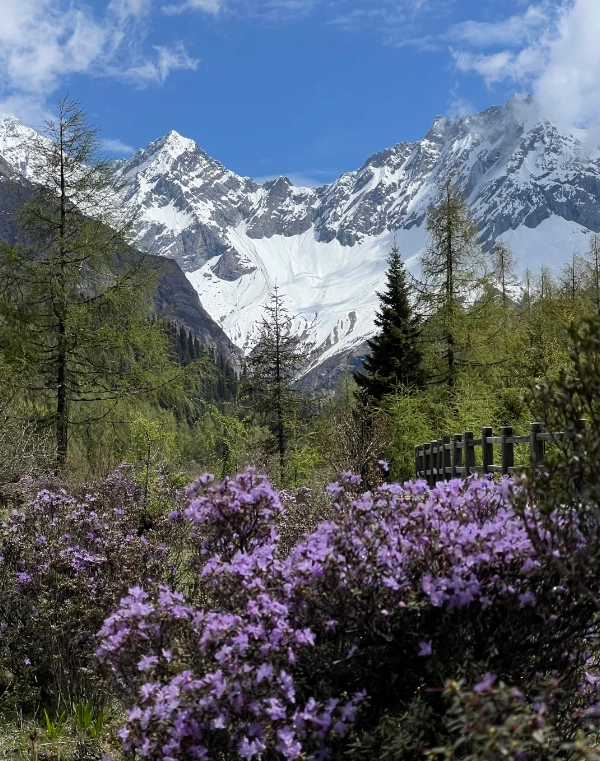
Rilong is the only base town. It’s small but has grown a lot in the last decade. Here are three places I’ve personally stayed and can vouch for.
| Hotel | Price (per night) | Pros | Cons |
|---|---|---|---|
| Rilong Bieyuan Hotel | ¥200-350 | Clean, hot water, English-speaking owner, close to bus stop | Simple breakfast, thin walls |
| Siguniangshan Mountain View Inn | ¥350-600 | Great views of peaks, Tibetan-style rooms, restaurant | Heating weak in winter, Wi-Fi unreliable |
| Panda Inn | ¥100-180 | Budget-friendly, dorm beds, helpful staff | Shared bathroom, can be noisy |
My recommendation: If you’re a solo backpacker, Panda Inn is fine. For comfort, Rilong Bieyuan gives the best value. Book ahead in July-October – rooms fill up, especially on weekends.
All hotels accept WeChat Pay/Alipay; some take cash. International credit cards are rare – bring enough cash or use WeChat.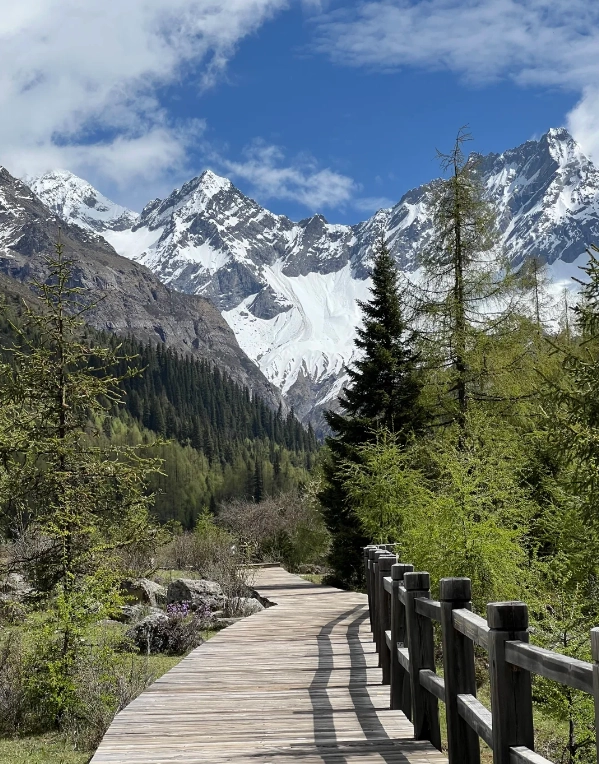
Packing List: What I Always Bring
After 15+ trips here, my bag is pretty dialed. Here’s what you should not skip:
- Sun protection: Sunglasses (UV is brutal above 4,000m), sunscreen SPF50+, lip balm. I learned this the hard way – got a sunburn on my ears that peeled for a week.
- Layers: Base layer (merino or synthetic), fleece, windproof jacket. Temperature swings from 5°C to 25°C in a day.
- Good shoes: Hiking boots with ankle support – the rocky trails will wreck your feet otherwise.
- Water: At least 1.5 liters. You can refill at hotels and some trailhead shops. I also pack electrolyte powder.
- Cash: Small bills (¥10, ¥20) for snacks, horse rides, and emergency supplies. Many smaller stalls don’t have change for big notes.
- Power bank: Electricity in Rilong can be unstable (I’ve experienced a 3-hour blackout). Keep devices charged.
FAQ: Real Questions from Travelers
This article has been fact-checked by a licensed Sichuan guide with 10+ years of experience in the region.





No comments yet.