 Hui Lin
My Quick Cheat Sheet
Watching someone dig through a wallet at the payment window is painful. I have seen it at visa centers across China — a traveler waving a foreign credit card while the cashier quietly points at the "Alipay only" sign.
The fee itself is not the problem. It is the second fee — the china visa application center service fees — that catches people off guard. Most online guides lump the visa fee and the service charge together, then leave you guessing when the cashier says a number that does not match what you read.
Here is the short version: the visa fee goes to the Chinese government, and the service fee goes to the private company that runs the counter, the website, and the document check. You pay both in one transaction at most centers. Carry a mobile payment app, not a foreign credit card. The rest of this page is the walkthrough I give my clients before they leave for the center.
What the China Visa Application Center Service Fee Actually Is
The service fee is a handling charge, not a visa fee. It pays the application center — usually a private or semi-private operator — for accepting your documents, checking the form, scanning your fingerprints, and forwarding your passport to the embassy or consulate. It is billed per applicant, per visit.
No embassy collects this money directly. The embassy sets the visa fee in local currency, and the center adds its own service fee on top. That is why two people on the same day can pay different totals if one is applying for a single-entry tourist visa and the other for a multiple-entry business visa.
Pro Tip: Never pay a private agent for "visa submission" before you check the official center's own website. In most Chinese cities, the center lets you book your own appointment for free, and the service fee is collected only when you show up in person.
The official service fee schedule is published by the center handling your region. The visa fee itself is set by the Chinese embassy or consulate, and the National Immigration Administration publishes the broader visa policy framework that governs it — check the National Immigration Administration for the policy side before you budget.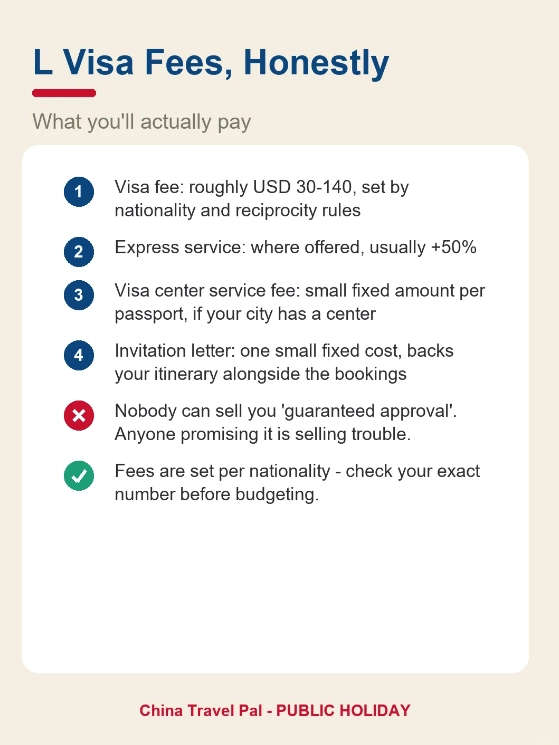
How Much Do You Pay In Total? The Two-Line Bill Explained
Every receipt has two lines. The numbers change by visa type and by country, so treat the table below as a structure, not a quote — confirm the exact figure on your local center's website on the day you book.
| Line Item | Who Receives It | Payment Method | When Charged |
|---|---|---|---|
| Visa fee | Chinese embassy or consulate | Collected by the center on behalf of the embassy | At the counter, after document check |
| Service fee | The application center operator | Mobile payment, cash, or bank transfer depending on the city | At the counter, usually the same transaction |
| Express service fee | The application center | If available, paid through the same channel | Separate counter or same window, ask first |
The trap is the express lane. Many travelers assume the express fee replaces the standard service fee. It does not. You pay the standard service fee plus the express surcharge if you need your passport back faster. I watched one tourist argue about this for ten minutes — the express fee is printed on a separate line, and the cashier will not merge it.
For practical planning, use the visa fee page on your nearest center's website rather than a blog post. Fees are reviewed periodically and are always quoted in the local currency at the counter.
How to Pay at the Counter Without Losing an Hour
Mobile payment wins, but the app must be set up before you walk in. Most centers in Beijing, Shanghai, Guangzhou, and Chengdu accept Alipay or WeChat Pay linked to an international bank card. What they often reject is a physical foreign credit card — especially Visa and Mastercard — for the service fee portion.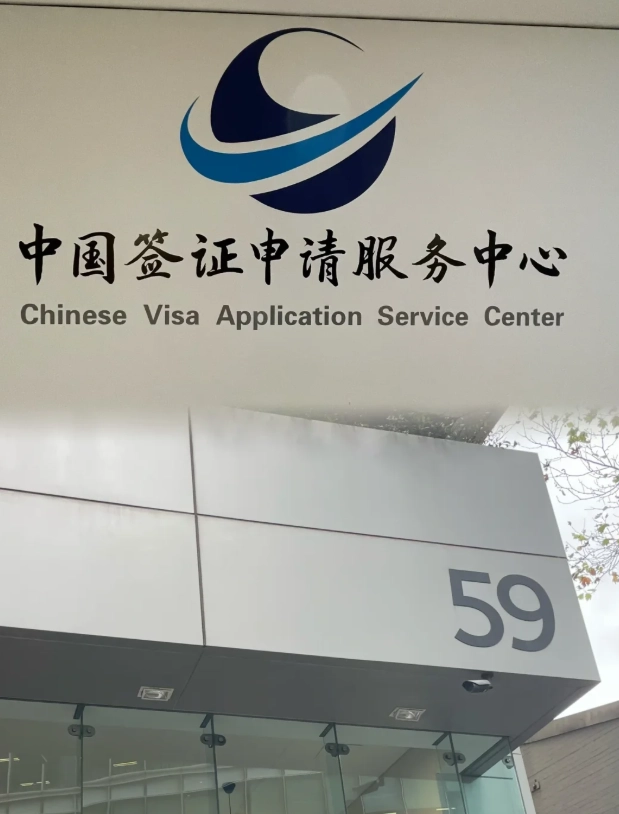
Here is the sequence I tell people to follow:
- Link your international card to Alipay two days ahead and run a small test payment. Do not wait until the counter to discover your card is not supported.
- Bring a small amount of local cash as a backup. It is accepted in many centers, but not guaranteed everywhere.
- Ask the document-check staff whether the service fee can be paid by card before you queue for the cashier. Staff at the help desk usually know.
- Keep your payment app open on the QR screen as you reach the window. You will not have time to log in, verify a phone number, and scan in front of a line of people.
Insider Advice: Some centers require a separate online payment before your appointment, then collect only the visa fee in person. If the website asks you to pay when you book, that is the service fee — screenshot the confirmation page. The cashier will ask for it.
Fees and Costs Nobody Warns You About
The service fee is only one of several costs that stack up. These are the items I see on real itineraries again and again, none of which are part of the visa fee or the service fee:
- Passport photo retakes at the center. Around 40–60 yuan per set, often more than a photo studio outside, and the lighting inside is built for their camera, not yours.
- Courier return of your passport. If you cannot return to pick it up, this is an extra charge paid at the counter, separate from the service fee.
- Document translation or notarization, if your bank statement or invitation letter is not in English or Chinese.
- Travel to the center and back. Peak hours near the Beijing and Shanghai centers mean taxi queues — budget 30 minutes extra each way.
If your trip is tight, use a single-entry tourist visa, submit every document first time, and skip the courier by picking up the passport in person. That is the cheapest legitimate path. Reservations at most centers go through the center's own website, and if the booking page is in Chinese or requires a WeChat mini-program, ask your hotel front desk to help — staff at international hotels in major cities do this weekly and will not be surprised.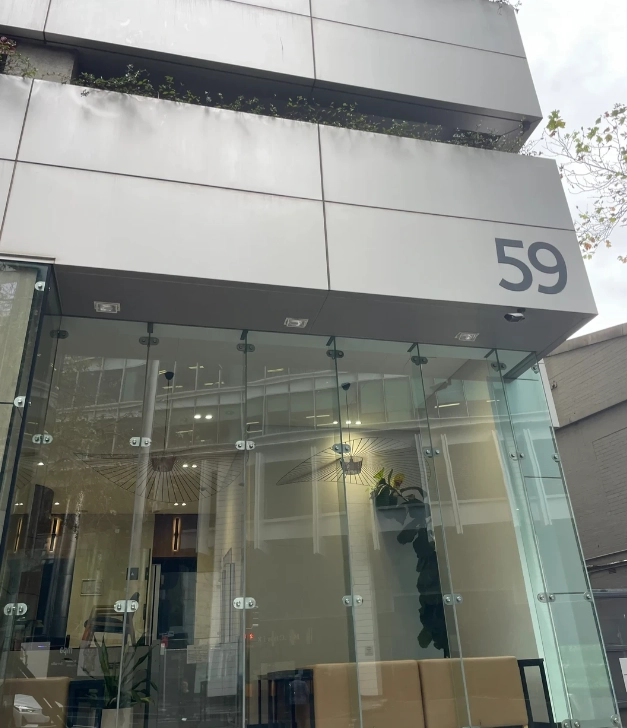
Questions I Get Every Week
Verified and fact-checked by the editorial team. This content has been fact-checked to ensure informational precision.





No comments yet.