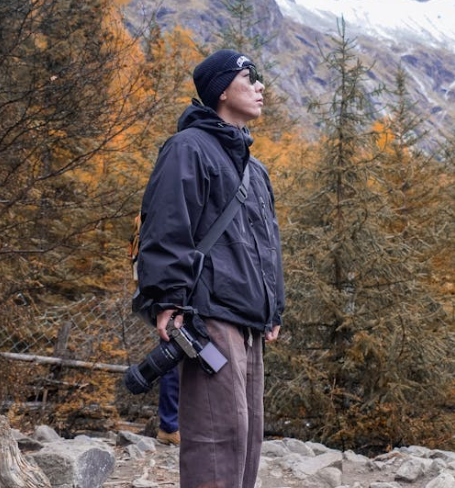
 Gang Zheng
What's Inside This Guide?
- What Are the Top Things to Do in Liaoning?
- How to Plan Your Trip to See the Top Things in Liaoning
- The 7 Best Things to Do in Liaoning
- What to Eat While Exploring Liaoning's Top Sights
- Where to Stay to Maximize Your Time with Top Liaoning Activities
- Insider Tips for Navigating the Top Things to Do in Liaoning
- FAQ: Common Questions About Top Things to Do in Liaoning
Let me start with a confession: I almost dismissed Liaoning as a transit stop. But after living here for years and guiding dozens of travelers, I can tell you this province is a goldmine of imperial history, coastal beauty, and weirdly wonderful nature. The top things to do in Liaoning aren't just museum visits — they're immersive experiences. The catch? Most foreign tourists follow outdated guides and end up exhausted. So here's my honest take: plan around Shenyang, Dalian, and one wildcard — Panjin's Red Beach. And whatever you do, avoid weekends at the major museums.
Now, before we dive in, let me save you some money: always book high-speed rail tickets via 12306 or Trip.com. Walk-up tickets at stations can sell out, and your passport is your best friend.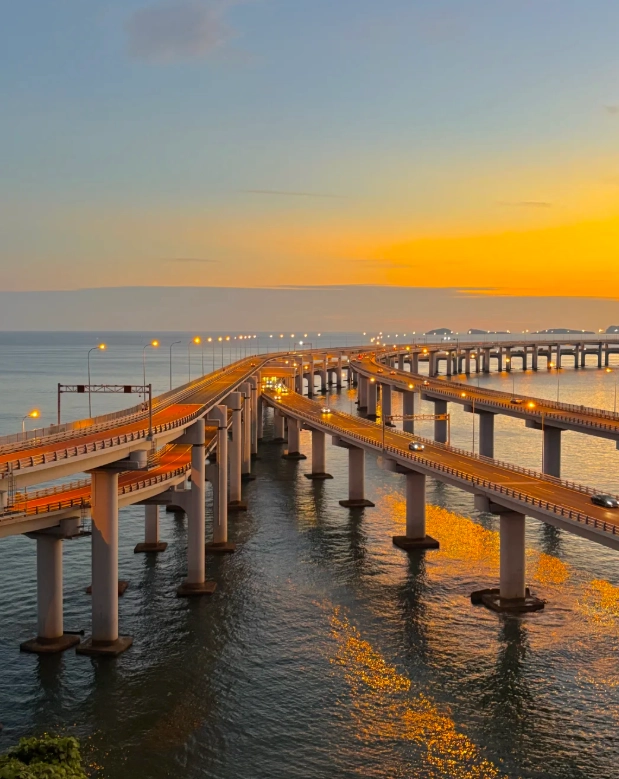
What Are the Top Things to Do in Liaoning?
Liaoning is one of China's northernmost provinces, sharing a border with North Korea. It's a place where Qing dynasty emperors left their mark, where the sea meets cliffs, and where nature paints the landscape in shades of red and green. If you have 5 to 7 days, you can hit the highlights without rushing. But let me be blunt: not every attraction is worth your time. For instance, the 'Mukden Palace' in Shenyang is a must; the 'Zhaoling Tomb' is a nice-to-have. And Dalian's beach in winter? Not so much. So, what are the real top things to do in Liaoning? Here's my curated list, based on years of bringing travelers around.
How to Plan Your Trip to See the Top Things in Liaoning
To maximize your time, I recommend a 5-day loop starting in Shenyang, then heading south to Dalian, and finally east to Dandong (if you have extra days). The high-speed rail network is excellent. Here's a rough comparison of travel times and costs based on my last check:
| Route | Travel Time | Est. Cost (2nd Class) | Best For |
|---|---|---|---|
| Shenyang ↔ Dalian | 2 hours | 170–200 RMB | Coastal scenery |
| Shenyang ↔ Dandong | 1.5–2 hours | 80–120 RMB | Yalu River border |
| Dalian ↔ Benxi | 2.5–3 hours via transfer | 150–200 RMB | Water cave |
For the water cave in Benxi, I usually suggest a day trip from Shenyang or Dalian. But if you're short on time, skip it in favor of the Red Beach. That's just my opinion, but I've seen too many travelers overwhelmed by options.
Here's a sample 5-day itinerary:
- Day 1: Arrive in Shenyang, visit Mukden Palace & local snack street.
- Day 2: Morning at Zhaoling Tomb, afternoon train to Dalian.
- Day 3: Explore Dalian's Binhai Road & Xinghai Bay.
- Day 4: Day trip to Golden Pebble Beach or Lushun.
- Day 5: Take a morning train to Dandong, see the Broken Bridge, return to Shenyang for departure.
But remember, this is a tight schedule. I'd rather you spend 2 days in Dalian than 1. You can always cut Dandong if you're not into border history.
The 7 Best Things to Do in Liaoning
These are the experiences that consistently impress my clients. I've ranked them in order of uniqueness and convenience.
1. Step Inside the Mukden Palace in Shenyang
This is the northern twin of the Forbidden City, and it's far less crowded. Built in the 17th century, it was the home of the early Qing emperors. The architecture blends Manchu, Tibetan, and Han styles — something you won't see in Beijing. The Mukden Palace is part of the UNESCO World Heritage site 'Imperial Palaces of the Ming and Qing Dynasties in Beijing and Shenyang' — see the listing at UNESCO World Heritage listing.
Ticket & logistics: Adult admission is 60 RMB (about 8 dollars), half price for students. You'll need to bring your passport and buy the ticket at the gate or via the WeChat mini-program. I always recommend booking through Trip.com to avoid the Chinese-language interface. Opening hours are 8:30–17:00, last entry at 16:15. Note: it's closed on Monday mornings — many tourists get caught out.
Getting there: Take subway Line 1 to Huaiyuanmen Station, Exit B. Walk north for about 8 minutes — you'll see the red walls. Trust me, don't take a taxi from the airport; it's 40 minutes of traffic.
My insider tip: arrive at 8:15 and head straight to the Phoenix Tower. At 9:00, the tour groups flood in, and you'll have the tower to yourself for that golden hour.
2. Walk the Binhai Road and Xinghai Bay in Dalian
Dalian's coastline is the most accessible urban seaside in Northeast China. The Binhai Road is a 20-kilometer stretch that offers cliffside ocean views, fishing villages, and sculptures. Xinghai Bay is the most iconic spot, with a huge white shell-shaped building (the Oceanarium).
Ticket & logistics: The road itself is free. The Xinghai Bay area is also public. If you want to enter the Oceanarium, it's around 220 RMB for foreigners — a bit pricey, but the dolphin show is decent. For the best view of the bay, head to the Xinghai Bridge observation deck, which is free.
Getting there: Take bus 22 or 23 to Xinghai Square. From there, walk east along the coast. Or hire a bike for about 30 RMB per hour — the flat path makes it easy.
My insider tip: The afternoon sun is harsh. Go at 4 PM, when the light turns golden and the sea breeze picks up. Also, carry a light jacket — even in summer, the sea wind can be chilly.
3. Witness the Surreal Red Beach in Panjin
This is one of the most surreal landscapes I've ever seen. The Red Beach gets its color from a kind of seaweed called Suaeda salsa that turns crimson in autumn. But here's the catch: the 'beach' is actually a wetland, and you can't walk on it. You view it from boardwalks.
Ticket & logistics: Admission plus shuttle bus is about 120 RMB. The red color is best from mid-September to mid-October. Outside that window, it's just green — so plan accordingly. You'll need to buy tickets at the gate or online via Trip.com. The park requires a passport for booking.
Getting there: It's a 2.5-hour drive from Shenyang or Dalian. There is no train, so I recommend a private day trip or a taxi from Panjin city (about 30 minutes). If you're not a confident driver in China, skip driving yourself.
My insider tip: Go early — the park opens at 8 AM. By 10, the tour buses arrive, and the boardwalks get crowded. Also, bring bug spray; the wetlands have mosquitoes, especially in summer.
4. Explore the Benxi Water Cave
This is the longest water cave in Asia, and it's a surreal boat trip through underground rivers. You ride a boat through a 580-meter-long cave lit by colored lights. It's kitschy but unforgettable.
Ticket & logistics: The combo ticket (cave + boat) costs around 165 RMB. Buying through Trip.com is easier. Opening hours are 8:30–16:30. You'll want to bring a light sweater — the cave is a constant 15°C.
Getting there: From Shenyang, take a high-speed train to Benxi (about 40 minutes), then a taxi to the cave (about 30 minutes and 50 RMB). If you're coming from Dalian, it's a longer journey, so I'd suggest doing it as a detour only if you have spare days.
My insider tip: The cave is extremely wet. Please take the provided raincoat, even if you think you won't need it. The boat seats are metal and get slippery. Also, the photo opportunities are limited because of the low light — so put your phone away and just enjoy.
5. Stare Across the Yalu River in Dandong
Dandong is China's border city with North Korea, and it offers a unique window into the world's most isolated country. The Yalu River Broken Bridge is a half-destroyed bridge from the Korean War, and you can walk to the very edge of Chinese territory.
Ticket & logistics: Entrance to the bridge is 30 RMB. You must bring your passport. It's open 8:00–17:00. The nearby Yalu River park is free and offers views of North Korean buildings across the river.
Getting there: From Shenyang, there are high-speed trains (1.5 hours) to Dandong Station. The bridge is a 15-minute walk east from the station. Or take taxi for about 20 RMB.
My insider tip: Most people wander to the bridge, get a photo, and leave. But if you walk south along the riverbank for 500 meters, you'll find a viewpoint where local residents gather to fish and watch the North Korean side. It's a more authentic experience — and you might see defectors' balloons in the sky.
6. Tour the Zhaoling Tomb and Zhang's Mansion in Shenyang
If you have a second day in Shenyang, these two sites give you a deeper dive into Manchu culture and early 20th-century warlords. Zhaoling Tomb is a vast imperial graveyard with pine trees and stone animals — like a smaller, calmer Ming Tombs. Zhang's Mansion — Marshall Zhang's residence — is a stunning mix of Chinese and European architecture.
Ticket & logistics: Zhaoling Tomb costs 50 RMB, including the main hall, and Zhang's Mansion costs 46 RMB. Both require your passport. They're closed on Monday mornings as well, similar to other historical sites.
Getting there: Zhaoling Tomb is at the north end of Beiling Park. Take subway Line 2 to Beiling Park Station, Exit A. It's a 5-minute walk to the gate. For Zhang's Mansion, take bus 215 or a taxi from the city center (around 15 RMB).
My insider tip: At Zhaoling, many visitors miss the underground palace — it's actually a vault that's sealed, but the mound is worth walking up for a city view. At Zhang's Mansion, the garden is often empty — I always have a coffee at the tiny cafe inside the courtyard.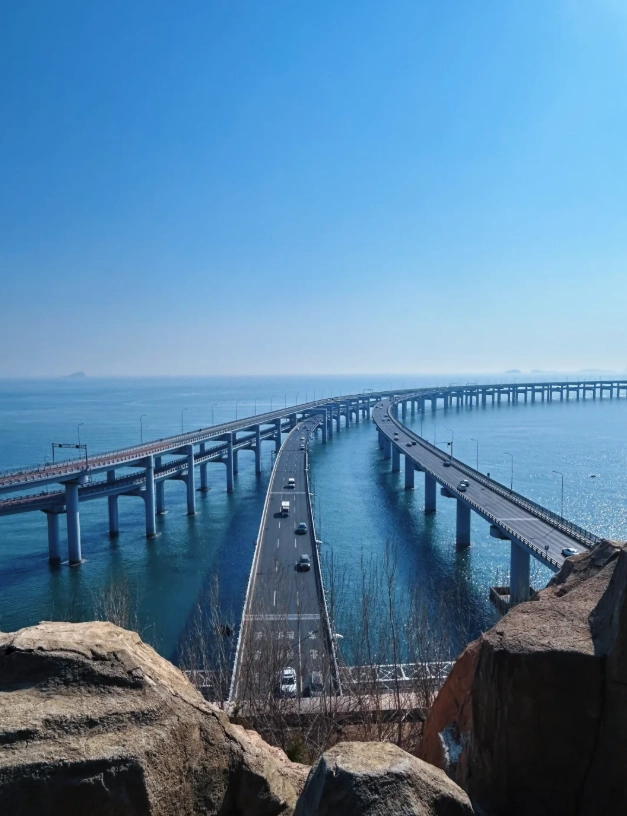
7. Discover the Qing Dynasty Imperial City Wall and Shenyang's Hutongs
Shenyang's old city retains its Ming-Qing charm in unexpected corners. The 1,300-meter city wall remnants near Huaiyuanmen are less polished but more authentic. And the nearby 'Shenyang Palace Museum' area is surrounded by narrow hutongs (lanes) full of small shops and street food.
Ticket & logistics: The wall is free and open 24h. The hutongs are free to explore. I recommend a 2-hour walking loop: start at Huaiyuanmen, walk along the wall, then dive into the lanes between Mallard Square and the lake.
Getting there: Same subway station as the Mukden Palace — Huaiyuanmen Station, Exit C. It's a 5-minute walk.
My insider tip: Don't miss the 'Liaoning Provincial Museum' if you're into regional history — it's 20 minutes away by subway, and it's free (but requires passport and a reservation). The museum has a fantastic display of Qing dynasty artifacts.
What to Eat While Exploring Liaoning's Top Sights
Liaoning's food is hearty and garlic-forward, with a strong Korean influence in Dandong. These are the dishes I always make sure my clients try.
- Guobaorou (锅包肉) — a crispy sweet-and-sour pork dish that originates from Harbin but is perfected here. Try it at 'Lao Bian Dumplings' branch in Shenyang.
- Haidan Jianbing (海胆煎饼) — a Dalian specialty: a crepe stuffed with fresh sea urchin roe. Sounds odd, tastes like the ocean.
- Liaoning BBQ — honestly, the best BBQ in China is in the northeast. Head to 'Shenyang Evening Barbecue Street' near Shifu Square, where skewers cost 3–5 RMB each.
- Korean Cold Noodles (冷面) — in Dandong, the Korean influence is unmissable. Cold noodles with ice broth are a must in summer.
Where to eat: For guobaorou, I recommend 'Lao Bian Dumpling Restaurant' (老边饺子) at 2 Jia, Zhongjie Road, Shenyang. It's famous for dumplings, but their guobaorou is a crowd-pleaser. Average 60–80 RMB per person. Cash or WeChat is accepted; international credit cards usually have trouble.
A note on payments: Almost everywhere in China prefers mobile payments. Download Alipay and bind your international card. I've had clients get stuck when their card wasn't accepted — it's a real pain. If you don't have WeChat Pay, Alipay is easier for foreigners.
Where to Stay to Maximize Your Time with Top Liaoning Activities
I've hosted many travelers and here are the best base neighborhoods, not just hotel names.
In Shenyang: Stay near Qingnian Street or the Shenyang railway station for easy access to metro lines. A mid-range hotel costs 300–500 RMB per night. For a local experience, try the boutique hotels near Huaiyuanmen — you can walk to the palace.
In Dalian: Stay in the Xinghai Bay area if you want sea views, or near Zhongshan Square if you want nightlife. Expect 350–600 RMB for a decent room. Many hotels near Xinghai Bay have ocean-view windows but are farther from the metro.
In Dandong: The Yalu River area is the place to be. A riverside hotel with a view of North Korea costs about 300 RMB. It's worth the splurge.
My personal recommendation: for first-timers, I'd pick the 'Shangri-La Hotel' in Shenyang or the 'Hilton Dalian' — they're foreigner-friendly, have stable internet, and the staff speaks English. But if you're on a budget, the 7-day Inn chain is surprisingly clean.
Here's a quick comparison of three popular hotels I've vetted:
| Hotel | City | Price Range (per night) | Distance to Top Attractions | Best For |
|---|---|---|---|---|
| Shangri-La Hotel | Shenyang | 700–1000 RMB | 10 min to Palace | Luxury travelers |
| Hilton Dalian | Dalian | 600–900 RMB | On the bay, walkable | Couples and families |
| Yalu River View Hotel | Dandong | 250–400 RMB | Facing the river bridge | History buffs |
All of these have stable Wi-Fi, elevators, and English-speaking front desk staff. But remember, prices double during Chinese national holidays — book well in advance.
Insider Tips for Navigating the Top Things to Do in Liaoning
Let me save you from the most common mistakes I see.
1. Don't rely on Google Maps. It's inaccurate and often blocks in China. Download AMap (GaoDe) or use Apple Maps. For taxi, show the driver the Chinese address — I've embedded them below in each section.
2. Bring a power bank. You'll use your phone for navigation, translation, and payments. Battery drains fast when you're outdoors.
3. VPN is not optional. If you need Google, Instagram, or WhatsApp, install a VPN on your phone before you travel. Most public Wi-Fi blocks foreign sites.
4. Avoid national holidays. The week around May Day (May 1) and National Day (Oct 1) are absolute chaos. For the Red Beach, the best season is autumn, but that's also when crowds peak. Book everything in advance.
5. Use translation apps wisely. Baidu Translate can translate street signs and menus via the camera. The Apple Translate app works offline for Chinese, which is a lifesaver.
Pro Tip: When entering a restaurant, show the Chinese characters for your dietary needs. Most places don't have English menus. I always use a translation card with phrases like 'no peanuts' or 'vegetarian'.
For the latest entry requirements, consult the National Immigration Administration.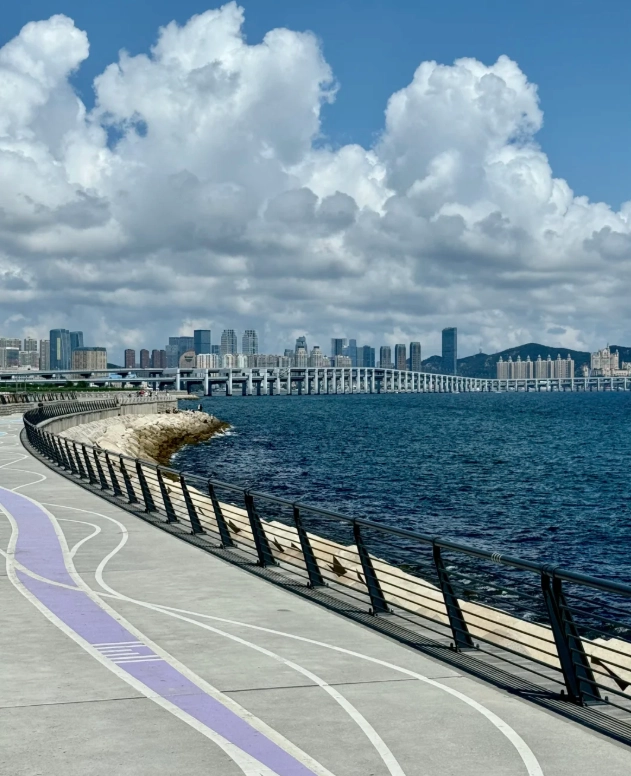
FAQ: Common Questions About Top Things to Do in Liaoning
Verified and fact-checked by the editorial team.





No comments yet.