 Hong Ma
What's Inside This Guide
Nobody warns you about the sky in Xinjiang.
It's a blue so intense it feels fake until you realize it's real. I remember my first visit to Lake Sayram, sitting on a rock for an hour without moving. But most tour groups rush through this huge region in two days, hitting the worst spots at the worst hours. This is not that guide.
After 15 trips here, I've cut through the noise and kept only the places that make my clients gasp. The must see in Xinjiang list below is exactly what I'd show my best friend — no oversold photo ops, no middle-of-the-day sunburn.
You'll find honest ticket prices, transport options that actually work for foreigners, and the small details that save you from rookie mistakes. Start here, plan smart, and you'll have a trip you'll brag about for years.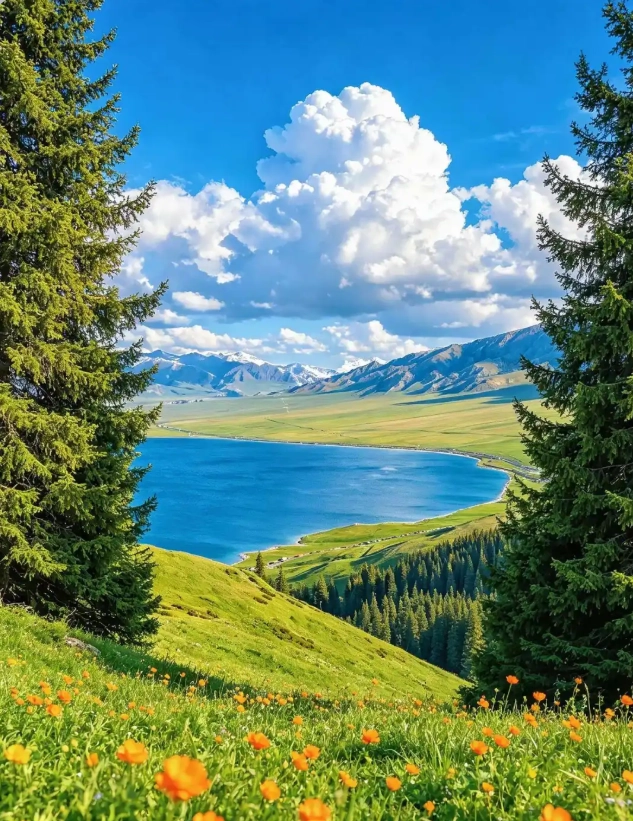
Must See in Xinjiang: The 5 Destinations That Survive First Contact
1. Kanas Lake — Where the Fairy Tale Lives
I'll start with Kanas Lake because it's the one that made me believe in paradise — but also the most complicated to reach.
Location: Burqin County, Altay Prefecture, deep in northern Xinjiang, near the China-Kazakhstan border.
Why it made the list: The water changes color from turquoise to deep blue depending on the sky. The surrounding forest and snow-capped peaks look like a fairy tale. September is magical, but June has wildflowers.
Ticket & booking: Admission + shuttle bus costs around 230 RMB. You MUST book in advance during summer. Foreigners: use Trip.com or ask your hotel to book via the official WeChat mini-program. Your passport is required.
How to get there: Fly from Urumqi to Kanas Airport (about 1 hour) during tourist season, then a 1.5-hour bus to the gate. Or take an overnight train from Urumqi to Beitun, then hire a driver (3 hours, expect 500 RMB). The airport only operates June-October, so off-season you'll need the train.
Best time to visit: Late June to mid-September. July and August are busy; early September offers autumn colors.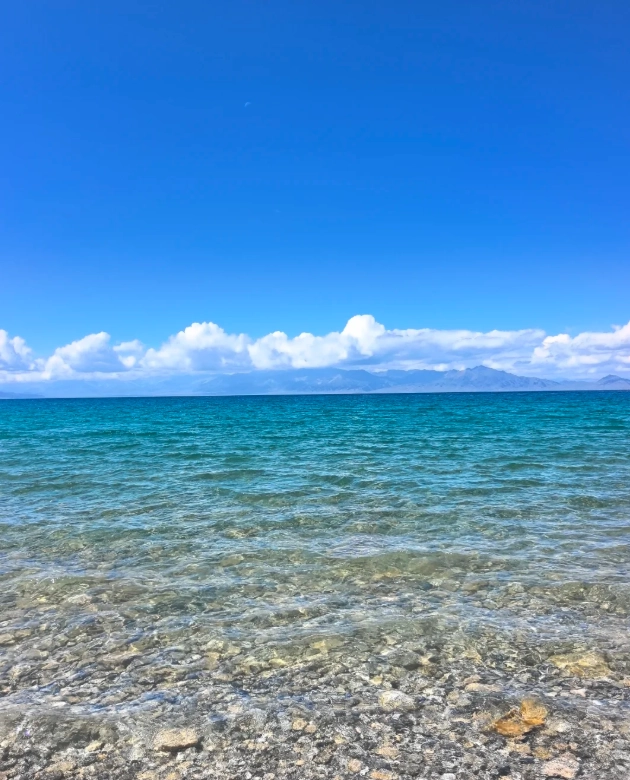
Pro tip: Take the shuttle to Xiham. Skip the Fish Pavilion (观鱼台) if you're short on time — the 1068 steps are brutal and the view from the lakeside is just as good. Also, the ticket queue at noon is insane. Go early, like 8 AM.
My experience: I once stood at the lake in the rain and watched the clouds tear apart to reveal the opposite shore. It looked like a painting coming to life. Keep an umbrella — mountain weather changes fast.
2. Kashgar Old City — The Living Silk Road
Kashgar is the cultural soul of Xinjiang, and the old city is where you feel the Silk Road heartbeat.
Location: The center of Kashgar city, southwest of the Tianshan. Fly from Urumqi (2 hours) or take a train (20+ hours).
Why it made the list: It's not a museum — it's a living neighborhood. People work in their courtyard workshops, kids play soccer in the alleys, and the smell of naan bread fills the air.
Ticket & booking: The old city itself is FREE. You only need your passport for security checks at the entrances. Some specific houses or the morning market may have small fees (10-20 RMB).
How to get there: Taxi from anywhere in Kashgar, just say 'lao cheng' (old city). It's also walkable from the central square.
Best time to visit: Early morning (9-11 AM) for soft light and empty streets. Afternoon gets hot and crowded.
Insider advice: Don't follow the guys offering 'traditional photo tours' with expensive packages. Just wander the alleys. The Sunday animal market (Sunday Bazaar) is a chaotic spectacle — but it's 20 minutes outside town, so book a taxi and agree on a price before getting in.
My experience: A little girl offered me a handful of dried apricots from her family's shop, waving off my money with a grin. That simple kindness stays with me more than any monument. Kashgar is not about ticking boxes; it's about soaking in the rhythm.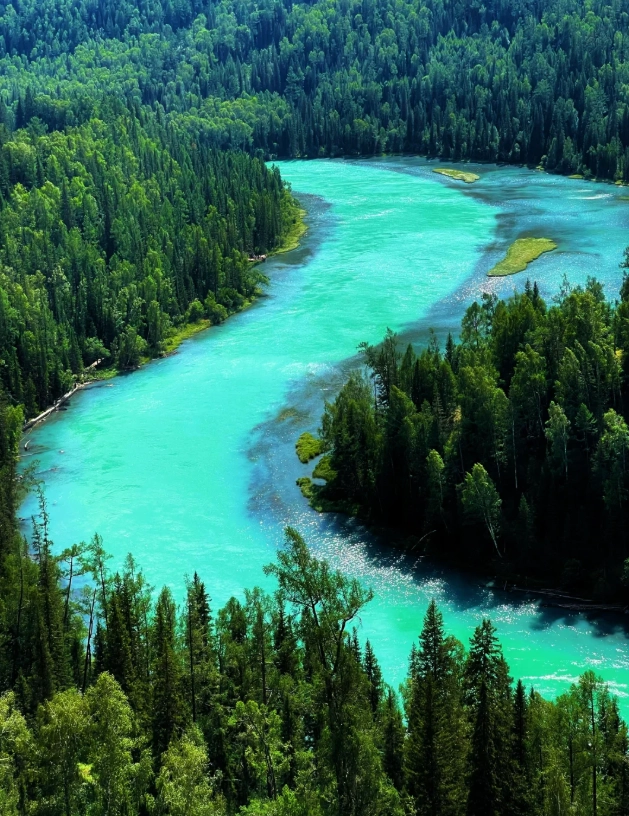
3. Sayram Lake — The Blue Gem of the Tianshan
If you only have time for one lake in Xinjiang, make it Sayram Lake.
Location: Börtala Mongol Autonomous Prefecture, directly north of the Tianshan Mountains. About 140 km from Yining (Ili).
Why it made the list: Known as the 'Pearl of the Tianshan,' the lake's color changes from pale blue to deep sapphire. It's surrounded by rolling grasslands and pine forests, and the road around it is one of the most scenic drives in China.
Ticket & booking: Admission is 70 RMB. The 60-km circle road around the lake often requires a shuttle (about 100 RMB), but you can drive yourself if you have a car with a licensed driver. No advance booking needed for the entrance, but it's smart to book a hotel nearby if you want to stay for sunset.
How to get there: Most travelers come from Yining. Charter a car (300-400 RMB) or take a long-distance bus to the gate. The nearest train station is Jinghe, but you'll still need a taxi.
Best time to visit: May to September. July and August have the greenest grass and wildflowers. The wind is relentless even in summer — bring a windbreaker.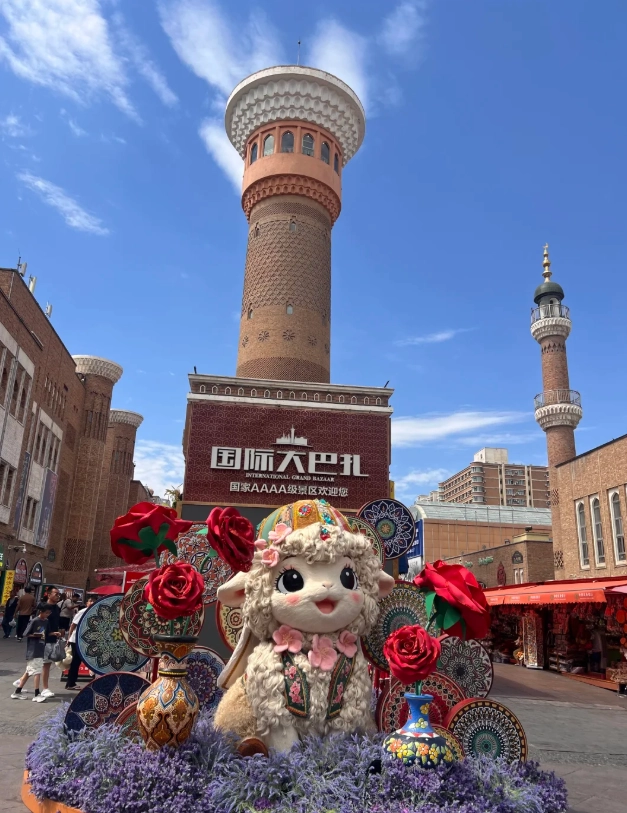
Insider tip: The lake looks best in the late afternoon when the sun hits the mountains from the west. Don't waste money on the viewpoints that charge extra; pull over at the designated parking areas. Oh, and the toilet at the entrance is packed — use the ones inside the resort area.
My experience: I've seen people cry at the view of Sayram in summer. It's not a poetic exaggeration. The mix of high-altitude air and pure silence gets to you. Just remember: the water is glacier-fed, so swimming is only for polar bears.
4. Nalati Grassland — The Sky Meets the Meadow
Nalati is where the sky meets the grass, and it's also a great place to stretch your legs after all that sitting.
Location: Xinyuan County, Yili Prefecture, in Xinjiang's lush western valley. About 180 km from Yining.
Why it made the list: This is one of the 'Four Famous Grasslands' in China. Rolling hills, herds of sheep and horses, and pine forests create a landscape that shifts with every ray of light.
Ticket & booking: Admission is around 95 RMB, plus a shuttle (100 RMB). No reservation needed, but you must take the shuttle. Buy tickets at the gate with cash or Alipay.
How to get there: From Yining, take a bus to Xinyuan (3 hours) then a taxi to the entrance. Or join a day tour from Yining (around 250 RMB). The drive is long but gorgeous.
Best time to visit: June to August, when the grass is green and wildflowers are out. It gets windy; layers are your friend.
Insider advice: The shuttle stops at Bawal. Skip the crowded boardwalk and hire a local horse guide to ride up to the hillside. It costs around 100 RMB for an hour or two — negotiate first, because prices can double during holidays. Also, there's limited shade; bring water and a hat.
My experience: I watched two young women from Shanghai trying to take a selfie with a horse. The horse bit their selfie stick. The local herder laughed, then learned the camera trick and joined the photo. That's the Nalati vibe — unpolished and warm.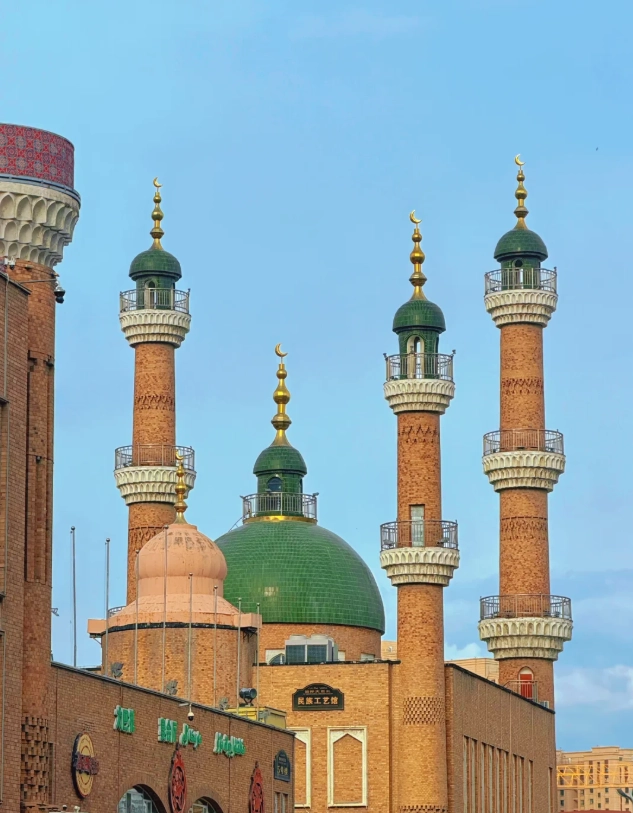
5. Turpan Flaming Mountains — The Unearthly Landscape
Yes, it's a touristy spot, but skip it completely and you'll miss a landscape so weird it feels like another planet.
Location: Turpan Depression, about 180 km southeast of Urumqi. High-speed train from Urumqi in 1 hour.
Why it made the list: The reddish sandstone ridges look like a scene from Star Wars. It's one of the hottest places in China (up to 50°C in summer), and the heat itself is an experience.
Ticket & booking: The scenic area costs 40 RMB, but honestly, you can see the mountains perfectly from the road. Save your money for the Karez irrigation system nearby (20 RMB). No advance booking.
How to get there: Take the high-speed train to Turpan North Station, then taxi to the Flaming Mountains (15 minutes). Or rent a car from Urumqi and make a day loop through Turpan.
Best time to visit: Spring or autumn. Summer is absolutely brutal — don't mess with the heat. If you must go in summer, arrive at 7 AM and leave by 10.
Insider tip: The staff sometimes try to sell you 'special' photo spots that are actually the same view. Don't fall for it. Also, the mountain looks its best in late afternoon when the red glows against the clear sky. Drink water constantly — the dry heat whispers you into losing fluids.
My experience: One client ignored my advice and tried to walk the bare ridge at noon. He lasted 5 minutes and rushed back to the AC. Trust me, there's no embarrassment worse than heatstroke in Turpan.
How to Plan Your Must-See Xinjiang Route Without Losing Your Mind
Here's the truth: you can't see all of the must-see Xinjiang sights in one week unless you fly a lot. The distances are huge — Kashgar to Kanas is roughly a 22-hour drive. So you have two options: focus on one region for a slow trip, or combine two regions with internal flights. Based on my 10-day itinerary, below is the most efficient way to leave nothing off your list.
| Destination | Best Season | Recommended Stay | Ticket (approx) | Transport from Urumqi |
|---|---|---|---|---|
| Kanas Lake | Sep | 1 day | 230 RMB | Fly (1h) + bus 1.5h |
| Kashgar Old City | Apr-Oct | 1 day | Free | Fly (2h) |
| Sayram Lake | Jun-Aug | Half day | 70 RMB | Fly to Yining + 2h drive |
| Nalati Grassland | Jun-Aug | 1 day | 95 RMB | Fly to Yining + 3h drive |
| Turpan Flaming Mountains | Mar-May & Sep-Oct | Half day | 40 RMB | High-speed train (1h) |
Here's the 10-day route I recommend for first-timers:
Day 1: Urumqi — visit Xinjiang Regional Museum to get context.
Day 2: Urumqi to Turpan day trip (return at night).
Day 3: Fly Urumqi to Kashgar (1h), afternoon old city.
Day 4: Full day in Kashgar.
Day 5: Fly Kashgar to Yining via Urumqi (or direct, if available).
Day 6: Drive to Sayram Lake day trip.
Day 7: Drive to Nalati, stay near the grassland.
Day 8: Morning at Nalati, afternoon drive back to Yining, then fly to Urumqi.
Day 9: Fly Urumqi to Kanas (tourist airport only from June-Oct), shuttle to lake.
Day 10: Fly back to Urumqi, leave.
This is tight but doable. Alternatively, skip one region and add buffer. If you have only 7 days, skip Turpan and focus on Kanas + Yili. If you love history, stay longer in Kashgar.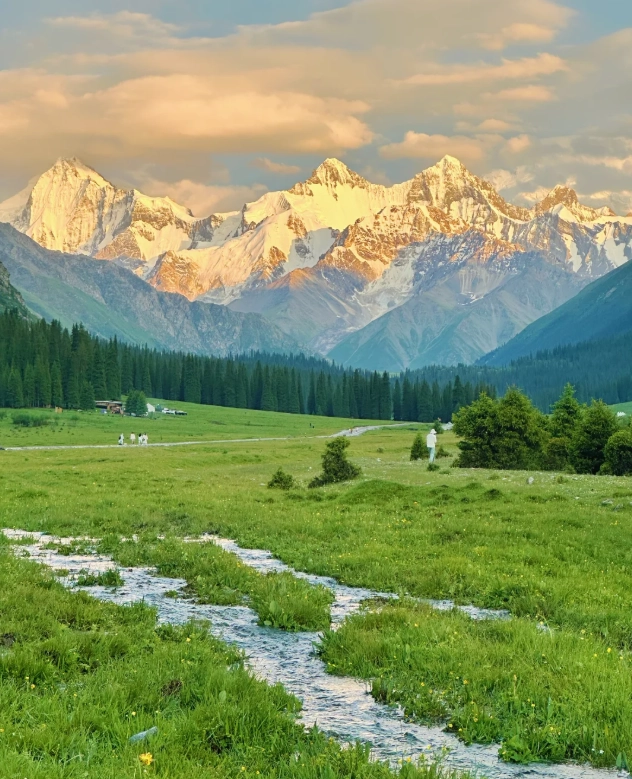
What to Know Before You Visit These Must-See Xinjiang Sites
Visa & registration: You need a valid Chinese visa. Within 24 hours of arrival, your hotel registers you with local police — that's automatic. For some areas near borders (like Taxkorgan), you need a travel permit, but none of the 5 sights above require one. The National Immigration Administration has the official entry rules.
Payment: Use Alipay or WeChat Pay. Foreign cards can be linked, but not everywhere. Carry some cash as backup, especially for small vendors or horse guides. Credit cards are rarely accepted.
Navigation: Google Maps is unreliable in China. Use Apple Maps or AMap (English version). Download offline maps before you head to remote spots.
Booking: For flights and high-speed trains, book via 12306.cn or Trip.com. For attractions like Kanas, book ahead through Trip.com or ask your hotel receptionist — the WeChat mini-program can be a nightmare even for me.
Language: Download a translation app (Apple Translate or Baidu). In big cities like Kashgar, you'll find some English speakers, but in remote grasslands, expect none.
Safety: Xinjiang is extremely safe. Police presence is high, but they're helpful. I've never had a client feel threatened. Just use common sense like you would anywhere.






No comments yet.