 Hong Ma
Quick Guide (Tap to Jump)
- What to Do in Gansu: The Fast Answer
- How to Plan a Gansu Itinerary That Actually Fits
- What to Do in Gansu in 24 Hours: A Lanzhou Sprint
- Why Zhangye Danxia Beats the Hype (and How to Shoot It)
- Is the Mogao Caves Tour Worth It? A Honest Booking Guide
- How to Get Around Gansu: Trains, Buses, and Money-Saving Tricks
- What to Eat in Gansu: A Local's Food Map
- FAQ: Your Biggest Gansu Worries, Answered
Let me be blunt: most Gansu itineraries you'll find online are either too packed or too vague. I've spent six years guiding travelers through this province, and the biggest mistake I see is trying to see everything in a week. That's how you end up spending your vacation on a bus, not actually experiencing anything. — So here is the honest what to do in Gansu: slow down, pick three places, and do them properly. That's the difference between a trip you survive and a trip you'll brag about. In the 24-hour Lanzhou section below, I'll show you exactly how to squeeze the city's best bites into one day without burning out.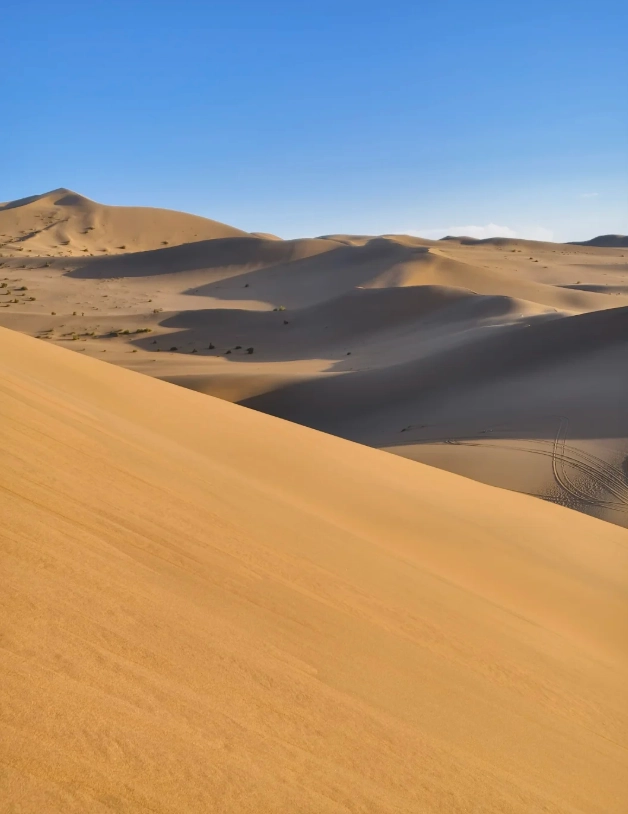
What to Do in Gansu: The Fast Answer
If you only have a few minutes, here's the core plan: fly into Lanzhou, take the high-speed train to Zhangye for the Danxia landforms, then continue to Dunhuang for the Mogao Caves. That's the spine of any Gansu trip. Each stop deserves at least one full day — two if you like slow mornings.
Pro Tip: Don't try to add Jiayuguan unless you're into military history and have a spare half-day. The fortress is impressive, but the transport connection is awkward and the extra detour eats up a whole afternoon for most travelers.
How to Plan a Gansu Itinerary That Actually Fits
Planning a Gansu itinerary is like playing with a map of interconnected cities. The province is narrow and long, so the classic route is linear: Lanzhou → Zhangye → Dunhuang. The high-speed rail makes this feasible, but you need to book tickets in advance through the official China Railway site (www.12306.cn) or Trip.com.
How Many Days Do You Really Need?
For the triangle above, I'd say six full days is the comfortable minimum. That gives you two days in Lanzhou (including a day trip to Bingling Temple), one full day at Zhangye Danxia, and two full days in Dunhuang (Mogao Caves and the Singing Sand Dunes). If you're pressed, you can cut the Bingling Temple trip and save a day.
But here's a counterintuitive tip: skip the night train from Zhangye to Dunhuang. It sounds romantic, but the carriages are old, there's no stable Wi-Fi, and you'll wake up exhausted. Instead, take the early morning high-speed train — it's only a few hours and you'll arrive fresh.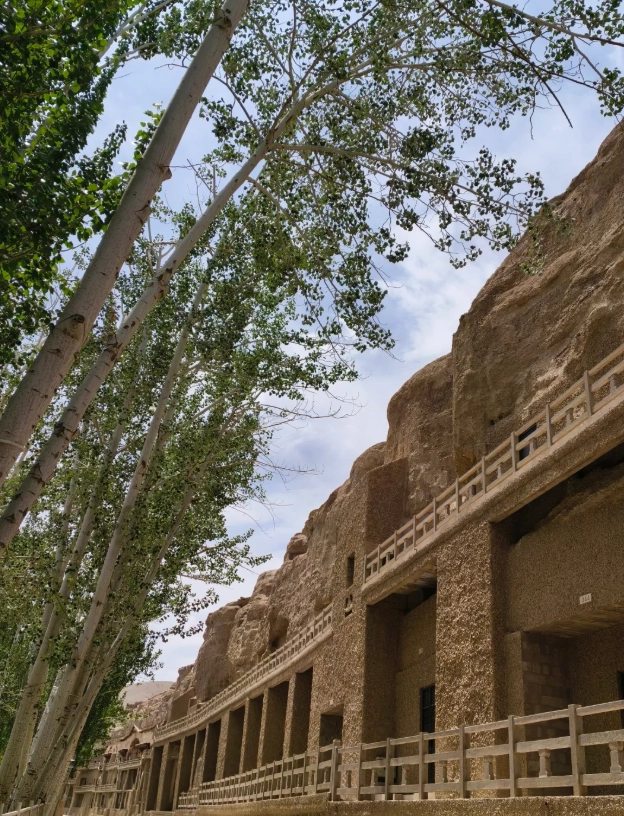
What to Do in Gansu in 24 Hours: A Lanzhou Sprint
If your layover in Lanzhou is short, don't panic. The city is surprisingly walkable along the Yellow River. Start with the Waterwheel Park, then cross the Zhongshan Bridge, and end your day at the night market.
Morning: Riverside Stroll and Noodles
Start at 8:30am with a bowl of Lanzhou beef noodles from a local joint like Ma Zi Lu. The broth is light but savory — definitely not as heavy as you'd expect. Then walk along the river promenade east toward the Waterwheel Garden. It's a ten-minute walk, and you'll see locals playing chess under poplar trees.
Afternoon: Take the Cable Car to Baita Mountain
The cable car station is next to the pedestrian bridge at the west end of the park. The ride costs about 30 CNY round trip, and the view from Baita Mountain shows the whole city winding around the Yellow River. Avoid the crowded viewing platform at the top — walk down 200 meters to the left for a quieter spot with the same panorama.
Evening: Night Market Hopping
Head to Zhengning Road Night Market after dark. It's chaotic, but that's the charm. Try the roasted lamb skewers with a heavy dusting of cumin, and don't skip the local yogurt — it's surprisingly thick and tangy. Carry cash for the smaller stalls; some don't accept cards or mobile payments.
Insider Advice: The cable car usually stops running at 6pm, so do that first. If you're here in summer, wait until after 7pm for sunset over the river.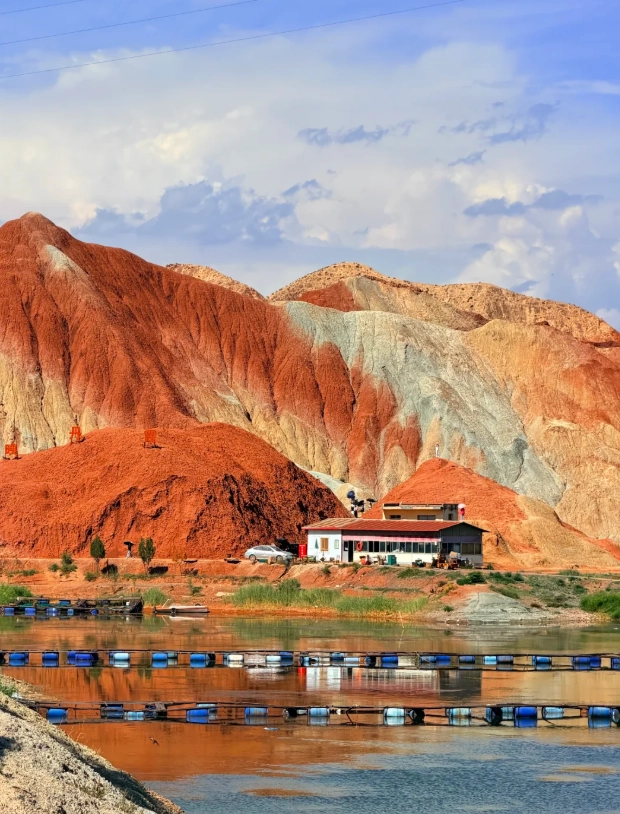
Why Zhangye Danxia Beats the Hype (and How to Shoot It)
Zhangye Danxia is often photoshopped to a cartoon level of saturation. In reality, the colors are more muted — but actually better in person, because they change with the light. The park officially opens at 6:30am in summer, and that's exactly when you should arrive.
Best Time to Be There: Sunrise, Not Sunset
Sunset gets all the hype, but I tell every client to come for early morning instead. The crowds are smaller, the air is clearer, and the soft light makes the striped hills look pastel rather than harsh. By 10am, tour groups flood in, and the wooden walkways turn into a conga line.
The Observation Decks That Matter
There are four main stops on the shuttle bus, but stop #2 and #4 are the money shots. Stop #2 gives you a sweeping view over the rainbow valley, and stop #4 has the famous 'sunset platform' — which is great at dawn too. Skip stop #3: it's a long climb for nearly the same view as #2.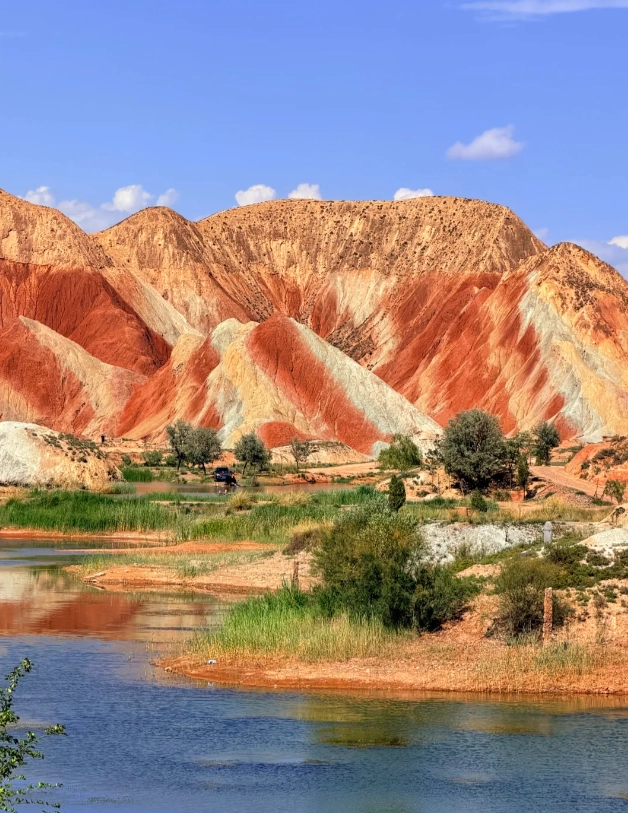
Pro Tip: Bring a wide-angle lens and a small step stool — the railing is high, and everyone stands in the front row. A step stool lets you shoot over their heads without begging strangers to move.
Is the Mogao Caves Tour Worth It? A Honest Booking Guide
Yes, it's worth every yuan — but only if you book correctly. The Mogao Caves limit visitors to 6,000 per day, and digital tickets sell out days in advance during peak season. Here's the catch: the official WeChat mini-program is a nightmare to navigate in Chinese. Use the English-facing Trip.com or Klook to book your slot — you pay a small markup, but it saves hours of frustration.
What Happens Inside the Tour
You'll be assigned to a small group and led by a docent through about 6-8 caves out of 700. The choice is based on a rotation system, so you won't see the most famous ones every day. Don't bring a bag — there's no secure storage, and you'll be juggling your camera while climbing steep ladders.
Insider Advice: The ticket includes a digital film at the visitor center first. Do not skip it — the 3D reproduction of caves #220 and #61 gives you context that makes the real caves far more impressive.
For background on the caves' cultural significance, the UNESCO World Heritage listing at whc.unesco.org is a good starting point.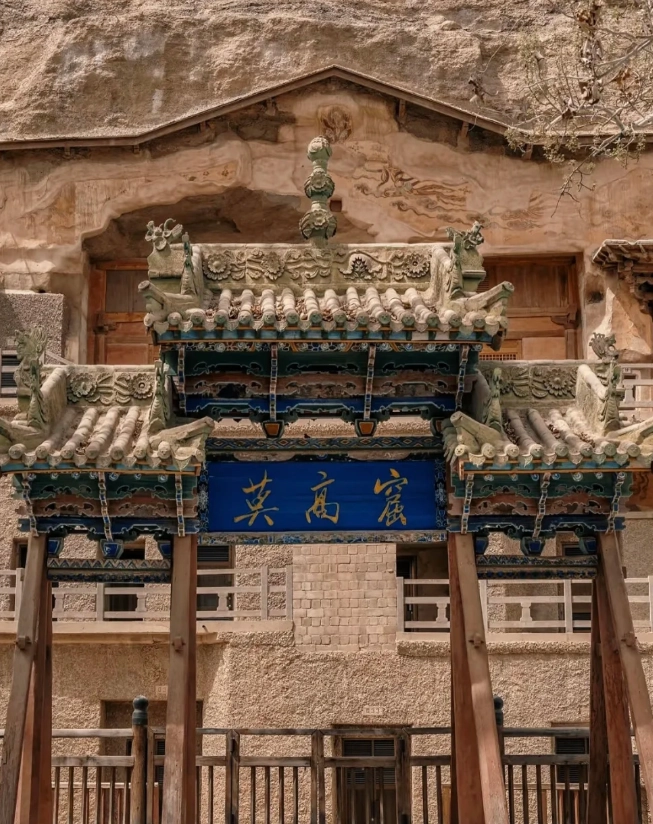
How to Get Around Gansu: Trains, Buses, and Money-Saving Tricks
Public transport in Gansu is actually decent, but you need to know the right word: high-speed rail. The Lanzhou-West Railway runs from Lanzhou to Zhangye and onward to Dunhuang (with a transfer at Liuyuan). Book through the official China Railway site (www.12306.cn) or use Trip.com for an English interface.
Here's the reality check: don't rely on domestic flights between these cities. The airports are far from town, and the security queues eat up more time than the flight saves.
| Mode | Lanzhou to Zhangye | Zhangye to Dunhuang | Best For |
|---|---|---|---|
| High-speed train | 3.5 hrs | 4.5 hrs (with transfer) | Reliability |
| Long-distance bus | 6-7 hrs | 7-8 hrs | Budget travelers |
| Domestic flight | 1 hr (but airport transfers add 2-3 hrs) | N/A (no direct) | Long distances |
Now, about getting around inside cities: Google Maps is unreliable. Download Apple Maps or use the global version of Amap (called AMap Global). For taxis, show the address in Chinese characters to the driver — most drivers don't speak English.
Payment is another hurdle. Many small businesses only accept Alipay or WeChat Pay. Make sure you have your international card linked to these apps before you arrive — you'll be stuck without them.
Also, remember to confirm your visa status with the National Immigration Administration (www.nia.gov.cn) before traveling.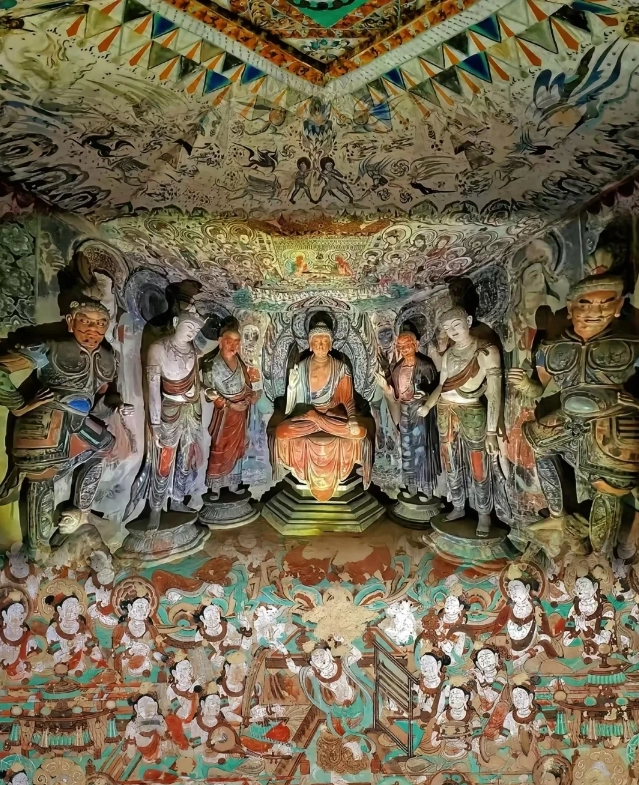
What to Eat in Gansu: A Local's Food Map
Gansu food is all about wheat and lamb. The staple is Lanzhou beef noodles (qing tang niu rou mian) — a clear soup with hand-pulled noodles. Then there's the 'dun danzi' (stuffed lamb intestine) which is an acquired taste, but I love it.
Three Must-Try Dishes and Where
- Lanzhou Beef Noodles at Ma Zi Lu (near the Yellow River). Go before 10am or after 2pm to avoid the lunch rush. A bowl costs around 8-12 CNY. The beef is sliced thin and the chili oil is optional — ask for 'bu yao la' if you can't handle spice.
- Hand-pulled noodles with lamb at Zhangye's Gan Zhou Market. I always ask for 'kuang mian' (wide noodles) with a side of pickled vegetables. The market stall near the east gate is my go-to.
- Apricot peel tea in Dunhuang's Shazhou Night Market. It's sweet, sour, and oddly refreshing after a day in the desert. Pick a stall with a long queue — locals know which one makes it fresh.
Payment tip: These spots all accept mobile payment. Cash works too, but small change is rare — carry small bills.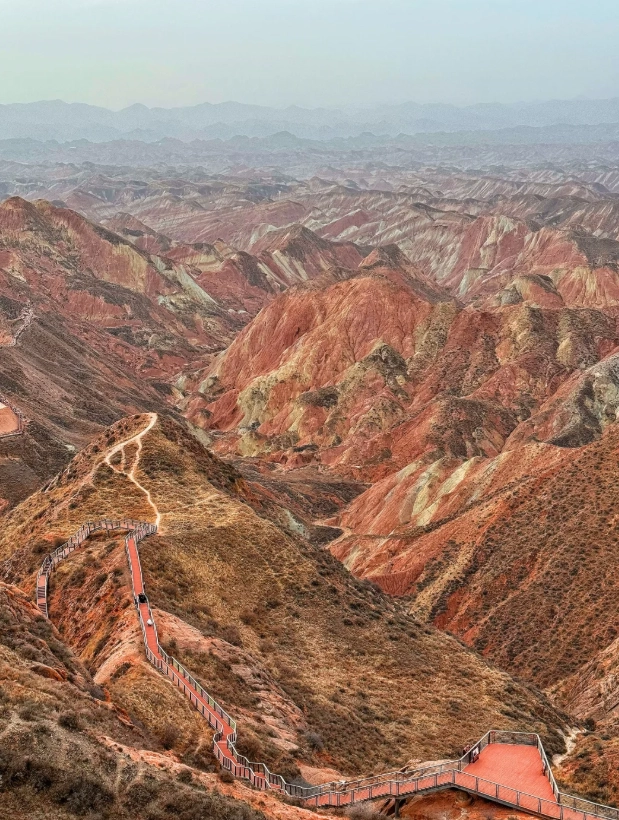
FAQ: Your Biggest Gansu Worries, Answered
This content has been fact-checked to ensure informational precision, based on on-the-ground visits and current official guidelines.





No comments yet.