 Ling Wu
Quick Snapshot: What You'll Learn
Let's be honest—most travel blogs about Guangdong repeat the same tired advice. I've spent years guiding foreigners through this province, and I've seen too many visitors waste a whole day on a 30-minute attraction because they followed the wrong app. The real Guangdong isn't just Canton Tower and dim sum. It's the UNESCO-listed Kaiping Diaolou, the hot springs hidden near Danxia Mountain, and a food culture that varies wildly from Guangzhou to Chaozhou. Here's the hard truth: if you don't plan ahead, you'll miss the good stuff. The biggest mistake? Assuming you can just show up to attractions and buy a ticket. Many require passport pre-booking, and some have morning-only slots. In this guide, I'll share my personal routes, ticket hacks, and the exact times to beat the crowds—based on dozens of trips with real travelers.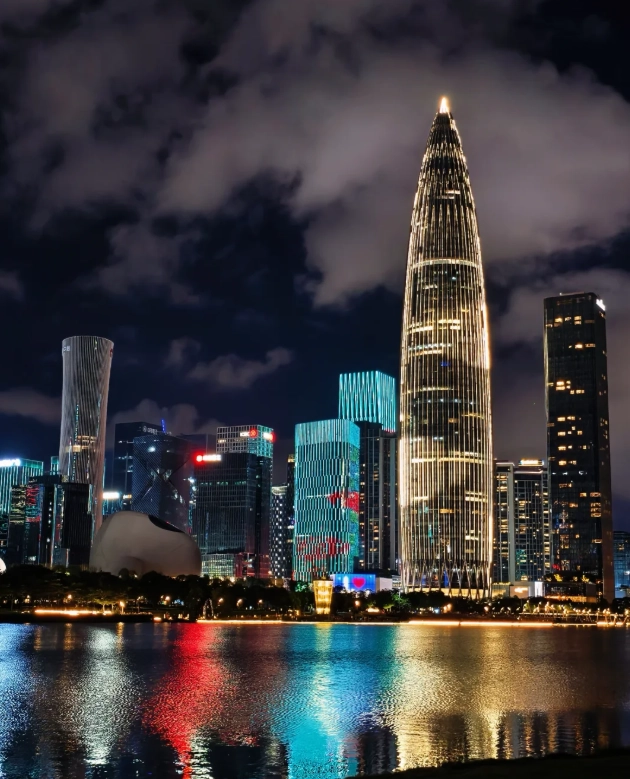
Why Your Standard Guidebook Is Failing You
The Overlooked Gems vs. The Tourist Traps
Most travelers I meet have a copy-paste itinerary from some blog that never actually visited Guangdong. They queue for an hour at Chen Clan Ancestral Hall, then rush to Shamian Island and leave within 20 minutes thinking it's overrated. That's not the site's fault—it's the context. Guangdong rewards slow wandering, but guidebooks treat it like a checklist. The real gems are the alleyways behind Shamian, the morning tea culture at hidden dim sum parlors, or the abandoned military bunkers around Dapeng Fortress.
Take Canton Tower, for instance. Every blog says 'go at sunset,' but they don't tell you that the gondola line peaks at 5 PM. I always tell my clients to book the 7:30 PM slot—you catch the last of the sunset, the lights come on, and the observation deck is half full. Similarly, Chen Clan Ancestral Hall is a masterpiece of stone carvings, but you need to know that the light hits the central courtyard best between 10 AM and 2 PM. After that, the shadows flatten the details.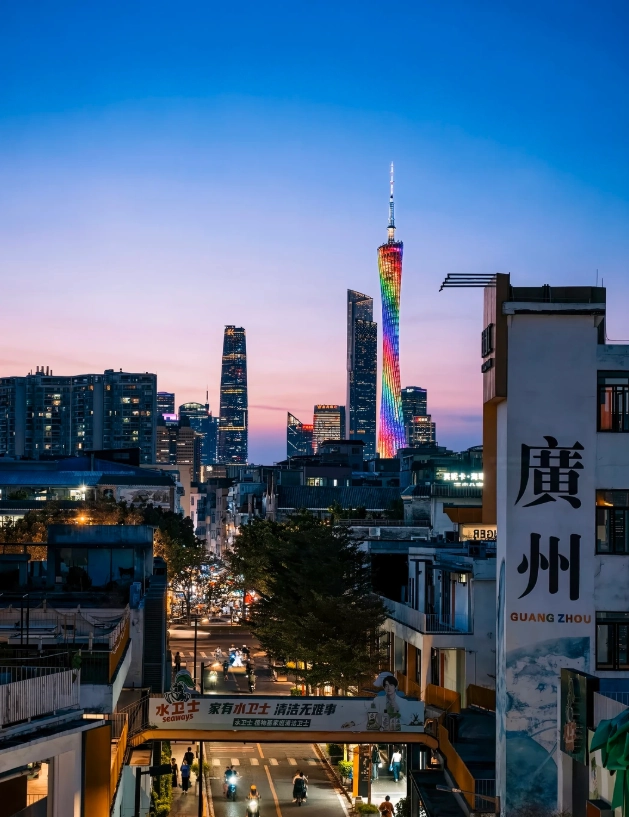
How to Plan a Day Without Google Maps
Google Maps is unreliable in Guangdong—it's simply not allowed to provide accurate data. This sounds harsh, but I've watched countless tourists walk in circles because the pin was 200 meters off. My system is simple: download Amap (i.e., 高德地图) and switch it to English. The English interface has improved dramatically, and it gives you precise walking directions, live bus info, and even tells you which exit to take at metro stations. For backup, I also use Apple Maps, which surprisingly works well in major cities now.
Here's a Pro Tip: before you leave the hotel, screenshot the attraction's name in Chinese characters. Your taxi driver won't understand 'Chen Clan Ancestral Hall,' but they'll instantly know '陈家祠.' Pair this with a quick translation app like Baidu Translate, and you'll never be lost.
The 7 Essential Guangdong Attractions (Ranked by Insider Experience)
1. Canton Tower – Go at Sunset, Not Noon
This is the icon, but it's also the most misunderstood. The tower looks great from the outside, but the view from the top is what you came for. Ticket prices vary: the indoor observation deck is about ¥150, but the outdoor skywalk will set you back ¥228. Visitors with the international passport must pre-book on Trip.com, as the official self-service machines don't accept foreign cards. The address is 222 Yuejiang West Road, Haizhu District. The nearest metro is Exit B at Canton Tower Station on Line 3. Opening hours are 09:30 to 22:30, with last entry at 22:00.
I always recommend the sunset slot for the same reason—the city transitions from day to night without you having to move. Bring a light jacket; the deck is windy even in summer. And don't bother with the glass-bottom observation deck if you're afraid of heights—there's a coffee shop on the 108th floor with floor-to-ceiling windows that gives you 80% of the thrill for 30% of the price.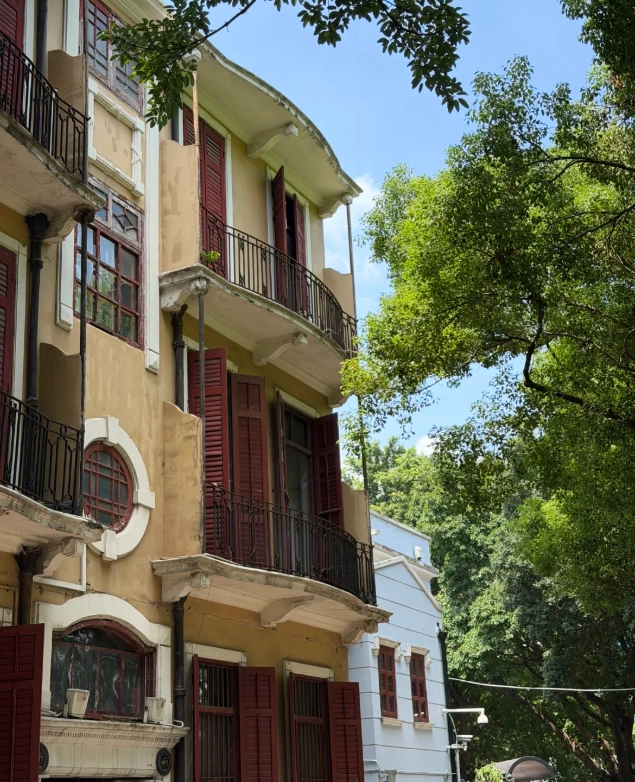
2. Kaiping Diaolou – A UNESCO Masterpiece 90 Minutes Away
Many travelers ask if it's worth the trek from Guangzhou. The answer is a resounding yes. These fortified watchtowers combine Chinese, Roman, and Islamic architectural influences, and they're a UNESCO World Heritage site. The most impressive cluster is Zili Village (自力村), about 1.5 hours northwest of Guangzhou. Tickets cost around ¥100 for a combined pass for several villages, which you should buy at the visitor center. Bring your passport for the physical ticket.
To get there, take a high-speed train from Guangzhou South to Kaiping South (about 35 minutes, ¥60-80), then hop in a local bus or Didi to Zili Village, which adds another 20 minutes. The villages are compact but the pathways are rustic—wear flat shoes. I usually spend two hours at Zili, then another hour at the nearby Jinjiangli Village for its iconic Rui Shi Lou tower. Avoid Mondays when some small village museums close.
If you have limited time, consider a private car with a driver. It costs around ¥800 for a day trip, but it saves the hassle of coordinating train and bus times. I've done this with groups of four, and it works out to the same price as four train tickets plus taxis.
3. Chen Clan Ancestral Hall – The Best Value Ticket in Guangzhou
This is where I bring every guest, and not one has been disappointed. The Chen Clan Academy (陈家祠) is an exquisite example of Lingnan architecture, with finely carved stone doorways, colorful porcelain roof ridges, and intricate woodcarvings that survived the Cultural Revolution by being turned into a storage space. Better yet, it's a museum now, but the ticket is a bargain at ¥10 (children and seniors over 60 get in for free). Opening hours are 08:30 to 17:30, last admission at 17:00. It's closed on Mondays—a fact that still catches people off guard.
Location: 34 Enlong Li, Zhongshan 7th Road, Liwan District. Metro Line 1, Exit D at Chen Clan Ancestral Hall Station. You'll understand why I suggest starting here early:
Morning light filters into the courtyards, making the carvings glow. By late morning, tour groups flood in, and the pathways get cramped. Spend an hour inside, then walk to the adjacent Liwan Lake Park for a calm stroll—locals sipping tea and playing cards there at sunset is a scene you won't forget.
4. Danxia Mountain – Nature's Rainbow on the Northern Border
If you're an outdoor type, Danxia Mountain is the reward for a 2-hour train ride north to Shaoguan. Named for the rosy color of the sandstone cliffs, these landforms look like a giant's playground. The main park gate is at 66 Danxia Street in Shaoguan, and the standard ticket is ¥100 for the scenic area, with an additional ¥40 for the cable car—which I genuinely recommend because the climb to the highest peak, Yangyuan Mountain, takes at least two hours and is brutally steep.
Basics: Take the high-speed train from Guangzhou South to Shaoguan Station (about 45 minutes, ¥105), then transfer to bus line 1 that goes directly to the park entrance (roughly 40 minutes). Once inside, the shuttle buses run every 15 minutes. The most photogenic viewpoint is at Ba Zhen Zhai (八阵寨), but my personal favorite is the lesser-known Sound Drifting Gorge, where you can walk on a suspended bridge—no extra cost, but requires a moderate fitness level.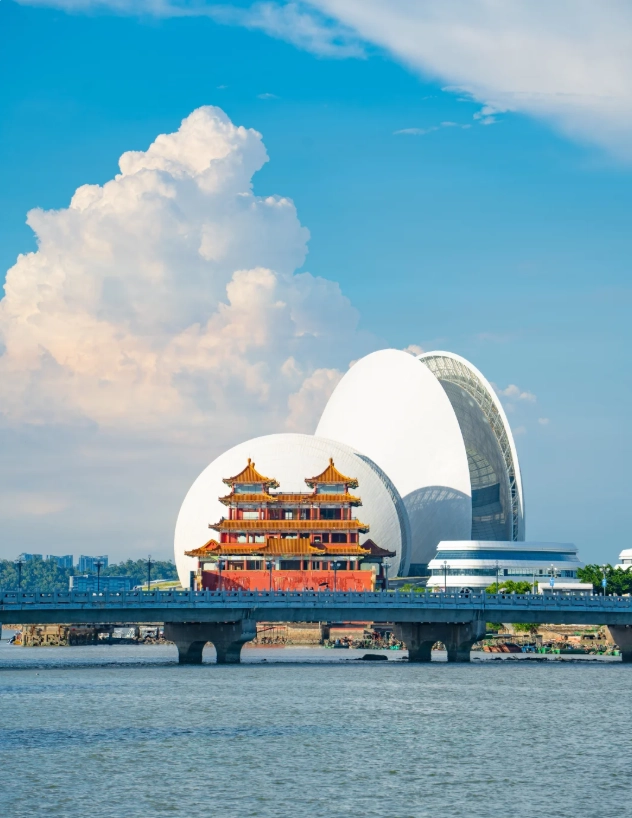
5. Shamian Island – Colonial Charm Without the Chaos
Yes, it's touristy, but there's a trick to making it feel like you discovered it yourself. This tiny island along the Pearl River is a grid of French and British colonial buildings, shaded by centuries-old banyan trees. It's free to enter, and you can wander the historic streets in under an hour if you stick to the main avenues. But the magic happens on the side streets—for example, Yide Road near the island's west end has ateliers where artists restore oil paintings, and they welcome curious visitors.
To get there: Metro Line 6 to Huangsha Station, Exit F, then walk 200 meters to the island's southwest bridge. The best time for photos is early morning (before 9 AM) when the light is soft and the tour groups haven't arrived. I often bring clients to the island at 7:30 AM, grab coffee at a small café called 'Timeless' on Sha Mian South Street, and watch the island wake up.
One thing that catches people: the embassies and consulates on the island—don't try to enter, just enjoy the architecture from the outside.
6. Dapeng Fortress – A Lesser-Known Coastal Escape in Shenzhen
If you think Shenzhen is all skyscrapers, this 600-year-old village will shatter that myth. Dapeng Fortress (大鹏所城) sits on the southeastern coast, about 1.5 hours from Shenzhen's downtown. It's a free attraction, but you do need to register with your passport at the visitor center. The ancient stone alleys have survived dramatically, and you can climb sections of the original city wall. Local families sell freshly made bing tang hulu (candied fruit) and seafood snacks right inside the gates.
Getting here isn't trivial, but that's exactly why it's uncrowded. From Shenzhen North Station, take Line 4 to Shenzhen North, then transfer to bus E11 and get off at Dapeng Town (about 2 hours). I usually recommend renting a car or taking Didi, as public transit eats up time. The nearby Dapeng Peninsula has beautiful beaches—check out Jiao Chang Xu, a quieter strip compared to Da Mei Sha.
Plan for half a day here. The fortress walls at sunset are cinematic, and you'll see local fishermen mending nets along the shore—a slice of old Guangdong that's rapidly disappearing.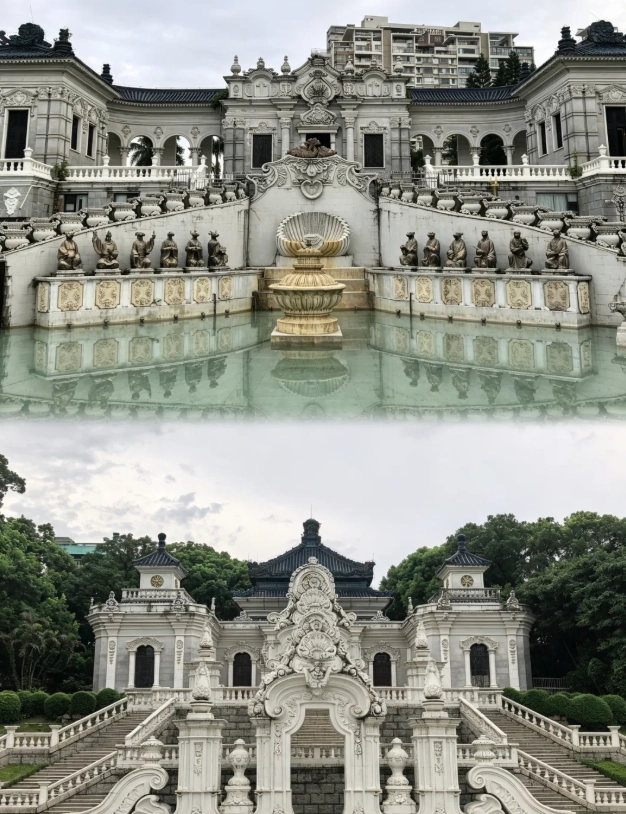
7. Chaoshan Food Walk – The Ultimate Culinary Base
Guangdong is a food province, but Chaoshan (the region around Shantou and Chaozhou) is the real capital. For a traveler, you don't need a specific address—you need to know the neighborhoods. Start in Shantou's Old Town around Xiao Gong Yuan, where a century-old oval-shaped arcade district houses street vendors selling oyster omelets, beef balls, and goose slices. If you're brave, try the 'raw marinated crab'—a seasoning explosion that's best with beer.
But if you're staying in Guangzhou, I always tell my clients to take a high-speed train to Chaozhou (around 2 hours, ¥150) for a day trip. The highlight is the narrow alley behind Kaiyuan Temple, where a humble stall called 'Xiao Wu Beef' serves hand-patted beef balls in a clear broth—the texture is nothing like the rubbery things you get elsewhere. Expect to pay around ¥20 for a bowl, and cash is preferred here; note that many small eateries don't accept cards.
For dessert, head to the Shuangru (double-skinned milk) shop on Aidi Road. It's been open for three generations, and the owner still uses a traditional double-boiling method.
How to Actually Get Around Guangdong (Trains, Taxis, and Payment)
High-Speed Rail Without Chinese Skills
The high-speed rail network in Guangdong is a traveler's best friend, but the ticketing system can be a nightmare. Foreigners must purchase tickets online through official apps, and the process requires a passport and often a Chinese mobile number. Plus, last-minute tickets at stations are rare—you'll usually find a queue of locals buying tomorrow's tickets, not today's.
My workaround is to use Trip.com, which accepts international cards and sends tickets via QR code. Once you have the code, just scan at the gate; no need to queue at the station. Alternatively, use the official 12306 website but it's not English-friendly and will frustrate you.
| Route | Train Time | Approx. Ticket Price | Best Way to Book |
|---|---|---|---|
| Guangzhou South – Kaiping South | 35 min | ¥65 | Trip.com (QR code) |
| Guangzhou South – Shaoguan (Danxia) | 45 min | ¥105 | Trip.com |
| Guangzhou – Chaozhou | 2 hrs | ¥150 | Trip.com |
| Guangzhou – Shenzhen North | 36 min | ¥75 | Trip.com |
Taxi, Didi, or Metro – What I Use Every Time
For city travel, the metro is unbeatable, but once you step out of the core, Didi (China's Uber) is often faster and cheaper than a green taxi. Download the Didi app, switch the language to English, and link your international Visa card—it works with a bit of setup. Cash is accepted in taxis, but the drivers sometimes claim they have no change, so carry small notes. The metro now fares from ¥2 to ¥12, and signs are bilingual, so English speakers can navigate it.
Here's the catch: if you're traveling to remote villages like Kaiping Diaolou, Didi might not be available after 5 PM. I always tell clients to arrange a car through their hotel or book a day tour with a local agency. For Dapeng Fortress, public buses from Shenzhen are the only budget option, and they're slow. Just stick to the plan.
A Perfect 24-Hour Guangdong Itinerary (For Layover Travelers)
Morning: Shamian Island & Chen Clan Ancestral Hall
Start at 7:30 AM at Shamian Island, when the streets are empty and the light is golden. Spend exactly 45 minutes walking the tree-lined roads, then take a Didi to Chen Clan Ancestral Hall (10-minute ride). You'll arrive just as it opens at 8:30 AM. This timing lets you admire the carvings without jostling for space. By 10 AM, you'll be done and have a grown-up appetite.
For breakfast, join the local line at 'Dian Du De' on the corner of Zhongshan Road—their shrimp dumplings are legendary. It's a typical dim sum spot; expect to wait about 15 minutes.
Afternoon: Canton Tower & Pearl River Cruise
After a mid-morning rest, Book your Canton Tower ticket for 1 PM (if sunset doesn't fit). Trust me, the lower floor has a deck with glass floors that give you a swimming-in-the-sky feeling without the afternoon heat. Afterward, take a leisurely 10-minute walk to the Pearl River Ferry Terminal at Huacheng Square for a 40-minute wooden boat cruise. It costs ¥60, and it's the only way to see the city's skyline from water level.
If you prefer culture, swap the cruise for a visit to the Guangzhou Opera House, just across the square. Book a self-guided tour, even if you don't catch a show—the interior is an architectural wonder.
Evening: Beijing Road Food Circuit
This is where you taste everything Guangdong is famous for, in one night. Get off at Metro Line 6 Beijing Road Station, Exit B. Walk north until you see the huge LED screen, then dive into the side alleys. I always hit three stalls in order: the curry fish balls at 'Yide Sheng' (since 1982), the claypot rice at 'Tao Tao Ju' (a branch of the historic restaurant), and for dessert, the coconut milk tapioca at 'Yi Fu Tang'. It's best to go around 7 PM, before the peak queue at 8.
If it's raining, don't worry—Beijing Road has a full canopy over the pedestrian street. But for extreme heat, I skip the outdoor food street and grab a table at 'Yue Xie City,' an air-conditioned restaurant famous for its white-cut chicken and macau pork chops.
Where to Stay in Guangdong – From Budget to Special
Zhujiang New Town – The Modern Hub
This is where I put first-time visitors because everything is walkable. Address: central area around Huacheng Square. Expect to pay ¥700-1,200 per night for a standard room in a 4-star hotel. You'll have neat connections to every metro line, plus endless skyline views. The downside? It's sterile—no neighborhood charm. But you're close to the action, so it's a trade-off.
Xiaozhou Village – Budget Traveler's Artistic Enclave
Just south of Guangzhou's university district, this tiny island village feels like a different world. It's packed with art studios, back-alley cafés, and guesthouses converted from canal-side houses. Rooms range from ¥300-500 per night. The free Wi-Fi is solid in shared spaces, but many rooms have weak signals—ask for a room near the router. To get here: Metro Line 8 to Kecun, then a 20-minute bus or a 10-minute Didi. You trade convenience for authenticity, and it's worth one night.
Dameisha, Shenzhen – Coastal Escape
If you're ending your trip in Shenzhen and want the beach, don't stay downtown. Dameisha offers a year-round seaside promenade and a pleasant breakfast café culture. Prices are moderate: ¥600-900 for a sea-view room. The area has a historical watchtower left from the 19th century, and you can easily catch a bus to Dapeng Fortress from here. Just beware—the beach gets packed on weekends with Shenzhen day-trippers, so book a hotel with a private balcony to escape the crowds.
| Neighborhood | Price Range (per night) | Best For | Metro Access |
|---|---|---|---|
| Zhujiang New Town | ¥700-1,200 | First-timers, luxury seekers | Line 5/APM |
| Xiaozhou Village | ¥300-500 | Budget, creative types | Line 8 + bus |
| Dameisha | ¥600-900 | Beach lovers, family | Bus from Shenzhen |
FAQ: Your Toughest Questions About Guangdong Travel
Fact-Checked by the Editorial Team
Verified and fact-checked by the editorial team.





No comments yet.