 Qiang Huang
Jump Right To:
- First Steps: When to Go and How to Plan Your Fujian Trip
- Top Fujian Tourist Attractions You Can't Skip
- How to Get Around Fujian
- How to Sort Out Payments, Booking, and Apps in Fujian
- What to Eat and Where to Stay in Fujian
- One Day in Fujian: A Realistic Itinerary
- FAQs About Fujian Tourist Attractions
Let me guess. You've got a couple of weeks in China and a pile of conflicting guides. I've spent years hauling travelers around Fujian, and I'll be honest: most lists get it half wrong. They send you to bustling Xiamen, but skip the timeless Tulou and the misty peaks of Wuyi Mountain. And then there's the payment puzzle — your Visa card won't work in most places, so you're stuck with an empty wallet.
So here's my promise: this guide is the result of countless loops — missed trains, rainy days on the coast, and a few spectacular dinners. I'll show you the real Fujian tourist attractions, how to reach them without tears, and exactly where to spend your money. The secret? Start in Fuzhou, not Xiamen. Let's get rolling.
First Steps: When to Go and How to Plan Your Fujian Trip
Fujian is year-round, but the sweet spot is March to May and September to November — you'll dodge the sticky summer heat and the busy Chinese holidays. I always tell my groups to prep before arrival: download Alipay and link your international card, get a VPN for Google Maps and WhatsApp, and carry your passport everywhere — it's your ticket to buy train tickets at the station.
For visas, check the latest rules on the National Immigration Administration website. Most tourists get a 30-day L visa, but don't assume — rules shift.
Top Fujian Tourist Attractions You Can't Skip
Now, the fun part. These are the spots I actually take repeat visitors to — not just the postcard ones.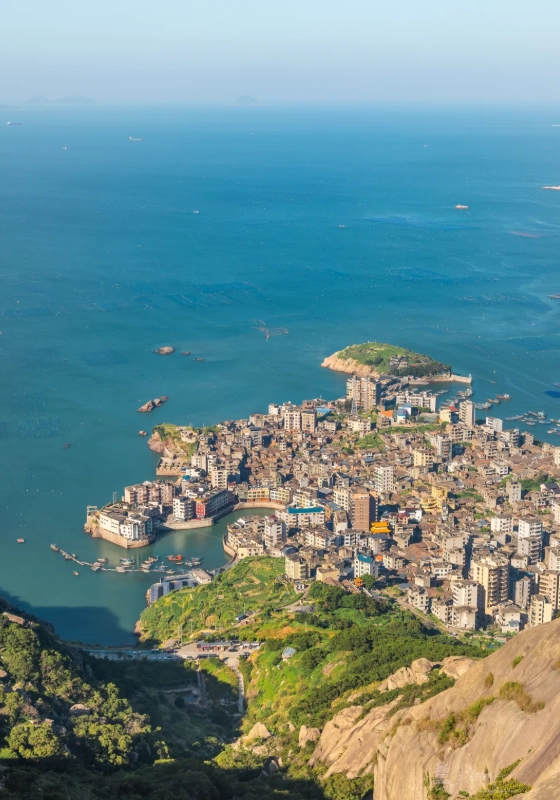
Wuyi Mountain: Where to Drift Through Green
If you see one natural site in Fujian, make it Wuyi Shan. The highlight? A bamboo raft ride down the Nine Bend River — it's a serene 90 minutes of weird rock formations and ancient boat coffins. Get your ticket at the official counter near the entrance. Address: Wuyishan Scenic Area, Wuyishan City. Opens around 8am, last entry around 4:30pm. Pro tip: book the morning raft slot; the afternoon sun is brutal.
Getting there: take the high-speed train to Wuyishan North station, then a 20-minute taxi (around 30 RMB) to the scenic area. Entrance fee is roughly 140-240 RMB depending on the package — check the site directly.
Fujian Tulou: The Earthen Fortresses
These are not "just buildings." A UNESCO World Heritage site, the Fujian Tulou amazes everyone — giant circular or square houses built with rammed earth. I always take people to Nanjing area because it's less commercialized than Yongding. The "Four Dishes and One Soup" cluster is the signature view.
Address: Nanjing County, Zhangzhou City. Open daily from 8am to 5:30pm. Tickets around 90 RMB. Come early — before 9 am — to see locals actually living in the buildings, not just tourists. There are also homestays inside some tulous if you want to wake up to roosters.
Gulangyu Island: A Car-Free Retreat
Xiamen's Gulangyu is famous for its colonial-era villas and people-watching. The ferry ride takes 20 minutes from Xiamen's own pier. Here's a catch: security on the island is tight, and you must book your ferry ticket in advance — do it on Trip.com or your hotel might help you. On the island, no cars, only walking or electric buggies.
Address: Gulangyu Island, Siming District, Xiamen. Ferry from Xiamen International Cruise Homeport (you'll see signs). Ferry tickets around 35 RMB. Stay away from Sunlight Rock if you dislike crowds; instead, walk toward the back alleys for peace.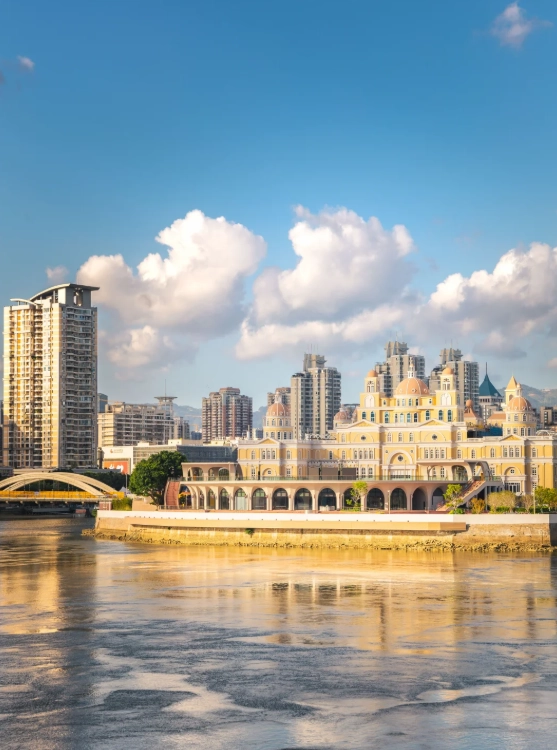
Sanfang Qixiang: The City Museum Quarter
Fuzhou's historic "Three Lanes and Seven Alleys" is a grid of Ming-Qing architecture. It's a big outdoor museum — but better at sunset. I love the tiny noodle shops hidden in the lanes that smell of fish ball soup. Entrance is free for the lanes, but some houses charge a small fee (around 20 RMB).
Address: Nanhou Street, Gulou District, Fuzhou. Lanes open 24/7, but the small museums close at 5pm. Take Metro Line 1 to Dongjiekou Station, Exit B, then walk 5 minutes to the main entrance.
Quanzhou: The Oldest Port on the Maritime Silk Road
Don't skip Quanzhou if you love history. It's a UNESCO heritage site (yes, another one) with a vibe of Persian and Arab influence. The Kaiyuan Temple vibe is unmatched — giant twin towers and a serene courtyard. It's a 1-hour train ride from Fuzhou.
Address: Kaiyuan Temple, West Street, Licheng District, Quanzhou. Open 8am-5:30pm, free entry for the main courtyard. Take HSR to Quanzhou station, then taxi (15 minutes, around 20 RMB).
| Attraction | Best For | Est. Entry Fee | How to Get There |
|---|---|---|---|
| Wuyi Mountain | Nature lovers, hikers | 140-240 RMB | HSR to Wuyishan North |
| Fujian Tulou | Photography, culture | ~90 RMB | Bus from Xiamen/Fuzhou |
| Gulangyu Island | Architecture, casual | ~35 RMB ferry | Ferry from Xiamen |
| Sanfang Qixiang | History, food | Free (some houses) | Metro to Dongjiekou |
| Quanzhou | Culture, temples | Free (temples) | HSR to Quanzhou |
Note: These prices are ballpark. Expect seasonal changes — always verify with the official ticket outlets.
How to Get Around Fujian
Honestly, Fujian's transport is a win. The China Railway's official site lets you book intercity trains with your passport — do it early. Within cities, Didi (China's Uber) is the easiest option for door-to-door. Don't expect to pay with cash — your Alipay linked card should work.
If you're heading to the Tulou area, you have two options: crowded group bus (cheap) or a private driver from Xiamen (around 600-800 RMB for a day). If you ask me, the private driver saves you 2 hours of waiting around.
How to Sort Out Payments, Booking, and Apps in Fujian
Your first job is to get Alipay set up. I'm serious — many places won't accept cash or cards. Link a Visa or Mastercard, and you'll pay like a local. Download AMap Global for navigation; Apple Maps works okay in bigger cities, but AMap is the real deal.
Booking stuff: every major attraction wants your passport number for reservations. If the WeChat mini-program looks impossible, use Trip.com — it's in English and accepts foreign cards. Also, VPN is your lifeline for Google maps and this article.
What to Eat and Where to Stay in Fujian
Food is the part I never plan — I just follow my nose. Do not leave without trying Fotiaoqiang (Buddha jumps over the wall) in Fuzhou — it's a pricey seafood stew that's worth it once. For street food, hit the Nantai Island night market in Fuzhou. Watch for the peanut soup vendors — they're everywhere.
For stays, my picks:
- In Fuzhou, the Ibis Styles Fuzhou Sanfang Qixiang is a cheap, clean base close to the lanes (around 350 RMB/night).
- In Xiamen, choose a hotel near Zhongshan Road — you're walking distance to the ferry.
- In Tulou area, book a room inside the earthen buildings via Airbnb or Trip.com — it's an unforgettable night.
Always confirm that the hotel has stable Wi-Fi and a front desk that speaks English — many don't.
One Day in Fujian: A Realistic Itinerary
Suppose you land in Fuzhou at 8 am. Here's how to squeeze the highlights without losing your mind.
8:30 am — Start at Sanfang Qixiang, wander the lanes, grab a fish ball breakfast. Spend 2 hours.
10:30 am — Take the metro to the West Lake Pagoda (25 mins). 1 hour.
12:00 pm — Lunch at the local noodles stop near the lake. It's cheap and filling.
1:00 pm — Didi to the Fujian Museum (20 mins) to see the Maritime Silk Road artifacts. Closed on Mondays.
3:30 pm — Head back to the old town for a late-afternoon tea. Then grab the 6 pm train to Xiamen (1.5h).
7:30 pm — Dinner in Xiamen at the Shapowei fried seafood stalls.
If it's raining, swap the museum for the Drumming Island area — but you'll need to book ferry tickets early.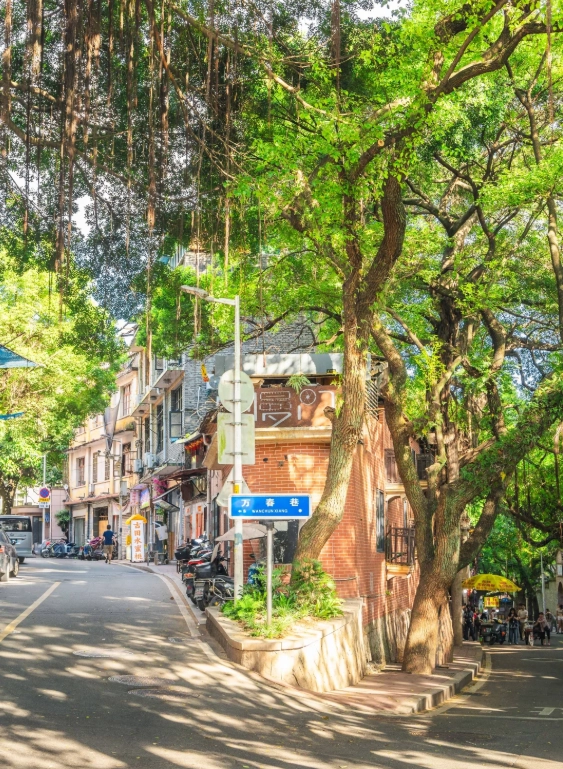
FAQs About Fujian Tourist Attractions
This content has been fact-checked to ensure informational precision.





No comments yet.