 Yan Zhou
Quick Guide to This Post
- Top Things to Do in Zhejiang: Ancient Water Towns
- Top Things to Do in Zhejiang: Natural Escapes
- Top Things to Do in Zhejiang: Culture, Tea & Unusual Spots
- How to Combine the Top Things to Do in Zhejiang in 5 Days
- What Are the Top Things to Do in Zhejiang That Most Tourists Miss?
- Top Things to Do in Zhejiang: Quick FAQ
You’ve likely seen the glossy photos — West Lake’s misty bridges, Wuzhen’s lantern-lit canals. But after years of guiding foreigners through Zhejiang, I know the real adventure hides in the gaps between those snapshots. The top things to do in Zhejiang go far beyond the guidebook staples, and I’m going to show you exactly how to experience them without the chaos.
Here’s the truth: most visitors waste half their trip stuck in ticket lines and bad weather. The fix? Start early. Book every attraction with your passport via Trip.com or official WeChat mini-programs before you arrive, and always carry cash as backup — Alipay works for most, but some small vendors won’t take international cards.
If you only remember one thing, remember this: the best time to see West Lake is before 8 AM — the light is soft, the boatmen are sleepy, and the tourists are still in bed. That’s the Zhejiang I want you to find.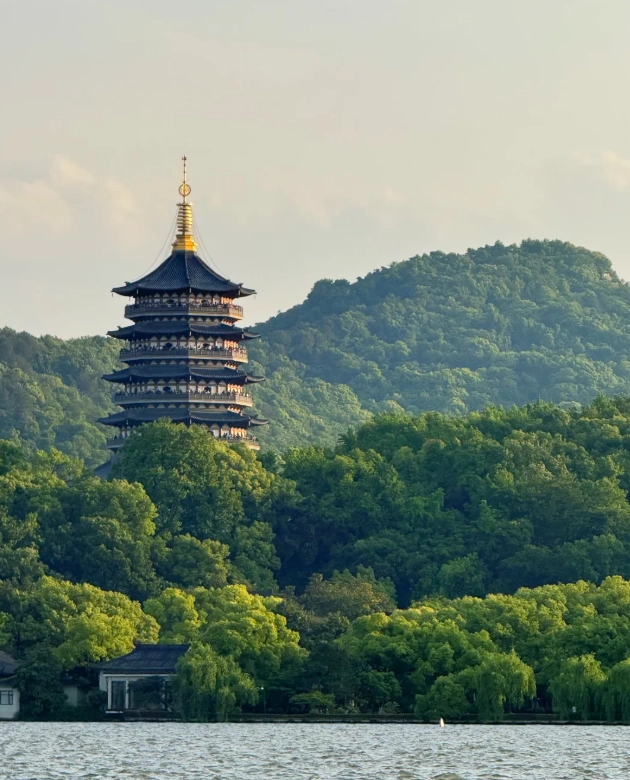
Top Things to Do in Zhejiang: Ancient Water Towns Worth the Trip
Water towns are the postcard soul of Zhejiang. But not all are created equal. Here are the two I keep going back to — and why.
1. Wuzhen — The Quintessential Canal Town
Wuzhen is the most polished of Zhejiang’s water towns — and the most visitor-friendly. The East Scenic area holds a preserved Ming-Qing village, while the West Scenic area is a slicker “night-town” with incredible lighting after sunset. I always send my clients to West first, then East if time allows.
Getting here is straightforward: take a high-speed train from Hangzhou to Tongxiang Station (about 20 minutes), then grab a taxi for the remaining 30-minute ride. Tickets are around ¥150 for the combined East-West pass — but the price changes often, so check Trip.com and book with your passport to skip the queue. The official site accepts foreign cards through Trip.com, so don’t worry about WeChat payment.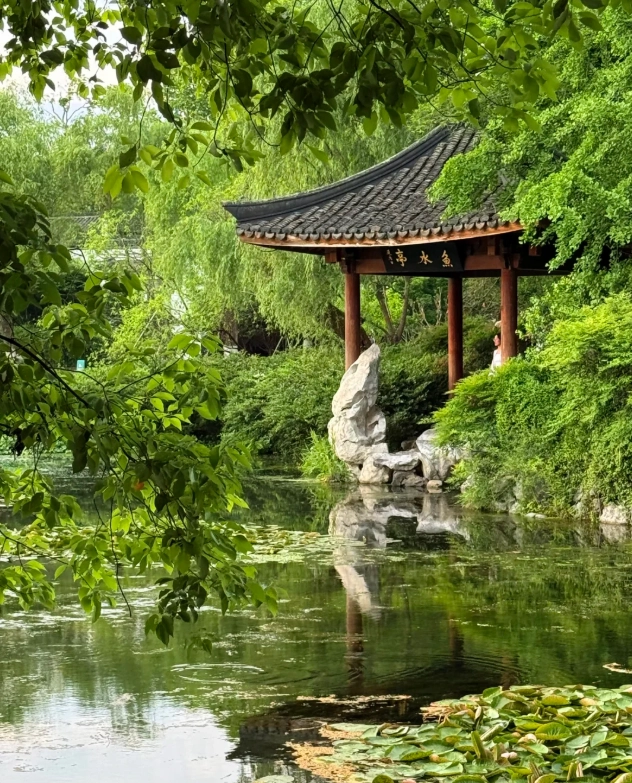
Pro Tip: Skip the food stalls inside West Scenic — they’re overpriced and touristy. Walk out the South Gate and eat with the locals at a small noodle shop on Changning Street.
2. Xitang — The Lantern-Lit Alternative
Xitang is the “wild” water town — fewer rules, more local flavor, and a bohemian nightlife that Wuzhen lacks. It’s about an hour and a half from Hangzhou by bus, but you can also take a high-speed train to Jiashan South Station, then a short taxi ride.
The entrance fee is around ¥100, and unlike Wuzhen, you can stay overnight inside the old town — which I highly recommend. After 9 PM, the red lanterns reflect off the canals and the crowds disappear, leaving you with a magical, almost private experience. Book a riverside guesthouse via Booking.com or 同程 (Tongcheng), and confirm it’s inside the paid area to avoid skipping the ticket.
Insider Advice: If you're a photographer, bring a tripod — the night shots from the ancient Mingdai site are incredible, but arrive by 5 PM to claim the spot.
Top Things to Do in Zhejiang: Natural Escapes
Sometimes you need to trade the crowds for trees, water, and silence. These three natural wonders deliver — if you know where to go.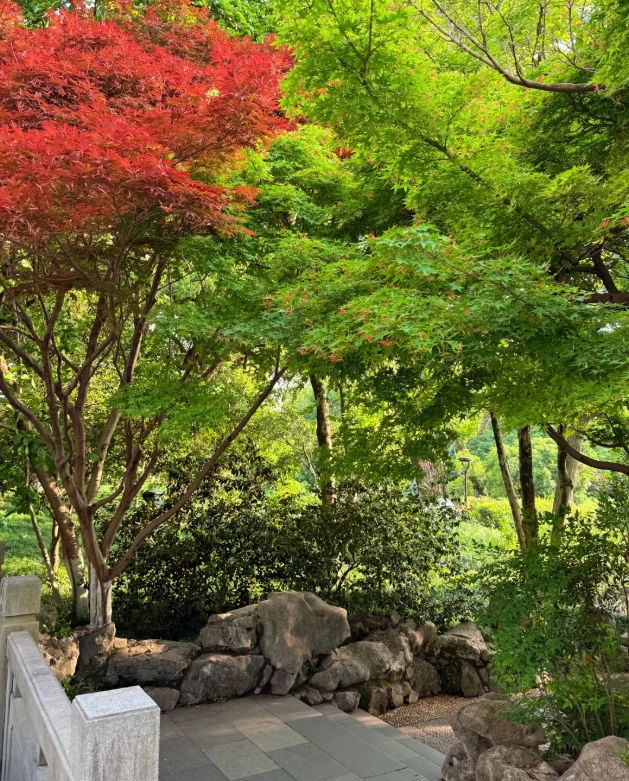
3. West Lake — Walk, Bike, or Boat
West Lake is free to enter and ridiculously scenic — but it's also a magnet for tour groups. The trick is to arrive before 8 AM, when the lake is calm and the morning mist hangs over the water. Rent a bike from one of the many public bike stations (you'll need to download the Hangzhou biking app, or just use a scooter from a sharing service) or take a classic wooden boat ride for around ¥100 per hour.
If you only have a half-day, walk from Broken Bridge to the Su Causeway — about 3 km, with teahouses and photo spots along the way. The most instagrammable angle is from the Xileng Bridge, but that’s now famous, so go early. There’s no ticket required, but you do need to register for large attractions like the pagodas — that’s done via the Hangzhou Tourism WeChat mini-program, which supports English.
Pro Tip: If you want a near-empty West Lake photo at sunset, head to the quieter north shore near Bai Causeway instead of the south.
4. Qiandao Lake — A Thousand Islands for Water Lovers
Qiandao Lake is a hidden paradise for those who love the outdoors — I call it the “Blue Lake” because of its colorized, clean water. Located about 2 hours from Hangzhou by bus or private car, this is the spot to escape the crowds. The lake is actually a reservoir, and you can cruise between islands, hike, or just swim (in designated zones).
Entry to the lake area is free, but boat tours to the main islands cost about ¥150 per person and can be booked at the pier — or better, on Trip.com in advance. Pro tip: skip the “Three Ironfish Island” tour and head straight to Meifeng Island for the best panorama. Bring cash for the island restaurants, as card acceptance is spotty.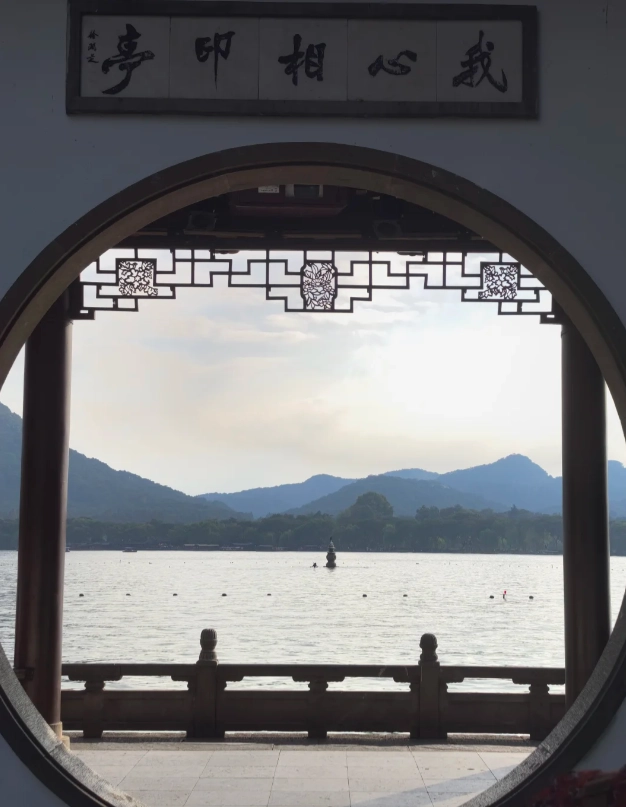
5. Mount Putuo — A Buddhist Island Escape
Mount Putuo is one of China’s most sacred Buddhist mountains — an island reached by ferry from Ningbo or Zhoushan. If you want a blend of spiritual and natural, this is unforgettable. The ferry takes about 40 minutes from Zhoushan's edge, and the island has no cars — you walk or take the island’s shuttle bus.
The entrance fee is around ¥150 (check the official website for up-to-date pricing), and women are allowed to enter the main temples — yes, there’s a myth that women can’t, but it’s false. Plan at least a full day, and stay overnight if you can — the sunset at the top is worth it. Book your ferry ticket online via Trip.com or the official Putuo platform; you’ll need your passport.
Top Things to Do in Zhejiang: Culture, Tea & Unusual Spots
Beyond the obvious, these five experiences give you a real taste of Zhejiang’s quirky, cultural side.
6. Longjing Tea Fields — Sip Where It Grows
The Longjing (Dragon Well) tea fields are China’s most famous tea-growing area — and a perfect day trip from Hangzhou. The village of Longjing is a maze of tea houses and plantations; you can hike the hillside trails and pop into a farmer’s kitchen for a pot of freshly brewed tea. Prices vary wildly, but a pot costs around ¥20-50 per person, depending on the shop. Ask for “young leaves” if you want the most flavorful cup.
To avoid the tourist bus crush, get a taxi to the entrance of the China Tea Museum, then walk east along the public path. The scenery is stunning and you’ll have it mostly to yourself. Payment? Cash is king here — many farmers won’t take anything else.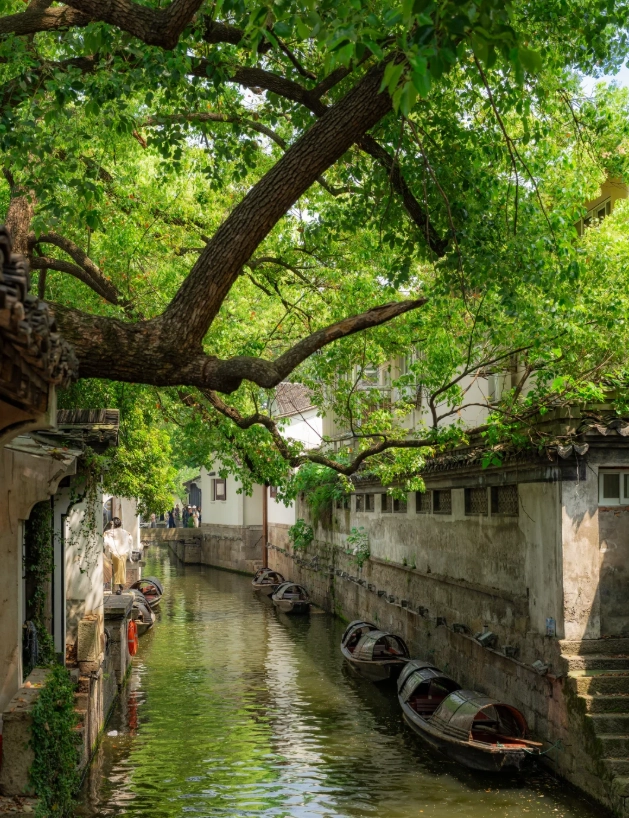
7. Songcheng Park — Time Travel to Ancient Hangzhou
Songcheng Park is a theme park that recreates Hangzhou’s Song Dynasty glory — and yes, it’s a bit cheesy, but it’s also a ton of fun. The highlight is the live show “The Romance of the Song Dynasty”, a massive spectacle with acrobatics and water effects. Tickets cost around ¥280 for the park+show combo; book on Trip.com to skip the line.
Plan just 3-4 hours here, mostly for the show. Arrive at the entrance gate 30 minutes early to get a good seat. Skip the costume rental — it’s overpriced unless you’re a photographer.
8. Qiantang River Tidal Bore — Nature’s Spectacle
The Qiantang River tide is the world’s largest tidal bore — a wall of water that races upstream at up to 25 km/h. It happens on the 18th day of the 8th month of the lunar calendar, but there are smaller tides every few days. Check the official tide schedule before you go; don’t trust random blogs.
Best viewing spots are in Haining (near the old town) or the new Jianggan area. Public transport is tricky — you’ll likely need a taxi from Hangzhou, which takes about an hour and costs around ¥200. Bring rain gear, because the spray can be intense. The spectacle itself is free, but you’ll need to navigate to the seawall safely.
9. Shaoxing — The City of Scholars and Wine
Shaoxing is a lovely low-key prefecture-level city that gives you a real taste of old China — think white-walled courtyards, canal bridges, and the famous yellow wine. The Lu Xun Memorial is a must for literary fans; it’s free and well-signposted. For wine lovers, visit the 咸亨酒店 (Xianheng Hotel) for a traditional “Yellow Wine” tasting — a half-bottle will set you back about ¥20. The city is an easy hour-long high-speed train ride from Hangzhou East Station.
Spend the morning at the Lu Xun area, then rent a bike to explore the old city walls. It’s one of the few places where you can still see everyday postcard scenes without hordes of selfie sticks. A half-day is enough, but if you can, stay for the evening when the lanterns come out.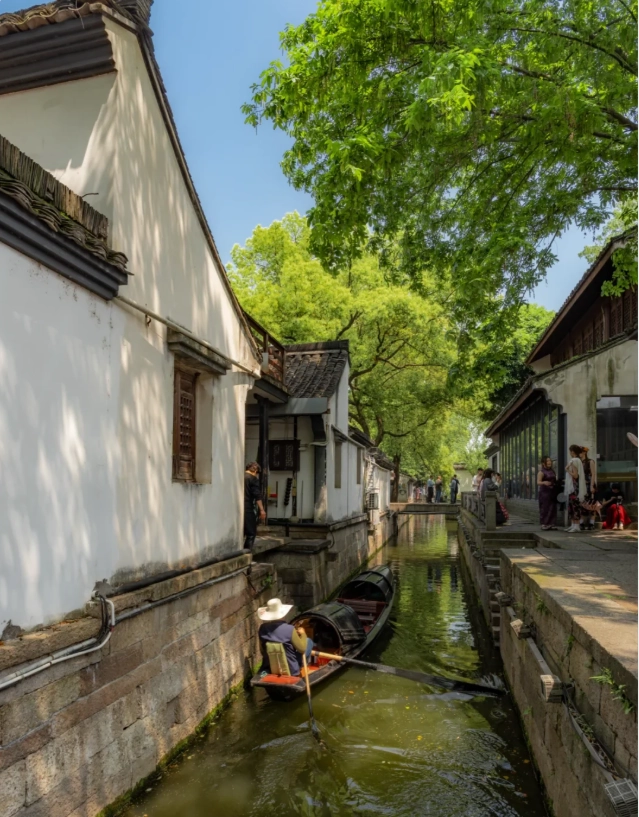
10. Hengdian World Studios — A Hollywood East
Hengdian World Studios is the largest film studio in China — often called “Chinawood” — and you can literally walk through recreated versions of ancient palaces, streets, and battlefields from your favorite films. It’s about a 2-hour drive from Hangzhou, or you can take a high-speed train to Yiwu then transfer. The entrance fee varies by zone; the “Qin Palace” zone is usually the most impressive. Expect to pay around ¥150 per zone, and you’ll need a full day to see more than one.
This is not for everyone — it’s a constructed attraction, not authentic history. But if you love film or want dramatic photos, it’s a blast. Check the official website for schedule changes, and purchase tickets via Trip.com using your passport.
How to Combine the Top Things to Do in Zhejiang in a 5-Day Itinerary?
After years of testing routes, here’s the most efficient 5-day plan that hits the highlights without soiling you. The secret? Base yourself in Hangzhou and use day trips for the rest — the high-speed rail network makes everything under 1.5 hours away.
| Day | Morning | Afternoon | Evening |
|---|---|---|---|
| 1 | West Lake (early walk) | Longjing tea fields | Songcheng Park (show) |
| 2 | Wuzhen (high-speed rail to Tongxiang) | Wuzhen West Scenic area | Overnight in Wuzhen (optional) |
| 3 | Xitang or Shaoxing | Xitang or Shaoxing | Back to Hangzhou |
| 4 | Qiandao Lake day tour | Cruise & lunch | Return to Hangzhou |
| 5 | Qiantang tide (check schedule) | Haining old town | Last-minute souvenir shopping |
If you only have 3 days, cut the lake and tide, and focus on Hangzhou + Wuzhen + one water town. You won’t regret the slower pace.
Insider Advice: For the Qiantang tide, always check the official tide times (available on the Hangzhou tourism app) before booking transport. The tide isn’t impressive every day.
What Are the Top Things to Do in Zhejiang That Most Tourists Miss?
Every traveler knows about West Lake, but these under-the-radar spots are where I send my smartest clients.
Nanxun Water Town — Unlike Wuzhen and Xitang, Nanxun remains refreshingly uncommercialized. You’ll see real residents unloading boats, and the ticket is just ¥85. It’s slightly farther from Hangzhou (about 2 hours by bus), but worth it for the authentic vibe. Take the morning bus from Hangzhou North Station to Huzhou, then a local bus to Nanxun.
Moganshan Mountain — A century-old summer retreat for Shanghai’s elites, Moganshan is now a quiet retreat with bamboo forests and stone villas. Perfect for a scenic hike or bike ride. From Hangzhou, take a public bus to Wukang (大约1.5小时), then a taxi up the mountain. Entrance is around ¥80.
Night Cycling on Hangzhou’s Greenway — This is free, but almost no tourists do it. Rent a shared bike (you’ll need the Alipay Hello-Bike app, which works with a foreign card) and pedal along the north shore of West Lake from 10 PM to midnight. The city is calm, the streets are lit, and the experience is pure magic.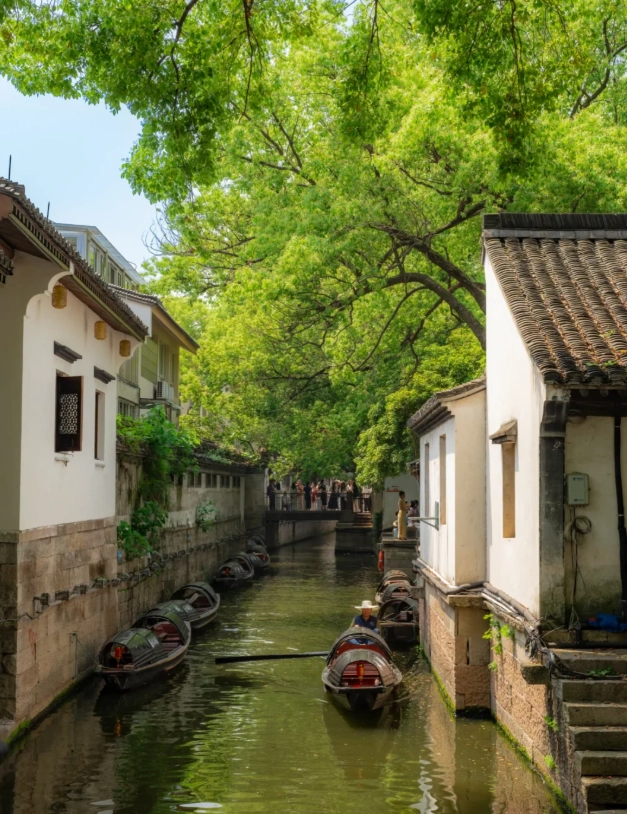





No comments yet.