 Hong Ma
Jump to the Good Stuff
- Why Gansu is a Must-See on Your China Trip
- How to Plan a Must-See Gansu Itinerary
- The 7 Must-See Attractions in Gansu
- How to Get Around Gansu Without a Car
- Must-Eat Gansu Dishes and Where to Find Them
- Where to Stay for a Gansu Must-See Trip
- Foreign Traveler Tips for Gansu: Payments, VPN, and Booking
- Must-See Gansu: FAQs
Here's the thing—most travelers hit Beijing and Xi'an, then fly home. They completely miss Gansu. But this province holds some of China's most dramatic landscapes and deepest history. I've guided dozens of foreigners through here, and the ones who skip it regret it.
The biggest mistake I see? Visitors cramming Dunhuang and Zhangye into two chaotic days, or showing up to the Mogao Caves without a reservation and getting turned away. That's why I'm writing this route—so you can see the real must-sees in Gansu with confidence, not confusion.
Here's my advice: book Mogao at least a week ahead. Show up at 8 AM. That single decision will save your entire trip.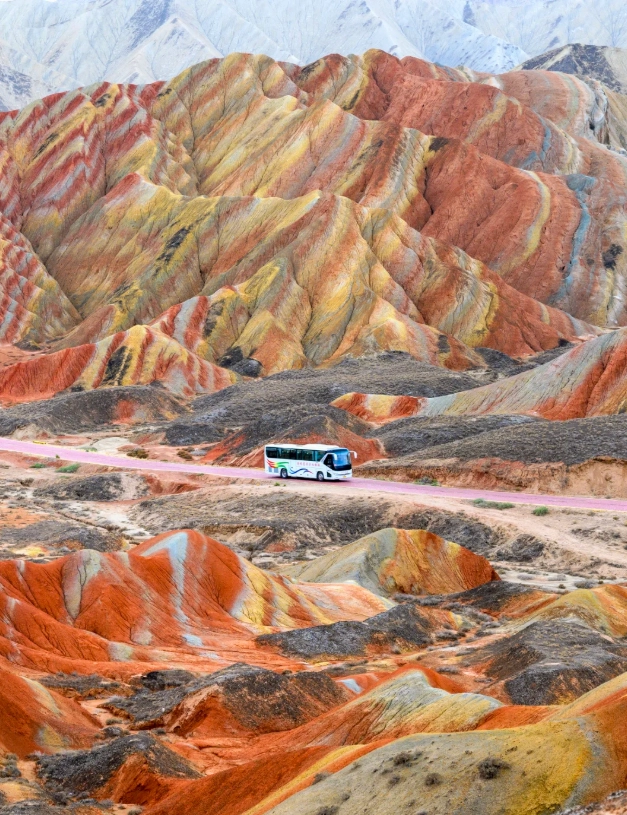
Why Gansu is a Must-See on Your China Trip
Gansu is the narrow province that stretches over 1,500 kilometers along the ancient Silk Road. It's a geography where the Tibetan Plateau meets the Gobi Desert, creating a surreal mix of snow peaks, grasslands, and sand dunes. For me, the real draw is the cultural depth: Buddhist grottoes, desert fortresses, and the birth of Chinese Buddhism.
The UNESCO World Heritage listing for the Mogao Caves calls it the 'largest, most richly endowed treasure house of Buddhist art in the world.' And it's not just about Dunhuang—the entire province is a living museum.
If you only see the Great Wall in Beijing, you're missing the fortress at Jiayuguan, the westernmost section—a place where the wall literally ends in the desert. Add in the rainbow-colored mountains of Zhangye, and you have a trip you won't see anywhere else.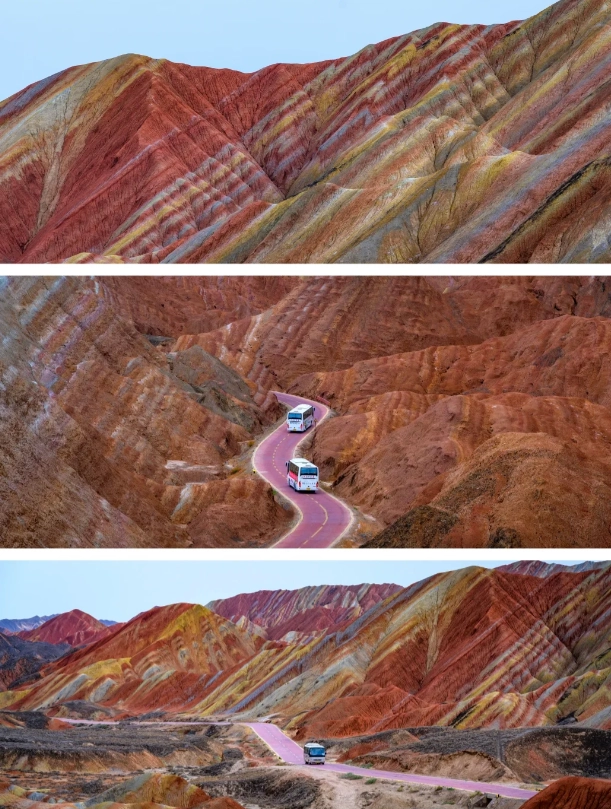
How to Plan a Must-See Gansu Itinerary
The sweet spot for a first-time Gansu trip is 7 to 10 days. More than that and you'll be exhausted; less and you'll have to cut corners. My standard route starts in Lanzhou (the provincial capital) and heads west to Dunhuang, before doubling back to the east. Here's how it breaks down:
- Day 1-2: Lanzhou – explore the Yellow River, Baita Mountain, and eat a giant bowl of beef noodles.
- Day 3-4: Dunhuang – Mogao Caves, Singing Sand Dunes, and the oasis town.
- Day 5: Jiayuguan – the fort, overhanging Great Wall, and the 'First Pier'.
- Day 6-7: Zhangye – the Danxia landform and the giant Buddhas.
- Day 8-9: Xiahe – Labrang Monastery for Tibetan culture.
- Day 10: Tianshui – Maijishan Grottoes (if you're a cave completist).
This route follows the rail line, so you can take trains between most stops. I always recommend flying into Lanzhou and starting there—it's the easiest entry point with domestic and some international connections.
For a 5-day version, I'd skip Xiahe and Tianshui and just do Lanzhou, Dunhuang, Jiayuguan, and Zhangye. You'll still see the headline acts.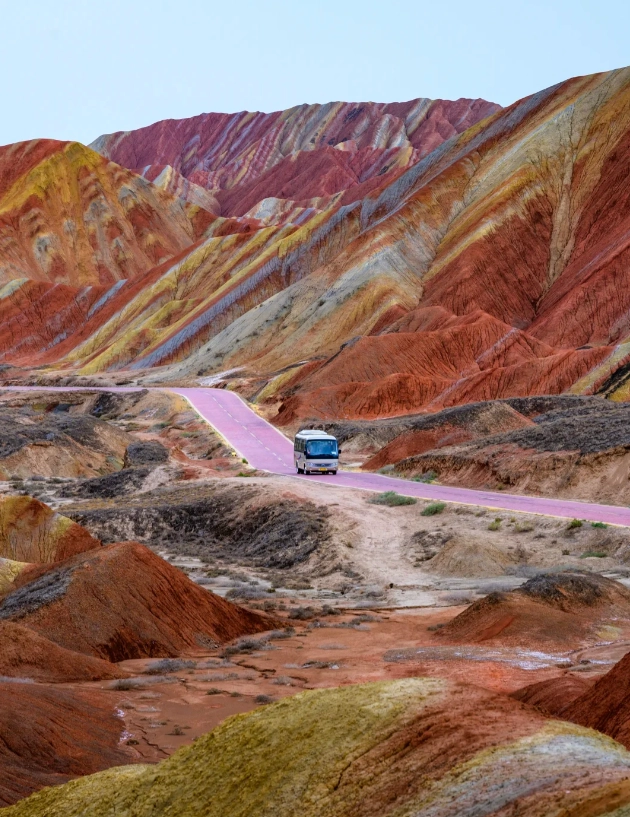
Pro Tip: Book your long-distance trains via China's official 12306 website before you arrive. Foreigners can register with a passport—but the interface is Chinese-only. Use a bilingual browser or ask your hotel to help you lock in tickets early.
The 7 Must-See Attractions in Gansu
Let's dig into each stop. These are in the order I'd personally visit them, not by importance.
Dunhuang: Mogao Caves & Singing Sand Dunes
The Mogao Caves are the crown jewel of Gansu—a collection of 735 caves filled with Buddhist murals and statues dating from the 4th to 14th centuries. You can't just walk in; you must reserve a timed ticket in advance via the official channel or Trip.com. Bring your passport. The standard tour costs around ¥238 and includes a short film plus a guided walk through about 8 to 10 caves. Show up early—I always book the first slot at 8 AM to avoid the tour-group rush.
- Address: 25 km southeast of Dunhuang city.
- Open: 8 AM to 6 PM (closes earlier in winter).
- Admission: ¥238 for the standard tour.
- Getting there: Taxi from downtown takes about 20 minutes and costs roughly ¥40; there's also a shuttle bus.
- Time needed: 3 to 4 hours.
The caves are strictly controlled—no photos inside, and you need to follow your guide. I've seen travelers get upset when they can't linger, but that's how they protect a thousand-year-old heritage. Trust me, the experience is still magical.
Right next door is the Singing Sand Dunes and Crescent Lake (Mingsha Shan Yueya Quan). Admission is another ¥110, and you can ride a camel for about ¥100. The best time is late afternoon—the light turns the dunes golden, and you can watch the sunset from the ridge. Climbing the sand is tiring, but the view is worth every step.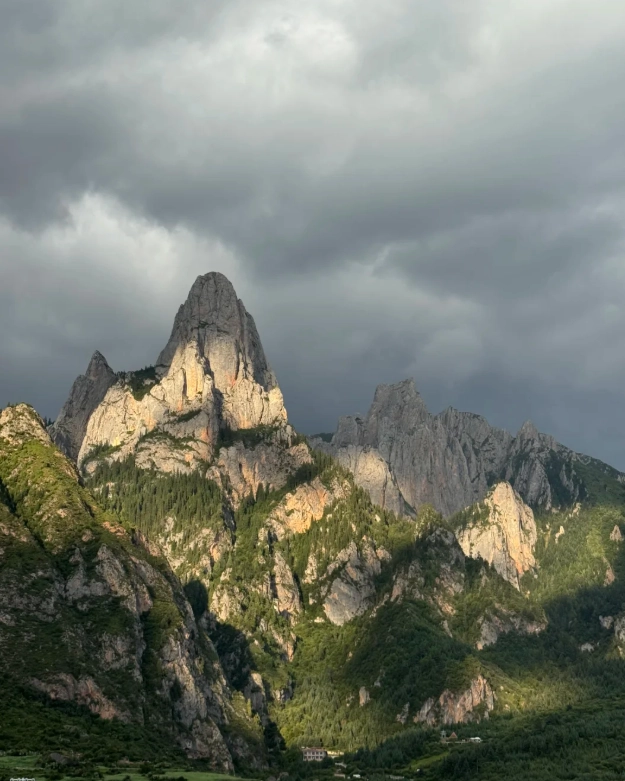
Jiayuguan: The Western End of the Great Wall
Jiayuguan Fort is the last fortification of the Great Wall in the western direction—the location where the wall 'ends' in the desert. It's a massive complex with the fort, a museum, and excellent views of the snow-capped Qilian Mountains. The ticket is about ¥110 and includes the fort plus the Overhanging Great Wall (Xuanbi). I'd spend two hours here, mostly wandering the ramparts.
- Address: 6 km southwest of Jiayuguan city center.
- Open: 8:30 AM to 6 PM.
- Getting there: Taxi from Jiayuguan train station is about 15 minutes.
- Time needed: 2 to 3 hours.
Honestly, the fort is cool but not the most photogenic Great Wall section—the light gets harsh by noon. Go in the early morning or late afternoon. And don't skip the 'First Pier' (First Beacon Tower) on the far west—it's a bit out of the way but gives a true sense of isolation.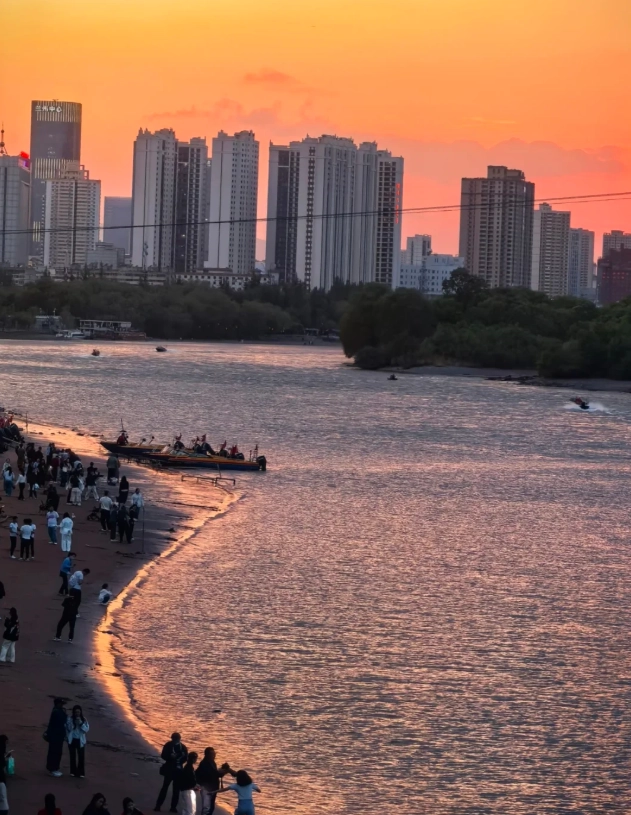
Zhangye: Rainbow Mountains & Danxia Landform
Zhangye's Danxia National Geological Park is where the hills look like a painter's palette—bands of red, yellow, orange, and green layered across the bare rock. This is a landscape photographer's dream. The park is about 40 km from Zhangye city, and the ticket plus shuttle bus costs around ¥74. The shuttle drops you at several viewpoints along a one-way loop.
- Address: Linze County, Zhangye.
- Open: 6 AM to 6 PM (check sunset hours).
- Best time: Sunset, when the colors are saturated.
- Getting there: taxi or shared van from Zhangye city (about 1 hour).
- Time needed: half a day.
The park can get crowded with tour groups, especially after 4 PM. I usually take clients to the fourth viewpoint (the highest) first, then work down—that's where you get the classic wide shot. Keep your ticket, as they check it on the shuttle.
Xiahe: Labrang Monastery & Tibetan Culture
Labrang Monastery is one of the six great monasteries of the Gelug school of Tibetan Buddhism, and it's the largest Tibetan monastery outside Tibet itself. It's a living community—you'll see monks debating, young novices in crimson robes, and pilgrims doing kora around the prayer wheels. Admission is about ¥40 for the main temple complex, plus a small fee for a guide.
- Address: Xiahe County, Gannan Prefecture.
- Open: 8 AM to 5:30 PM.
- Getting there: 4-hour bus from Lanzhou South Bus Station.
- Time needed: 3 to 4 hours.
I love Xiahe because it feels untouched by mass tourism. But please be respectful—no flash photography inside temples, and always walk clockwise around the kora path. The altitude is around 2,900 meters, so take it easy if you're arriving from lower elevations.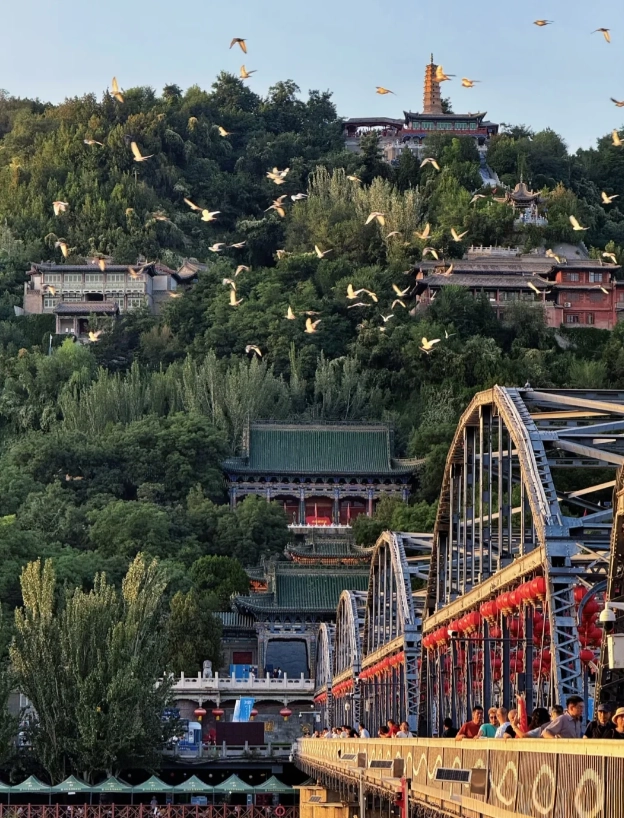
Tianshui: Maijishan Grottoes
Maijishan Grottoes, a UNESCO World Heritage site, are 194 cave shrines carved into a sheer rock face that looks like a giant pile of wheat. The highlight is a series of thousand-armed Bodhisattva statues and steep wooden staircases clinging to the cliff. It's less crowded than Dunhuang, but no less impressive. Tickets cost about ¥70.
- Address: Maiji District, Tianshui.
- Open: 8:30 AM to 5:30 PM.
- Getting there: 30 km from Tianshui city; take bus 34 or a taxi.
- Time needed: 2 to 3 hours.
The spiral staircases are narrow and a bit dizzying—I wouldn't recommend it for anyone with a fear of heights. If you're short on time, skip it; Dunhuang honestly has more spectacular art.
Lanzhou: Gateway to the Silk Road
Lanzhou is probably not your final destination—it's a transit hub—but it's worth a day. The Yellow River runs right through the city, and you'll see the iconic Zhongshan Bridge (built in 1909). Walk along the river promenade, climb Baita Mountain for a panorama, and visit the Gansu Provincial Museum to see the bronze Flying Horse of Gansu. The museum is free, but you need to book in advance with your passport.
- Attractions: Zhongshan Bridge, Baita Mountain, Gansu Museum.
- Time needed: 1 full day.
- Food: Lanzhou is famous for hand-pulled beef noodles—the bowl here is the source.
I usually tell people to spend the night here, eat a late-night beef noodle, and catch the morning train west. It's a good place to adjust your internal clock.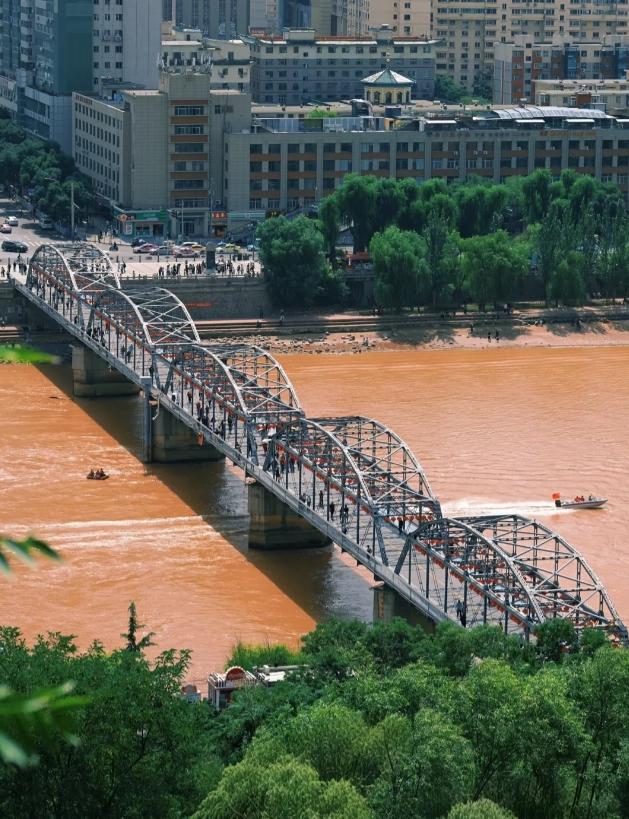
Bingling Temple: The Hidden Cave Complex
If you have an extra day, take the boat ride to the Bingling Temple Grottoes, located 80 km from Lanzhou on the Yellow River. It's a supplement for serious cave lovers. Reaching it involves a 2-3 hour boat trip each way, so set aside a full day. The ticket is about ¥70 plus the boat fare. The best part is the 27-meter-tall seated Maitreya Buddha, carved directly into the cliff face. Because it's less visited, you often have the place almost to yourself.
- Address: Yongjing County, Liujiaxia Reservoir.
- Getting there: Bus from Lanzhou to Liujiaxia, then hired boat.
- Time needed: full day.
This is a niche stop—if you're short on time, skip it. But if you want to avoid crowds and see a 'real' hidden gem, it's unbeatable.
How to Get Around Gansu Without a Car
You don't need a car in Gansu—the public transportation network covers the main must-see stops. For long distances, the high-speed rail line connects Lanzhou, Zhangye, Jiayuguan, and Dunhuang. A ride from Lanzhou to Zhangye takes about 3 hours; from Zhangye to Jiayuguan less than 2 hours. Dunhuang is a bit slower because it's at the end of the line—expect around 4 to 5 hours from Jiayuguan.
Between cities, trains are your best bet. Inside each city, taxis and ride-hailing apps are cheap. I use Didi (China's Uber) every day—it's easier than haggling with a taxi driver.
Here's a quick cost/time comparison for the main legs:
| Route | Distance | Train Time | Approx. Cost (2nd class) | Best Option |
|---|---|---|---|---|
| Lanzhou → Dunhuang | 1,130 km | 8 hours (high-speed) or overnight train | ¥240-350 | Night train to save a day |
| Dunhuang → Jiayuguan | 390 km | 4 hours | ¥120 | Morning train |
| Jiayuguan → Zhangye | 240 km | 1.5 hours | ¥90 | Any train |
| Zhangye → Lanzhou | 480 km | 3 hours | ¥150 | Evening train |
You can book all these on the official 12306 railway site with a passport, but the site is Chinese-only. A good alternative is Trip.com, which charges a small fee but has an English interface.
Insider Advice: Avoid flying between Lanzhou and Dunhuang if you can—the flight is delayed more often than the train. The bullet train is actually more reliable and drops you right in town.
Must-Eat Gansu Dishes and Where to Find Them
You can't leave Gansu without eating these five foods—each one is tied to the region's culture.
- Lanzhou Beef Noodles (Lanzhou zhengrong) – Hand-pulled noodles in a clear, spicy beef broth. The classic is at 'Malazifu' (马路竹福) at 16/18 Xinzhou Street. A bowl costs about ¥10-15. I always double the beef.
- Dunhuang Fried Noodles – Thick noodles stir-fried with vegetables and beef. Try 'Huangmian' (驴肉黄面) at the night market; expect to pay ¥20.
- Zhangye 'Sanhe' (搓鱼子) – Small fish-shaped noodles served with a spicy, sour sauce. Look for family-run shops near the Bell Tower.
- Xiahe Tibetan Butter Tea – The local drink at Labrang. It's salty and pungent, but truly authentic.
- Gansu Potatoes – Gansu is China's potato basket, and the local fries are thick, crunchy, and dusted with cumin. You'll see street vendors everywhere.
Most restaurants in larger cities accept cash, Alipay, and WeChat Pay, but cards are hit-and-miss. For smaller stalls, have small bills ready—some don't take cash above ¥20.
Where to Stay for a Gansu Must-See Trip
Your base camp matters because distances between must-see spots are huge. I recommend basing yourself in Dunhuang for the west, a night in Jiayuguan, and Zhangye as an east-side hub. Here are my picks for different budgets:
| City | Hostel Budget ($) | Mid-range ($$) | Luxury ($$$) | Best For |
|---|---|---|---|---|
| Lanzhou | Youth Hostel Lanzhou (city center, ¥80) | Mango Hotel (¥200) | Sofitel Lanzhou (¥800) | Transiting, sightseeing |
| Dunhuang | Dunhuang International Youth Hostel (¥90) | Dunhuang Silk Road Hotel (¥250) | Dunhuang Grottoes Resort (¥600) | Near Mogao, cultural travelers |
| Zhangye | Zhangye Red Rock Hostel (¥70) | Zhangye Danxia International Hotel (¥180) | Zhangye Gloria Inn (¥450) | Danxia trips |
I always book through Trip.com or Booking.com because they show English. Chinese platforms like Meituan are better for street-food reviews but harder for foreigners. Look for properties with 'airport pick-up'—it’s a lifesaver when you arrive tired.
Foreign Traveler Tips for Gansu: Payments, VPN, and Booking
Let's get the boring but essential stuff sorted before you freak out on the ground.
- Payments: Alipay and WeChat Pay dominate. Link them to your international Visa/Mastercard before you go—it’s now possible for foreigners. Cash still works but gets you weird looks. Always carry some coins and small bills for public toilets.
- VPN: Google, Facebook, and WhatsApp are blocked. You need a reliable VPN installed before you arrive. I use ExpressVPN—it works in Lanzhou. Without it, your maps and translation apps (especially Google Translate) won't function.
- Maps: Google Maps is useless here. Use Apple Maps (works fairly well) or the English version of Alipay's mini-map. But the real navigation king is Amap—it's in Chinese, but you can type in English pinyin and it'll show the location. Show the address in Chinese to your driver.
- Language: English is rarely spoken outside major hotels. Download the Baidu Translate app (it outperforms Google in China) and save offline packs for Mandarin.
- Booking: For attraction tickets, use Trip.com or the official WeChat mini-programs. Many need a real-name registration with your passport. If you don't have WeChat Pay set up, ask your hotel to book for you—I do this for clients a lot.
Also, keep a physical copy of your passport and visa. You'll need it for hotel check-ins, train tickets, and museum entry.





No comments yet.