 Ting Chen
I once had a tourist break down in tears at a Lijiang guesthouse because her international credit card simply wouldn't work and she had no cash. That morning, she had planned to explore the old town but ended up trapped in a payment maze. If you're searching for what to do in Yunnan for a weekend, you've likely hit the same wall of vague advice and missing details.
Here's the truth after years of guiding small groups through this province: a weekend in Yunnan is completely doable, but only if you ignore half of what you read online. You don't need to 'see it all'. You need a lean, realistic plan that respects local logistics, payment quirks, and the fact that your feet can only handle so much.
So let me save you from my mistakes. My go-to weekend route is simple: fly into Kunming early Saturday morning, take the high-speed train to Dali (about 2 hours), spend the day around Erhai Lake, then Sunday head to Lijiang Old Town for a few hours before flying out from Lijiang Airport. It's not exotic, but it works — and it covers the two most Instagram-worthy spots without a burnout.
Yunnan Weekend: The Smart Plan
Choose between Dali and Lijiang first, because trying to do both in 48 hours is a rookie mistake. Yes, the high-speed rail connects them in about an hour, but each city deserves at least a full day to absorb the vibe. If you're a nature lover, pick Dali; if you're into ancient architecture, pick Lijiang. If you absolutely must see both, my plan above works if you're willing to move fast.
How to Choose: Dali vs. Lijiang
Dali feels more relaxed, with Erhai Lake and the Cangshan Mountains right there. You'll find art shops, quirky cafés, and a more laid-back crowd. Lijiang, by contrast, is a UNESCO World Heritage site—the old town is a maze of cobblestone streets and Naxi architecture, but it's also tourist-central. Expect more souvenir shops and higher prices.
Personally, I'd choose Dali for a weekend if you want to unwind. But if it's your first time in China and you want that 'picture-perfect' shot, Lijiang wins. Many of my clients compromise: Saturday in Dali, Sunday morning in Lijiang, then fly out. It requires efficient planning, which I'll walk you through now.
The 48-Hour Route That Actually Works
Here's the exact schedule I use with my own clients, refined over many trial-and-error trips. It assumes you fly in and out of Kunming (the most common gateway) and are comfortable with high-speed trains.
- Saturday 7:00 — Arrive at Kunming Changshui Airport. Go straight to the metro or taxi to Kunming South Railway Station. Yes, it's a detour, but the train saves hours compared to driving.
- Saturday 9:30 — Board the high-speed train to Dali (book via Trip.com or 12306 in advance). Grab a coffee and a pastry at the station.
- Saturday 11:30 — Arrive in Dali. Drop bags at your hotel near the old town. Then rent a bicycle or take a taxi to Erhai Lake. The lake loop has stunning views; even a short stretch from Cai Village to Xizhou is magical.
- Saturday 14:00 — Lunch at Xizhou. Try the local 'xi zhou ba ba' bread and a bowl of crossing-the-bridge noodles. My tip: skip the restaurants right by the lake; walk one street back for half the price.
- Saturday 16:00 — Head back to Dali Old Town. Explore the winding streets, climb the city wall for a golden-hour view of the mountains.
- Saturday 19:00 — Dinner at a local courtyard restaurant. I always order the 'mushroom hotpot' when it's in season, but confirm it's cooked enough.
- Sunday 7:00 — Quick breakfast and check-out. Take a taxi to Dali Railway Station, catch the shortest train to Lijiang (about 50 minutes).
- Sunday 9:00 — Arrive in Lijiang. Leave your luggage at the station's left-luggage office (it's open early). Grab a taxi to Lijiang Old Town.
- Sunday 10:00 — Wander through the old town. Don't just stick to the main square; get lost in the alleys behind the Black Dragon Pool. It's quieter and more authentic.
- Sunday 12:30 — Lunch in the old town. Try the local 'yaks yogurt' and a plate of 'ji dou liang fen' (pea starch jelly).
- Sunday 14:00 — Taxi to Lijiang Airport (about 40 minutes). If your flight is late, you can add a quick visit to Black Dragon Pool Park.
- Sunday 16:00+ — Fly out. You'll be tired but satisfied.

Day-by-Day Itinerary
Day 1: Dali — Old Town, Erhai Lake, and the 'Chill' Life
Dali is about atmosphere more than sights; the key is to slow down and breathe. Here's how to make every hour count.
Start at the Dali Ancient City (大理古城). It's free to enter. The city wall facing Cangshan Mountain is a great photo spot, especially early morning or sunset. I always take my groups to the south gate, which has the best view of the mountains and a mirror-like reflection in the moat when the water is still.
Next, head to Erhai Lake (洱海). Don't try to circle the entire lake in one day — it's over 100km. Instead, pick a section. Rent an e-bike in the old town (about ¥50–80 per day, no license needed for lower-powered ones) and ride towards Cai Village. The lakeside boardwalk with white chairs and glass spheres is a hit with photographers. I admit, the '网红' spots are touristy, but the scenery behind them is real.
For lunch, I always stop in Xizhou (喜洲). You'll see rows of traditional Bai architecture. Try the 'xizhou baba' – a crispy flatbread with a sweet or savory filling. The best ones are from the family-run stalls tucked inside the old market street. Look for the one with the longest line of locals; that's my signature move.
In the afternoon, walk back to the old town and visit the Dali Museum (大理市博物馆), free to enter, to get a quick historical context. Or simply grab a coffee at one of the many courtyard cafés. I especially like 'The Summit Café' – ask anyone, they'll know. The barista pays attention to the bean origin, which is rare in China.
Honest warning: The 'Fuxing Road' in Dali old town is a tourist trap with identical souvenir shops. I tell my clients to skip it and wander into the parallel alleys instead.
Day 2: Lijiang Old Town & Quick Getaway
Lijiang is a maze of stone paths and cobbled alleys, and getting lost is part of the fun. But be prepared for large crowds and loud tour groups. The positive side is the dense concentration of Naxi culture and authentic wooden houses.
Focus on the Square Street (四方街) as a starting point, then dive into the northern side where you'll find Black Dragon Pool (黑龙潭). Actually, the park itself has an entrance fee of around ¥50, but it's worth it for the perfect reflection of Jade Dragon Snow Mountain on a clear morning. If you're on a budget, you can see the same view from the road outside – no one will stop you.
For a taste of local life, walk to the Naxi traditional lodging courtyard near 'Old Town Corner'. Often you can peek into the courtyard where old ladies in traditional blue aprons sell handmade bags. It feels more real than the polished boutiques.
Lunch spot: I've tested dozens, and '88 Eating House' (actually called 'Jin Xiangyuan' by locals) at the edge of the old town – it serves a decent plate of 'steamed pork with preserved vegetables' and the only restaurant that offers an English menu in that block. The portions are generous, price around ¥60–80 per person.
Getting Around Without Losing Your Mind
High-speed trains are your best friend in Yunnan; they handle the big distances, but you still need taxis inside the cities. Let me break down the options realistically.
| Route | Transport | Duration | Cost (approx.) | Why it works |
|---|---|---|---|---|
| Kunming → Dali | High-speed train | ~2h | ¥145 (second class) | Fast, punctual, can book on Trip.com |
| Dali → Lijiang | High-speed train | ~50min | ¥52 | Cheaper and quicker than driving |
| Kunming → Lijiang (direct flight) | Plane | ~1h | ¥300–600 | Best if you skip Dali |
| Within Dali / Lijiang | Taxi / Didi | 15–30min each | ¥20–80 | Most flexible; use Didi (Chinese Uber) |
Google Maps will lie to you in China. Use Apple Maps or the app 'AMap Global' (高德地图) for English navigation. I've lost hours with tourists using incorrect map data. Also, installing 'Didi' on your phone is almost essential; many taxi drivers don't understand English and Didi shows the route to the driver automatically.
Bookings, Tickets & Payments
Most attractions in Yunnan now require online reservations, and they don't accept cash on the spot. The easiest route for foreigners is to use official platforms like Trip.com or Fliggy, which have English interfaces. Alternatively, have your hotel receptionist book via WeChat – many do this without hesitation.
Payment is all about Alipay or WeChat Pay. They work with international bank cards nowadays, but you must set them up before you leave. Add your Visa/Mastercard to the app, and you're golden. At smaller stalls, cash is sometimes accepted but can be a hassle. I always tell travelers: carry a couple of hundred yuan in cash as a backup, because sometimes signal in remote areas fails and mobile payments take forever to load.
Also, you'll need your passport everywhere. Keep it safe but accessible. For the train, book through 12306 if you want direct access, but note the website is only in Chinese; Trip.com is simpler for most foreigners.
Visa, VPN & Essential Apps
China's visa rules are constantly changing, so check the latest official guidance from the National Immigration Administration before you fly. Many nationalities get a 24-hour visa-free transit if just passing through, but a weekend stay usually requires a tourist visa (L). Apply well in advance.
Google, WhatsApp, Instagram—all blocked in China. You must install a reliable VPN before you land. Set it up on your phone and test it while still on the overseas network. Also, download the offline dictionaries of 'Apple Translate' or 'Baidu Translate' – they work without a stable connection.
Other lifesaving apps: Trip.com for hotels and trains, Didi for taxis, AMap Global for navigation, and WeChat for any social communication with your hotel host.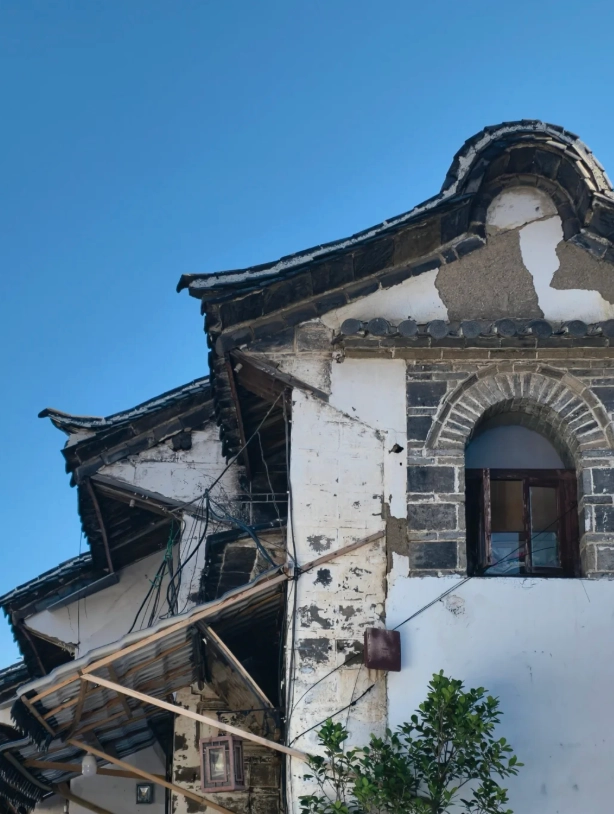
What to Eat (and Skip)
Yunnan's food is a unique blend of spicy, sour, and earthy flavors, but not every dish will suit a foreign palate. My personal favorites:
- Crossing-the-bridge noodles (过桥米线) – the classic. Served with raw ingredients that cook into the hot broth at your table. Original versions are from Mengzi, but Dali has decent ones.
- Mushroom hotpot – a seasonal delight from June to October. Absolutely must try! But only eat at established, busy restaurants to avoid any mushroom safety risks.
- Yak yogurt from Lijiang – thick and mildly sweet, a great lunch dessert.
- Baba bread (破酥粑粑) – a buttery, crumbly bread, best enjoyed warm.
Skip the 'local delicacy' stalls near main tourist squares – they're overpriced and often not fresh. Walk one extra block down a side street and you'll find the same dish for a third of the price.
FAQs: Your Biggest Worries, Answered
A Few Honest Truths Before You Go
Yunnan is a gem, but it's not Disneyland – experiences can be rough around the edges. You might encounter inconsistent service, weird smells, or unexpected shutdowns. That's part of the charm. My golden rule is to pack patience, wear comfortable shoes, and always have a backup plan. The smartest travelers are the flexible ones.








No comments yet.