 Jian Zhao
Is Gansu worth visiting? I've lost count of how many times a traveler in Lanzhou asked me this after a 12-hour train ride. Here's my honest answer: absolutely — but only if you go beyond the standard one-day Dunhuang stop. Gansu is the narrow ribbon of land connecting China proper to the Silk Road. It's home to the rainbow mountains of Zhangye, the grottoes of Dunhuang, and a stretch of Great Wall that feels like the end of the world. Yet most foreign tourists miss 80% of it because they don't know how to link the dots. This guide is born from my decade of leading tours across the Hexi Corridor. By the time you finish reading, you'll know exactly where to go, how to get there, and what to skip — even if you only have five days.
Why Gansu Is a Hidden Gem on the Silk Road
Most people picture Gansu as a dusty, barren stretch you fly over on the way to Urumqi. That's a mistake. Gansu is a geologist's dream. The Zhangye Danxia National Geopark looks like a painter flicked a rainbow across the desert. These striated cliffs turn crimson and gold at sunset, a spectacle I've watched dozens of times and still makes my jaw drop. Then there's the grasslands of Sangke Prairie near Xiahe, the snowy peaks of the Qilian Mountains, and the alien sand dunes of Dunhuang. You can see all of this in one trip — it's absurd.
But it's the history that really won me over. Gansu was the spine of the ancient Silk Road. The Mogao Caves near Dunhuang hold the largest collection of Buddhist art on Earth, a UNESCO World Heritage site that clocks in at over 700 caves. The Great Wall ends at Jiayuguan Fort, and standing there you can almost hear the camel bells and the whispers of merchants from two thousand years ago.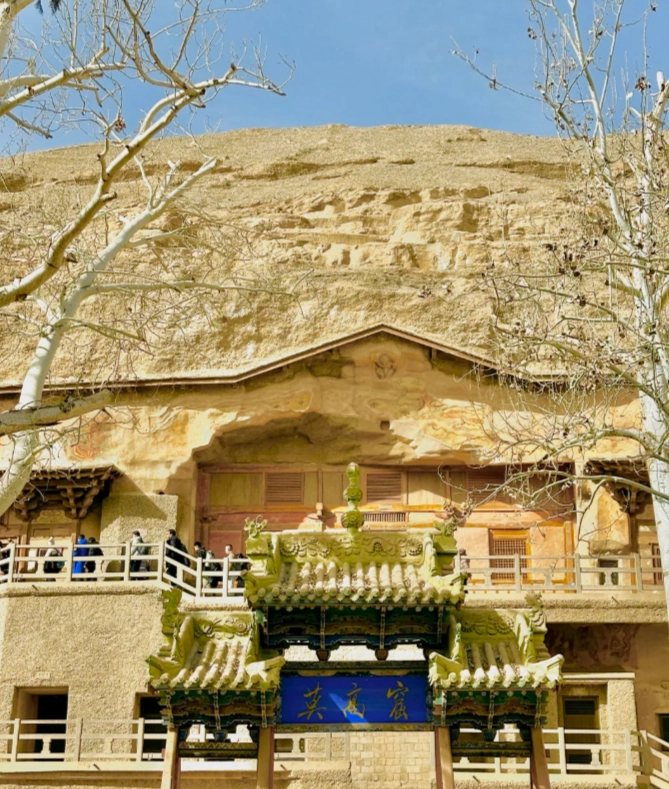
Top 5 Places in Gansu That Prove It's Worth Visiting
1. Zhangye Danxia National Geopark
I always tell first-timers: don't book the sunrise tour. The light at noon is flat and washes out the colors. Instead, show up around 4pm. The mountains start to glow like embers, and if you're lucky, the west wind keeps the haze away. The boardwalk gets crowded at the main viewing platforms, but walk twenty meters to the side and you'll find a spot with no one around. Bring water — the climb is steeper than it looks.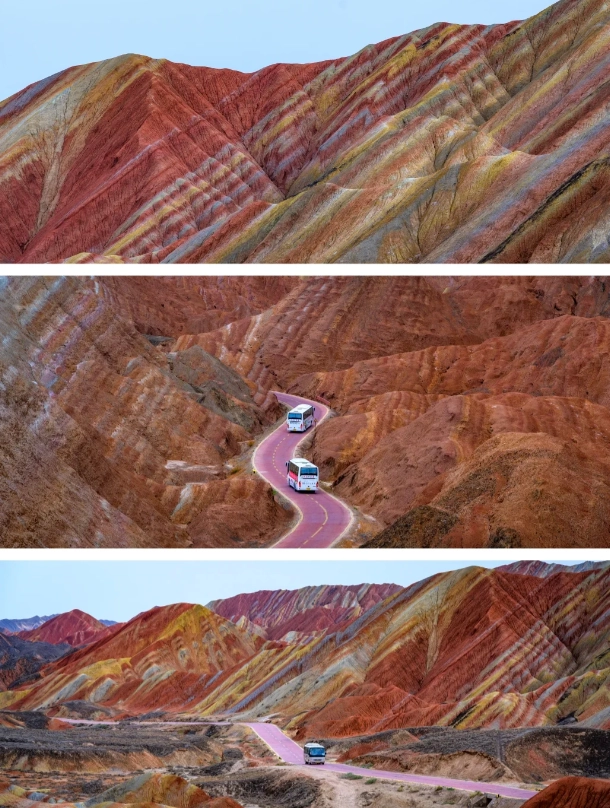
2. The Mogao Caves at Dunhuang
The Mogao Caves are a marathon, not a sprint. You'll be assigned to a 25-person group and a guide who speaks English surprisingly well. The tour takes about an hour and covers way more than you'd expect from a cave visit — the murals are vivid, the statues intact, and the sheer artistry is overwhelming. But here's the kicker: you can't choose which caves you see. The rotation depends on the day, and some famous ones like Cave 96 (the giant Buddha) are usually on the list. Photographer? Leave your camera at the hotel. Photography is banned inside, and believe me, the guards are strict.
3. Singing Sand Dunes and Crescent Lake
This is the tourist trap I secretly love. Yes, the camel rides are overpriced and the queue is pure chaos. But you can skip all that. Buy the entrance ticket (note: no shuttle needed if you're fit), walk straight past the camel line, and climb the sand dune to the left. Ten minutes of huffing gets you a panoramic view that most people never see. Wait for the sun to dip, and the dunes turn the color of honey. Then run down to Crescent Lake for the night view — the light-up pagoda is kitschy, but the stars above make up for it.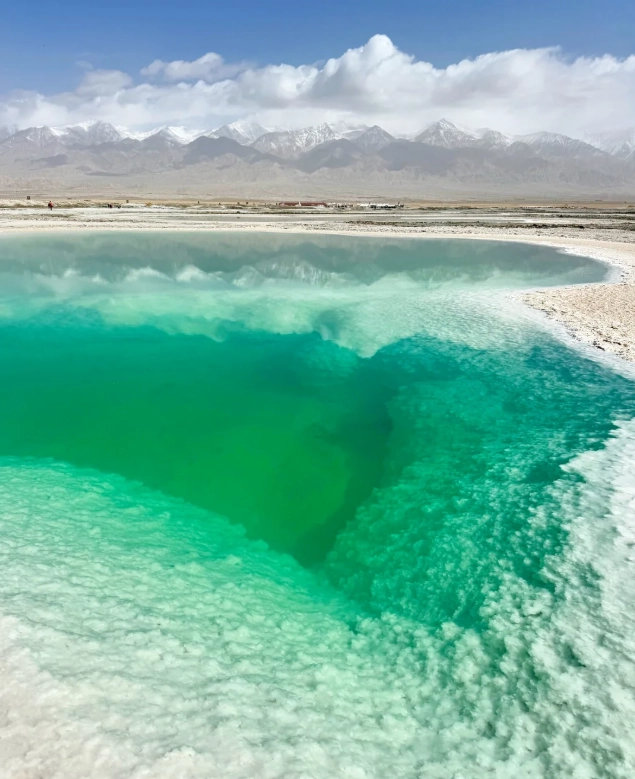
4. Jiayuguan Fort
If you're on a tight schedule, Jiayuguan is the easiest win. The fort itself is impressive but the real magic is the Great Wall stretching into the Gobi Desert. Most tour groups spend an hour inside the fort and leave. Don't. Walk past the ticket-checker's wink and follow the wall for about 300 meters — I always make time for this. The silence out there is deafening in the best way. Just bring a hat; there's zero shade.
5. Labrang Monastery in Xiahe
Forget a day trip from Lanzhou — stay overnight in Xiahe. The monastery is huge, and the monastic debates at 4pm are something you'll never forget. The monks argue in an ancient ritual that looks like synchronized clapping and shouting. It's open for visitors, and you can sit quietly in the corner to watch. Tip: the surrounding kora path (circumambulation) is where locals walk; join them for a different perspective. And don't miss the yak butter sculptures in the exhibition hall.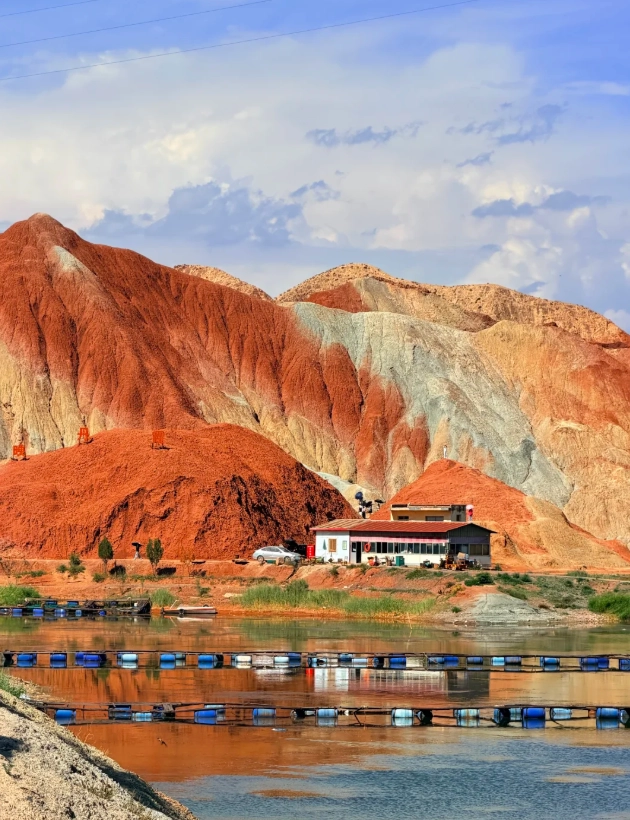
Here's a quick-reference table for planning. Prices are approximate and can change, and always confirm before you go.
| Place | Entrance Fee (approx.) | Time to Spend | Best Time to Arrive |
|---|---|---|---|
| Zhangye Danxia | ¥74 incl. shuttle | Half day | 4pm |
| Mogao Caves | ¥200 standard tour | 1-2 hours | Morning (reservation required) |
| Singing Sand Dunes | ¥55 entrance | 2-3 hours | 5pm |
| Jiayuguan Fort | ¥110 combo ticket | 2-3 hours | 10am or 4pm |
| Labrang Monastery | ¥40 | Half day | 10am or 4pm (debates) |
How to Plan a Realistic Gansu Itinerary
Now, for the big question: How many days do you need? The minimum you can get away with is 5 days — but that's a fast heartbeat. Here's how to structure it without crying.
The 5-Day Minimum Route (and Where to Cut Corners)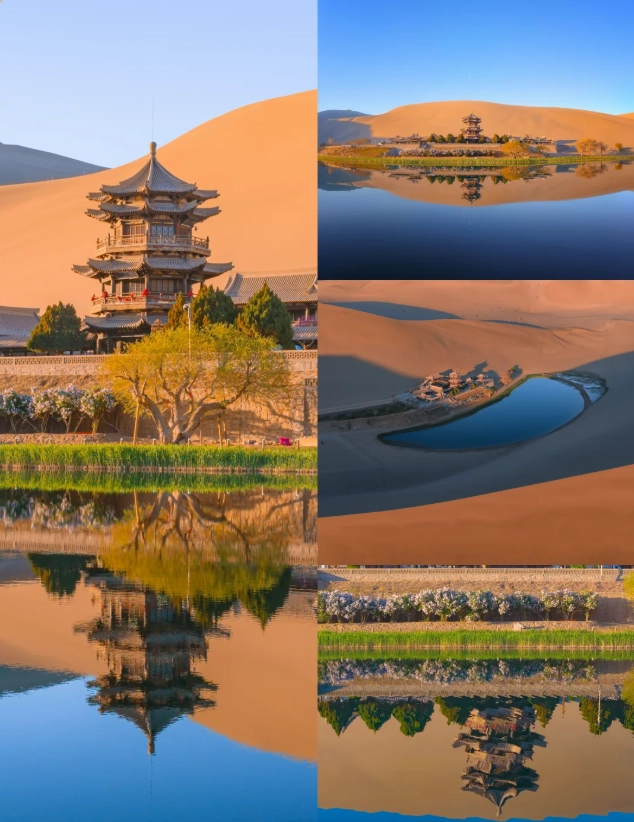
Day 1: Fly into Lanzhou. Eat the beef noodles — seriously, they're the real deal. (Skip the Yellow River Iron Bridge if you've seen one bridge.) Spend the night.
Day 2: Take the morning high-speed train to Zhangye (about 2-3 hours). Book a late-afternoon visit to Danxia. Stay the night in Zhangye.
Day 3: Morning: either add a quick stop at the Giant Buddha Temple or just head to the train station. The afternoon bullet to Jiayuguan takes about 1.5 hours. See the fort at sunset. Sleep in Jiayuguan.
Day 4: Fly from Jiayuguan to Dunhuang (about 1 hour) or take the slower train. Reserve an afternoon slot for Mogao Caves — you'll need morning flexibility if your train is late.
Day 5: Morning at Singing Sand Dunes to beat the heat, then fly home via Lanzhou or Xi'an.
Extended: The 7-10 Day Silk Road Loop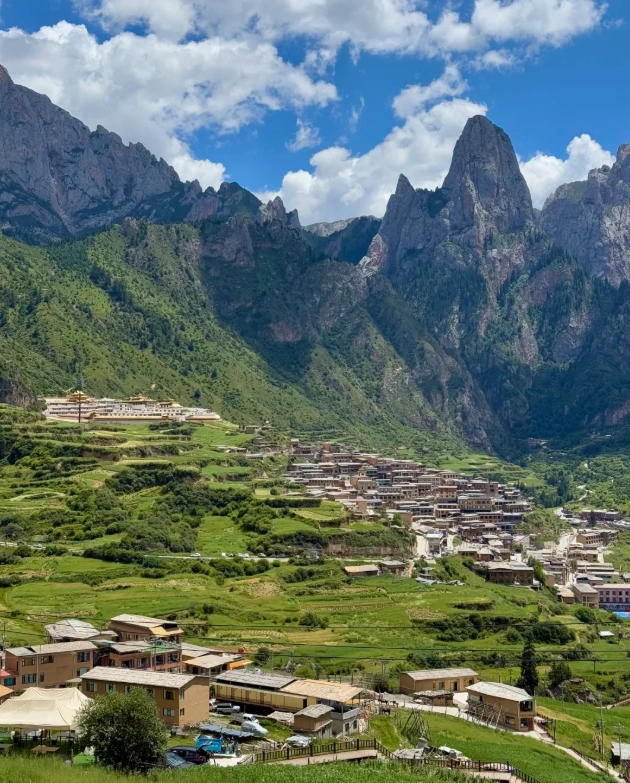
If you have a week or more, tack on Xiahe (Labrang Monastery) and possibly even the Liujiaxia Reservoir. You can go south from Lanzhou to Xiahe by bus or hire a car for the day. The monastery is a welcome culture shock after all those deserts.
Getting Around: Trains, Planes, and the Almighty Rideshare
High-speed rail is your best friend here. Lanzhou, Zhangye, Jiayuguan, and even Dunhuang are connected by convenient — but not superfast — rail. The Lanzhou-Dunhuang route takes about 8 hours on the regular line, but the flight is 90 minutes and can be cheap if you book early. For within cities, use the Chinese rideshare app Didi (it has an English interface now), or just have your hotel write the destination in Chinese for the taxi.
For the ultimate flexibility, I often hire a private driver with an English-speaking guide for the Hexi Corridor. It's pricier but worth it when you want to stop at the random desert sculpture you see from the road.
What to Eat in Gansu (and Where to Find It)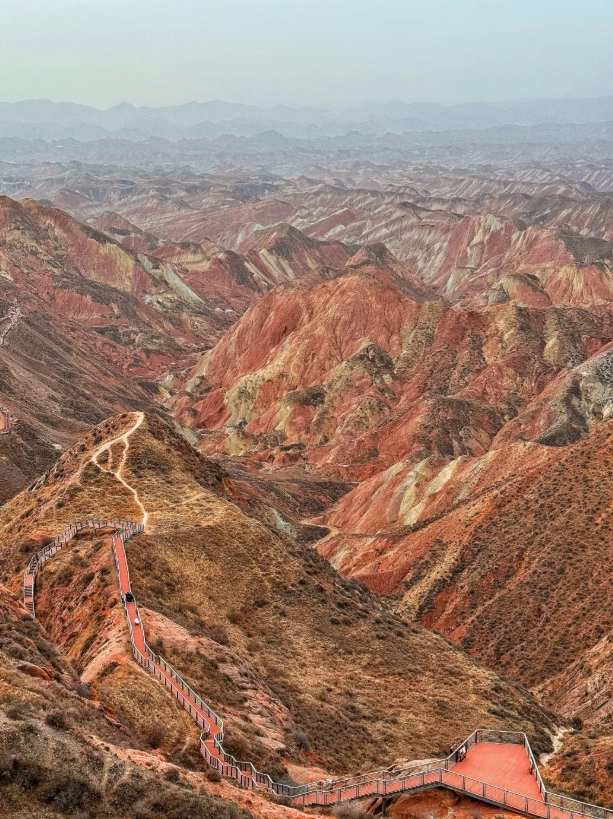
Lanzhou beef noodles are the obvious headline — find a spot like "Ma Zi Lu" that's crowded at 8am. (The line moves fast.) In Dunhuang, head to the Shazhou Market at night for mutton skewers and apricot water. In Xiahe, try the tsampa and butter tea at a local Tibetan restaurant near the monastery. And don't be shy about asking for less spice — Gansu cuisine loves chili, but most places will tone it down for foreigners.
How to Handle Payments and Reservations in Gansu Like a Pro
Here's where I see most tourists break a sweat. China is effectively a cashless society. That means your Mastercard won't work at a noodle stall. The fix: set up Alipay or WeChat Pay with your international bank card before you land. Both apps have English interfaces and you can even link a foreign card without a Chinese bank account. Still, always carry ¥200-300 in cash as a backup — some remote ticket booths may be offline.
For bookings like the Mogao Caves, you must reserve a specific time slot in advance. The official WeChat mini-program is in Chinese and can be a pain. My go-to for clients is to use Trip.com or Klook — both sell entrance tickets in English, and they'll send you a confirmation QR code that works at the gate. You'll still need your passport for registration because everything in China ties to your ID.
Also, a survival note: Google Maps doesn't work in China. Download Apple Maps (which uses Chinese data) or AMap (the English version is called "AMap Global"). And come prepared with a VPN on your phone — you'll be lost without it.
Before you even pack, double-check the latest visa policy on the National Immigration Administration official site — you don't want to be turned away at the border.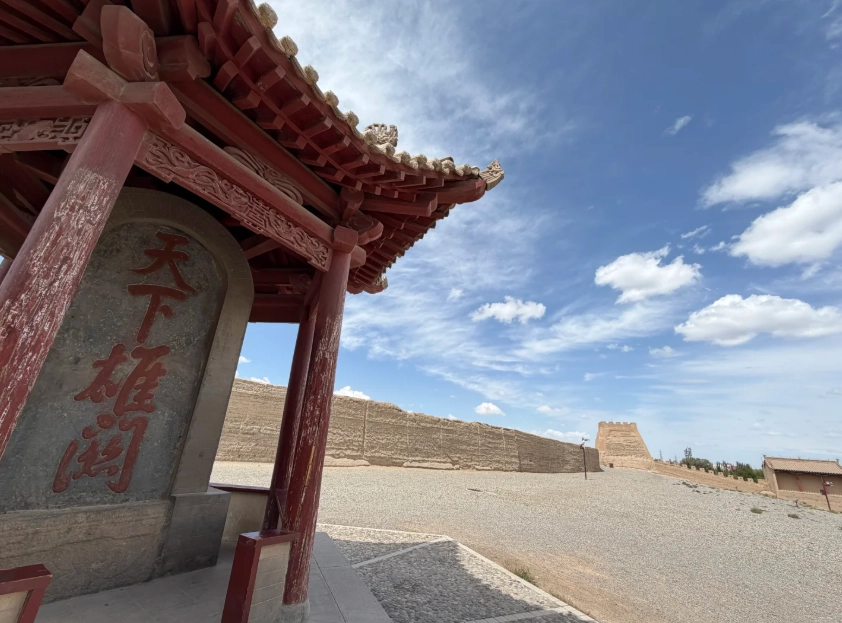





No comments yet.