 Hong Ma
Quick Navigation
- What to Do in Ningxia: The 5-Minute Answer
- Top 5 Experiences You Can’t Skip
- How to Get Around Ningxia Without Speaking Chinese
- A 24-Hour Yinchuan Itinerary
- What to Eat in Ningxia: Beyond the Mutton Cliché
- Where to Stay in Ningxia
- What’s the Best Time to Visit Ningxia?
- Insider Tips: Payments, Maps, and Avoid Tourist Traps
- FAQ: Your Burning Questions About Visiting Ningxia
Sand in my sneakers. Wind in my teeth. That was the first thing I felt when I walked into Ningxia. It’s not the China you see on postcards — it’s rougher, quieter, and unexpectedly poetic. Yet every time I bring a group here, someone asks why they didn’t come sooner.
For most foreign tourists, Ningxia is a blank spot on the map. You’ve probably heard of Xi’an and Datong, but Ningxia? It doesn’t get the instagram love. Which is exactly why you should go — before it turns into another ticketed tourist zoo.
Here’s my no-nonsense answer to ‘what to do in Ningxia’: hit the sand dunes at Shapotou, stare at the Western Xia Tombs, wander through a film studio where Chinese cinema magic was made, and eat mutton so tender you’ll reconsider your life choices. If you only have 48 hours, this is the core. Now let me break it down so you don’t waste a minute.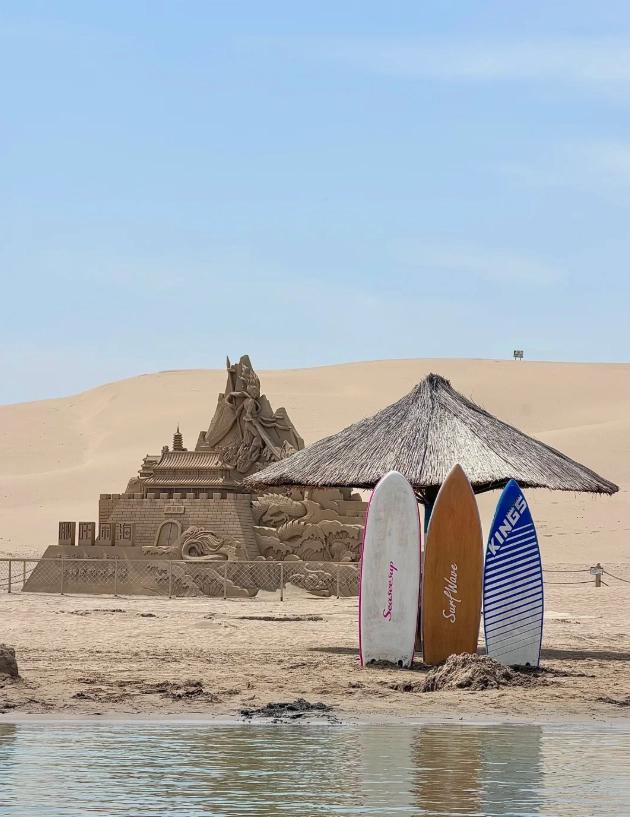
What to Do in Ningxia: The 5-Minute Answer
Let me fast-forward to the part that matters. Ningxia is small, but its highlights are packed together. Here’s the shortlist:
- Shapotou — a giant sand playground right on the Yellow River. Slide, raft, and ride camels.
- Western Xia Imperial Tombs — massive pyramids built for a vanished empire.
- Zhenbeibu Film Studio — a dusty town where films like ‘Riding Alone for Thousands of Miles’ were shot.
- Helan Mountain Rock Art — ancient carvings that make you wonder about early humans.
- Shahu Lake — desert dunes beside a peaceful lake, perfect for families.
Now, if you don’t have a week, pick Shapotou and Western Xia Tombs. They give you the perfect snapshot of Ningxia’s wild geography and deep history. And yes, you can do both in one day if you move fast — but I’ll show you a smarter route later.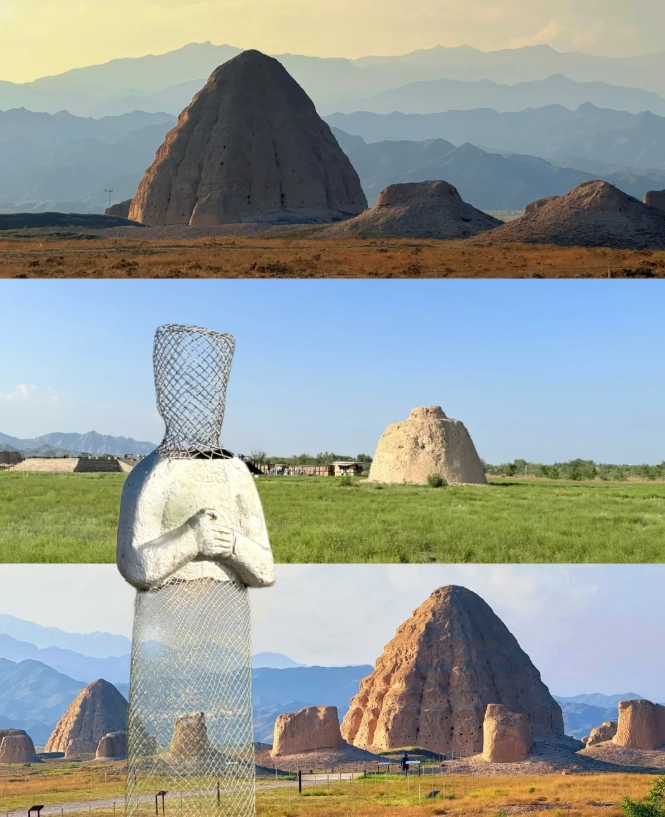
Top 5 Experiences You Can’t Skip in Ningxia
I’ve been guiding in Ningxia for years, and these five never fail to impress. Each one has its own personality, so I’ll give you the honest inside scoop on what makes it worth your time, plus the logistical details that many guides forget to mention.
2.1 Shapotou: The Dune-and-River Combo That Defines Ningxia
The first thing you’ll notice at Shapotou is the scene of sand dunes meeting the Yellow River — it’s one of the most surreal landscapes in northern China. This is where I take every first-time visitor, and it never gets old.
You’ll likely arrive at the East Gate. Pay around 100 RMB for entry, plus extra fees for each activity — camel rides cost around 60 RMB, sand sliding around 50 RMB, and the Yellow River raft ride (traditional sheepskin raft) is another 80 RMB. These prices shift a bit, so check the official signage or use Trip.com to book in advance. You’ll need your passport for ticket purchase.
Here is a trick: go to the west part of the park in the afternoon. The crowds pile up at the main dune in the morning, but the western slope is emptier and gets beautiful golden light after 4 p.m. I always send my clients there for photos. Also, wear sneakers, not sandals — the sand gets hot enough to burn your skin in summer.
To get here, take the bullet train from Yinchuan to Zhongwei South Station (about 1 hour 20 minutes, 108 RMB). From the station, grab a taxi or Didi (Chinese Uber) for a 30-minute ride to the park entrance. Don’t skip the desert cable car — it gives you a cinematic view of the river bend.
2.2 Western Xia Imperial Tombs: The Pyramids of China
If you’re a history geek or just love old ruins, this is the most underrated archaeological site in China. The Western Xia dynasty was wiped out by Genghis Khan, leaving behind these giant mounded tombs that dot the foothills of the Helan Mountains. Locals call them the ‘Eastern Pyramids,’ and honestly, they look like alien mounds from a distance.
Entrance is around 110 RMB, which includes a guided tour bus. The bus takes you to three tomb sites, all with small explanation boards. Make sure you watch the 15-minute intro film in the museum first — it sets the scene. You’ll need your passport to book a ticket online via the official WeChat mini-program or through Trip.com. The park is vast and sun-exposed, so bring water and a hat.
From Yinchuan city, it’s a 40-minute taxi ride. Alternatively, take bus route 30 (marked ‘Xixia Wangling’) from the city center, but it only runs a few times a day. A taxi will cost around 60 RMB one way. Give yourself three hours here — the tombs themselves look similar from afar, but the museum’s artifacts are worth the extra time.
Pro Tip: Don’t be fooled by the name ‘Tombs’ — there are no mummies here, just empty burial mounds. The real treasure is the panoramic view of the mountains and the eerie quiet that comes with visiting a lost empire.
2.3 Zhenbeibu Western Movie Town: Step Into Chinese Cinema
You may not recognize the name, but you’ve seen this place in postcards and in Chinese movies like ‘Riding Alone for Thousands of Miles’ and ‘A Chinese Odyssey’. It’s a rebuilt ancient fortress that now serves as a film set and tourist attraction. It’s a bit kitschy, but I love it anyway.
The entrance fee is around 100 RMB, and it’s open until about 18:00. The set is a maze of mud brick walls, old gates, and fake markets. You can even rent a costume and take movie-style photos — prices start at 50 RMB for a simple outfit. Kids love this place.
Get there by taxi from Yinchuan (30–40 minutes, about 50 RMB). Alternatively, you can take the metro line 1 to the end station and then a short taxi. The best time is right when it opens at 8:30, as it gets busy with tour groups by 10 a.m. Walk to the far edge of the compound, near the ‘Bull Man’s Lair’ set, where the crowds thin out and you can pretend you’re a lonely hero in a desert.
If you’re not into staged movie sets, skip this one and spend extra time at Shapotou. I often tell my clients that it’s a fun stop but not a must-see for everyone.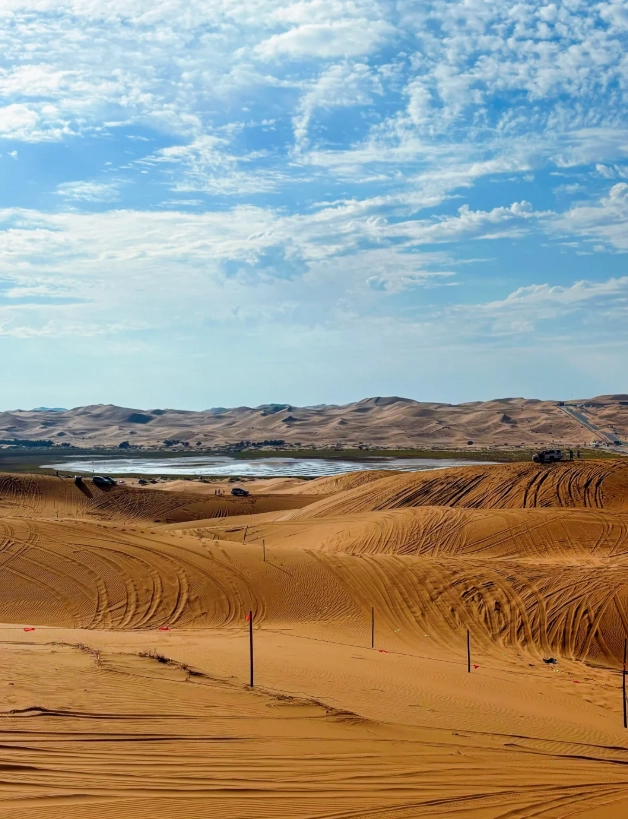
2.4 Helan Mountain Rock Art: Ancient Etchings Worth the Hike
These are not your typical scratched-out cave drawings — they’re vivid carvings of animals, hunters, and sun-worshipping symbols that date back over 10,000 years. The most famous one is the ‘Sun God’ face, which looks like something from an ancient astronaut meme.
The entrance fee is around 70 RMB, and it includes a short sightseeing bus ride into the canyon. You’ll walk on a well-paved boardwalk, so it’s manageable for most fitness levels. Allow 2–2.5 hours. It’s a 40-minute drive from Yinchuan — a taxi costs about 70 RMB one way. There’s no direct public transport, so renting a car or a Dedicated driver is the only convenient option.
Pro Tip: Visit in the morning, when the sun is not directly overhead, so you can actually see the carvings without glare. The afternoon light creates too many shadows. Also, bring a pair of binoculars — some carvings are high on the cliff face and easy to miss.
2.5 Shahu Lake: Desert and Wetland Mashup
For a completely different mood, Shahu Lake is a rare blend of sand dunes, blue water, and reeds. It’s like someone mixed a desert oasis with a swamp, and gave it a gift shop. This is a fantastic spot for families — you can take a boat ride through the reeds, visit a small bird sanctuary, and then climb a mini dune for a bird’s-eye view.
Entrance is around 80 RMB including a boat cruise. Additional activities like sand surfing cost extra. It’s located 50 km northeast of Yinchuan, about an hour’s drive. There’s a public bus from the North Gate Bus Station, but it’s infrequent. I recommend taking a Didi or hiring a driver for the day (around 150 RMB round trip).
I usually suggest visiting Shahu after the crowds at Shapotou, because it’s more laid-back. But if you’re pressed for time, skip Shahu — Shapotou already hits the desert quota.
How to Get Around Ningxia Without Speaking Chinese
Getting around Ningxia is easier than you think, but you have to switch your brain from ‘Google Maps’ to ‘Didi’ mode. I say this because Google Maps is useless here. Instead, download Gaode Maps (AMap), which has an English interface, and you’ll be all set. For driving directions, Gaode is far more accurate than Apple Maps.
For intercity travel, the high-speed rail is the workhorse. Yinchuan to Zhongwei (for Shapotou) takes 1.5 hours. Book tickets on the official China Railway website using your passport number — it’s in English and works with any browser. You can also use Trip.com or Baidu Travel to book.
Within cities, Didi (the Chinese Uber app) is your best friend. It’s available in English and works with an international SIM card directly. You can also flag down a taxi, but it’s hit or miss if the driver speaks English. I always show the driver the Chinese address written on my phone — never rely on a map.
Here’s a quick comparison of your options:
| Mode | Best For | Cost | Time |
|---|---|---|---|
| High-speed rail (Yinchuan–Zhongwei) | Shapotou day trip | 108 RMB | 1h20m |
| Didi (within Yinchuan) | Flexible city hopping | 15–60 RMB per ride | 15–40 min |
| Private car rental with driver | Larger groups, cross-city | 500–800 RMB/day | N/A |
One more thing: always buy your rail tickets at least 48 hours in advance, especially during Chinese holidays. Also, the station security is strict — bring your passport as your ID.
A 24-Hour Yinchuan Itinerary: Speedrun or Slow Burn
Here’s how I plan a full day in Yinchuan that covers the classics without making you feel like your feet will fall off. I’ve fine-tuned this after dozens of tours. You can opt for the ‘speedrun’ (all in one day) or the ‘slow burn’ (split into two days).
08:00 — Breakfast at the hotel: don’t skip it because you’ll need energy. If you’re near the city center, head to the small streets around Yuhang Hotel and grab a bowl of yangza fen (bean jelly) and fried bun.
09:00 — Take a Didi to the Western Xia Tombs (30 min). Start at the museum, then take the shuttle. Spend 2 hours here.
11:30 — Drive to Zhenbeibu Film Studio (20 min). Spend 1.5 hours. Rent a costume if you want.
13:00 — Lunch at a local restaurant near Zhenbeibu. Try the hand-grabbed lamb with a side of 八宝茶 (eight-treasure tea). Ask for English menu; many places have one.
14:30 — If you picked the speedrun, head to Helan Mountain Rock Art (30 min). Spend 2 hours. If you’re slow-burning, skip this and go to Shapotou tomorrow.
17:00 — Return to Yinchuan city. If you want a cheap thrill, hit the West Pyramids viewpoint at sunset — the light on the mounded tombs is unreal.
19:00 — Dinner at the Huaiyuan Night Market (怀远夜市). This is where I always end my day. Grab 酿皮 (liangpi), spicy lamb skewers, and a sugar-covered fried donut. The market opens after 5 p.m. and gets packed after 7 p.m., so go early to avoid the shoulder-to-shoulder experience.
If you have a second day, use it for Shapotou — trust me, it needs a full day. You can also swap the film studio for a visit to the Ningxia Museum (free, and it has a great collection of Western Xia relics).
What to Eat in Ningxia: Beyond the Mutton Cliché
Ningxia is famous for its mutton — specifically the shousheng (hand-grabbed lamb) that is boiled with only salt and eaten with raw garlic. Yes, raw garlic. It sounds intimidating, but the sweetness of the lamb pairs perfectly with the sharpness of the garlic. I always tell my tourists to try it at least once.
Here’s my personal cheat sheet:
- Hand-grabbed lamb — Go to a restaurant named ‘Lao Mao Hand-Grabbed’ or any busy spot near the night market. Tenderness? Off the charts. Price: around 70 RMB per portion.
- 羊杂碎 (yangza sui) — a heavy stew of sheep tripe, liver, and potatoes. It’s an acquired taste, but a hearty breakfast. Try it at a small stall in the morning.
- Eight-treasure tea — sweet date, lily, and tea. The perfect refresher after a day in the desert.
- 酿皮 (liangpi) — cold slippery noodles in a spicy sauce. My go-to snack at the night market.
Most restaurants accept Alipay/WeChat Pay, but only some accept cash. For foreigners, I recommend you set up Alipay with your international card before you arrive. If you run into a place that only takes cash, you’re probably at a very traditional spot — they might not even have a card machine.
Pro Tip: At the night market, point at the food and ask for ‘one little bit’ (yī diǎnr). The vendors will laugh and give you a sample-sized portion. Great way to taste without over-ordering.
Where to Stay in Ningxia
Yinchuan has a good range of hotels, but you need to pick based on your travel style. I’ve stayed in every tier, and here’s my breakdown:
| Hotel Type | Examples | Price Range | Best For |
|---|---|---|---|
| International luxury | Look for well-known global brands in city center | 600–1,200 RMB | Families wanting full service |
| Mid-range business hotel | Jinjiang Inn, Home Inn, 7 Days Inn | 200–400 RMB | Solo travelers, couples |
| Youth hostel | Local YHA and guesthouses near night market | 80–150 RMB | Backpackers |
I usually recommend staying near Jiefang Street or the railway station. The former is walking distance to the night market and the city’s main attractions. The latter is convenient if you’re in transit to Shapotou. Most hotels have Wi-Fi and English-speaking front desk staff, but don’t expect the receptionist to speak fluent English — it’s a safe bet to have your hotel write down directions in Chinese for you.
What’s the Best Time to Visit Ningxia?
If you want pleasant weather and empty dunes, plan your trip for April to May or late September to early October. July and August are scorching — the desert sand can hit 60°C, and trust me, that’s not fun when you’re climbing a dune. Winters are cold (below -10°C), but the tombs and rock art take on a beautiful, bleak look if you’re brave.
I always tell my clients that May and September are the sweet spots: 20°C to 25°C, clear skies, and not a tour bus in sight. If you’re coming for photography, aim for a Sunday afternoon at Shapotou, when the light turns every sand ripple into gold.
Pack a light jacket for the evenings, a sun hat, sunscreen, and a scarf. Sunglasses are non-negotiable — the glare off the sand will make you squint non-stop.
Insider Tips: Payments, Maps, and Avoiding Tourist Traps
Let me save you the headaches. Here are the five biggest adjustments you’ll need to make when traveling in Ningxia as a foreigner.
- Payments are almost entirely digital. Most places, including small stalls, only accept Alipay or WeChat Pay. If you don’t have them set up, you’ll struggle. I recommend linking your international credit card to Alipay before you leave home. Cash is accepted at larger hotels and some restaurants, but don’t rely on it. In the desert, even the toilet might need a QR scan.
- Google Maps is dead in China. Download Gaode Maps (AMap) and use the English interface. It also shows you Didi hailing points. For navigating inside attractions, just follow the star signs in Chinese — they’re usually easy to interpret.
- Book tickets with your passport. Many sites require real-name registration. For things like Shapotou and the Tombs, use booking platforms like Trip.com or Klook — they’ll handle the passport verification. Avoid waiting at the ticket window; it’s usually slower and has less English.
- Learn a few Mandarin phrases. You don’t need to be fluent, but ‘怎么走?’ (how do I get there?) and ‘谢谢’ (thank you) go a long way. Have your hotel write down the names of the places you want to visit in Chinese — showing the driver is 100% easier than trying to pronounce ‘Shapotou’.
- Be ready for a VPN. Many foreign websites (Google, Facebook, Instagram) are blocked. Buy a reliable VPN before you arrive and install it on your phone. The moment you land in Beijing, activate it before you hope to check your emails. For visa details, always refer to the National Immigration Administration.
One more trap: Taxi drivers in tourist spots might try to overcharge you. Always check that the meter is running. If they refuse, just get out and wave for another one. Didi is usually cheaper and has consistent pricing.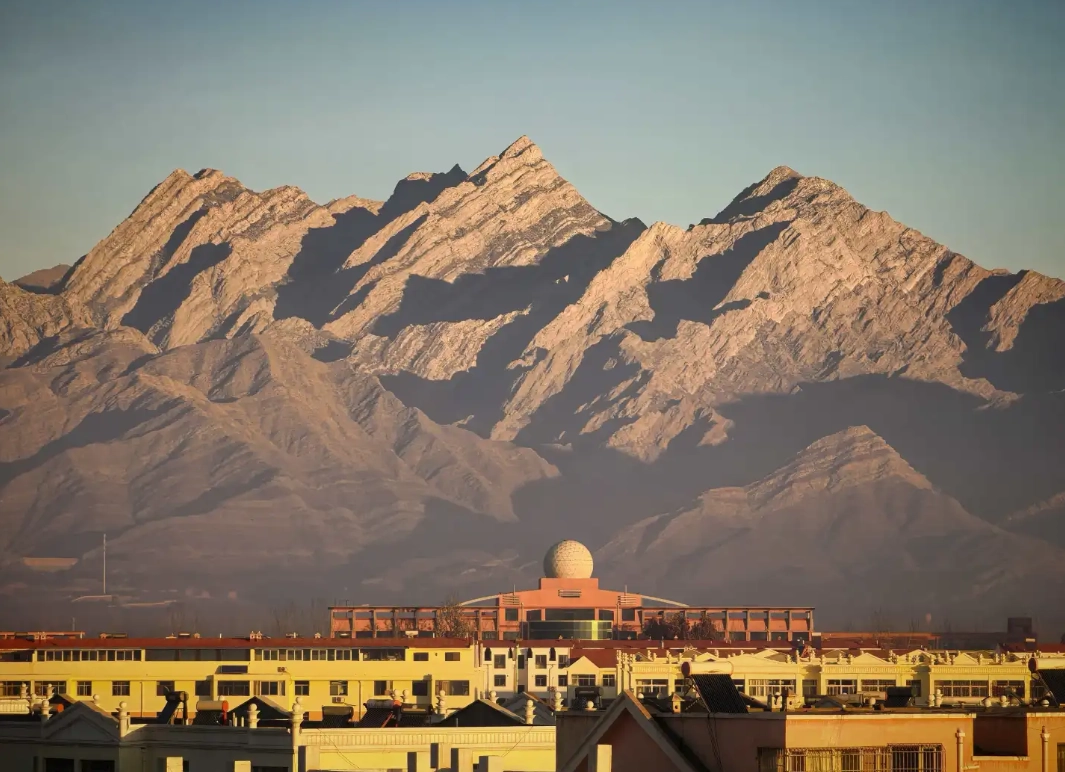
FAQ: Your Burning Questions About Visiting Ningxia
This content has been fact-checked by the editorial team.






No comments yet.