 Yan Zhou
What's Inside
You've landed in Shanghai, ready for neon lights and xiaolongbao. But within 24 hours, you could lose a chunk of cash if you're not careful. I've been guiding here for years, and I've seen it all—tourists sobbing because they paid $200 for a cup of tea, or handing over their passport to a fake cop. Let me save you the trouble. Here are the real scams, the exact spots, and how to walk away untouched.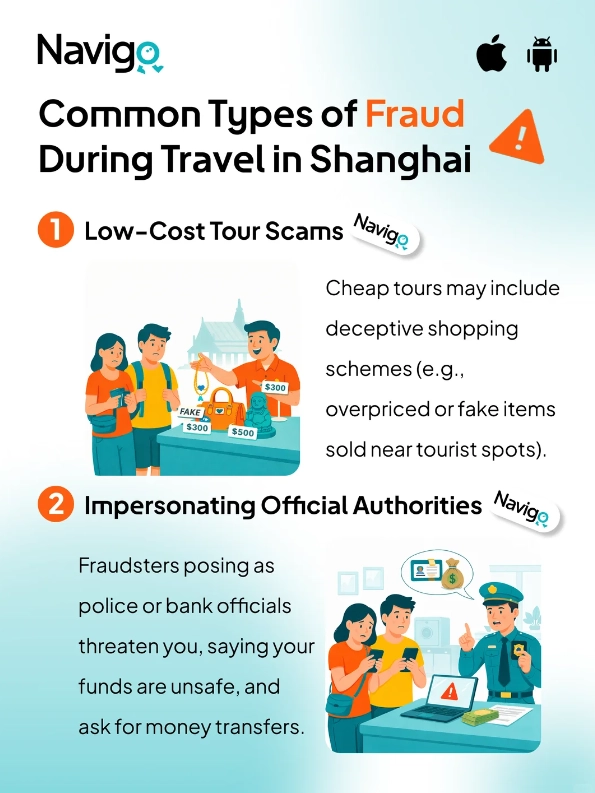
The Fake Ticket Scam at Major Attractions
You're lining up for the Shanghai Tower or Oriental Pearl TV Tower. Suddenly, a “friendly” local offers to sell you a ticket at half price. They say the line is for something else, and they have connections. Don’t fall for it.
What happens: You buy the ticket, it looks legit, but at the turnstile it fails. The scammer is long gone. I watched a family from Australia lose 400 RMB this way last month.
How to avoid: Only buy tickets from the official counter, or pre-book on Trip.com or Klook. These sites are English-friendly and accept international cards. Always use your passport for booking (Chinese apps require real-name registration). Cash? Most counters accept it, but card machines often fail with non-Chinese cards. Use Alipay or WeChat Pay if you can.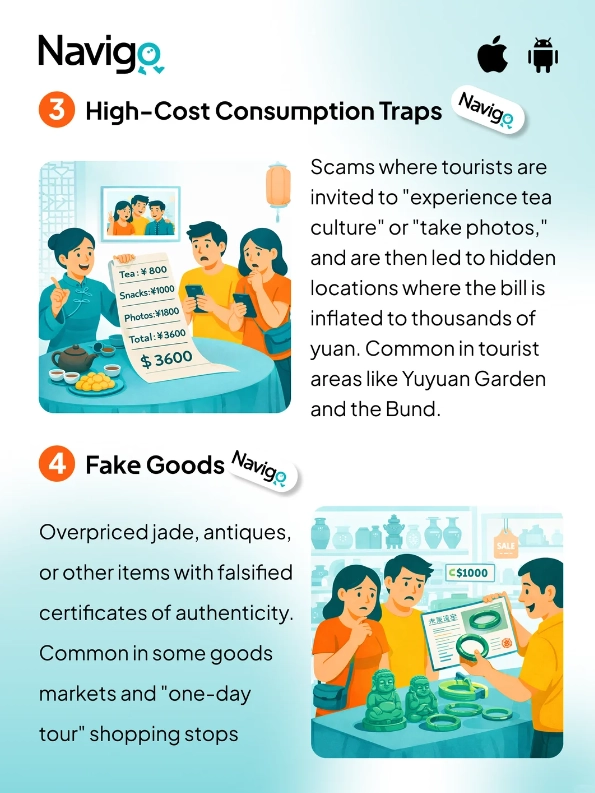
Where this happens most
| Attraction | Common Scam Spot | Safe Ticket Source |
|---|---|---|
| The Bund (外滩) | Near the pedestrian tunnel entrance | Only official counters at actual venues |
| Yu Garden (豫园) | Streets leading to the bazaar | Yu Garden official website or Trip.com |
| Shanghai Tower | Queue outside the building | Ticket office on B1 level |
The Overpriced Tea House Trap
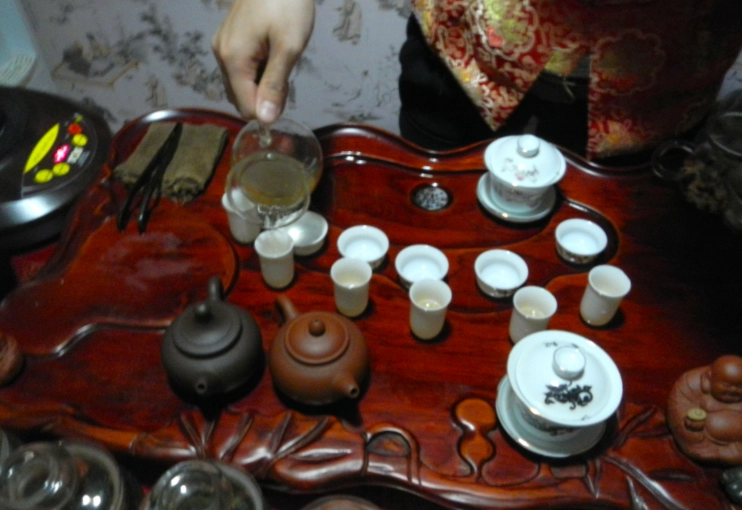
This one is classic. A well-dressed person invites you to a “traditional tea ceremony” near Yu Garden or Old Town. They chat, you feel honored, then you get a bill for 1,000 RMB for a pot of cheap tea. I've seen couples forced to pay because they didn't want a scene.
My advice: Don't follow anyone into a teahouse that doesn't have visible menu prices upfront. The best tea spots in Shanghai are He Cha Dao (和茶道) or Tea by Me—they have English menus and reasonable prices. If you want the experience, book a tea tasting via Klook or Airbnb Experiences (they're vetted).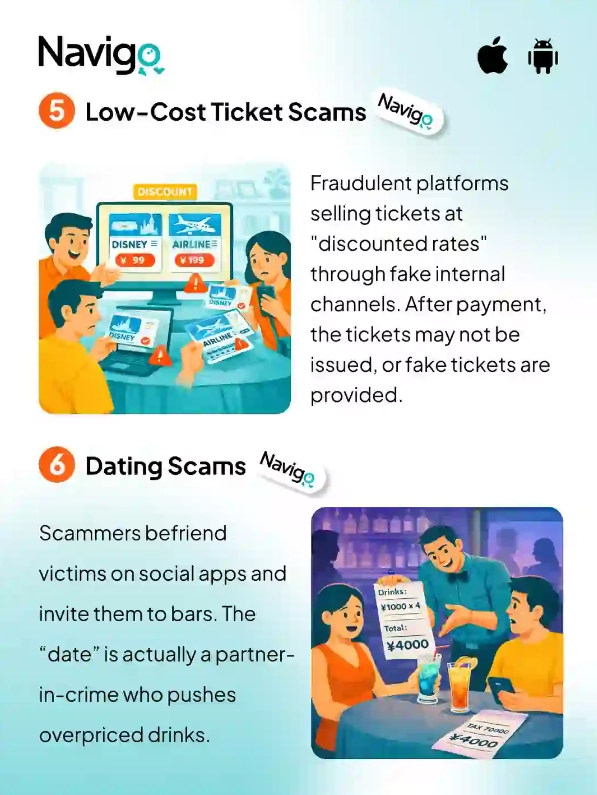
The Taxi Overcharge Trick
Two variations. First: the taxi driver “forgets” to turn on the meter and quotes a flat fare that's 3x the real price. Second: they take you on a scenic route, especially from the airport. I once had a driver take a 120 RMB trip to 250 RMB by circling the inner ring road.
How to beat it: Before getting in, tap your phone screen (the meter) and say “da biao” (meter). If they refuse, step out. Use Didi (China's Uber) - it shows the price upfront and accepts Alipay/WeChat. For airport to city center: flat rate is around 180-220 RMB to People's Square. Google Maps is unreliable here; use Apple Maps or Baidu Maps (English version). Always carry the destination address in Chinese on your phone.
Typical taxi scam amounts
| Route | Real Price (RMB) | Scam Price (RMB) |
|---|---|---|
| Pudong Airport → Jing'an | ~200 | 400-600 |
| Hongqiao Station → The Bund | ~80 | 200-300 |
The Money Exchange Swindle
Never exchange money on the street. A stranger offers you a “better rate” than the bank. They show you a stack of genuine notes, then do a quick swap with counterfeit bills. I've seen this at the Shanghai Nanjing Road Pedestrian Street and near City God Temple.
Safe bet: Use bank ATMs (Bank of China, ICBC) with your foreign card. They give the best rates. Or exchange at your hotel (though rates are slightly worse). Cash is becoming rare in Shanghai - most shops even street vendors use WeChat Pay or Alipay. If you must carry cash, small bills only.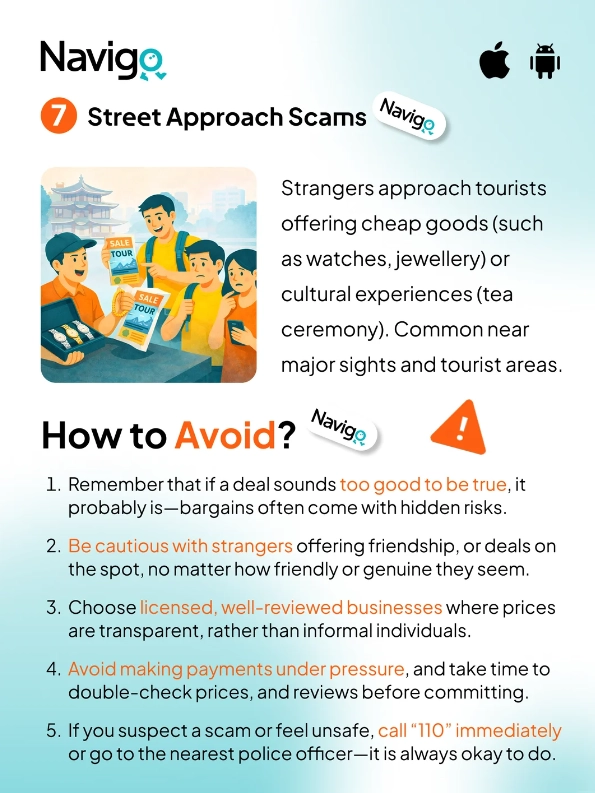
The 'Police' or 'Official' Scam
Someone dressed as a police officer stops you and asks for your passport. They say there's a “problem” and demand a fine on the spot. Real Shanghai police will never ask for money in the street. They'll take you to a station if there's an issue.
What to do: Politely say “I'll go to the police station with you.” If they insist on cash, know it's a scam. Call 110 (China's emergency number) or ask a local shop owner to help. Most locals will assist a foreigner in trouble.
How to Protect Yourself from Scams
Here's a quick survival kit I give all my clients:
- Payment: Set up Alipay with your international card before you arrive (takes 10 minutes). For taxi, use Didi linked to Alipay. Cash is accepted but you'll get change rarely - many places prefer digital.
- Navigation: Apple Maps works reasonably well in English. Download Baidu Maps English version for public transport. Always have Chinese text of your destination ready (I suggest screenshot).
- Booking: Use Trip.com or Klook for attractions - they accept foreign cards and have English chat support. Avoid WeChat mini-programs unless you read Chinese - they're a pain for foreigners.
- Language & VPN: Install a VPN BEFORE landing (ExpressVPN or NordVPN work). Download Apple Translate or Baidu Translate for offline phrases like “I’ll call the police”.
- Trust your gut: If a deal sounds too good, it’s a trap. I always tell my groups: “The only people who approach you on the street in Shanghai are either selling something or scamming you. Ignore them and keep walking.”







No comments yet.