 Ming Yang
Quick Navigation (What You'll Learn)
- What Makes Guizhou's Top Things to Do Special?
- Top Thing #1: Huangguoshu Waterfall
- Top Thing #2: Xiaoqikong Scenic Area
- Top Thing #3: Xijiang Miao Village
- Top Thing #4: Zhenyuan Ancient Town
- Top Thing #5: Fanjing Mountain
- Top Thing #6: Qingyan Ancient Town
- Practical Tips for Guizhou's Top Things
- How to Plan a Guizhou Itinerary
- FAQ: Guizhou Questions Answered
Let me paint you a picture — it's 8 AM, and I'm standing at the entrance of Huangguoshu Waterfall with a couple from Boston. They've been glued to their phones, trying to book tickets on a Chinese app that keeps rejecting their passports. I've seen this a hundred times. Guizhou is incredible, but the logistics can be a headache. That's why I'm writing this — to save you the frustration. After years of guiding travelers here, I'll show you the top things to do in Guizhou, minus the stress. From waterfall thunder to misty karst peaks, here's the real deal — my six must-sees, with the exact steps to make it happen. Stick around for my blunt advice on tickets, transport, and avoiding crowds.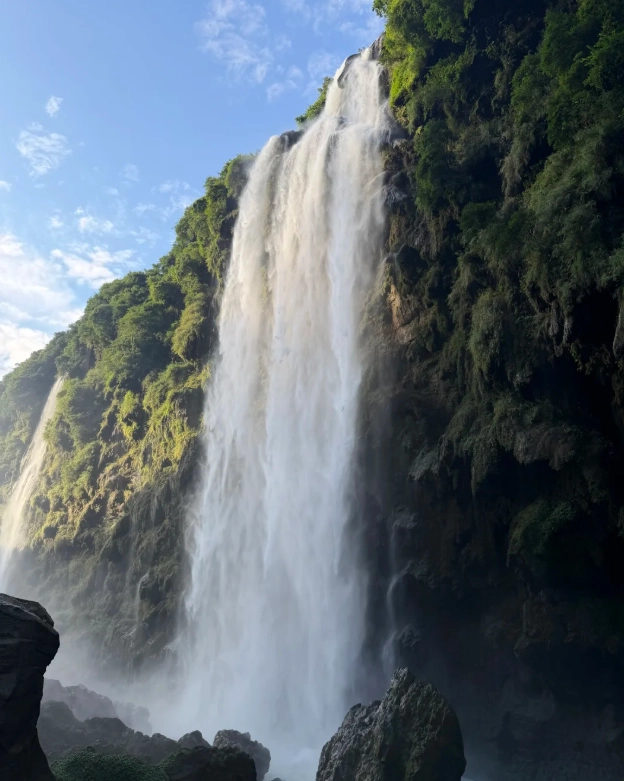
What Makes Guizhou's Top Things to Do Special?
Guizhou often gets skipped by first-time China visitors who stick to Beijing, Shanghai, and Xi'an. But that's a mistake. This mountainous province in southwest China is packed with natural wonders and ethnic culture that you simply don't get elsewhere. The top things to do in Guizhou range from plunging waterfalls to serene karst forests, and the region is a hotspot for the Miao, Dong, and Buyi people. What I love most? The raw, un-touristy vibe. Even at popular spots, you can find a quiet corner if you know where to look.
Top Thing #1: Huangguoshu Waterfall — The Crown Jewel
Tickets, Hours, and Why You Need to Book Ahead
Huangguoshu is China's largest waterfall, located about 45 minutes outside Anshun. For many, it's the main reason to come to Guizhou. I've brought dozens of groups here, and the roar of the water hitting the pool never gets old. Adult tickets cost around RMB 160, plus RMB 50 for the necessary sightseeing bus. You can skip the bus if you fancy a long walk, but honestly, take the bus — the entrance to the main falls is a good stretch.
The opening hours are roughly 7:00 AM to 6:30 PM in summer, closing a bit earlier in winter. You must reserve your ticket online — this is not a walk-in attraction. Foreigners can book via the official WeChat mini-program or via platforms like Trip.com. Just have your passport handy for entry.
How to Get to Huangguoshu
Take a high-speed train from Guiyang North to Anshun West (about 30 minutes), then grab a taxi or bus to the scenic area (taxi costs around RMB 80, about 45 minutes). If coming directly from Guiyang, you can also join a day tour, but I've always preferred self-driving or taking the train — it's more flexible.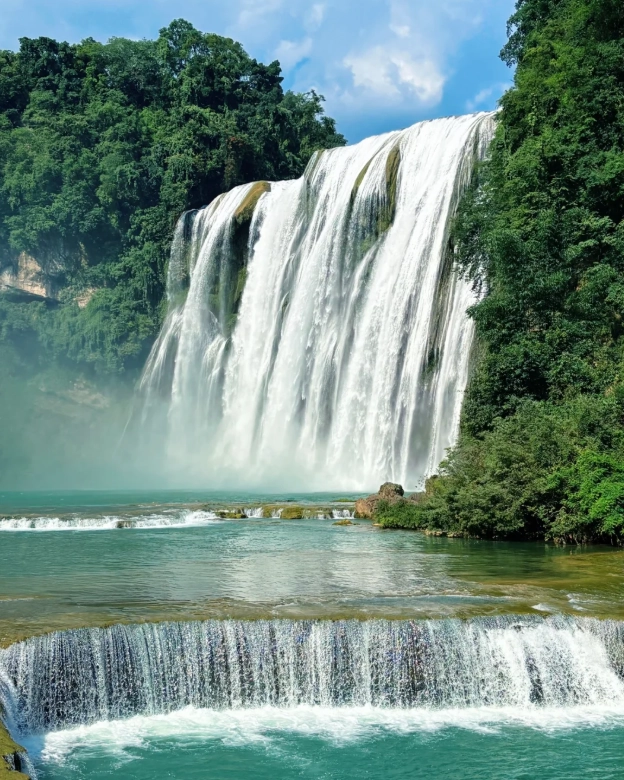
My Insider Tip
Most tourists arrive between 10 AM and 2 PM, which means you'll be battling tour groups at the main viewing platform. Instead, come at 8 AM right when it opens. The light is better, the mist is magical, and you'll have the first photo spot almost to yourself. Also, avoid buying rain ponchos from the touts near the entrance — get one at the kiosk inside for RMB 5 cheaper.
What You Might Not Know
There's a cave behind the waterfall called Water Curtain Cave (Shuilian Dong). It's a 20-minute walk inside the rocks, and I always recommend it — you get a unique back view of the falls. Just expect to get a little wet. Bring a waterproof bag for your phone.
Top Thing #2: Xiaoqikong Scenic Area — Nature's Masterpiece
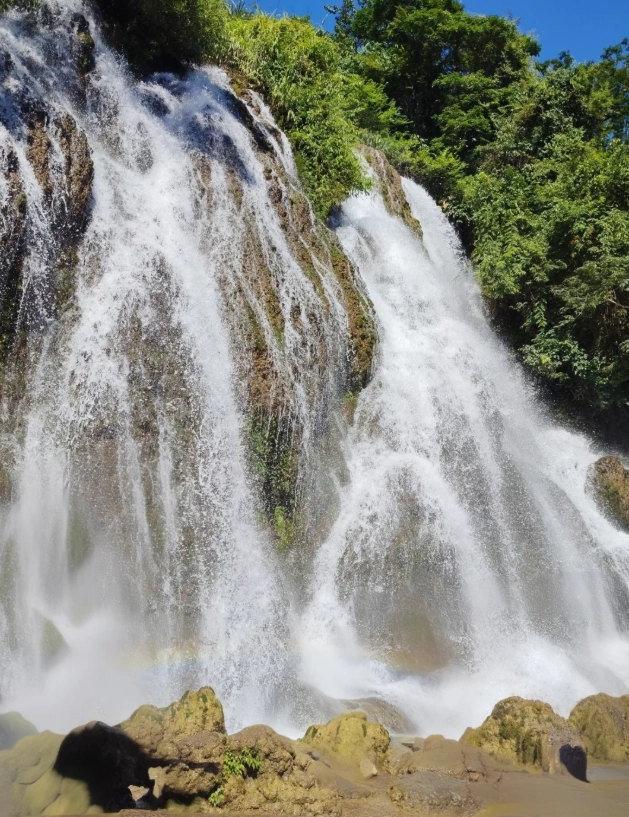
In southern Guizhou, Libo County is home to Xiaoqikong, a UNESCO-listed karst forest reserve. The name means "Seven Small Arches Bridge" — a stone bridge built during the Qing Dynasty. This is my favorite spot to bring clients who want lush greenery without the crowds. The water is so turquoise it looks artificial.
Know Before You Go
- Ticket: RMB 130 (includes a bus, worth it)
- Hours: 7:30 AM – 5:00 PM
- Time needed: 4–5 hours at minimum
- Best time: Early morning or late afternoon
Getting to Xiaoqikong
From Guiyang, take a high-speed train to Libo Station (about 2 hours), then a taxi or shuttle to the scenic area (30 minutes). You can also break the trip with an overnight in Kaili or Xiaojie, but I've found that a direct early train allows you to arrive before the tour buses.
Where to Walk Inside
Once inside, the first stop is the famous bridge. Don't spend too long here — head deeper to Wollongong Lake and the Emerald Pool. The walking paths are very well maintained, but they involve a lot of stairs. Wear shoes with grip; the stones get slippery when wet.
Pro Tip for Photographers
The light best hits the Emerald Pool around 3:30 PM. That's when the sun filters through the canopy and turns the water into a glowing jewel. My clients always get their most Instagram-worthy shots there.
Top Thing #3: Xijiang Miao Village — Step Into a Living Miao Culture
Xijiang is often promoted as the world's largest Miao village, with over a thousand wooden stilt houses clinging to a hillside. Yes, it's touristy, but if you spend a night here, it transforms. The day-trippers leave by 6 PM, and you get the valley to yourself as the lanterns light up.
Booking and Tickets
The entrance fee is RMB 100, but you need to arrange your accommodation inside the village to stay overnight. Many hotels are run by local families, but book ahead — during Golden Week, rooms sell out months in advance. Foreigners can book through Trip.com or use a local guide service like mine to handle the details.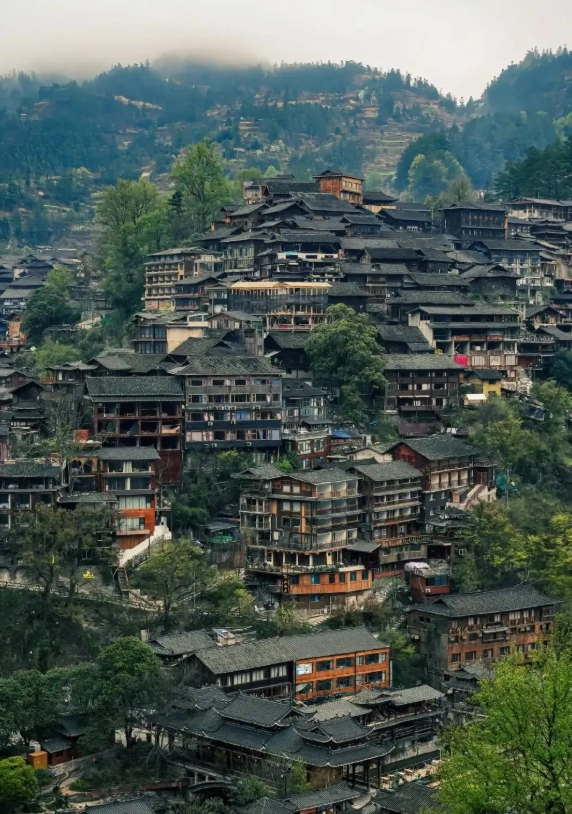
Getting There
From Guiyang North, take a train to Kaili South (about an hour), then a taxi or shuttle for another 40 minutes. The public bus from Kaili runs every 20 minutes and costs around RMB 20. If you're carrying a lot of luggage, I recommend the taxi — the village entrance is far from the main parking lot.
What to Do Once You're There
Wander the ancient streets, watch a Miao embroidery demo, and climb up to the viewing deck for the postcard view of the tiered rooftops. For dinner, try the local sour soup fish (suantangyu) — it's a Guizhou specialty. I always send my groups to Laoma Restaurant on Guding Street; the owner speaks a little English and the spicy duck is legit.
Insider Advice
Skip the long commercial show at the village square — the tickets aren't worth the cost. Instead, find the free performance at the village's outdoor theatre, which happens twice a day. Same culture, no price tag.
Top Thing #4: Zhenyuan Ancient Town — A Timeless Riverside Retreat
Zhenyuan is my favorite place to recommend for a chill day. Compared to the crowds in Beijing's hutongs, this 2000-year-old town feels like a secret. It's set along the Wu River, with wooden stilt houses, old arches, and a winding walkway. The vibe is relaxed — you can rent a small boat and float under the bridges at sunset.
Entry and Access
Good news: entry is free. You only pay for boats (around RMB 60) or specific historical sites like the Confucius Temple (RMB 30). The river runs right through town, so you can easily explore on foot.
How to Get There
From Guiyang, high-speed trains take about 90 minutes to Zhenyuan Station. From there, it's a 15-minute taxi (RMB 20) to the ancient town. The train station is actually close — no long transfers needed.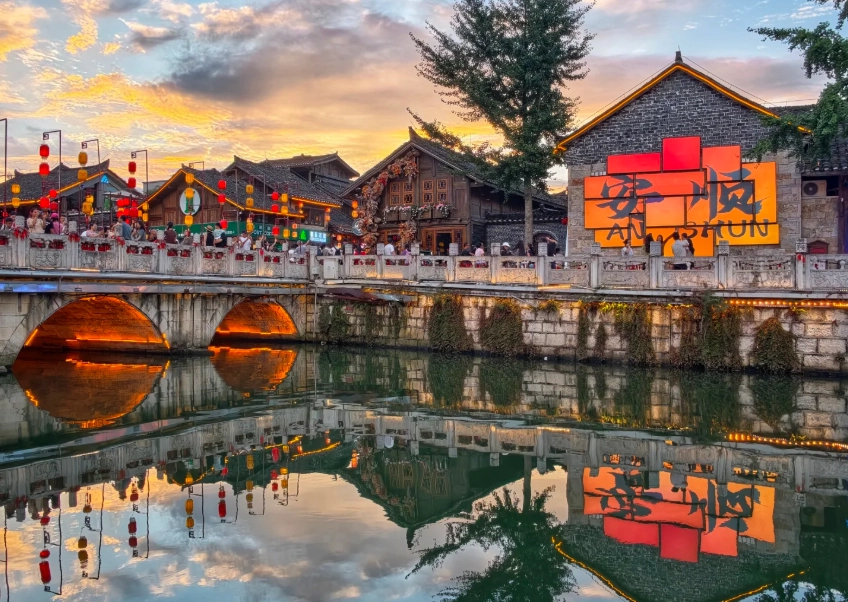
Where to Stay and Eat
I like Ming Garden Inn (around RMB 250/night) because it has a balcony overlooking the river. For food, don't miss the local rice tofu called mianqi — it's like a savory pancake, perfect with a cup of local tea. If you're on a budget, the snack street near the main bridge has skewers for as little as RMB 3.
My Favorite Thing
Take the cable car up to Yuping Mountain, right opposite the town. From the top, you get a bird's-eye view of the river's S-bend — the reason Zhenyuan is called "The Venice of Guizhou" by locals.
Top Thing #5: Fanjing Mountain — A Test of Willpower
Fanjing Mountain, a UNESCO World Heritage site, is the highest peak of the Wuling Mountains. The summit, known as Red Cloud Golden Summit, is a double-peaked pinnacle with a temple perched on top. It's a sacred Buddhist mountain and an obvious challenge for hikers. When you enter the park, you'll need to take a shuttle bus and then a cable car to get near the top. The climb to the summit still involves steep ladders and chains — it's not for the faint of heart.
Important Details
| Item | Info |
|---|---|
| Ticket | RMB 100 (plus shuttle and cable car, total around RMB 200–240) |
| Hours | 8:00 AM – 6:00 PM (last entry around 3 PM) |
| Time needed | At least 6 hours |
| Best period | April to October, but check for fog |
Getting There
From Guiyang, take a high-speed train to Tongren South (about 90 minutes), then a bus to the mountain gate (about 45 minutes). The journey is long but straightforward. I recommend staying overnight at the base village to catch the sunrise.
My Advice
Do not attempt the summit if it's raining or foggy — the visibility drops to zero, and you'll miss the whole point. I once led a group in heavy mist and they left disappointed. Check the weather forecast and be flexible. And buy the cable car ticket — the trail up from the shuttle bus is long and steep. Trust me, your knees will thank you.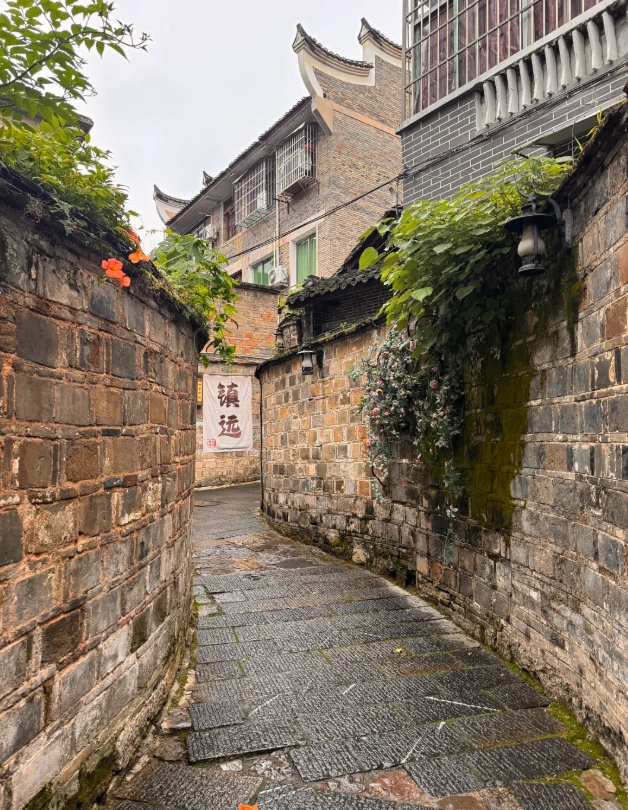
Top Thing #6: Qingyan Ancient Town — The Perfect Add-On
Just 30 kilometers from Guiyang, Qingyan is a small Ming Dynasty fortress town that's a breeze to visit. It's not as grand as Zhenyuan, but I include it because it's a convenient escape from the city when you have a spare afternoon. The cobblestone alleys, stone gates, and old stilted houses give you that old-China feel without a big time commitment.
Tickets and Hours
Entry is free if you just wander the main streets; some heritage buildings require a RMB 10 pass. Hours are 8 AM to 6 PM. I suggest coming after 4 PM — the tour groups dissipate and the golden light is gorgeous.
How to Get to Qingyan
From Guiyang city, take Bus 210 from the central bus station (about 40 minutes, RMB 5) or take a taxi for about RMB 60. It's also a common stop on many Guizhou day tours.
What to Eat
Qingyan is famous for pig's feet (tizhuang) and rose ice powder. I always stop at the stall by the Dingguang Tower for a bowl of ice powder with fresh blueberries — it's the perfect refresher after a walk.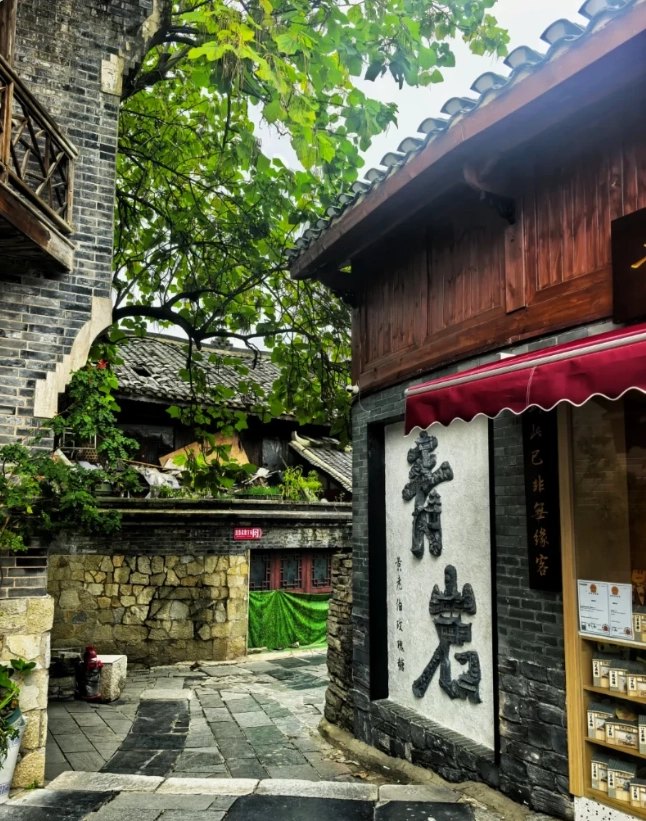
Practical Tips for Visiting Guizhou's Top Things to Do
Book Tickets Smartly
Many attractions now require real-name registration with your passport number. The WeChat mini-program can be tricky if it's in Chinese only. My solution: use Trip.com or Klook — they accept international cards and let you book in English. For the less touristy spots, have your hotel write the attraction name in Chinese to show to a taxi driver or at the ticket office. For visa policies, always refer to the National Immigration Administration's official site at National Immigration Administration.
Payments: Alipay and WeChat Are King
As a foreigner, you can still link your foreign credit card to Alipay or WeChat Pay now, but only after you set it up with your passport. I've seen this work seamlessly after a setup process. Carry some cash as a backup, but note that many rural vendors only accept mobile payments. If you haven't set it up, do it before you arrive — I've had clients stuck in lines because they couldn't pay.
Getting Around
The high-speed rail network connects Guiyang to all major spots in 1–2 hours. Download Amap (高德地图) or Apple Maps for navigation — Google Maps is unreliable in China. For taxis, use the DiDi app (English version works) or simply flag a cab; always show the Chinese address. For long-distance trains, book via Trip.com or the official China Railway site, 12306.cn.
Power and Language
Bring a universal adapter (China uses Type A/C, 220V). Have a VPN pre-installed if you need access to Google, WhatsApp, or Instagram. Download a translation app like Baidu Translate or Apple Translate, and save the offline package for Mandarin.
Packing for Guizhou
The terrain is mountainous and often rainy, even in summer. A lightweight rain jacket and sturdy walking shoes are non-negotiable. The high altitude in Fanjing can make it chilly — pack a fleece layer. I always tell my clients to bring motion sickness pills too — the winding mountain roads get intense.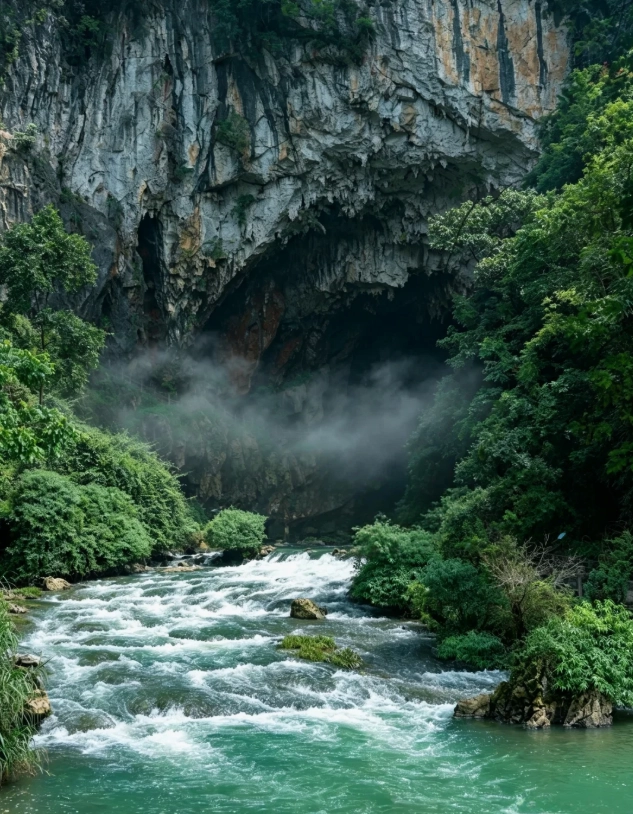
How to Plan a Guizhou Itinerary Around These Top Things
3-Day Express Itinerary (The Highlights)
If you only have 72 hours, skip the regional spread and focus on the two biggest stars: Huangguoshu and Fanjing. Start with Day 1 in Huangguoshu, sleep in Anshun. Day 2, train back to Guiyang and take the high-speed rail to Fanjing base in Tongren. Day 3, summit Fanjing early, then return to Guiyang for a nighttime walk in Qingyan. It's tight but doable.
5-Day Balanced Itinerary (My Recommended Route)
- Day 1: Arrive Guiyang, fly/drive to Huangguoshu, overnight in Anshun.
- Day 2: Return to Guiyang, train to Libo for Xiaoqikong, overnight near the park.
- Day 3: Morning in Xiaoqikong, train to Kaili, transfer to Xijiang Miao Village for sunset.
- Day 4: Explore Xijiang, early afternoon train to Zhenyuan, walk the river at dusk.
- Day 5: Morning in Zhenyuan, return to Guiyang, spend afternoon in Qingyan before departing.
This keeps travel times under 2 hours between stops.
Common Mistake to Avoid
Don't try to squeeze in all six spots in less than 5 days. The province looks small on a map, but the mountains slow everything down. I've seen tourists panic over missed connections because they overbooked. Trust me, slow travel is the way here.
FAQ: Your Questions About Guizhou's Top Things to Do
Verified and fact-checked by the editorial team.





No comments yet.