 Fang Wang
So, is Anhui worth visiting? Short answer: Yes. Long answer: It depends on how you plan it. I've spent years leading travelers through this rugged province, and every time I see the same mistake—people cramming Huangshan and Hongcun into two days and ending up exhausted. Let me save you that pain. Anhui is a wild mix of misty granite peaks, ancient villages that look straight out of a Ming dynasty painting, and one of China's most underrated cuisines. But it's also a place where poor planning can turn magic into misery. Here's the thing: most first-timers book their flights to Hefei, the provincial capital, and then waste half a day rushing to the real sights. Instead, fly directly to Huangshan if you can. That's the ultimate shortcut. Now, let me break down exactly what this province offers and how to experience it without losing your mind.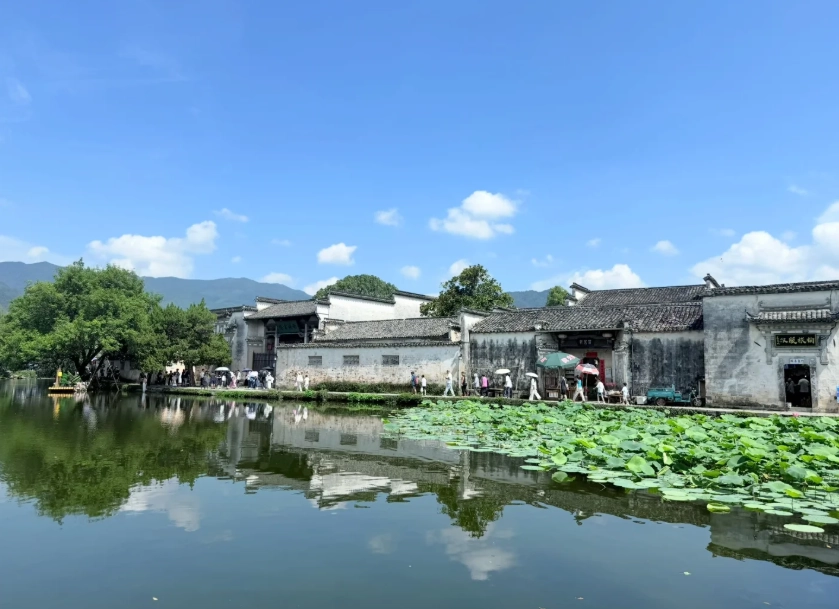
What Makes Anhui Worth Visiting?
The Mountains: More Than Just Huangshan
Huangshan (Yellow Mountain) is the crown jewel, but it's not the only peak that deserves your time. I always tell my clients that Huangshan is spectacular, but so are the surrounding areas like Qiyun Mountain (齐云山) and the sacred Buddhist mountain Jiuhua (九华山). If you're short on time, focus on Huangshan—it's a UNESCO World Heritage site listed on whc.unesco.org and it lives up to the hype. The granite peaks, ancient pines, and sea of clouds are almost otherworldly. But here's a counterintuitive tip: skip the famous Sunrise or Sunset. Yes, you read that right. The best light often happens mid-morning, after the crowds have moved up the cable car, but the real magic is in the afternoon when the low clouds roll through the valleys. At 2 PM, the peaks are less crowded, and the shifting shadows make the rocks look alive.
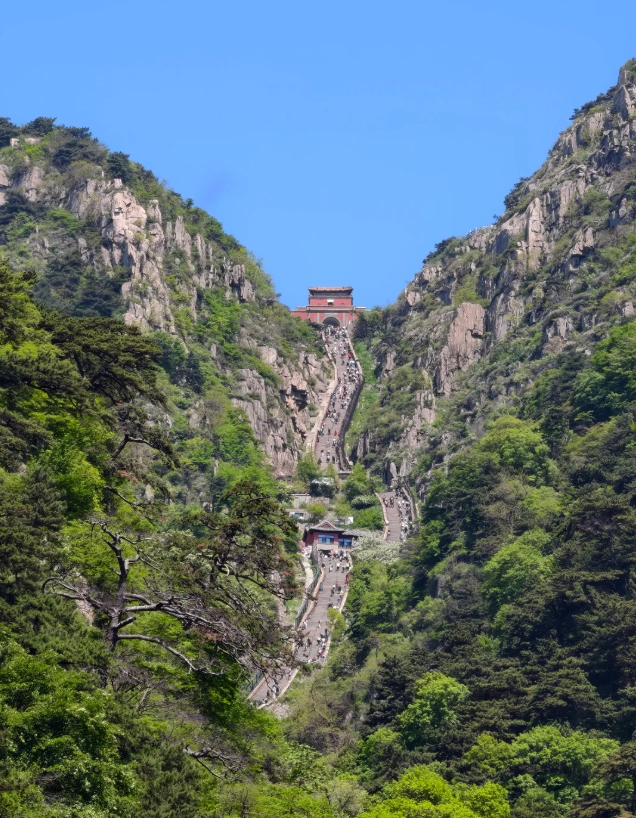
Now, the actual experience of hiking Huangshan isn't like climbing Mount Tai. The trails are well-maintained but brutally steep in sections. Many visitors underestimate the physical effort—I've seen people in sandals and flimsy sneakers, which is a huge mistake. You need proper hiking shoes, and even then, your knees might punish you the next day. The cable cars are a lifesaver, but the queues can be long (sometimes an hour in peak season). Pro-tip: arrive at the cable car station before 7:30 AM to beat the tour groups.
The Villages: Hongcun vs. Xidi vs. Tunxi
Hongcun (宏村) may be the most famous, but Xidi (西递) and Tunxi Old Street (屯溪老街) offer distinct experiences. Hongcun's iconic Moon Lake and southern-style water residences are postcard-perfect, but it can become a human sea during day trips. I once watched a couple trying to photograph the lake while a hundred selfie sticks were waving around. If you can, stay overnight in Hongcun itself—the village clears out after 5 PM, and the calm atmosphere is exactly what you saw in pictures. Xidi, a 15-minute drive away, has a more subtle beauty, with fewer shops and more authentic Ming-era architecture. It's also a UNESCO site, but it feels less commercialized. And don't overlook Tunxi Old Street, the perfect overnight stop near Huangshan's airport—it's a riverside lane with tea houses and porcelain shops that breaks up mountain time.
Both Hongcun and Xidi charge around 104 RMB entrance, but the villagers live and work inside, so you'll see daily life everywhere. I recommend doing Hongcun in the late afternoon, staying the night, then heading to Xidi for a few hours the next morning. It's a more relaxed pace and gives you better photo opportunities.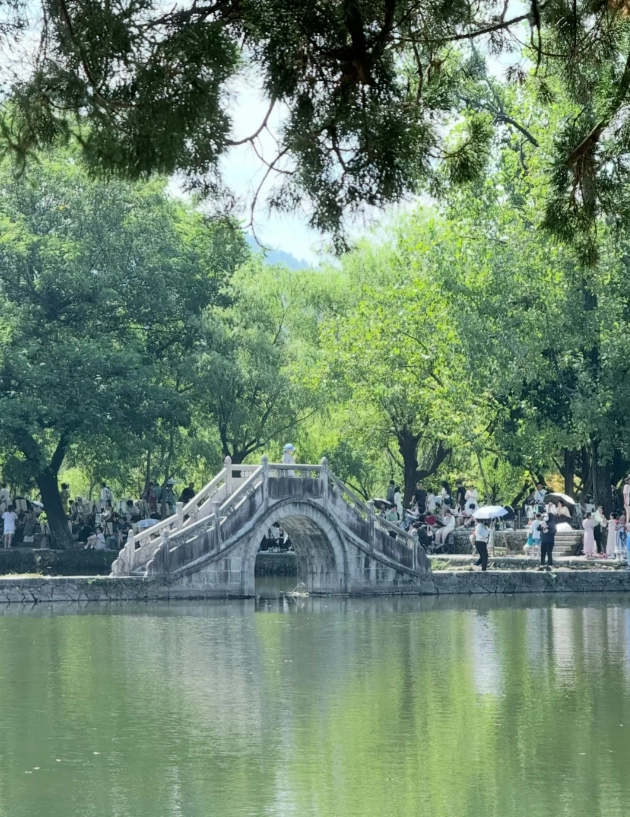
The Culture: Hui-Style Architecture, Tea, and Ink
Anhui's heritage goes beyond scenery—it's the heart of Hui-style architecture, green tea, and the famous inkstone. The white walls, black tiles, and curving eaves you'll see all over the province? That's the Hui style, and it's deeply tied to the region's mercantile history. I love taking guests through the intricate wood carvings in the villages—they tell tales of prosperity and filial piety that Chinese travelers enjoy explaining. And for tea lovers, Anhui is where Huangshan Maofeng and Keemun black tea originate. Visit a tea plantation in Yixian County, where you can pick leaves and watch the roasting process. For something extra, head to Huizhou Inkstone Workshop in Shexian, where artisans turn river stones into inkstones that have been treasured for centuries. These experiences are off the main tourist circuit but add a full layer of meaning to your trip.
How to Plan an Anhui Itinerary That Won't Exhaust You
My Suggested 3-Day Route
Instead of rushing from city to city, base yourself in two spots: Tangkou (at Huangshan's base) and Hongcun. Here's a realistic schedule I've used with many groups—you can adapt it based on your fitness and interests.
Day 1: Arrive at Huangshan North Station (via high-speed train or flight to Tunxi International Airport). Take the scenic bus from the station to Tangkou—it takes about 50 minutes and costs around 30 RMB. Check in to a hotel in Tangkou, store luggage, then visit the less-known but beautiful Chengkan Village (呈坎) in the afternoon. It's only 30 minutes away and gives you a taste of villages without the Hongcun crowds. Return to Tangkou for dinner—the local bamboo shoot and oily tofu stew is a must-try.
Day 2: Wake up before dawn and transfer to the Yungu Cable Car at the Huangshan scenic area. Be first in line if you want to see the sea of clouds without crowds. Spend the full day hiking the Western Great Canyon loop (西海大峡谷) and the famous zones like Bright Top (光明顶) and Crystal Screen Pavilion (玉屏楼). Stay at a hotel on the mountain overnight to catch sunset and sunrise without the mass entry crowds. Costs are higher (expect 300-800 RMB for a basic room), but it's worth it for the experience.
Day 3: Watch sunrise, then take the cable car down by 8 AM. Head directly to Hongcun via the local shuttle bus (arrives by 10 AM). Drop your bags at a village guesthouse, then spend the day exploring at a lazy pace. I always suggest having a simple lunch at a hujia (local family) restaurant—try the braised river fish and stewed tofu. In the evening, take a lantern-lit walk along the Moon Lake and listen to the frogs. The next morning, you can detour to Xidi before catching your onward transport.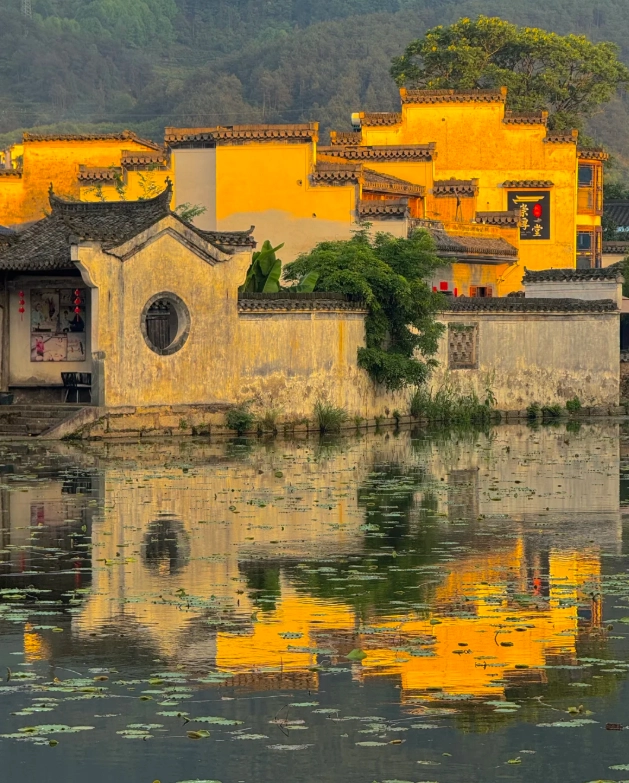
Getting Around: Trains, Buses, and the Cursed Shuttle
Anhui's transport is surprisingly easy if you understand the two main hubs: Huangshan North Station and Huangshan Scenic Area. High-speed trains link Huangshan North Station to Hangzhou, Shanghai, and Beijing in hours—schedules are on 12306.cn. From the station, look for the official tourist bus to Tangkou (also known as the “travel center”)—ignore the touts who try to drag you into private cars. The bus is cheap and reliable.
Inside the scenic area, you must use the eco-friendly shuttle buses to get between trailheads. They are compulsory and cost around 38 RMB each way. Here's the catch: during Chinese national holidays, the shuttle queues can be 30 minutes or more. Try to avoid these periods (October 1-7, May Day) unless you want to test your patience. Also, remember that the last shuttle down the mountain usually leaves around 5 PM, so plan your return.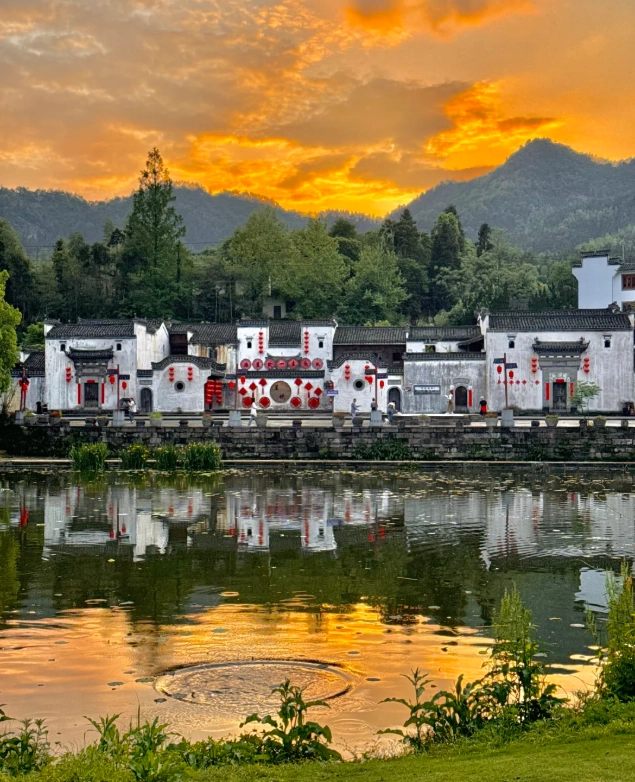
How Much Does It Cost to Visit Anhui?
Budget estimates for a first-time traveler are around 800–1,500 RMB/day including lodging, meals, and transport. Below is a realistic cost table based on a solo traveler with mid-range comfort. Prices vary by season and availability.
| Item | Budget (RMB) | Mid-Range (RMB) | Luxury (RMB) | Notes |
|---|---|---|---|---|
| Entry tickets (Huangshan + Hongcun + Xidi) | 350 | 350 | 350 | No discounts for solo travelers; students get half price with valid ID. |
| Cable cars (up/down) | 160 | 160 | 160 | Double cable car routes if you choose Baixiong Pass |
| Accommodation (per night) | 150-200 (hostel in Tangkou) | 300-500 (business hotel) | 500-1500 (mountain hotel) | Mountain hotels are pricier and fill up fast. |
| Food (three meals) | 50-80 | 120-200 | 300+ | Simple noodle shops to family restaurants |
| Local transport (bus/private) | 30-50 | 50-100 | 150-300 | Private drivers from North Station add convenience |
One thing many foreign visitors overlook is the deposit system. At some hotels (especially guesthouses), you have to pay a cash deposit or block a credit card. Keep enough cash or have Alipay set up. And don't assume your international credit card works—always have cash as backup in case the machine doesn't accept foreign cards.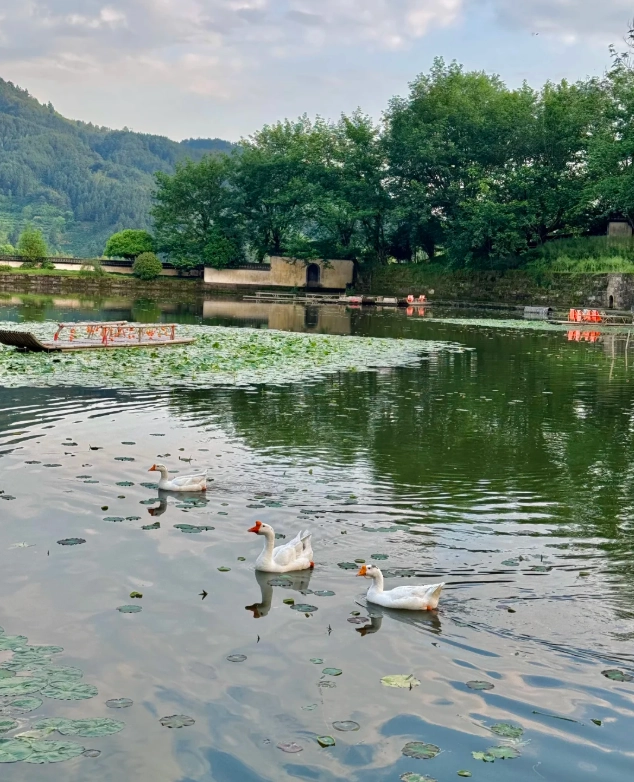
Where Should You Stay in Anhui?
Choosing where to sleep matters a lot because it shapes your access to sunrise views and village nightlife. Here's a comparison to help you decide.
| Option | Distance to Key Spots | Est. Price/Night | Best For | Key Considerations |
|---|---|---|---|---|
| Mountain hotel (e.g., Crowne Plaza Huangshan) | Located inside scenic area | 500-1500 RMB | Sunset & sunrise chasers | Only option for watching both times without early shuttles |
| Tangkou village (e.g., Chengshuige Inn) | 10 min to cable car station | 180-300 RMB | Budget travelers, families | Need to take shuttle from interchange (15-20 min) |
| Hongcun guesthouse (e.g., Dehao Family) | Inside the village | 250-600 RMB | Culture lovers, photographers | You'll wake up to villagers' daily life |
| Tunxi old street (e.g., Banyan Tree Hotel) | Near airport, 1 hr from Huangshan | 200-800 RMB | Those with early flights | More budget options but less natural |
And here's a piece of advice I give every client: if you're staying in Tangkou, verify the hotel's shuttle service. Some hotels offer a free ride to the scenic area entrance, which can save you the public shuttle fare and a lot of waiting time.
When Is the Best Time to Visit?
Anhui rewards visitors who can adapt to the seasons. My personal favorite is early November, after the summer crowds but before the bitter cold. The autumn colors framing the ancient villages are stunning, and the skies are clear. In Spring (April-June), you get the famous sea of clouds, but more rainfall. Summer (July-August) is hot and humid, with peak domestic tourism. Winter (December-February) can be freezing, but snow on Huangshan is unforgettable—just make sure the cable cars are operating.
A common mistake I see is people planning around peak festivals without knowing that Chinese national holidays (Oct 1-7 and May Day) turn the mountains into a wall of people. I cannot stress this enough: avoid these specific calendar dates at all costs. If you have flexible travel dates, book your visit for a midweek period, and you'll thank me.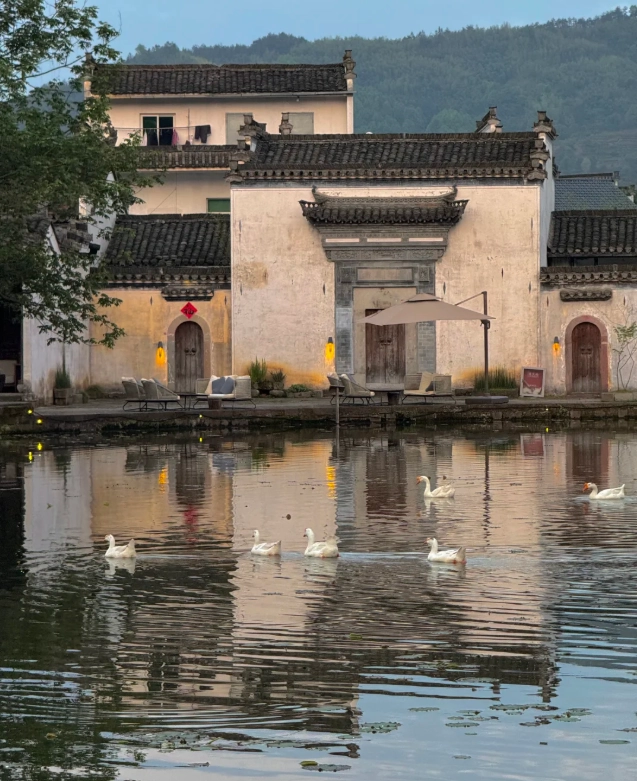
FAQ: Your Anhui Travel Concerns, Answered
This content has been fact-checked to ensure informational precision. Ticket prices and schedules are based on the latest available data at the time of writing, but always confirm on official websites or through your hotel concierge for real-time changes.





No comments yet.