 Ming Yang
Quick Guide to Guizhou After Dark
I remember my first night in Guiyang — stepping out of a taxi into the chaos of Qingyun Road, the smell of skewers and sour soup hitting me like a wall. It was 10 PM and the street was alive. That night, I realized that what to do in Guizhou at night is a whole different world from the daytime. Most travelers rush through the day chasing waterfalls and villages, then crash early. Big mistake. Guizhou after dark is where the real rhythm of the province starts. But here is the catch: navigating nightspots without Chinese language skills, reliable maps, or a VPN can drain your energy fast. So I have boiled down this guide to what I genuinely do with my guests — seven local-pick night experiences, plus the exact transport and ticket tricks you need.
If you are short on time, jump straight to the 7 Best Things section — the rest is context.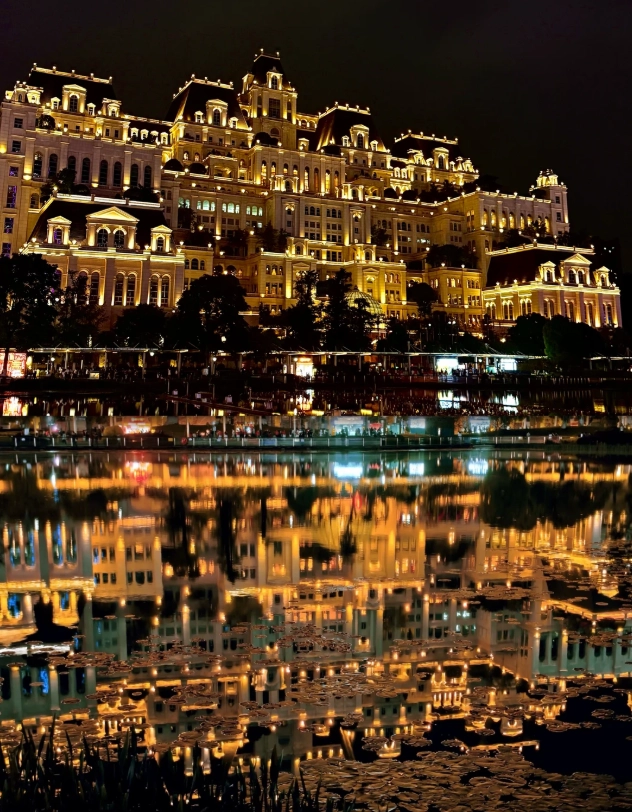
Why Guizhou Comes Alive After Dark
Guizhou is often called the “hometown of summer” — but its nights are even cooler. Literally. The province’s low latitude and karst hills create a natural air conditioner, so evenings are pleasant even in August. But more than weather, the culture wakes up. Miao and Dong villages light up with bonfires and song, city squares fill with synchronized dancers, and night markets serve things you won’t see elsewhere — think sour fish soup, glutinous rice cakes, and grilled flatbread with chillies. For me, the best part is the contrast: after dark, the layers of history and ethnicity become more intimate, like the old city walls of Qingyan dressed in soft lantern light. If you are planning a trip, don’t restrict your itinerary to daytime. The night is not a downtime — it’s a separate itinerary waiting to be booked.
The 7 Best Things to Do in Guizhou at Night
Over the years I have hosted dozens of foreign guests, and these seven experiences are the ones that consistently get the “wow”. I have listed them roughly by how quickly you can do them from Guiyang, not by importance.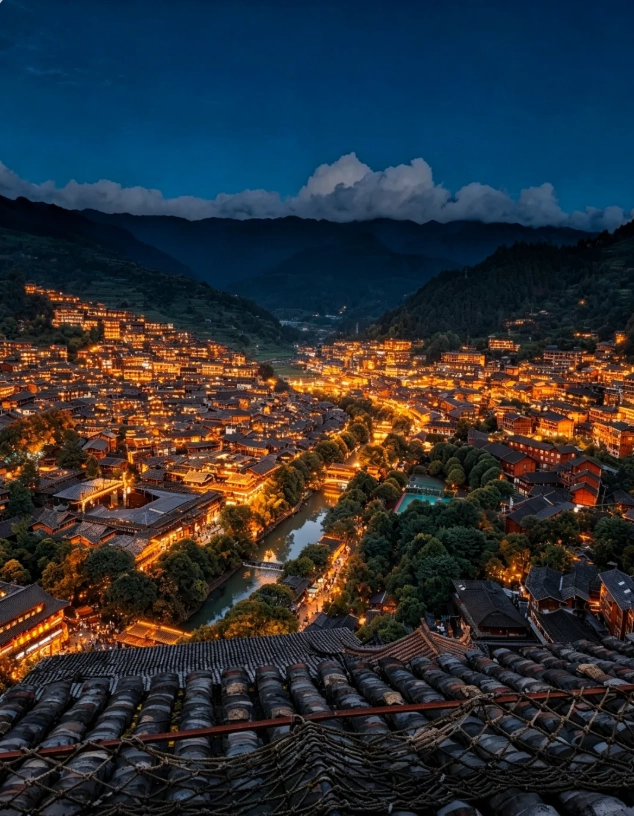
Top 1: Explore Qingyun Road Night Market
Qingyun Road is not just a food street — it’s a sensory overload of sizzling woks and spicy aromas. The market stretches for about 800 meters near the river, with over a hundred stalls and small restaurants. Go around 8 PM when the vendors are fully out. Do not miss the local sour fish stew and the legendary changwang noodles (肠旺面). I always order a plate of spicy tianxiang tofu and regret it the next morning, but that is part of the experience. Insider tip: look for the stall with the longest queue — that is usually a good sign. Mobile payment works everywhere, so set up Alipay or WeChat Pay before you arrive. If you struggle without cash, find a young person nearby; most are happy to help.
Top 2: Admire the Jiaxiu Tower Night View
Jiaxiu Tower, the city’s signature landmark on the Nanming River, is stunningly lit after dusk. The tower itself dates back to the Ming Dynasty, and at night it reflects in the water with golden lights. The best photo spot is on the bridge just east of the tower — arrive by 8 PM to catch the lights fully on. The tower’s internal viewing area may close early, but the exterior light display runs until late. The whole area is free. I have taken a dozen guests here, and every single one thought the night view beat the daytime version. Pro tip: walk around the nearby Wenchang Pavilion — it is quieter and offers a different angle.
Top 3: Watch the Colorful Guizhou Cultural Show
The Colorful Guizhou (多彩贵州) show at the Guizhou Grand Theater is a modern production blending Miao song, Dong dance, and acrobatics. It is the easiest way to understand the province’s ethnic diversity in one night. Performances typically start at 8 PM and last 90 minutes. Tickets range from 100 to 200 RMB depending on the seat. I urge you to book through Trip.com or Klook — they accept foreign cards. The theater is near the train station, and the show includes English subtitles on screens. One heads-up: it is more “put together” than an authentic village performance, but it is a solid intro. If you can not get tickets, look for other evening cultural shows posted around the theater.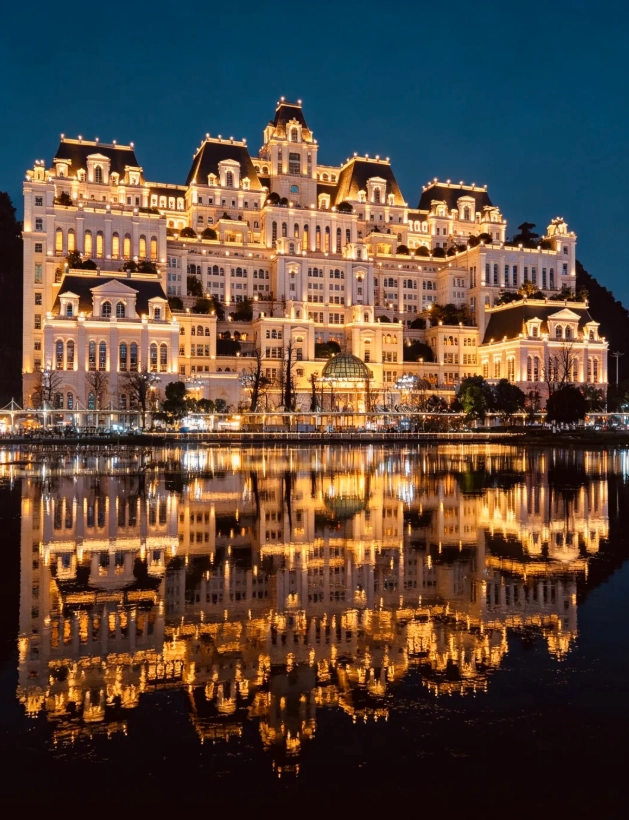
Top 4: Stroll the Huaguoyuan “White Palace” Area
A modern architectural marvel that echoes the White House, Huaguoyuan’s “White Palace” is an Instagram-worthy night sight. Located within a huge residential complex, the palace is actually a financial center, but its white-domed exterior lights up beautifully after sunset. The best view is from the plaza across the lake — reachable by taxi, since the metro does not connect directly. Use the landmark “Huaguoyuan Wetland Park” as your drop-off point. There are plenty of food trucks and small bars along the lake. This spot is less about history and more about modern China’s ambitions — a favorite among independent travelers.
Top 5: Try Night Street Food on Erqi Road
Erqi Road Snack Street should be your Plan B if Qingyun Road is too crowded. It is a purpose-built food alley near the train station, with over 200 stalls under one roof. Many vendors accept mobile payment only, so come with your phone charged. I always bring guests for the duojiao fish (剁椒鱼) — it is tomato-forward and less spicy than you would think. The alley stays open until midnight, and you will find several stalls serving suan tang (酸汤), a Guizhou specialty. This is where locals bring out-of-town friends, so authenticity is solid.
Top 6: Take a Day Trip for Xijiang Qianhu Miao Village Nightscape
Xijiang Qianhu Miao Village, about a three-hour drive from Guiyang, is spectacular when thousands of wooden houses glow on the hillsides. Yes, it is a day trip, but staying overnight is the only way to see the full light display and morning fog. If your schedule allows, book a hotel inside the village. The village’s main observation deck is crowded at sunset, so I recommend the side paths on the left side for a quieter view. Admission is around 100 RMB, but night entrance policies vary — check the official WeChat account. Day visitors who arrive in the morning often miss the best hours, so plan for a 4 PM arrival if possible.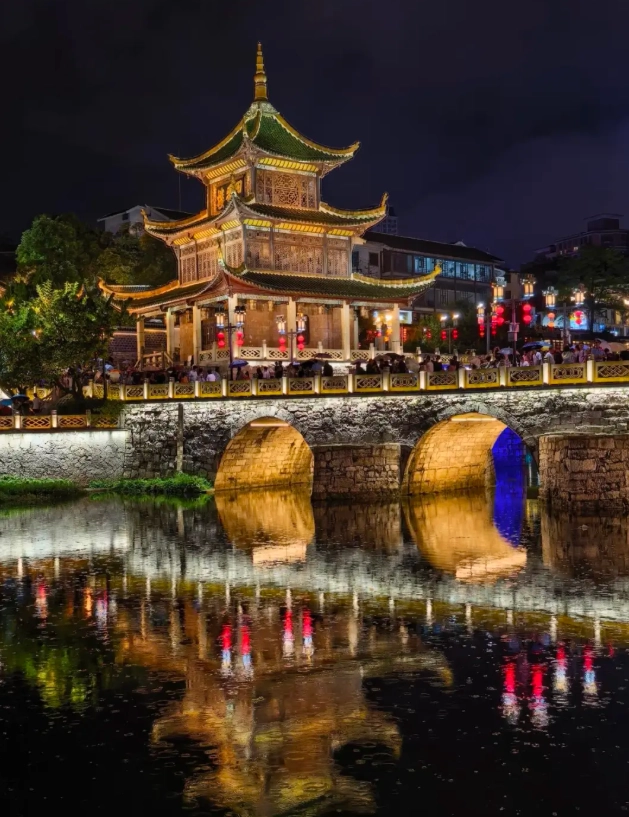
Top 7: Explore Qingyan Ancient Town After Dark
Qingyan Ancient Town, a Ming Dynasty fortress town 30 km from Guiyang, transforms into a lantern-lit wonderland at night. Many tour agencies only offer daytime trips here, but I have started bringing guests for evening visits to avoid the crowds and enjoy the cooler air. The town is famous for its stone walls and pork trotter noodles. After 6 PM, most day-trippers leave, and you will have the alleyways almost to yourself. Admission after dark is often reduced, but the exact fee changes by season — check the official ticket policy. Local merchants close early, though, so eat before you go or bring snacks.
How to Get to the Best Night Spots in Guizhou?
Getting around central Guiyang after dark is easier than you think, but you need to know the right tool. Google Maps is unreliable in China — download AMap (Gaode) before you arrive, or use Apple Maps for decent English navigation. Taxis are cheap and plentiful, but always carry your destination in Chinese characters to show the driver. For longer trips, the metro runs until about 11 PM, but it covers only a few night spots. The table below summarizes the best transport for each location.
| Attraction | Best Transport | Travel Time from Guiyang Center | Notes |
|---|---|---|---|
| Qingyun Road Night Market | Metro Line 1 to Exhibition Center Station, then taxi | 20 minutes by taxi | Combine with riverside walk |
| Jiaxiu Tower | Metro Line 1 to Jiaxiu Tower Station, exit B | 15 minutes | Near Wenchang Pavilion |
| Colorful Guizhou Show | Taxi from city center | 10 minutes | Near train station |
| Huaguoyuan “White Palace” | Taxi only | 30 minutes | Use wetland park as landmark |
| Erqi Road Snack Street | Metro Line 1 to Railway Station, exit A | 10 minutes | Indoor food alley |
| Xijiang Miao Village | High-speed train to Kaili, then bus | 3 hours total | Book train via official railway site |
| Qingyan Ancient Town | Bus #203 from city center | 45 minutes | Last bus back about 10 PM |
For train schedules to Kaili (for the Miao village), always check the official railway website to avoid third-party scams. If you are staying overnight in the village, carry your passport — you will need it for hotel check-in.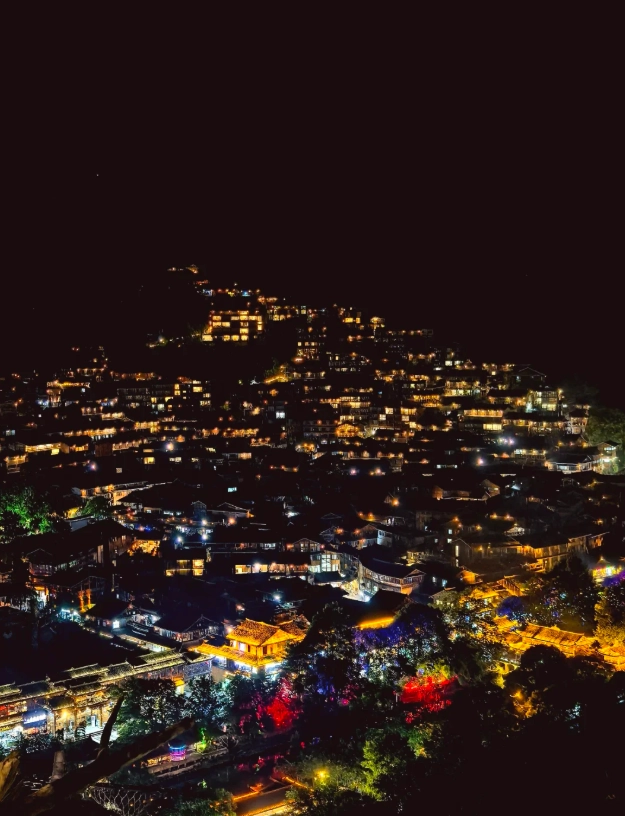
What Should You Know Before Going Out at Night in Guizhou?
Here is the practical list I give every client before they step out after dark.
Payment is mostly mobile-based. Many night market vendors accept only Alipay or WeChat Pay. Set up your own account before the trip — the process requires a foreign passport and a local phone number, but you can often use your own international number. If you have an international bank card, link it to Alipay after downloading the app. Carry a small amount of cash as backup; some older vendors still accept it.
Navigation will fail without a plan. Google Maps is inaccurate and often shows locations incorrectly. Download AMap or use Apple Maps offline. For taxi rides, have your destination written in Chinese on your phone. I keep a voice memo with phrases like “青云路” and “甲秀楼” for emergencies.
Safety is generally excellent. Guizhou is one of China’s safer provinces for night wanderings, but stay aware in crowded areas. Policing is visible, and serious crime against tourists is rare. The biggest risk is traffic — look both ways and avoid jaywalking on busy roads.
A VPN is essential. If you rely on Facebook, Instagram, or Google services, you will need a reliable VPN installed before arriving. Chinese internet filters block these. Download it while overseas and test it at the airport.
Language barrier is real but manageable. English is not widely spoken, especially outside major hotels. Use translation apps like Apple Translate or Baidu Translate for menus and simple questions. Most young locals can read English through their phones, so write down key phrases.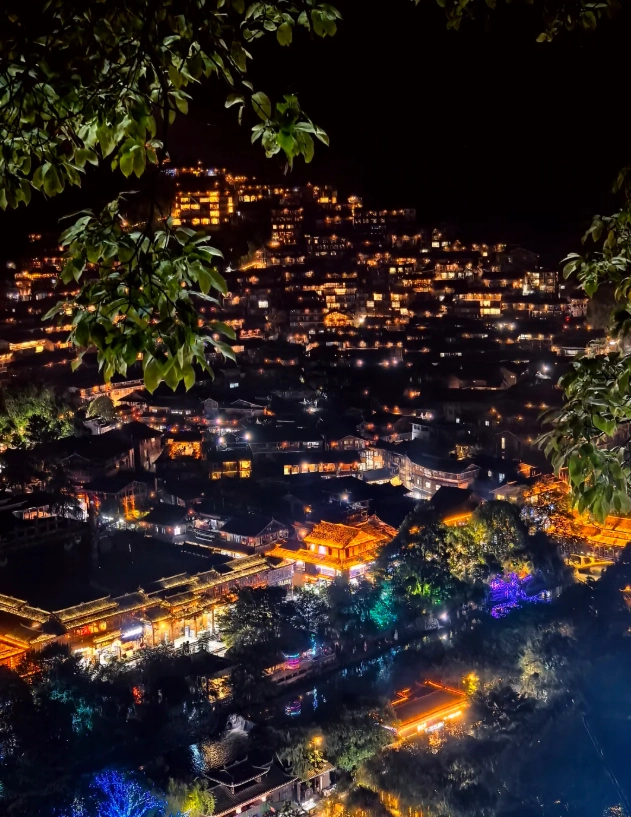
FAQs about Guizhou Night Activities
A quick note on visas: Most travelers need a tourist visa (L visa) to enter China. For the latest requirements, check the National Immigration Administration before booking flights.





No comments yet.