 Tao Xu
Skip to What You Need
Let me be honest — I've lost count of how many travelers tell me they plan Hubei only as a stopover to Chongqing or a base for Yangtze cruises. Then they leave with the same regret: they never saw Hubei at night. That's a shame, because after dark, cities like Wuhan, Yichang, and Xiangyang transform. I've spent years guiding groups through these streets, and I'm here to fix that. Forget the outdated "everything closes early" rumor. Here's the real deal on what to do in Hubei at night.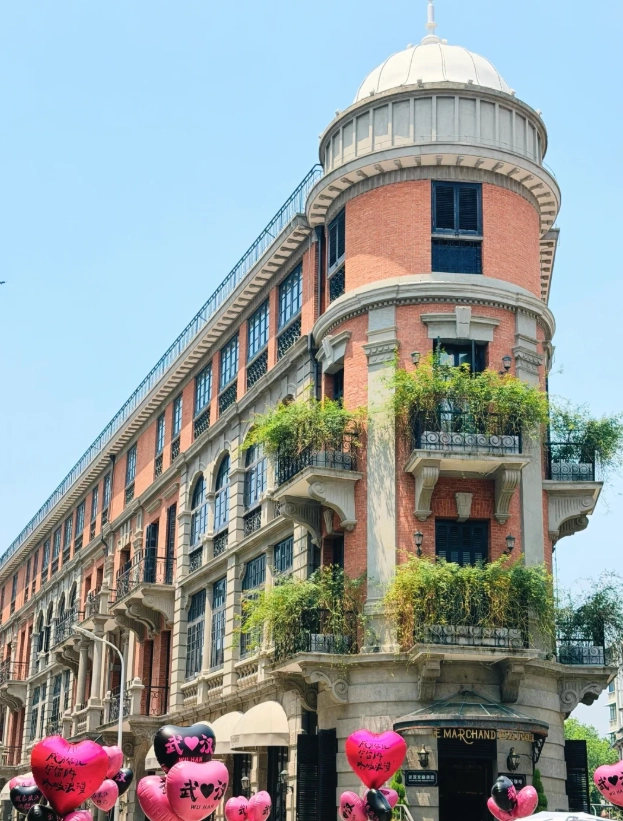
Why Hubei Is Worth Exploring After Dark
Many travelers rush to Hubei for the Yangtze River cruises or the ancient architecture, then vanish to their hotels by 8 PM. Big mistake. Hubei's cities are most alive after dusk. The heat of the day fades, the neon lights flicker on, and locals pour into the streets to eat, sing, and stroll. In Wuhan, the Yangtze River banks turn into a glittering light show. In Yichang, riverside parks fill with families. And in small towns, night markets spring up with sizzling skewers. Honestly, missing Hubei's night is missing half the culture.
Beyond the urban buzz, Hubei is home to several UNESCO World Heritage sites, like the Wudang Mountains and the Shennongjia area. While these aren't open at night, you can plan your daytime visits accordingly and spend evenings in the nearby cities. Check the UNESCO World Heritage list to see how this province packs in history.
What to Do in Hubei at Night: My Top 7 Picks
Below are my absolute favorite night experiences. I've personally tested each one — and I've also had to adjust plans when things didn't work out (more on that later). Here's the list in no particular order, but each one is worth your time.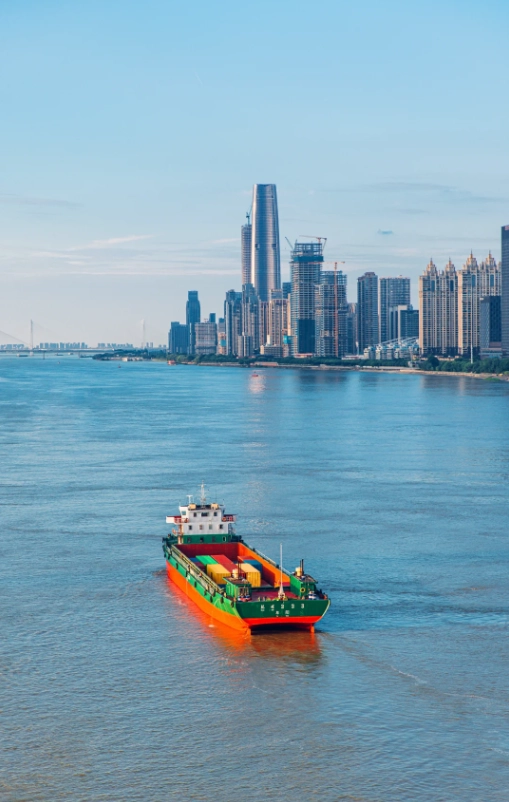
1. Yellow Crane Tower Night Tour
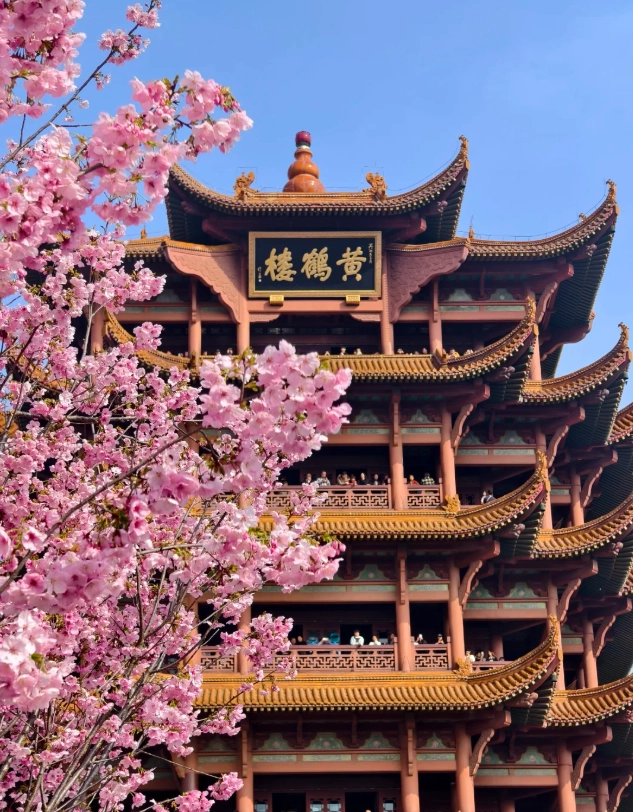
The Yellow Crane Tower is one of China's most famous landmarks, but the night show takes it to another level. The tower hosts a multimedia light show that uses the ancient building as a canvas, telling stories of poets and warriors. You can also climb the tower for a panoramic view of Wuhan's skyline and the Yangtze River Bridge.
- Address: 1 Huanshan Road, Wuchang District, Wuhan. The west gate is the main entrance for night visitors.
- Getting there: Take Metro Line 5 to the Yellow Crane Tower Station (exit B), then walk about 10 minutes. Or just take a taxi — it's a well-known spot.
- Hours: Generally open until 9:30 PM during the night show season, with last entry around 8:30 PM. But hours change seasonally, so confirm before you go.
- Tickets: The night tour often costs less than the daytime ticket, but you'll need to reserve a specific time slot. Foreigners can book via Trip.com or the official WeChat mini-program, but if the mini-program is too daunting, ask your hotel receptionist to help you reserve. You'll need your passport number.
Insider Advice: The light show starts about 30 minutes after sunset. Get there 20 minutes early to grab a spot in the plaza. Also, the night view from the fifth floor is the best — don't stop at the lower floors.
2. Yangtze River Night Cruise
A night cruise along the Yangtze River is the most romantic way to see Wuhan's urban landscape. You'll glide past illuminated bridges, riverside skyscrapers, and the iconic Yellow Crane Tower glowing on the hill. The cruises depart from both Wuchang and Hankou docks.
- Departure points: Wuchang Zhonghua Road Wharf (near the Yellow Crane Tower) and Hankou Wuhan Guan Wharf (near the Old Concession area). Boats often leave at 7:30 PM and 8:30 PM, but schedules vary.
- Tickets: Prices range from about 100 to 180 RMB depending on the boat class and deck. Some include tea and snacks. You can book through your hotel or platforms like Trip.com.
- Pro Tip: Book the upper deck if you want unblocked views. The river wind can be strong, so bring a light jacket even in summer.
- Payment: Most ticket booths accept Alipay or WeChat Pay, but cash may be accepted at a few. International cards are rarely accepted, so have your mobile payment ready.
3. Stroll Through Hubu Alley
Hubu Alley in Wuchang is the undisputed king of Hubei night food. This 150-meter-long lane is packed with more than 100 vendors selling steaming hot dry noodles (re gan mian), three-cornered rice cakes, stinky tofu, and lotus root soup. It's chaotic, loud, and absolutely delicious.
- Location: At the southern foot of Yellow Crane Tower. The alley is closed to vehicles, so you walk everywhere.
- Best time: Go around 6 PM, when the vendors are setting up. By 8 PM it gets shoulder-to-shoulder.
- Payment: Almost all stalls use QR codes. Cash is rarely accepted, so make sure you have Alipay or WeChat Pay set up.
- What to try: I always get the re gan mian at "Cai Lin Ji" (蔡林记), a century-old noodle brand. The sesame-sauce paste with thick, chewy noodles is addictive. Also, grab some fried lotus root — Hubei is famous for its lotus.
- Watch out: The alley gets incredibly crowded. Keep your phone in your front pocket. Toilet facilities are limited — there's a public restroom near the north exit, but lines are long. Plan ahead.
4. East Lake Night Walk
East Lake in Wuhan is the largest urban lake in China, and its night scenery is a hidden gem. The greenway around the lake is illuminated with soft lights, making it perfect for a casual bike ride or a stroll. You'll see locals exercising, couples sitting on benches, and small snack stalls along the way.
- Access: The lake has multiple entrances. For the night scene, the Moyuan (Mo Hill) area is most convenient. Take Metro Line 8 to Liyuan station, then walk to the Moyuan gate.
- Free entry: The greenway is free. Some specific attractions within the lake complex charge a fee, but at night they're usually closed anyway.
- Pro Tip: Rent a shared bike — the cycling loop is about 20 km. If you're not used to cycling, stick to the section between the Moyuan and Tingtao scenic areas. Night cycling is breezy and beautiful.
5. Hubei Provincial Theatre Performance
For a dose of traditional culture, check out a nighttime opera at the Hubei Provincial Theatre. The venue hosts performances of Chu opera, Han opera, and sometimes acrobatics or folk music. It's a rare chance to see local art that many tourists ignore.
- Location: 118 Zhongshan Avenue, Wuchang District, Wuhan.
- Tickets: Prices are generally affordable, from 80 to 300 RMB. You can buy at the box office or online through platforms like Damai, but that's in Chinese. For foreigners, asking your hotel to book is easier.
- Time: Shows often start at 7:30 PM and last about 2 hours. Check the schedule in advance.
- Note: The theater has an English subtitles screen for some performances, but not all. If you don't understand Chinese, just enjoy the visual spectacle.
6. Riverside Bars on Yanjiang Avenue
Yanjiang Avenue in Hankou is the city's classic riverside bar strip. It faces the Yangtze River, and many bars have outdoor terraces where you can sip a craft beer while watching ships pass by. The vibe is more laid-back than Beijing or Shanghai, perfect for a slow evening.
- Where: Yanjiang Avenue, from Wuhantan to Sanyang Road. There are dozens of bars, cafés, and restaurants.
- Recommended spot: "Kaiyuan Bar" is a local favorite, but there are many. Walk down and see which terrace catches your eye.
- Price: A draft beer costs about 30-50 RMB. Cocktails are around 60-100 RMB. Expect international-style prices, but not crazy.
- Payment: Most places accept Alipay and WeChat Pay. Some accept international cards, but not all. Always have your phone ready.
- Note: This area is also great for a late-night walk. The Yangtze River Bridge is beautifully lit, and the river breeze is refreshing.
7. Yichang Binjiang Park Night Market
If you're in Yichang, the Binjiang Park area turns into a vibrant night market during summer. The park runs along the Yangtze River, and at night you'll find food stalls, music performances, and local families enjoying the cool air. It's less touristy than Wuhan's spots, offering a pure slice of local life.
- Location: Binjiang Park, Yichang. Take a cab from the city center; it's about 10 minutes.
- Time: The night market typically sets up from 6 PM to 11 PM, with more stalls on weekends.
- Food: Try the local grilled tofu and "Tu Tu" (a local noodle snack). Prices are about 10-20 RMB per plate.
- Insider Advice: Yichang has excellent night views of the two bridges across the Yangtze. Walk to the middle of the park for the best photo.
How to Enjoy Wuhan's Nightlife Like a Local
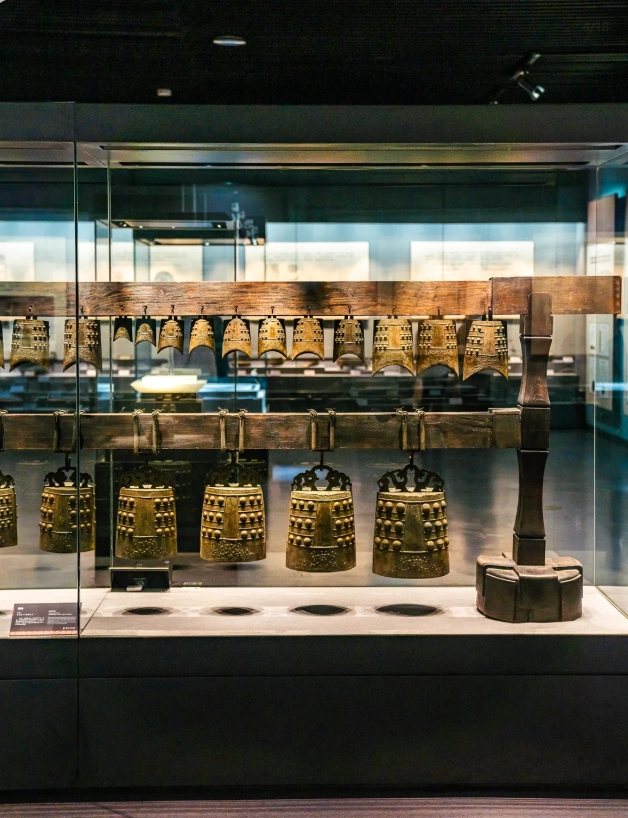
Wuhan is the obvious hub for nightlife in Hubei. But instead of following generic guidebooks, here's a typical local's night route. Start with dinner at Hu Bu Alley or a Hunan-style restaurant around 6 PM. Then walk to the Zhonghua Road Wharf to catch a river cruise at 8 PM. After the cruise, grab a drink on Yanjiang Avenue. If you still have energy, head to the hubu alley area for late-night skewers. This itinerary works well for first-timers, and you can tailor it easily.
But here's the catch: You need to reserve the cruise and sometimes the Yellow Crane Tower in advance. Local apps like "Meituan" or "Dianping" are in Chinese, but your hotel staff can help. I always tell my clients to ask the front desk to book their tickets before heading out — it saves a lot of frustration.
What Are the Best Night Views in Hubei?
For the best night views, you have several options. The top spots are:
- Yellow Crane Tower (Wuhan) — Historical architecture with a modern light show, panoramic city and river view.
- Yangtze River Bridge (Wuhan) — Walk across the bridge for a free view of the river and the city lights. The bridge has pedestrian sidewalks, and the views are breathtaking.
- East Lake Greenway (Wuhan) — Good views of the city skyline from a distance, especially around the Mojian area.
- In Yichang, the Binjiang Park offers great perspectives of the two Yangtze bridges.
Here's a quick comparison of the top three viewpoints:
| Viewpoint | Admission | Best Time | How to Get There |
|---|---|---|---|
| Yellow Crane Tower | 80-120 RMB | 7-9 PM | Metro Line 5 |
| Yangtze River Bridge | Free | Sunset to 10 PM | Bus or taxi to bridge ends |
| East Lake Greenway | Free | After 7 PM | Metro Line 8 to Liyuan |
Where to Find Hubei Street Food After Dark
Hubei street food is a whole chapter of local culture. Beyond Hubu Alley, you should explore Jiyu Qiao Night Market (吉庆街) in Hankou, Wuhan. It's famous for street musicians and loud stalls. You can eat stinky tofu, hairy crab, and drink local beer while enjoying impromptu performances. The atmosphere is electric — vendors shout, noodles sizzle, and old men play erhu (two-stringed fiddle) at your table. It's an experience you won't forget.
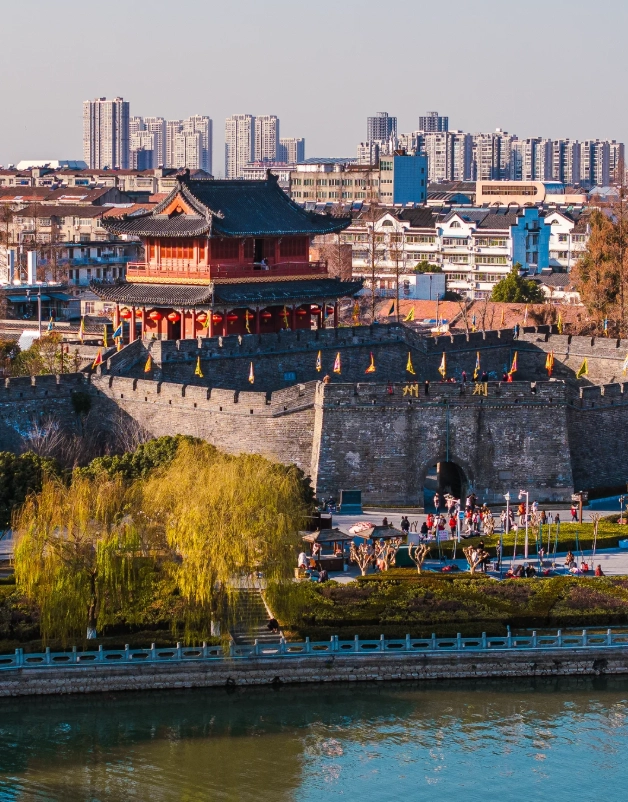
In Yichang, the night market along Binjiang Park is a local favorite. Look for stalls grilling tofu, squid, and seasonal vegetables. The prices are lower than in Wuhan, and you'll see fewer foreign tourists. If you're in Xiangyang, the northern city, try the night snacks at the ancient city wall area — the combination of history and street food is unique.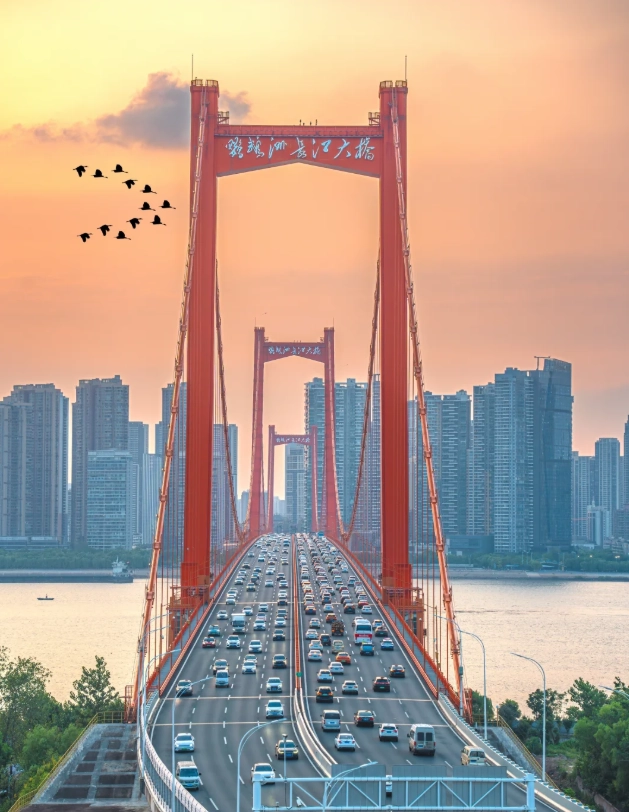
Practical Tips for Navigating Hubei at Night
Before you head out, here are some essential tips to make your night smoother.
- Payment: The night market stalls are almost exclusively mobile payment. Make sure Alipay or WeChat Pay is linked to your international card. Cash is rarely used. Carry some small bills as backup, but don't expect change. For larger restaurants and bars, cash might be accepted but cards are often not.
- Navigation: Google Maps is unreliable in China. Use Apple Maps (which uses Chinese map data) or the AMap Global app. Download offline maps before you go. Many areas have poor English signage. I always recommend carrying a card with your destination's address in Chinese to show taxi drivers.
- Transportation: Metro lines stop around 10:30 PM. After that, taxis and ride-hailing apps are your best bet. Use Didi (Chinese version) — it supports English and can be linked to foreign cards. But you'll need a Chinese phone number to register. If you can't, ask your hotel to call a taxi. The taxi flag-fall is around 10 RMB. For intercity trips, the official train booking site 12306.cn now has an English version.
- Safety: Hubei is generally safe at night. Still, avoid walking alone in poorly lit alleys. Watch out for scooters on pedestrian streets — they zoom past. Keep your belongings close in crowded areas.
- Language: Download a translation app like Apple Translate or Baidu Translate. Most vendors won't speak English, but they understand numbers and gestures. Learning a few phrases like "duō shǎo qián" (how much) and "wèi dao bú cuò" (tastes great) goes a long way.
- Booking: For any timed attraction, book a day in advance. You'll need your passport number. Check the official website or ask your hotel helper. For visa policies, the National Immigration Administration's website (nia.gov.cn) is the authoritative source.
Pro Tip: Get the "AMap Global" app set up before you arrive. You can pin your hotel and all the night spots I mentioned above. When you open it, it shows English map but the POIs are in Chinese. Just copy the Chinese address and paste it into Didi when you need a ride. That's how the locals do it.





No comments yet.