 Qiang Huang
Your camera won't capture it. The mist rolls down Huangshan's granite peaks, and suddenly every photo looks fake. I've lost count of how many first-timers actually tear up at that sight.
But here's the trap: many visitors skip Anhui entirely because they assume it's just a difficult detour from Shanghai. Big mistake. The must see in Anhui — Huangshan, the ancient villages, and a few hidden gems — are closer to reality than any of those heavily filtered Instagram posts.
And honestly, if you just follow the typical tour route, you'll get stuck in queues, overpay for mediocre meals, and miss the quiet moments that make Anhui special. So let me hand you the practical playbook I've refined over years of guiding travelers through this province.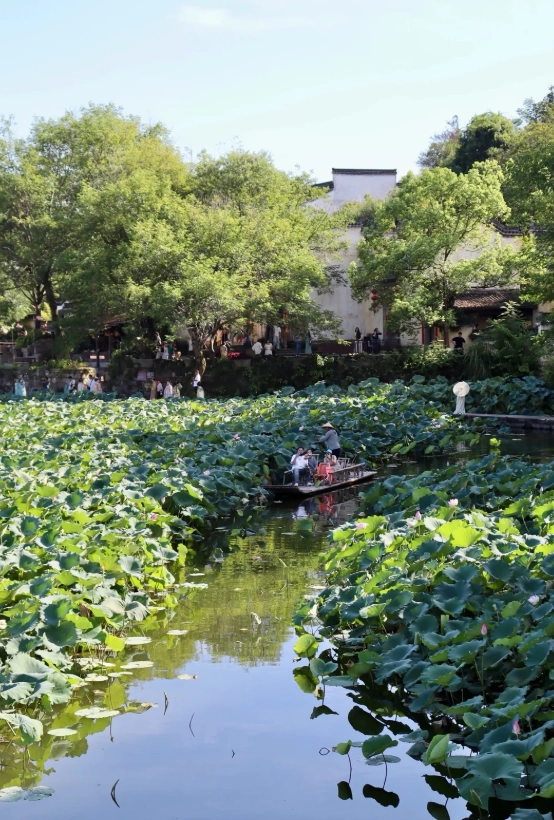
Quick Navigation: Your Anhui Game Plan
Why Anhui Deserves a Spot on Your China Itinerary?
Anhui is one of those places that's globally iconic yet utterly misunderstood. Most people know Huangshan from Chinese paintings or kung fu movies. But the province packs so much more: ancient villages with architecture that predates the Ming dynasty, sacred Buddhist mountains, and a food scene that swings from spicy to sweet without warning.
I always tell my clients that Anhui is like the quiet kid in class who's secretly a genius. It's not as loud as Beijing or as shiny as Shanghai, but once you're here, it changes your baseline for what China is. The karst peaks, the horse-head walls, the misty valleys — it's the kind of place that makes you want to sit still and just exist.
Must See in Anhui: The 7 Places Worth Your Time
1. Huangshan (Yellow Mountain) — The Star That Never Disappoints
Huangshan is the undisputed crown jewel of Anhui, and if you only have time for one thing, this is it. The mountain's 72 peaks, ancient pines, and sea of clouds have inspired artists for centuries. I've climbed it more times than I can count, and every single time the weather presents a totally different mountain.
Here's the thing that most guides won't tell you: the cable car queues can eat two hours of your day if you hit them mid-morning. Pro Tip: The cable car to the summit starts running at 6:30 AM in peak months. Aim for the first ride from the Yungu Temple entrance, and you'll have the West Sea Grand Canyon almost to yourself.
Ticket prices hover around 190 RMB for the scenic area, with cable cars costing an extra 80-100 RMB each way. Students and seniors get discounts, but you'll need a passport for the online real-name booking. I suggest booking through Trip.com to avoid the Chinese-only WeChat mini-program headache. The mountain is open year-round, but the best light for the famous 'sea of clouds' is usually in late autumn or after a rain.
2. Hongcun Ancient Village — A Living Chinese Painting
Hongcun is essentially a UNESCO World Heritage site that feels like a Renaissance painting. The village is over 900 years old, filled with moon-shaped ponds, arched bridges, and rows of white-walled, black-tiled homes. It's the place where the movie 'Crouching Tiger, Hidden Dragon' filmed some of its most memorable scenes. You can check the official inscription details on the UNESCO World Heritage Centre.
You'll need about half a day here. The entrance ticket is 104 RMB, and unlike some sites, it includes access to the major courtyard houses. The village's south lake and moon pond are the classic photo spots. I recommend walking in from the east gate to beat the tour groups that flood in from the west gate after 10 AM.
For lunch, look for a small family-run restaurant on the main lane — not the ones facing the lake (those are overpriced). My local guide friend swears by a spot called 'De Jiu Fang'; write it down or screenshot it. Dishes like stinky mandarin fish (with a soft, fermented kick) and bamboo shoots with ham are worth trying. Prices run 60-100 RMB per person, but check if they have an English menu; otherwise, point at what other people are eating.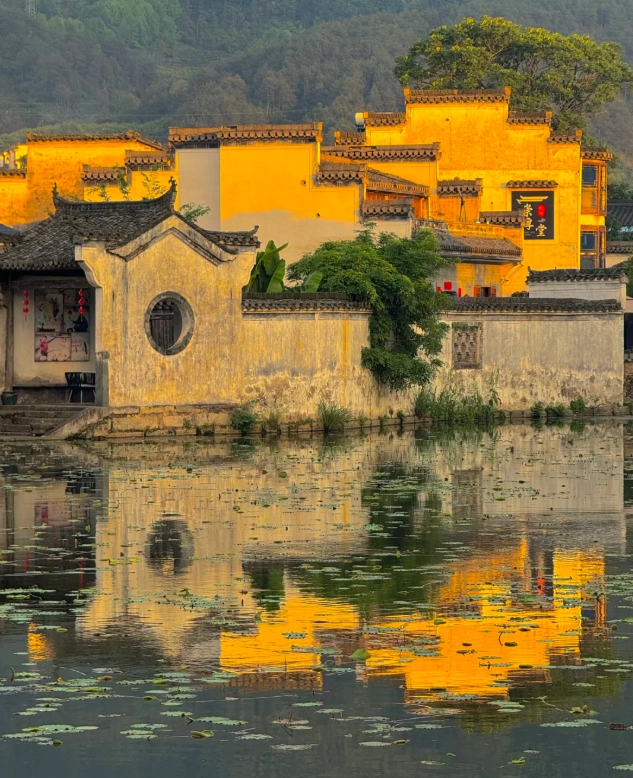
3. Xidi Village — Hongcun's Quieter, More Architectural Cousin
Xidi is the other half of the UNESCO inscription, and it's got an even more cohesive stock of ancient buildings. If Hongcun is the celebrity, Xidi is the film buff. It's less commercialized, with fewer souvenir stalls, and it feels like you've stepped into a living museum of exquisite woodcarvings and symmetrical courtyards.
The ticket is also 104 RMB, and it's valid for a day. I always tell my clients to pair Hongcun and Xidi on the same trip — they're only a 20-minute taxi ride apart from each other. You can easily see both in one busy day, but I recommend staying overnight in one of the villages to experience the morning mist when the crowds are still sleeping.
Insider Advice: The best time to photograph Xidi's iconic archway is just before sunset, when the low golden light makes the gray brick glow. Also, keep your ticket on you — some of the small courtyards require a punch at the entrance.
4. Jiuhuashan — A Sacred Buddhist Mountain
Jiuhuashan is one of China's four sacred Buddhist mountains, dedicated to Ksitigarbha Bodhisattva. It's quieter than Huangshan, more spiritual, and home to dozens of temples suspended along the slopes. If you're interested in Chinese Buddhism or just need a break from the scenery, this is worth the trip.
Entry is about 160 RMB, and you'll need a shuttle bus from the gate to the core area (firewheel tickets are extra). The mountain is famous for its 'body of the Buddha' relic — a monk's preserved body that's been on display for centuries. It's a powerful, slightly eerie experience that I won't ever forget.
Pro Tip: Wear non-slip shoes. The stone steps get slippery in the rain, and I carried a client into a temple once after they twisted an ankle. The cable car up to the 'Grand Honoring Hall' is a huge relief on a steep section, so pay the extra 100 RMB for it.
5. Tianzhu Mountain — The Rugged Alternative
Tianzhu Mountain, or 'the pillar of heaven,' is Anhui's underrated second peak. It's not as famous as Huangshan, and that's exactly why I love it. You can hike for hours without seeing another tour group, and the granite pillars are just as dramatic in places.
The entrance fee is around 150 RMB, and the cable car is another 100 RMB each way. The most rewarding trail is the West Pass, which takes about three hours and gets you up close to the famous peaks. It's not for everyone — narrow steps, sharp cliffs, and a few heart-pounding sections. But if you're reasonably fit, you'll feel like you've discovered a secret.
Where to stay: I'd recommend basing yourself in the nearby city of Qianshan and hopping over to the mountain. It's less touristy than Huangshan's Tunxi, and your hotel can help you arrange a driver.
6. Tunxi Old Street — Anhui's Most Underrated Free Attraction
Located in Huangshan city, Tunxi Old Street is a commercial street that still feels like a time capsule. It's a long pedestrian lane with restored Qing-dynasty architecture, lined with workshops selling ink sticks, tea, and local snacks. And the best part? It's free to wander in.
It's a pleasant way to spend a couple of hours, especially in the evening when the lanterns come on. Most tourists skip it because they rush straight to the mountain, but I think it gives a lovely low-stakes taste of old Huizhou culture. Grab a bowl of 'maofu' tofu (fermented tofu) from a local vendor and just people-watch.
Be careful of the tea shops — some will try to sell you 'Longjing' tea at 10 times the market price. Buy from the official Huishan Tea House if you want a genuine package.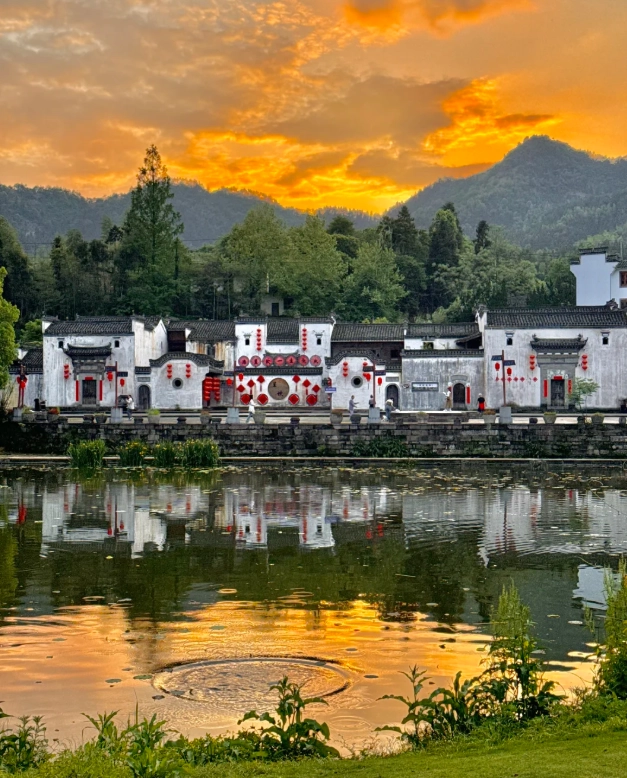
7. Chengkan Village — The Feng Shui Gem
Chengkan is a hidden little village about 50 minutes from Huangshan, laid out according strict feng shui principles. It's the hometown of the 'Eight Great Views' and features a rare circular lake that's supposed to represent the bagua mirrors. You'll see fewer tourists here, and that's the charm.
Ticket is 80 RMB, and it includes a lovely oldhouse with cascading courtyards. I remember sitting on a stone bridge there, watching ducks paddle across the lotus-filled pond, and thinking 'this is why I became a guide.'
Getting there: take a bus from Huangshan Tourist Transport Center to the county, then a short taxi. Or simply bite the bullet and hire a car for the day; group sharing with another traveler can make a huge difference in cost.
How to Plan Your Anhui Trip Without Losing Your Mind?
Getting In and Getting Around
Before you fly, double-check your visa on the National Immigration Administration website. Anhui is almost always reached by flying into Huangshan Tunxi International Airport or taking a high-speed train from Shanghai or Hangzhou. The bullet train from Shanghai to Huangshan North takes around 2.5 hours and feels like a vertical tea garden outside your window. It's around 200 RMB for a second-class seat.
Once you're in the Huangshan area, your best bet is a taxi or Didi (the local Uber). Important: Google Maps is useless in China. Use Apple Maps or the global version of AMap (called 'AMap Global'), which now has English interfaces. For train tickets, use the official China Railway 12306 website or the international version of Trip.com — I always tell readers to use the latter because it supports foreign credit cards.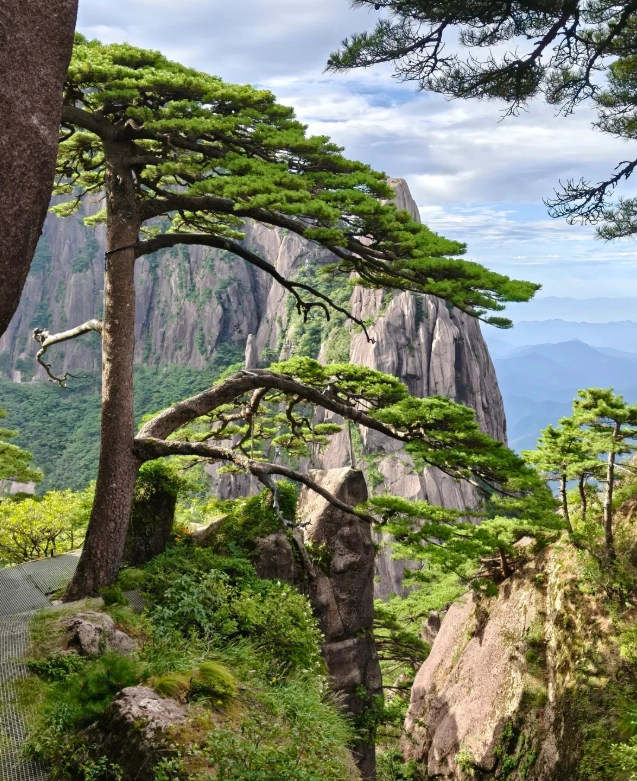
| Route | Mode | Time | Est. Cost (RMB) |
|---|---|---|---|
| Shanghai to Huangshan North | High-speed train | 2.5 hrs | 200 |
| Hangzhou to Huangshan North | High-speed train | 1.5 hrs | 120 |
| Huangshan North to Tunxi Old Street | Taxi/Didi | 30 min | 60 |
| Tunxi to Hongcun | Bus or taxi | 1 hr | 80 |
Where to Sleep Near the Big Sights
For a first-timer, I highly recommend staying in Tunxi or near the Huangshan scenic area rather than in a hostel on the mountain. The mountain-top hotels are stupidly expensive (upwards of 1,500 RMB) and basic, but you'll miss the famous sunrise if you stay down. Tension.
Here's a cheap and smart trick: book one night at a hotel near the Huangshan Visitor Center (the town is called Tangkou). You can take a hotel shuttle to the new cable car, and you'll be first in line at dawn. A decent double room at places like the Huangshan Peony Hotel runs 300-500 RMB per night. They usually have elevators, Wi-Fi, and staff who can handle basic English — but prepare to use translation apps for anything complex.
If you want the village experience, spend one night in Hongcun. The guesthouses are increasingly decent, with shared lounges and hot showers. Prices range from 200 to 800 RMB depending on the season. Just hold your room through a booking platform like Booking.com or Agoda to avoid miscommunication.
A Realistic 24-Hour Huangshan Sprint
If you're pressed for time, here's my golden route. Leave your bags at a hotel near the visitor center, and take the first 6:30 AM cable car from Yungu Temple. Hike the Eastern steps to the 'Trinity of 3 Peaks' — the offer the best morning light. Eat a packed lunch at the 'Beihai Hotel' area.
Next, walk the West Sea Grand Canyon. Yes, it requires stairs — thousands of them. But the views are absolutely worth it. By the time you reach the bottom, you can take the cable car back up or loop around in about four hours. If that sounds brutal (it is), skip the canyon and do the more manageable 'Startup Point' loop.
Afternoon? Take the gondola down to the Magic Pearl Pavilion, then grab a bus back to Tunxi. If you still have energy, have dinner on Tunxi Old Street and crash. That's how you maximize a single day.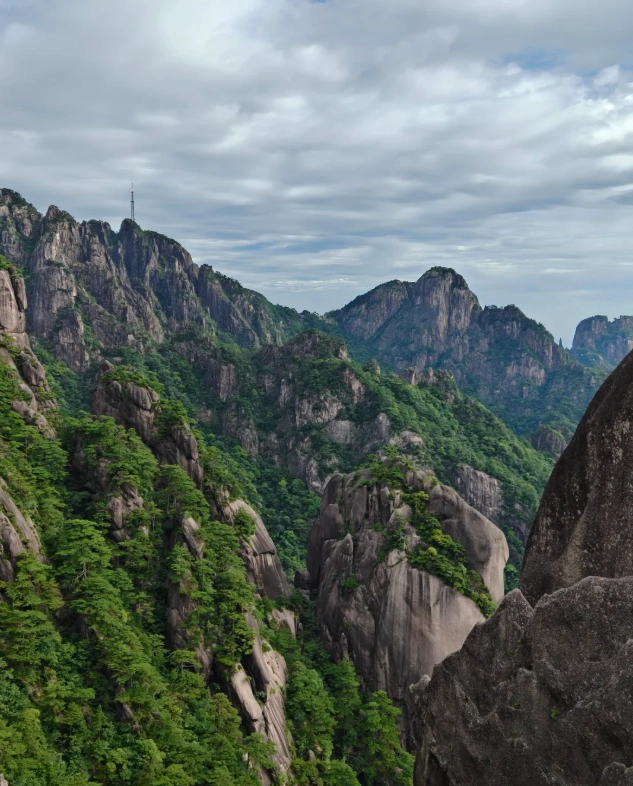
Pro Tip: Weather on the mountain changes fast. Rain gear is a must, and I've seen too many travelers shivering in October because they underestimated the wind. The summit is usually 10 degrees cooler than the base.
Insider Tips for Foreign Travelers in Anhui
Payments, VPNs, and the Apps You'll Need
Anhui is not a place where you can survive on cash and credit cards alone. You'll need Alipay or WeChat Pay linked to your international card. Set these up before you arrive — it takes about 10 minutes with your passport. Some small villages and vendors only accept mobile payment, and it's embarrassing to be the tourist digging for coins.
VPN is non-negotiable. The Great Firewall blocks Google, Instagram, and WhatsApp. Download a reliable VPN and test it before you fly. I usually use Astrill or Express VPN. Also, install an offline translater like Apple Translate — you'll need it for signs and menus.
For navigation, Apple Maps works surprisingly well inside China because it uses local map data. I'd also recommend 'AMap Global' if you want turn-by-turn directions. Just type in the English name of the place, and it'll give you a bilingual route.
Booking Tickets and Beating the Crowds
Almost every scenic area in Anhui now requires real-name booking with your passport. Doing this through WeChat is a nightmare, so I always send my clients to Trip.com or Klook — they have English interfaces and accept foreign cards. For the big hits like Huangshan, you can book on Trip.com up to 30 days in advance.
If you show up without a booking, the machines might not even recognize your passport type. You could be turned away at the gate — it happened to a couple of clients last spring. Play it safe and book online from your hotel.
Crowds are worst from 9 AM to 3 PM, especially on weekends and public holidays. I know that's when your itinerary wants to go, but consider hiking at dawn. Sunrise on Huangshan is worth the jet lag.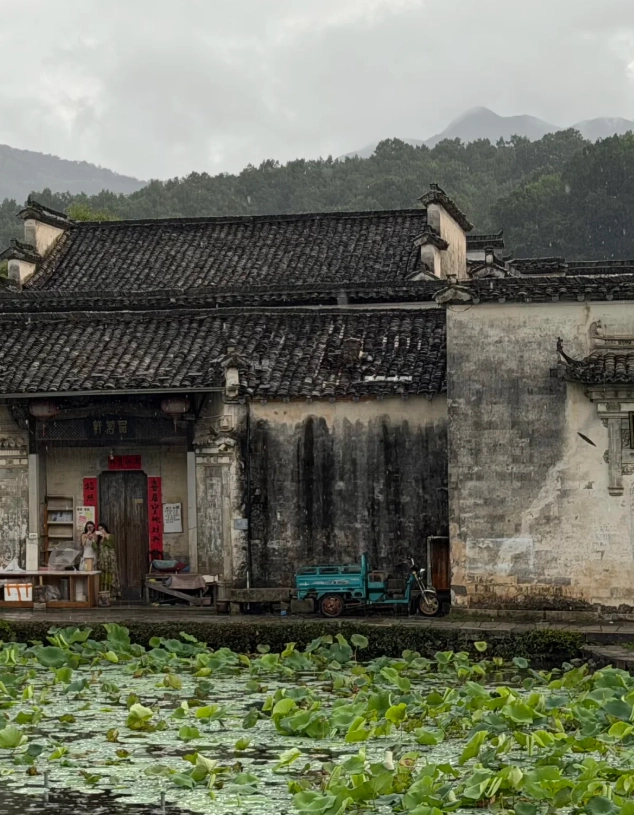
FAQ: What Most Travel Guides Get Wrong About Anhui
This content has been fact-checked to ensure informational precision. Entry fees and timings were accurate at the time of writing, but always check the official websites before your trip.






No comments yet.