 Ling Wu
What’s Inside This Guide
- What Makes Guangxi Different From the Rest of China?
- Is Guangxi Worth Visiting for Travelers Like You?
- Top 5 Guangxi Attractions You Can’t Miss
- How to Plan a 24-Hour Guangxi Itinerary That Works
- What Are the Practical Challenges in Guangxi?
- How Much Does a Trip to Guangxi Actually Cost?
- Insider Tips Nobody Tells You About Guangxi
- Frequently Asked Questions: Is Guangxi Worth Visiting?
Let me be blunt: yes, Guangxi is worth visiting — but not for the reasons you think. I’ve been guiding travellers through this southwestern province for years, and it still surprises me with its raw beauty. But here's the catch: most tourists miss the best spots because they follow outdated 3-day itineraries and end up exhausted. So if you’re typing “is Guangxi worth visiting” into Google, the answer depends on how you travel, when you arrive, and what you expect.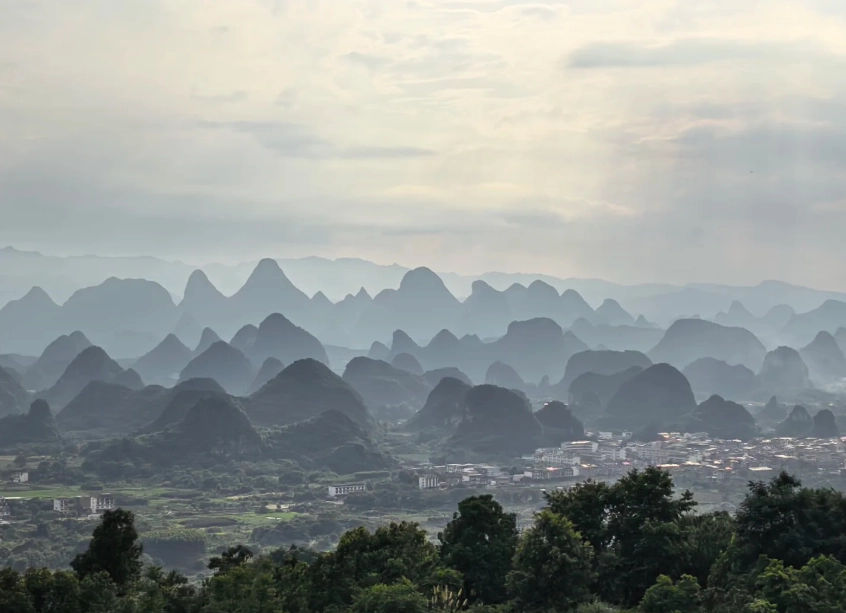
What Makes Guangxi Different From the Rest of China?
Guangxi isn’t like Beijing or Shanghai. There are no mega-malls or imperial palaces dominating the skyline. Instead, you get towering limestone karsts — those dramatic cones you’ve seen in Chinese watercolor paintings — dotted with rice paddies and winding rivers. The province shares a border with Vietnam, so it’s also a cultural melting pot of Zhuang, Yao, and Miao minorities.
Karst Landscapes That Don’t Look Real
The karst mountains around Guilin and Yangshuo are otherworldly. Imagine huge, jagged peaks wrapped in morning mist, with water buffaloes plowing flooded rice fields. I remember standing on a viewpoint near Xingping Town at 6:00 a.m., watching the fog lift — it was so quiet I could hear a fisherman tapping his bamboo pole. That’s the moment I knew why painters kept coming back for centuries.
The Li River Is the Real Deal
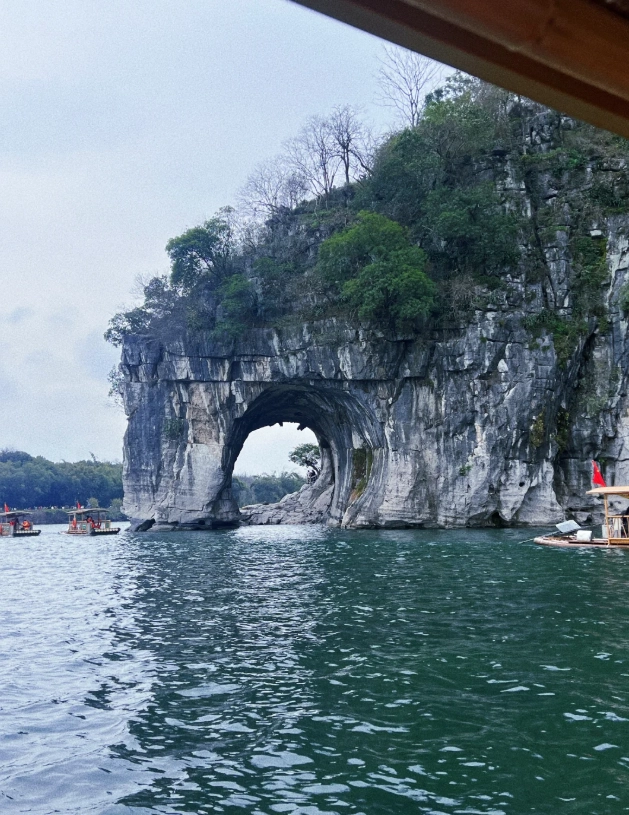
The Li River (Lijiang) isn’t just a tourist cliché. The 83-kilometer stretch between Guilin and Yangshuo is arguably the most photographed landscape in China. The river snakes through karst valleys, past small villages, and under 100-meter cliffs. In fact, a 20-yuan banknote features a scene right near Xingping village — hold the bill up to the actual view, and it matches perfectly. That little moment still excites me every single tour.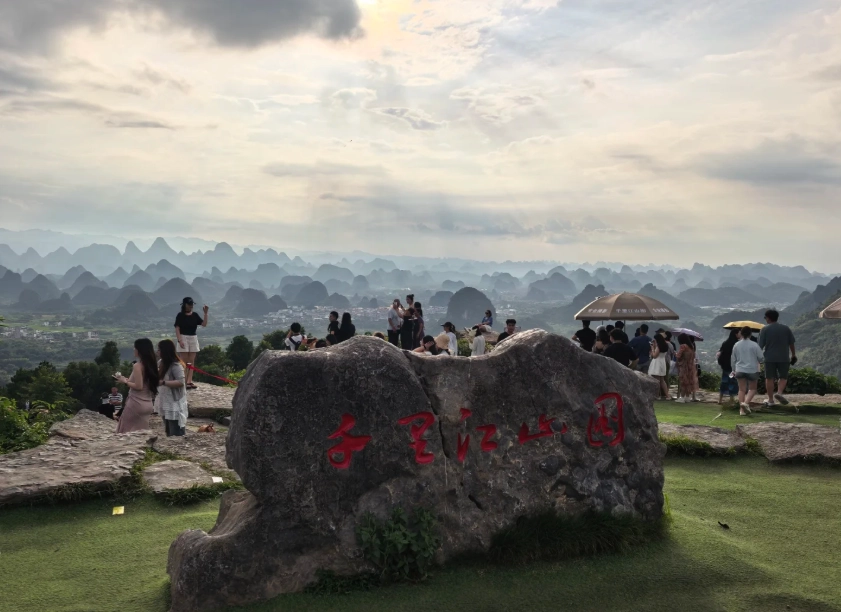
Is Guangxi Worth Visiting for Travelers Like You?
Not everyone loves Guangxi. And that’s okay. If you prefer museum-heavy trips or you hate humidity, you might feel less enthusiastic about it. But if you enjoy outdoor scenery, photography, or experiencing rural Chinese culture, this province deserves a top spot on your itinerary.
Who Should Visit Guangxi (And Who Should Skip)
This place is ideal for:
- Nature photographers chasing sunrise shots over karst peaks
- Travellers who want to escape mega-city traffic and connect with local minority cultures
- Budget-conscious backpackers looking for cheap guesthouses and street food
- Those who enjoy slow travel — sitting by the river for hours, cycling through rice fields
You might want to skip Guangxi if:
- Your ideal vacation involves luxury resorts and five-star spa treatments (they exist, but they’re limited)
- You have mobility issues — many scenic spots involve steep climbs and uneven paths
- You’re looking for intense nightlife; Yangshuo’s bar district is tiny compared to Bangkok or even Chengdu
Best Time to Visit Guangxi to Avoid Crowds
I always tell my clients to skip Chinese public holidays (October 1–7, Chinese New Year). The Li River turns into a parking lot of boats, and the rice terraces are packed with tour groups. Instead, aim for mid-April to May — the Longji terraces are being filled with water, and the rice paddies reflect the sky beautifully. Or go in late September, right after the summer heat breaks and before the National Day crowds flood in.
Top 5 Guangxi Attractions You Can’t Miss
1. Guilin and the Li River
Guilin is the gateway. Most travelers start here, take a 4-hour cruise down the Li River to Yangshuo, and continue from there. The cruise boats offer basic meals and huge windows, but they tend to pack people in. I strongly recommend booking the 8:30 a.m. departure — the light is perfect and you avoid the worst of the heat. Remember to bring your passport for ticketing.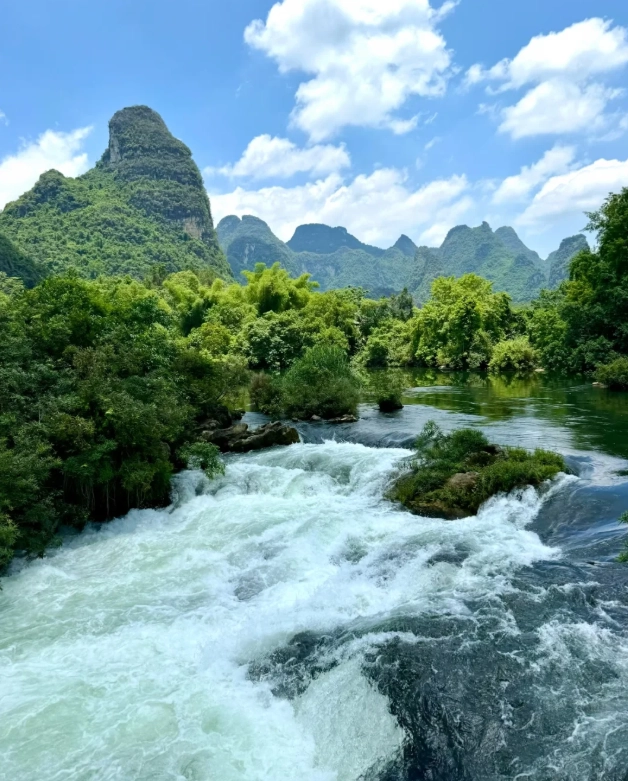
2. Yangshuo — The Backpacker’s Playground
Yangshuo is where the landscape becomes a playground. You can cycle along the Yulong River, watch farmers fish with trained cormorants, or hike up Moon Hill. The village has a buzzing backpacker street (West Street) full of cheap hostels and live music. My favorite hidden gem is the Xianggong Hill viewpoint — it offers a dramatic panoramic view of the Li River bending around tall karsts. It’s a 20-minute hike uphill, but the sunrise view is unbeatable.
3. Longji Rice Terraces
Located about two hours north of Guilin, the Longji (Dragon’s Backbone) terraces are a stunning example of human engineering. The Zhuang and Yao villages have carved terraced rice paddies into the mountains for 700 years. In April, the terraces are filled with water, creating mirror-like sheets that glow red at sunset. You can stay overnight in a wooden guesthouse and wake up to sea-of-clouds views.
4. The Ancient Town of Daxu
Most tourists rush straight to Yangshuo and miss Daxu, a quiet riverside town about an hour from Guilin. It’s a well-preserved Ming and Qing dynasty market town with old stone streets, local teahouses, and a brilliant sense of calm. I love taking travellers here because it feels like stepping back in time — no tacky souvenir shops, just locals selling homemade tofu and pickled vegetables. Wander down to the river pier and watch the ferries shuttle villagers across.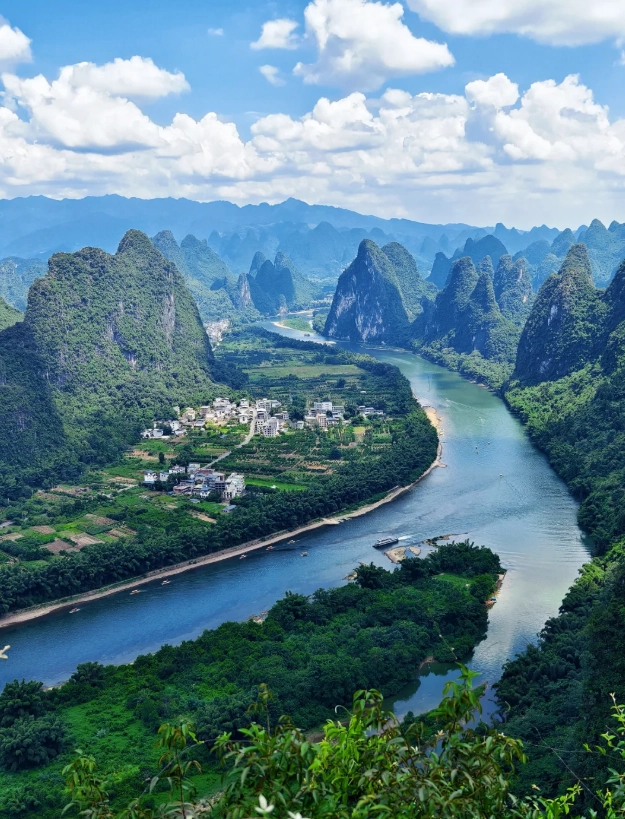
5. Sanjiang’s Chengyang Wind and Rain Bridge
Near the border of Hunan, Sanjiang is known for its Dong ethnic culture. The Chengyang Wind and Rain Bridge is a covered wooden bridge built without a single nail — it’s an UNESCO World Heritage site that’s absolutely architecturally impressive. The surrounding villages are great for overnight stays, and you can try sour fish from the Dong people. Getting there is a bit of a journey (about 3.5 hours from Guilin), so I’d only recommend it if you have extra days.
| Attraction | Best Time | Ideal Visit Duration | Ticket Price (Adult) | Booking Needed? |
|---|---|---|---|---|
| Li River Cruise | 8:30 a.m. departure | 4 hours | ~200–350 RMB | Yes, advance booking recommended |
| Yangshuo & Yulong River | Early morning/late afternoon | Half to full day | Free (cycling rental ~50 RMB) | No, but check weather |
| Longji Rice Terraces | April–May or September–October | 1 day | ~80–100 RMB | Not usually, but show passport |
| Daxu Ancient Town | Any time | 2–3 hours | Free | No |
| Chengyang Wind and Rain Bridge | Spring/autumn | Full day | ~100 RMB | Yes, via Trip.com or on-site |
The table above is a rough guide — prices change almost annually, so always double-check on official websites or your hotel reception.
How to Plan a 24-Hour Guangxi Itinerary That Works
Let’s say you have only one day in Guangxi, maybe as a layover or an extra day tacked onto your China trip. Here’s how I’d personally spend it — and it’s completely doable without rushing.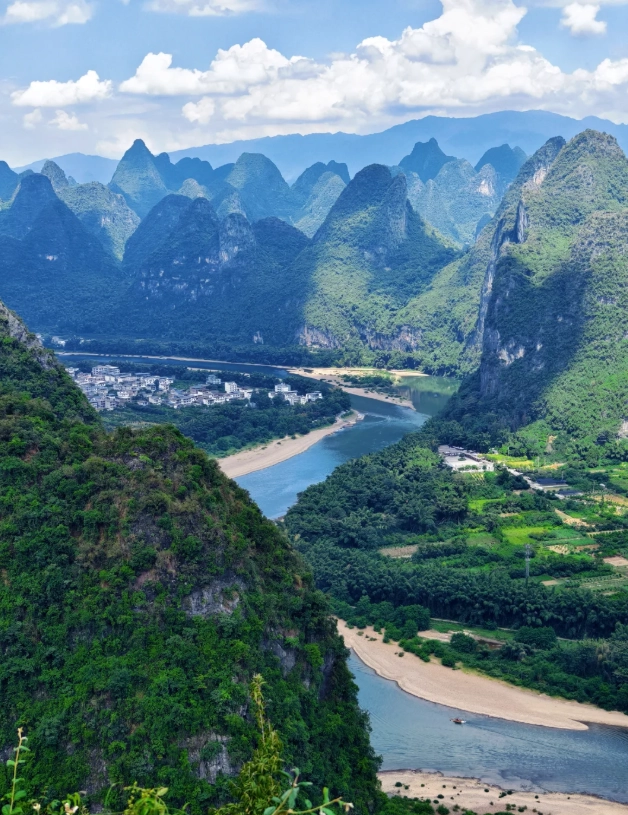
Morning: Arrive in Guilin and hop on a Li River cruise
Start early. Take the 8:30 a.m. boat from Guilin’s Zhujiang Pier. The cruise lasts about 4 hours, so you’ll reach Yangshuo just after lunch. The boat has a sun deck and an onboard meal (average abominable, but you won’t go hungry). Meanwhile, the views are breathtaking — especially the section between Yangdi and Xingping.
Afternoon: Cycle the Yulong River
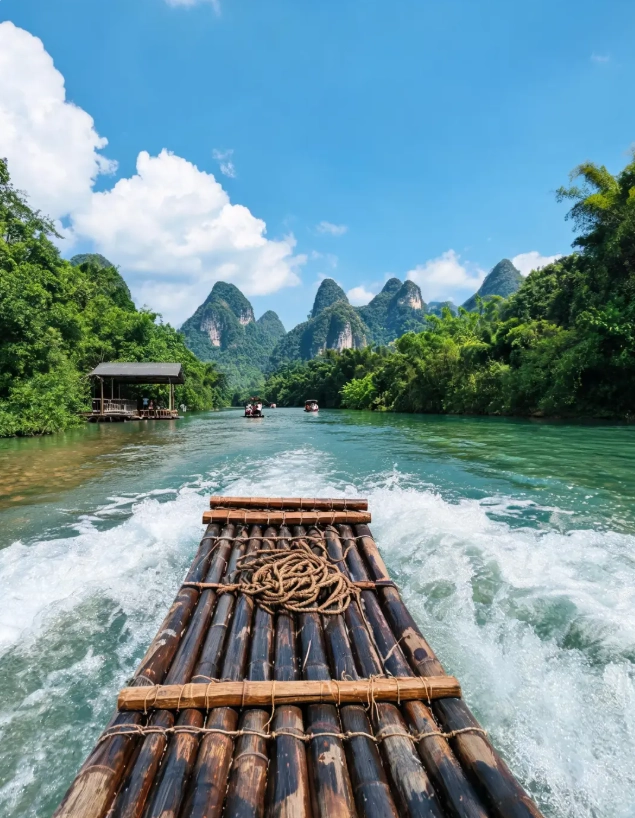
Once you dock in Yangshuo, grab a bicycle from outside the pier. It costs about 30–50 RMB for a day rental. Cycle to the Yulong River — it’s about 30 minutes of easy, flat riding through rice fields. Stop at the Fuli Bridge for before-and-after bridge shots. If you’re not feeling pedals, a bamboo raft ride on the Yulong River is a serene alternative, though it can feel commercial at the starting point.
Evening: Watch sunset at Xianggong Hill
From Yangshuo, either take a taxi or join a local minibus to Xianggong Hill. It’s a 20-minute climb to the lookout, but the view is the classic Li River panorama that’s often used on postcards. Time your visit to get there 30 minutes before sunset — the light turns golden, and the river glows. After that, head back to Yangshuo for dinner at one of the restaurants on West Street.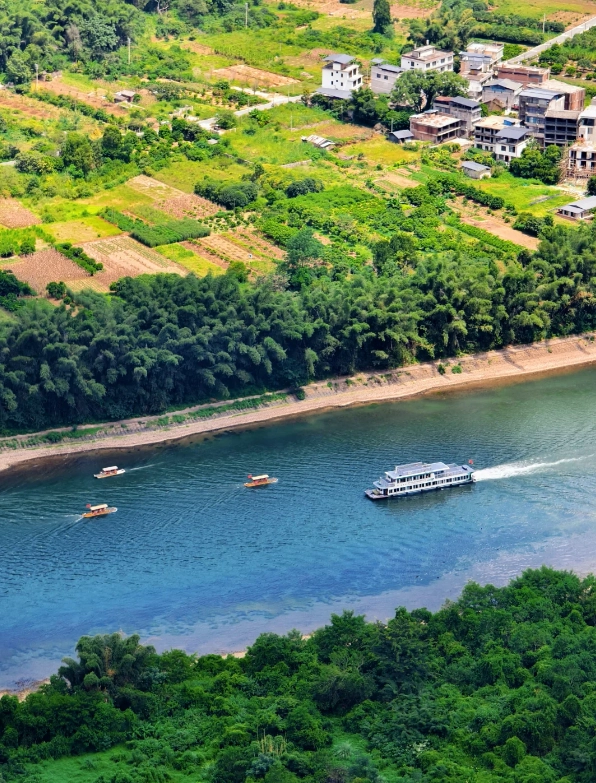
What Are the Practical Challenges in Guangxi?
Guangxi is still a bit less polished for international tourists than Beijing or Shanghai. Here are the biggest hurdles I’ve seen — and how to crush them.
Payment: Does WeChat Pay Work Everywhere?
Yes, WeChat Pay and Alipay are accepted at 95% of places, including small noodle stalls. But many remote spots only take mobile payments — no cash, no credit cards. Even if you’re using an international credit card linked to WeChat, you’ll be fine 90% of the time. Carry a small amount of cash for emergencies, but don’t rely on it.
Booking Tickets Without a Chinese Phone
Many scenic spots now require real-name booking via WeChat mini-programs — which are often Chinese-only. This is where I tell my clients to use a travel agent or their hotel concierge to book tickets for them. Alternatively, platforms like Trip.com now sell entrance tickets to major sights like Longji Rice Terraces and the Li River cruise, so you don’t need to wrestle with the mini-programs. Just remember to bring your passport to retrieve the tickets.
Navigation: Why Google Maps Fails Here
Google Maps simply doesn’t work well in China due to server restrictions. Outdated data and mislocated pins are common. Instead, download AMap Global (高德地图) or Apple Maps, both offer English interfaces and decent walking/cycling routes. For drivers, show your destination in Chinese Characters or use an app like Didi (in English mode) to book taxis.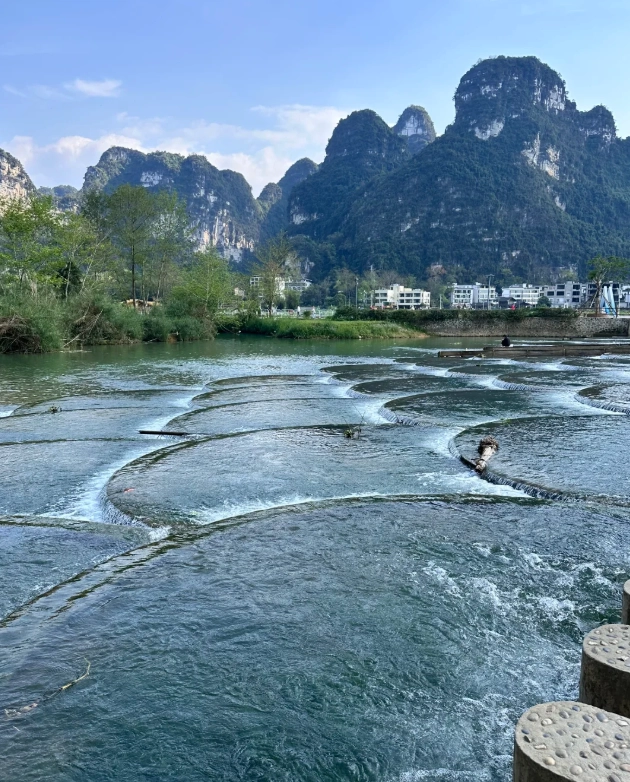
How Much Does a Trip to Guangxi Actually Cost?
Guangxi is generally cheaper than China’s first-tier cities. Your biggest costs will be inter-city transport and activity tickets. Here’s a realistic breakdown for one person for two days:
| Expense Type | Budget | Mid-Range | Luxury |
|---|---|---|---|
| Accommodation (2 nights) | 80–150 RMB (hostels) | 250–400 RMB (3-star) | 600+ RMB (hotel with view) |
| Transportation (train/bus) | 50–100 RMB | 150–250 RMB | 400+ RMB (private car) |
| Li River cruise | ~250 RMB | ~280 RMB | ~350 RMB (premium deck) |
| Food per day | 50–70 RMB (street food) | 100–150 RMB (restaurants) | 250+ RMB (fine dining) |
| Entrance tickets | 30–80 RMB | 100–150 RMB | As booked |
If you’re on a tight budget, I’d allocate around 500–600 RMB per person per day for a comfortable mid-range experience, excluding international flights.
Insider Tips Nobody Tells You About Guangxi
Over the years, I’ve picked up some non-obvious advice that usually saves my clients money and headaches.
- Skip the shuttle bus from Yangshuo to the Longji Terraces — take a direct bus from Guilin instead. The former adds 2 extra hours and is just as expensive. Check with your hostel reception for the latest bus schedule; they usually depart early morning.
- Don’t pay to use a “scenic toilet” near the Yangshuo bus station. There’s a free one hidden behind the information center. Seriously, every foreigner falls for this scam once.
- Carry a mini umbrella and a poncho from April to June. Sudden tropical downpours happen daily, and umbrellas double as shade. I’ve seen travelers get soaked while waiting for a taxi because they thought it would “pass over quickly”.
- Try the local rice noodles (guilin mifen) from street carts, not tourist restaurants. A bowl costs 5–10 RMB, and the broth is rich and spicy. The best ones often don’t have menus — just look for a line of locals.
Frequently Asked Questions: Is Guangxi Worth Visiting?
This content has been fact-checked to ensure informational precision. Some prices and schedules are subject to change, so always confirm with official platforms before your trip.





No comments yet.