 Chen Liu
In This Guide (Jump To):
I still remember my first drive through Guilin's countryside. The bus turned a corner, and the whole cabin went silent — limestone peaks emerged from the mist like ghosts. By the end of my first week, I'd lost count of the times I'd said 'this can't be real.' That's Guangxi for you: a place that looks photoshopped even when you're standing right in front of it.
If you're searching for top things to do in Guangxi, you've probably seen the predictable list — Li River cruise, Yangshuo, Longji Rice Terraces. But after years of guiding travelers here, I can tell you the real magic is in the details: which side of the boat to sit on, which hours to skip the tour bus rush, and how to pay when everyone's phone does the work while your credit card fails.
Here's the bottom line: planning your days around the right transport and booking methods makes or breaks this trip. Skip this and you'll waste hours in ticket lines. Read this guide, and you'll ride through rice terraces without getting ripped off by an overpriced minibus.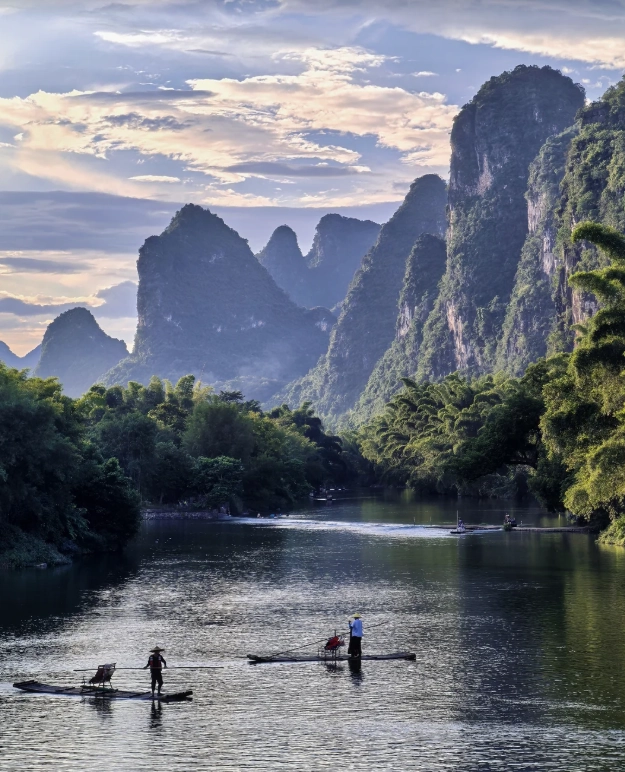
Why Guangxi Deserves Your Trip
Guangxi is a region that squeezes monumental scenery into one corner of southern China. The karst peaks — those iconic limestone towers you've seen in Chinese paintings — are part of the UNESCO World Heritage listing for South China Karst. But unlike other UNESCO sites that feel like a museum, here you can cycle through the landscape, swim under waterfalls, and drift down quiet rivers.
The variety is the real draw. One morning you're standing above a sea of clouds on a mountainside; the next you're dodging motorbikes in an ancient town. That said, this variety creates logistical headaches. The top attractions are scattered across a region the size of Austria — with winding mountain roads that can double your travel time if you underestimate them.
How to Plan Your Time in Guangxi
Getting to Guangxi
Your gateway to Guangxi is almost always Guilin. Guilin Liangjiang International Airport (KWL) has direct flights from major Chinese cities like Beijing, Shanghai, and Hong Kong, plus a handful of international routes. If you're coming from elsewhere in China, the high-speed rail network is even more convenient — trains from Guangzhou take about 3 hours, from Guiyang 2 hours, and from Kunming 5 hours.
For the latest visa policies, check the National Immigration Administration website before your trip. Book train tickets through the official 12306 system or a third-party English platform like Trip.com. For the 12306 official site, you will need a passport and a working phone number for verification. I always tell my clients to set up their account at home before leaving — doing it on a busy day with jet lag is a nightmare.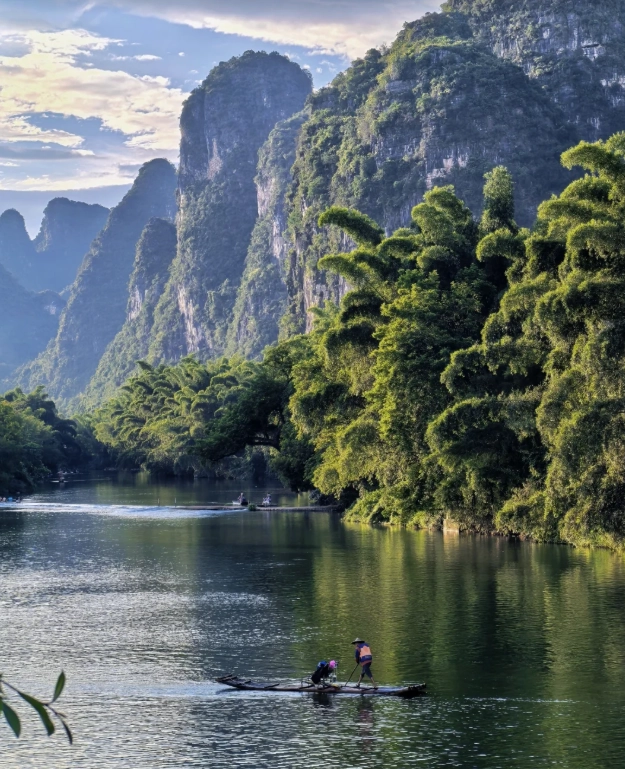
Getting Around
Once you're in the region, your transport options are high-speed rail, buses, and private cars. The high-speed rail connects Guilin, Nanning, and Beihai, but it misses smaller towns like Longji and Huangyao. For those, you'll rely on long-distance buses or tour vans. Here's a quick comparison of the most common routes, so you can plan your transfers without looking for a Wi-Fi signal.
| Route | Best Transport | Duration | Estimated Cost | Insider Advice |
|---|---|---|---|---|
| Guilin → Yangshuo | Li River cruise / Car hire | 4h (cruise) / 1.5h (car) | CNY 250-500 (cruise) / CNY 150 (car) | Cruise takes most of the morning; car feels rushed but gives you more afternoon freedom. |
| Guilin → Longji Rice Terraces | Tourist bus / Private van | 2.5h | CNY 30-50 (bus) / CNY 300 (van) | Book the bus from Guilin Railway Station the day before. Or take the van if you want to arrive by 10am. |
| Yangshuo → Huangyao | Direct bus | 2h | CNY 40 | Only 2-3 buses a day, so request your hostel to book ahead. |
| Nanning → Beihai | High-speed rail | 1.5h | CNY 120 | Useful for combining the coast with karst areas. |
If you're travelling by car, be prepared for mountain highways that make Google's speed limit warnings irrelevant. Local drivers often pass on blind corners — hang tight and let them overtake.
When to Visit Guangxi
The sweet spot is April to June and September to November. Summer (July-August) is hot and rainy, but the waterfalls are at their most dramatic. Winter (December-February) is cool and dry, but the rice terraces are bare and the fog can shroud the peaks. I personally love May — the rice paddies are freshly flooded, creating mirror-like reflections, and the crowds are thinner than in October.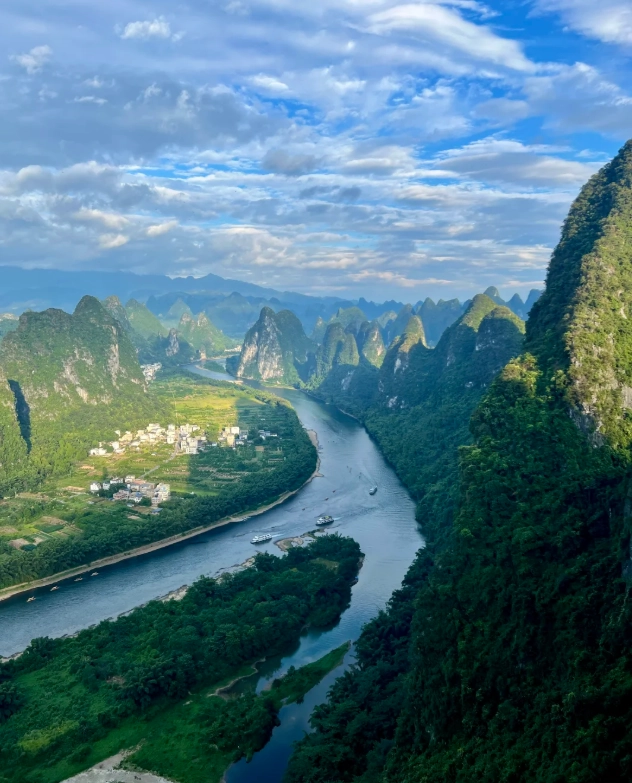
The Best Things to Do in Guangxi
Now for the main event. After years of guiding travelers and getting lost myself, here are the six experiences I'd repeat without hesitation. Each one is worth your time — but only if you go with the right plan.
Cruise the Li River
The Li River cruise is the classic Guangxi experience — but only if you book the right option. The full cruise from Guilin to Yangshuo takes 4-5 hours on a large boat. You'll glide past iconic peaks like Camel Crossing the River and the 20 yuan bill scene. Sounds magical, right? Well, the huge boat comes with a fixed lunch (think rubbery rice), and the best seats are on the upper deck — book the 'VIP' ticket if you want windows that open. Standard seats have sealed windows, which fog up on rainy days.
Here's the catch: the boats depart from Mopanshan Pier, about 40 minutes from Guilin city center. You're not allowed to drive your own car to the pier — you'll be transferred from Quarry Hill Pier or taken by a tour bus. I always tell clients to book through a reputable platform like Trip.com or Klook, because the official WeChat mini-program is Chinese-only and often glitchy.
Ticket prices vary — expect to pay around CNY 300–450 per adult, including the pier shuttle. Children under 1.2m are free, but you still need to bring their passport for ticket collection. The boats run from 9:30 AM to 10:30 AM, with only one departure per day? Actually, there are multiple, but the morning wave is the most reliable. If the river level is too low or too high, cruise may be suspended — check the weather before you pack.
My insider advice: sit on the left side of the boat (if facing the front) because the boat hugs the right bank, and you'll have the best unobstructed views of the karst peaks. Also, the upper deck's outdoor area is free to access, but it gets crowded — go out early and claim a spot.
On the flip side, if you prefer a smaller vessel, consider the bamboo raft from Yangdi to Xingping. This 2-hour ride is only for two people per raft, costs about CNY 400 per person, and gives you a more intimate look at the river. You'll need to take a public bus to Yangdi, and the rafts are dependent on water levels. I always recommend this for repeat visitors or those who hate big groups.
Cycle Through Yangshuo's Karst Peaks
Yangshuo is a cycling paradise — flat roads, quiet lanes, and scenery that changes with every pedal stroke. The most popular route is the 'Ten Li Gallery' (十里画廊), a scenic road lined with mountains, rivers, and small villages. You can rent a regular bike for CNY 20-30 a day, or an e-bike for CNY 50-80, depending on battery range.
Here's a trick most visitors miss: the official Ten Li Gallery entrance charges a hefty CNY 60 combo ticket for five small attractions inside. But the road itself is free. Locals regularly ride through without buying a ticket. So skip the combo and just cycle through the main road, stopping at viewpoints along the way. The only paid stop worth your money is the Moon Hill (Yue Liang Shan), which costs about CNY 15 to climb — the view from the top is fantastic.
Your best route: start from West Street, head west towards the Yulong River. When you see a stone bridge with huge crowds, that's the Yulong Bridge. Turn right and you'll be on a quiet riverside path. Follow it for about 3 km, and you'll reach a series of small weirs where locals wash clothes. Take a breather there — it's more authentic than most photos online.
Important: Google Maps is useless here. Use Apple Maps or download Amap (auto-translates in English). Or simply ask your guesthouse to mark the route on a paper map. Also, bring cash — some fruit stalls along the way only take WeChat Pay and may not accept international cards.
Gearing up? Pack a hat, sunscreen, and plenty of water. The summer heat hits hard between 11 AM and 3 PM. I usually start cycling after 4 PM to catch the golden light and dodge the worst of the sun.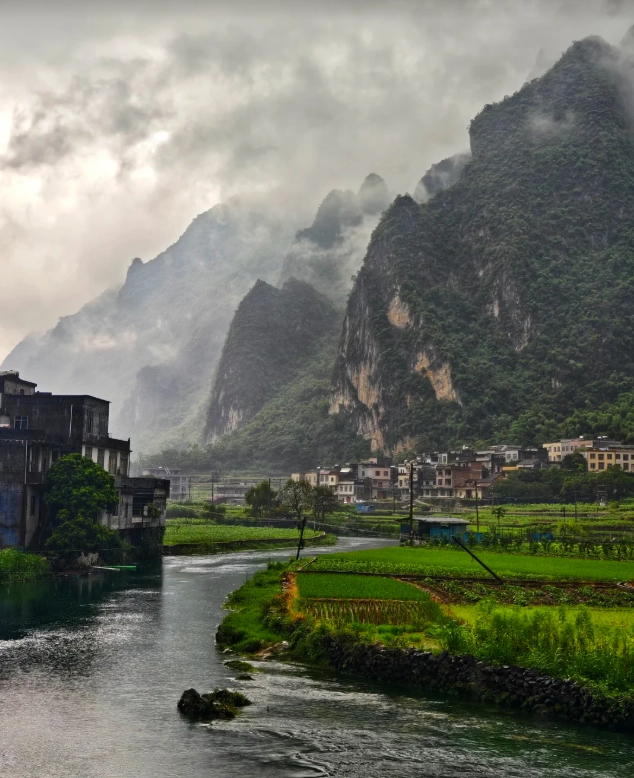
Walk the Longji Rice Terraces
Longji Rice Terraces are not just a quick stop — they're a full-day commitment that rewards you with some of the most jaw-dropping landscapes in China. The terraces are carved into the mountainsides in the Longsheng area, about 2.5 hours from Guilin by bus. The two main sections are Ping'an (平安) and Dazhai (大寨). Ping'an is smaller and easier to access; Dazhai is larger, more remote, and offers a more epic scale. If you have only one day, I'd pick Dazhai — take the shuttle from the car park to the entrance, then ride the funicular up to the top viewpoint (around CNY 60 round trip). The 20-minute walk from the top is serene, but the funicular saves you a steep hour-long slog.
Entrance fee is around CNY 80 per person, valid all day. You'll also need to pay a small fee for a shuttle from the parking area if you arrive by public bus. Bring your passport — the ticket counter checks ID for foreign visitors.
Most visitors make the mistake of arriving around 11 AM, when the tour buses descend. Instead, I always advise staying overnight in a village guesthouse. Sunset and sunrise are when the terraces mirror the sky, and you'll have the place almost to yourself. The guesthouses are basic but comfortable, and the home-cooked meals use vegetables grown right outside your window. Book ahead in summer — English-friendly spots fill up fast.
The walk between Ping'an and Dazhai takes about 4-5 hours along a well-marked trail. If you're tired, local women will offer to carry your backpack for a fee — negotiate before you agree. Also, wear hiking shoes! I've seen too many travelers in flip-flops regret the muddy sections after rain.
Explore Huangyao Ancient Town
Huangyao is the ancient town that feels untouched by the tourist tide — a refreshing break from the crowds of Lijiang or Phoenix. Located in the northeast of Guangxi (near Hezhou), it's about a 2-hour drive from Guilin. The town retains 300+ ancient buildings from the Ming and Qing dynasties, with stone streets, black-tile roofs, and small canals that connect households.
The official entrance fee is around CNY 100 per person, but here's the insider move: many travelers enter through the side streets after 5 PM when the ticket counters close. Technically, the town is open 24/7; you just don't get access to the handful of commercial museum-like spots. If you're happy to wander the main lanes without entering specific houses, you'll save the fee. However, this may not be ethical? Actually, it's a common practice, but to support the local heritage, if you can afford it, please pay.
Once inside, grab a coffee at one of the riverside cafes and watch the old men playing chess. Try the local specialty — 'Huangyao three treasures' — which include fermented soybeans, fermented bamboo shoots, and pressed tofu. You'll find them in small shops, often sold in vacuum-packed bags for souvenirs.
Accommodation inside the town can be charming but pricey. I prefer to stay in an old courtyard hotel, but walls are thin and water pressure is low — typical of historic buildings. If you're sensitive to noise, stay in Hezhou city and make it a day trip.
Chase Waterfalls at Detian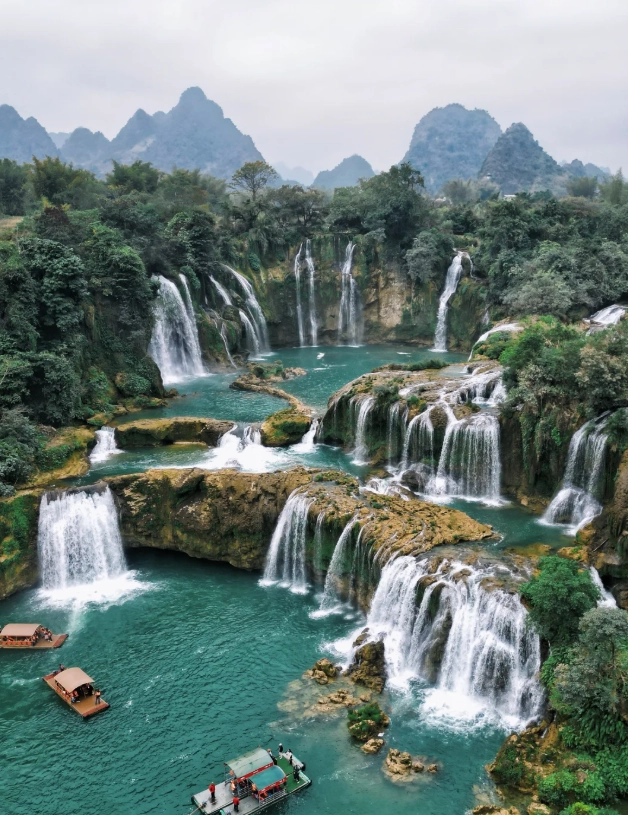
Detian Waterfall is Asia's largest transnational waterfall, and it thunders at the border between China and Vietnam. This is not a subtle sight — you hear it before you see it. The waterfall is about 60 meters high and 200 meters wide across the border, and on sunny days you'll spot a double rainbow in the mist.
Getting there is the real challenge. The waterfall is in the far southwest, near Daxin County in Chongzuo City. From Nanning, it's a 3.5-hour drive. You have two options: join a day tour from Nanning (around CNY 300 including transport, but check if it includes the entrance fee), or take a public bus from Nanning to Chongzuo, then transfer to a smaller bus to the scenic area. The public route takes at least 5 hours and involves walking several hundred meters to the entrance. I recommend the day tour if you're short on time.
Admission is about CNY 80, plus an extra CNY 25 for a boat ride that gets you close to the waterfall's base. You may also want to pay CNY 45 for a sightseeing bus from the entrance to the path, since it's a 3-km walk. The boat ride is worth it — you'll feel the mist on your face and have the perfect photo angle.
One critical note: this is a border area, and Chinese border police may check your passport at the scenic area entrance. Make sure you have your physical passport with you, not just a photo. Also, be careful not to cross the border marker onto Vietnamese soil — it's not a joke. I always instruct my clients to stay on the Chinese side.
The best months to visit are September and October when the water level is high from the rainy season, but the weather is still dry enough not to cancel the boat. Winter months can reduce the waterfall to a trickle, which is underwhelming. There's also a great viewing platform at the top for a bird's-eye perspective, but the stairs are steep — wear comfortable shoes.
Relax on Weizhou Island
Weizhou Island is China's youngest volcanic island and a surprisingly relaxed escape from the karst crowds. It sits 36 kilometers south of Beihai, accessible only by ferry. The ferry takes about 1 hour from Beihai International Passenger Port, with tickets costing around CNY 150 each way. There are multiple sailings daily, but they are often canceled in windy weather — check conditions before booking accommodation.
Once on the island, you'll be charged an entrance fee of CNY 98 (covers all sites). You can rent a scooter for about CNY 50-80 a day, or hire a local driver for CNY 100-150 for a 4-hour tour. The island has several beaches, volcanic rock formations, and a Catholic church built by French missionaries in the 19th century.
My favorite spot is Crocodile Mountain (鳄鱼山) on the southern coast, where lava rocks meet the sea. You need to walk up a steep staircase to reach the scenic viewpoint, but it's worth it. Also, book your accommodation in the village near the dock — restaurants and bikes are close.
The island is small enough to explore in 2 days. Stay one night to watch the sunset from the western beach. Summer is typhoon season, so avoid July to September if you're not flexible with cancellations. Also, the island has no ATMs, so bring enough cash for beverages and local purchases. Many small shop owners only accept WeChat or cash.
What to Know Before You Go
Payments: Cash Is Still Your Friend
Digital payment is king in China, but your international credit card is often useless. Alipay and WeChat Pay are the two apps you need. They can be linked to your international visa or Mastercard, and most businesses accept them. Download and set them up before you arrive — Chinese app stores sometimes block the international versions. You'll need to verify with your passport.
But there's a catch. Many small vendors in rural Guangxi (like the fruit stall near Longji) only accept domestic versions of these apps, or cash. In four years of guiding, I've learned to always carry cash. ATMs in big cities are reliable, but they may not exist on Weizhou Island. So withdraw a few hundred yuan at the airport or city center.
Also, your physical credit card may be accepted at larger hotels and some international restaurants, but it's risky to rely on it. I always recommend having a backup of cash and at least two payment apps.
Navigation: Forget Google Maps
Google Maps does not work properly in China. It will show you incorrect routes, and it's often blocked. Instead, use Apple Maps (which works in China for basic navigation) or download Amap (高德地图) and switch it to English. Amap is the same app locals use, and it has the most accurate data for roads, train info, and even bus arrival times.
One thing that catches tourists off guard: many scenic areas have multiple entrances, and Amap will send you to the one that's easiest by car but perhaps not the main tourist gate. Check the reviews or ask your hotel to tag the correct entrance. Also, for taxi drivers, always have the address written in Chinese — show it to the driver on your phone. The 'paper note' trick saves you a million miscommunications.
Booking Tickets with Your Passport
Nearly every major attraction in Guangxi requires real-name booking with your passport. You'll need to show both your passport and a confirmation code. At sites like the Li River, having a paper voucher (or a screenshot) speeds up entry. I always suggest booking through English-friendly platforms like Trip.com or Klook to avoid the language barrier of the WeChat mini-programs.
For high-speed trains, the easiest route is to book through the official 12306 website or app (English version exists), or use Trip.com, which charges a small service fee. You'll need your passport number and a phone that can receive SMS. If you make a mistake, correcting a ticket through the Chinese phone system is a headache. So take your time entering details.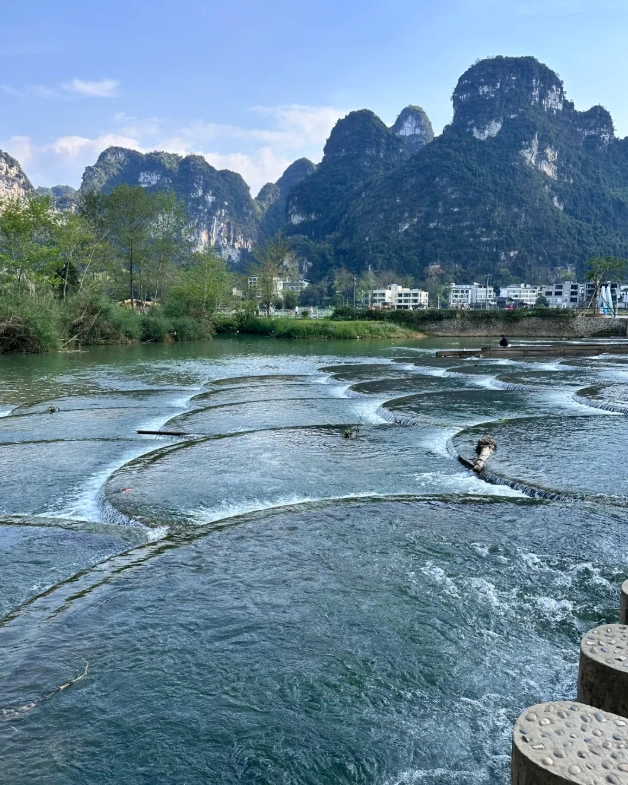
Language and Connectivity
English is not widely spoken in Guangxi outside of international hotels. Learn a few basic phrases in Mandarin — your effort will be appreciated. Download a translation app like Liangba (or use the built-in Google Translate offline pack? Actually, Google Translate works, but you need it pre-downloaded). For offline use, get the Chinese pack in advance.
Regarding Wi-Fi: most hostels and cafes have free Wi-Fi, but coverage is spotty in rural areas. Purchase a local SIM card at the airport, or use an eSIM if your phone supports it. China Mobile or China Unicom offer tourist plans with data — they require your passport for registration. Also, be aware that your home VPN may not work in China; set up a reliable one before arriving.
A Realistic 3-Day Itinerary
This plan covers the highlights without turning you into a zombie. It assumes you have two full days in the Guilin-Yangshuo area and one day for Longji.
Day 1: Guilin to Yangshuo by River.
Start with the Li River cruise (about 4-5 hours). Get to Mopanshan Pier by 8:30 AM. After arriving in Yangshuo, bike the Yulong River path for sunset. Dinner: try a local favorite — Yangshuo Beer Fish. Ask your guesthouse for a recommendation; they know the safest spots.
Day 2: Yangshuo Full Day.
Morning: cycle the Ten Li Gallery before the tour buses arrive. Stop at Moon Hill for a short climb. Lunch at a farm-to-table restaurant (ask for green vegetables). Afternoon: take a bamboo raft on the Yulong River — book via your hostel to avoid being overcharged. Evening: watch the Impression Sanjie Liu show if you like crazy large-scale live performances. Book tickets online through Trip.com at least a day ahead.
Day 3: Longji Rice Terraces.
Catch the 8 AM shuttle from Yangshuo (pre-booked). Arrive at Dazhai, take the funicular up, explore the viewpoints, then hike down through the rice terraces. Have lunch at a guesthouse with a view. Return to Guilin by 7 PM for your flight or train.
If you have an extra day, swap in Huangyao Ancient Town instead of the rushed Longji return, or head south to Detian Waterfall.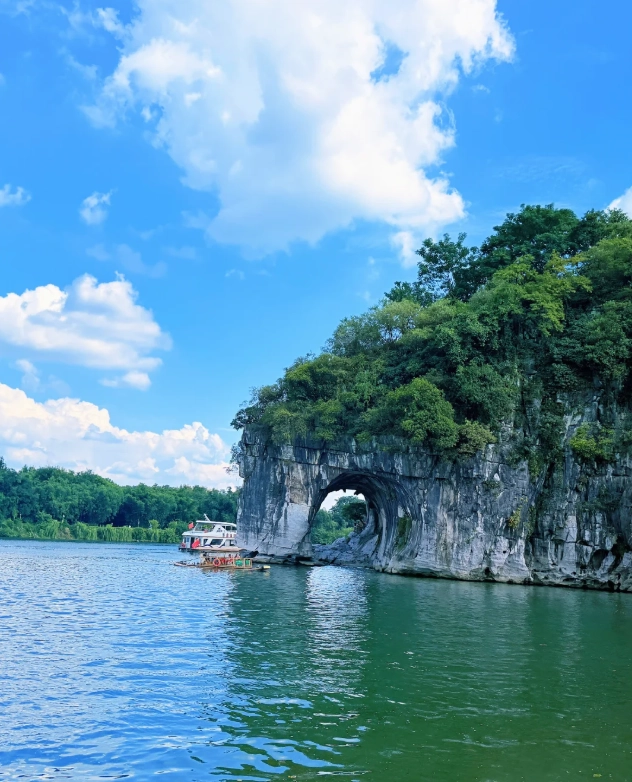
FAQs Every Traveler Asks
How do I pay for small local vendors like fruit stalls in rural Guangxi when I don't have WeChat Pay?
Carry cash for these situations. While larger tourist cities are fully digital, rural vendors often only accept domestic WeChat Pay or cash. I've seen travelers face a 'no credit card' sign for a 3-Yuan bottle of water. The best approach is to withdraw 200-300 CNY from an ATM at your arrival city and keep it in your money belt. You can use Alipay for most bigger transactions, but for a bus ride or a mountain snack, cash is the universal fallback. Always ask for change — some vendors might try to keep your remaining balance as a 'tip' in busy areas.
Is it safe to travel solo in Guangxi?
Guangxi is generally safe, but you should keep your wits about you in tourist hubs. Street crime is rare, but common scams include overpriced taxis (usually without meters), fake tour guides demanding tips, and students collecting 'donations' for charities. I always advise solo travelers to share their itinerary with someone at home, use hotel-arranged transport when possible, and stay in well-reviewed guesthouses. Also, walk around confidently at night in Yangshuo West Street — it's busy and safe.
Do I need a special permit to visit Detian Waterfall near the border?
Yes, you need your passport. The scenic area is a national boundary zone, and public security patrols may request to see your passport at the entrance. You don't need a visa on top of a standard Chinese tourist visa, but must have your physical passport with you. Tourists with passports from countries having visa-free agreements still need the hard copy. Also, you cannot wander off the designated paths; there are numerous signs indicating the border. I recommend joining a group tour if you're nervous about the language stuff there.
What's the best time to visit Longji Rice Terraces to avoid crowds?
Arrive before 9 AM or after 4 PM. The terraces are less crowded then, and the light is softer. Most tour buses arrive around 11 AM and leave by 2 PM, so if you stay overnight in a guesthouse, you'll have the paths nearly to yourself. If you're only visiting for the day, take the first shuttle bus from Guilin at 7:30 AM. Also, weekdays are better than weekends, and the period from mid-September to early October is peak season — book everything in advance then. Otherwise, late May to early June offers flooded mirrors and fewer crowds.
Can I travel between Guilin and Yangshuo by high-speed rail?
There is a Guilin-Yangshuo high-speed rail line, and Yangshuo Station is about 40 km from the town center. But the train station is far from the river area, so you'll still need a taxi or bus for 30 minutes. The river cruise is more scenic and drops you directly at Yangshuo town, so I'd choose the cruise if you have time. If you're in a hurry, trains run frequently and cost around CNY 80, but your overall travel time and hassle may be similar. My recommendation is to take the high-speed rail only if you're connecting from Guangzhou or Guilin to Yangshuo without luggage.
Fact Check
Verified and fact-checked by the editorial team.







No comments yet.