 Peng Gao
Jump to the Best Free Spots
Xinjiang is huge. I mean, absurdly large. But here's the secret — many of its most unforgettable experiences cost absolutely nothing. For years, I've watched travelers pour money into pricey tour packages while missing the real magic that’s right under their noses. So let’s cut the noise. I’ve shortlisted 8 legitimately free things to do in Xinjiang that will fill your day with wonder without emptying your wallet. From city parks to ancient alleyways, here’s how to explore the region on a shoestring.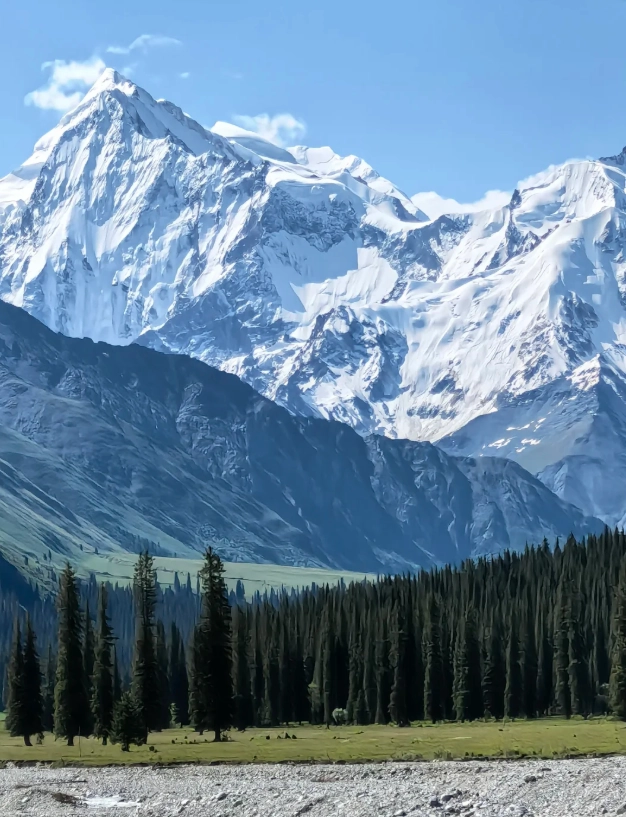
Where to Find the Best Free Things to Do in Urumqi?
Urumqi is the usual entry point for most travelers. The big city often feels overwhelming, but once you know where to look, you’ll find leafy parks and fascinating museums with a zero-yuan price tag. Here’s my top 4 picks for a free day in Urumqi.
1. Red Hill Park (Hong Shan Gong Yuan)
Climb to the historic pagoda for a full 360° panorama of Urumqi — completely free. Red Hill Park is my absolute favorite slice of green in the city. It’s a massive urban park built around a red sandstone hill. The centerpiece is a crimson 9-story pagoda (Hong Shan Ta) that dates back to the Qing Dynasty. The hike to the top takes about 20 minutes along a peaceful path. The view at the summit looks out over the whole city, with snow-capped Tianshan to the far south.
Address: 20 Xinhua North Road, Tianshan District, Urumqi (Show the taxi driver: 红山公园新华北路20号). Hours: Open daily from 8 AM to 10 PM (seasonal changes possible). Price: Free, no ticket needed.
How to get there: From anywhere downtown, a taxi or Didi costs roughly ¥15-25. Ask for "Hong Shan Gong Yuan" and you’ll be dropped right at the main gate. The bus routes 61, 63, and 68 also pass nearby, but the stop is a short 5-minute walk from the entrance.
My experience: One autumn morning I brought a group of photographers here at sunrise. The city lights were still twinkling below, the pagoda glowed in soft amber light, and a few cranes circled overhead. It honestly felt like a secret. If you’re not a morning person, come for sunset — the light hits the pagoda beautifully.
2. Xinjiang Regional Museum (Xinjiang Weiwu'er Zizhiqu Bowuguan)
Marvel at ancient mummies and Silk Road relics without paying a single yuan. This is one of China’s most revealing museums, showcasing artifacts from the Bronze Age to the Qing Dynasty. The must-see highlights are the Loulan Beauty mummies and the incredibly preserved textile fragments. The museum is free but requires a timed-entry reservation — which is the tricky part for foreigners.
Address: 581 Xibei Road, Saybagh District, Urumqi (西北路581号, 沙依巴克区). Hours: Opens at 10 AM, last entry at 5 PM, closed on Mondays (double-check official days). Price: Free, but you must present your passport at the entrance.
How to book: The official booking is on the museum’s WeChat mini-program (in Chinese). This can be a nightmare to navigate with a foreign passport. My advice: ask your hotel receptionist to help you reserve — they do this all the time. Alternatively, try the English booking platform Trip.com, which occasionally lists free museum tickets for small service fees.
My experience: I usually take first-time visitors here because it instantly gives them a handle on Xinjiang’s rich history. The mummy room is dimly lit and a bit eerie, but I promise it’s more fascinating than scary. Don’t miss the second floor — it tells the story of the Silk Road in a way that’s both educational and breathtaking.
3. Urumqi International Grand Bazaar
Soak in the buzzing flavors of Central Asia without spending a cent — just don’t fall for the hard sells. As much as the Grand Bazaar is a tourist trap, it’s also a feast for the senses. The Islamic-style architecture with its blue-and-gold accents is photo-worthy, and the crowds make for excellent people-watching. You can wander for hours, even if you never buy a thing.
Address: 510 Jiefang South Road, Tianshan District (解放南路510号). Hours: Dry goods & souvenirs stalls open about 10 AM to 9 PM; the food court is much livelier from noon until midnight. Price: Free entry.
How to get there: Taxi or Didi from anywhere in Urumqi typically costs ¥20-35. It’s right next to the Erdaoqiao bridge. If you’re comfortable with the bus, lines 10, 16, and 64 will drop you at the 'Erdaoqiao' stop.
My experience: I love visiting in the late afternoon, right after the day stalls start closing but before the food stalls rev up. The golden hour light hits the colorful ceramic tiles, and the call to prayer echoes from nearby mosques. It’s pure magic — and costs nothing but your time.
4. Shuimogou Park (Water Mill Valley Park)
A pastoral escape in the midst of the city, with free spring-water rivers and a back-to-nature vibe. Shuimogou Park is less known among international travelers, but it’s a favorite among Urumqi locals for its natural hot springs, dense trees, and clear streams. You can walk the shaded promenades, watch locals dance, or climb the small hill for a different view of the city.
Address: Shuimogou District, northeast of downtown (乌鲁木齐市水磨沟区). Hours: Open daily from 7:30 AM to 9:30 PM (seasonal). Price: Free entry; some small attractions inside (like the hot spring spa) cost extra, but the main park is free.
How to get there: It’s about a 10-15 minute drive from the city center. Taxi fare around ¥30-40. Bus routes 7 and 101 stop at 'Shuimogou Park' station.
My experience: I brought some Australian friends who were climbing the walls from traffic noise. Within 20 minutes of strolling alongside the pristine river, they were totally relaxed. There’s even a small man-made waterfall that’s beautiful for photos.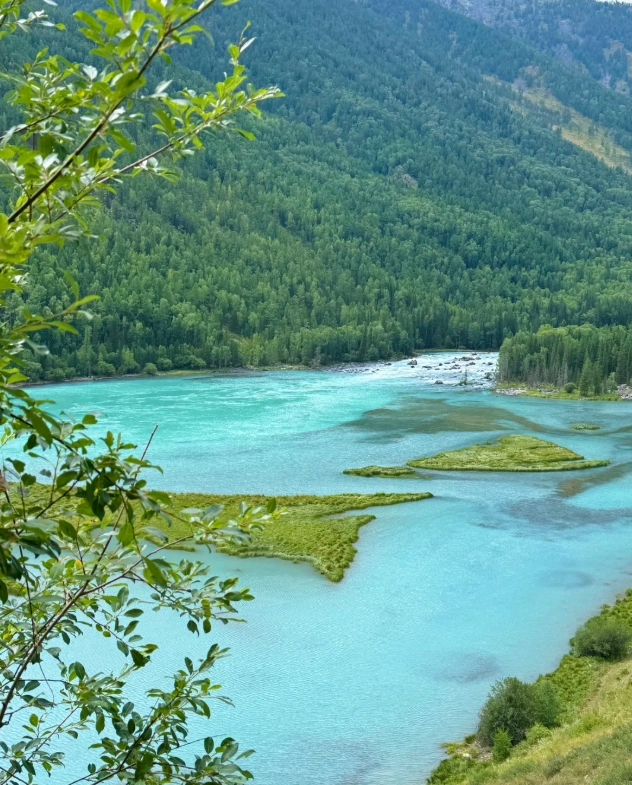
What Are the Top Free Things to Do in Kashgar?
Kashgar feels like a different planet than Urumqi — much more relaxed, deeply traditional, and incredibly photogenic. The old town here is a UNESCO World Heritage bid site, and best of all, it’s free to wander. Here are my two must-dos in Kashgar that don’t cost a dime.
5. Kashgar Old City
Lose yourself in the maze of earth-tone alleys, ancient mosques, and hidden courtyards — no ticket required. This is the heart of Uyghur culture in Xinjiang. The old city is a labyrinth of adobe houses, turquoise doors, and dizzying narrow lanes. You can wander for hours without repeating a path. Most residents are warm and invite you to sit for tea (though offering a small gift is polite).
Address: Old Town, Kashgar, near Jiefang North Road (喀什市解放北路老城). Hours: The area is always open, but some smaller museums and viewpoints within charge entry fees. The main pedestrian lanes are free 24/7.
How to get there: From the airport, a taxi to the old town costs about ¥80 (negotiate before you go). From the Kashgar train station, it’s ~¥30. If you’re already in the city center, just walk – the old city is close to Id Kah Square.
My experience: I’ve taken countless visitors here, and the reaction is always the same: total enchantment. Kids wave, elders smile, and the aroma of fresh naan wafts from doorways. Watch for the traditional Uyghur woodwork workshops; they’re like watching live history. I’ve never once heard a traveler say they regretted a wander through Kashgar’s lanes.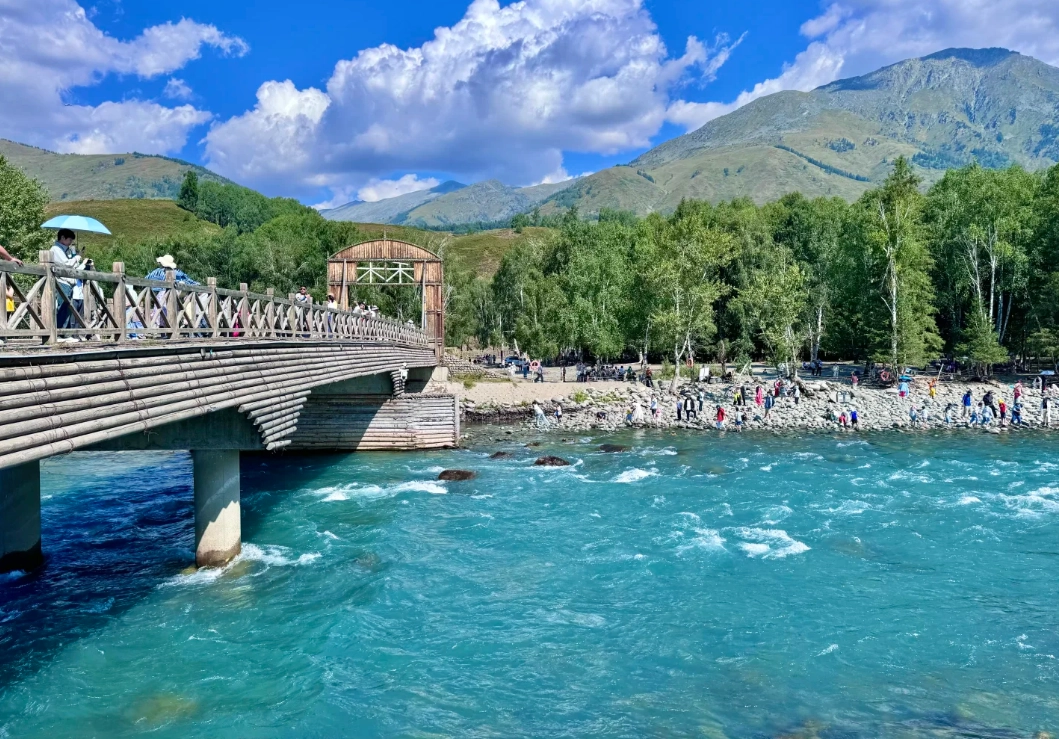
6. Id Kah Square and the Great Mosque (Exterior View)
Sit with the locals at the city’s most important plaza, watching pigeons and faces from all walks of life. The square in front of the Id Kah Mosque is a free public space that serves as Kashgar’s living room. It’s a panorama of daily life: elders in traditional attire, children chasing pigeons, and the grand mosque’s beautiful yellow-tiled façade backdrop. This is the perfect spot to sit and absorb the pulse of the city.
Address: Id Kah Square, Jiefang North Road, Kashgar (喀什市解放北路艾提尕尔广场). Hours: The square is open all day. The mosque itself charges a ticket (¥20) if you want to go inside, but the exterior and square are free.
How to get there: From the old city, it’s a short 10-minute walk or a 2-minute taxi ride. If you’re anywhere central, just head towards the large central square.
My experience: I remember sitting on a bench here with a cup of local yogurt, just watching the world go by. An elderly Uyghur man struck up a conversation in broken Mandarin, and we somehow talked about life and travel. It reminded me that the simplest interactions are often the most memorable.
Surprising Free Things to Do in Xinjiang's Quirky Small Towns
Beyond the big cities, Xinjiang’s smaller towns hold incredible charm. Two places stand out for their free yet authentic experiences. Here’s where to go for a deep dive into local history without breaking the bank.
7. Kuqa Old City
Explore the remains of an ancient Silk Road outpost, where history is written in sun-dried bricks. Kuqa was once a major hub on the Silk Road, and its old town still exudes that aura. While some sites like the Kuqa Grand Mosque charge admission, simply meandering through the narrow streets and crumbling residential quarters is completely free. Look for the giant Friday Mosque (free exterior) and the ancient water systems.
Address: Kuqa County Old Town, Aksu Prefecture (阿克苏地区库车县老城). Hours: Always open for walking.
How to get there: Kuqa is 743 km from Urumqi; you’ll need a flight (about 1.5 hours) or the K9718 train (overnight, roughly 8-10 hours). Once in Kuqa, taxis are cheap (¥5-10 for short hops) and locals are happy to direct you to the old town.
My experience: I walked through Kuqa’s old town with a French couple who were amazed by the authentic, uncommercialized atmosphere. We even got invited into a family courtyard for some bread and tea — a moment none of us forgot.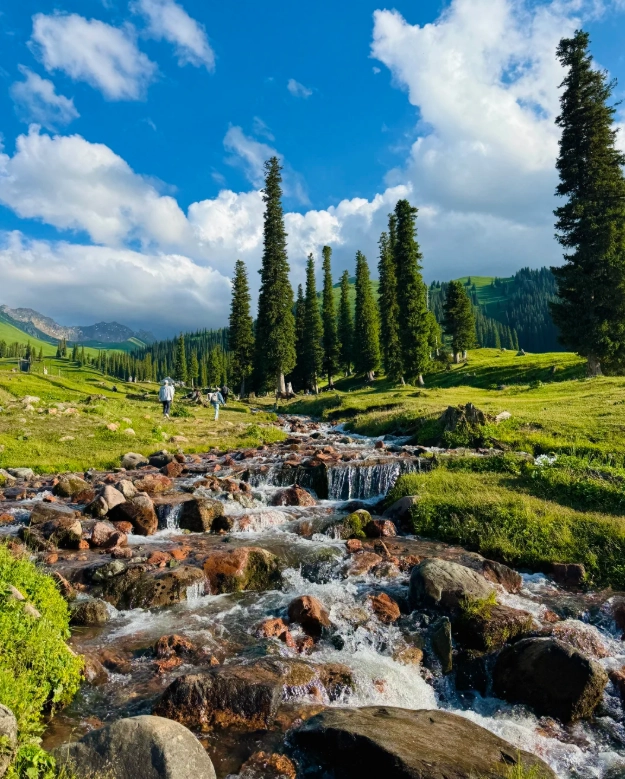
8. Kazanqi Folk Tourism Zone in Yining
A vibrant rainbow of Uyghur houses and courtyards, free to explore like a local. Yining (Ghulja) is a multicultural gem in the Ili River valley. The Kazanqi district is a low-rise neighborhood painted in brilliant blues, greens, and yellows. Locals go about their daily lives while visitors wander the lanes. You can watch craftspeople, visit a family-run bakery (watch only), or have a long conversation under the grape trellises.
Address: Kazanqi, Yining City, Ili Kazakh Autonomous Prefecture (伊犁哈萨克自治州伊宁市喀赞其). Hours: Free to enter anytime, though most courtyards welcome visitors from 10 AM to 8 PM.
How to get there: From Yining’s airport, a taxi to Kazanqi costs about ¥20. From the city center, it’s a pleasant 15-minute walk or a 5-minute cab ride.
My experience: I took a small group during grape harvest season. We ended up sitting in a stranger’s courtyard, sipping tea and learning a few Uyghur dance moves. The hospitality was overwhelming. This is one of those places that reminds you why wanderlust matters — no ticket needed.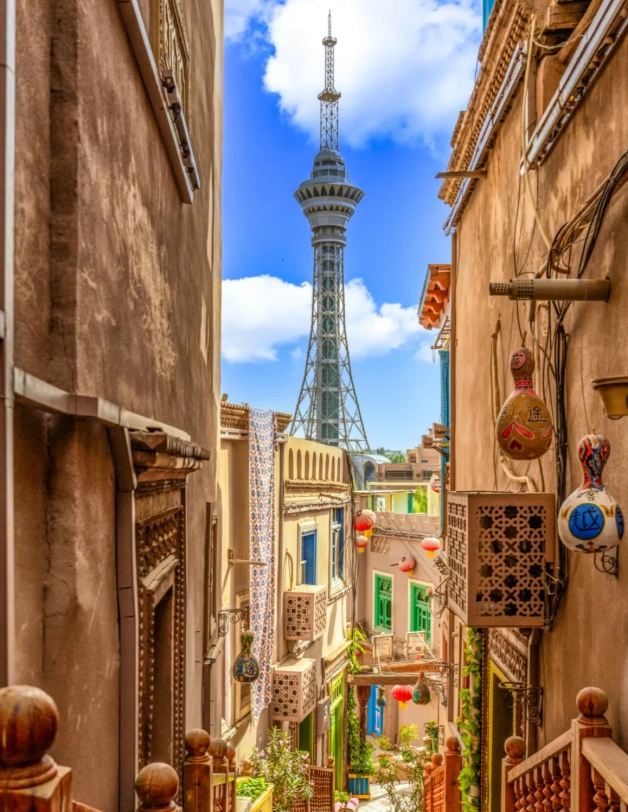
How Do You Plan a Day Around Free Things to Do in Xinjiang?
Planning your free exploration is key to maximizing your time. Here’s a practical step-by-step approach that I apply for my own clients.
1. Map out your base. Start in Urumqi to get used to the scale of things. Spend your first full day there hitting the Red Hill Park, the museum, and the Grand Bazaar.
2. Use public transport wisely. Taxis are cheap, but for the most authentic experience, hop on the bus or metro (note: Urumqi has a metro Line 1). Always have your destination written in Chinese characters.
3. Pre-book museum reservations. For the Xinjiang Museum, book 2-3 days ahead via your hotel or Trip.com. Weekends are packed, so aim for a weekday slot.
4. Build in rest stops. Free doesn’t mean exhausting. The parks and squares are perfect for a long sit-down break. I always recommend a picnic lunch from a local naan bakery (¥2-3) to keep costs nil.
5. Check for construction. Some old town areas are being renovated. In Kuqa, for instance, a few streets may be blocked. Ask your hotel for the latest local routes.
Summary: Free Things to Do in Xinjiang — Quick Look
| Activity | City | Cost | Time Needed | Best Moment |
|---|---|---|---|---|
| Red Hill Park | Urumqi | Free | 2-3 hours | Sunrise or sunset |
| Xinjiang Regional Museum | Urumqi | Free (reserve) | 2-3 hours | Morning opening |
| International Grand Bazaar | Urumqi | Free | 1-2 hours | Late afternoon |
| Shuimogou Park | Urumqi | Free | 2-3 hours | Weekday mornings |
| Kashgar Old City | Kashgar | Free | Half day | Golden hour |
| Id Kah Square | Kashgar | Free | 1 hour | Sunset |
| Kuqa Old City | Kuqa | Free | 2-3 hours | Late afternoon |
| Kazanqi District | Yining | Free | 2-4 hours | Morning |
Pro Money-Saving Tip: Combine your free attractions with occasional cheap eats. A local meal of pilaf (polo) and kebabs costs about ¥20-30, keeping your daily budget surprisingly low. Plus, there’s no shame in using a free attraction twice — I’ve visited Red Hill Park every trip because it never gets old.
FAQ: What to Know About Free Things to Do in Xinjiang
Verified and fact-checked by the editorial team.






No comments yet.