 Tao Xu
What’s Inside This Guide?
You don’t need a fat wallet to fall in love with Guangxi. I’ve spent years guiding travelers here, and honestly, the best moments happened when we skipped the ticket booths. Standing on the banks of the Li River at sunrise. Pedaling along the Yulong River with rice paddies glowing green. Watching old men play Chinese chess under a banyan tree in Nanning. All free. Those are just three of the free things to do in Guangxi that you won’t find flagged on Google Maps.
Most foreign tourists show up with a guidebook that only lists paid attractions. They buy a 240-yuan ticket to the Reed Flute Cave and miss the quiet, zero-yuan magic of a lakeside morning. Worse, they get confused by WeChat payments, fake taxis, and Google Maps leading them nowhere.
Here’s the truth: Guangxi’s most unforgettable experiences are free if you know where to stand and when to go. I’ll show you exactly how to pull it off, step by step, without burning your savings.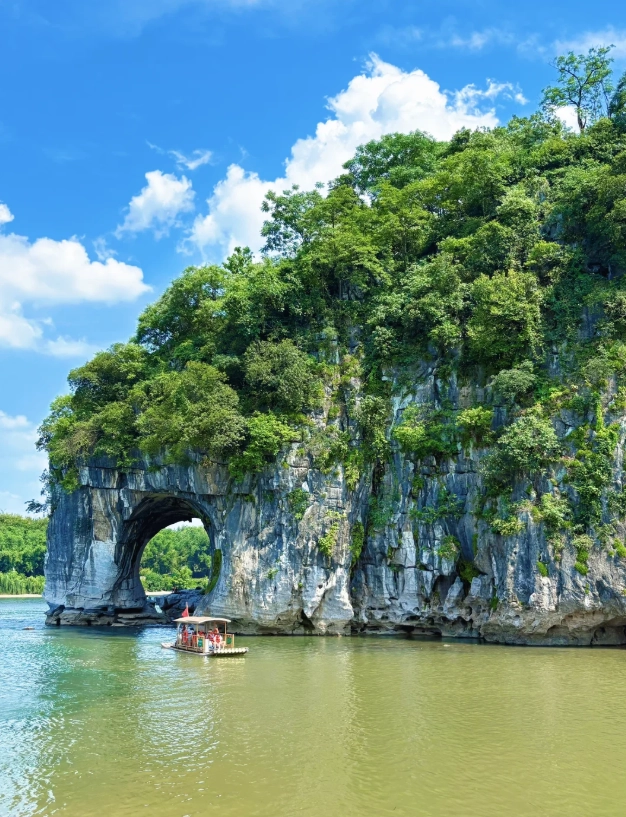
Free Things to Do in Guangxi: My 12 Zero-Yuan Favorites
In this section, I’ve split up the province’s most wallet-friendly experiences by city. No ticket booths, no entrance fees — just real places where you can soak up the culture and landscape for nothing. Some require a small cost for things like bike rental, but the attraction itself won’t charge you a yuan.
Guilin: Lakes, Rivers, and Old Streets
You can spend an entire morning circling Rong Lake and Shan Lake without paying a yuan. Start at the marble bridge near the Sheraton Hotel, then follow the paved path counterclockwise. You’ll pass pagodas, your reflection, and groups of elderly women dancing to folk music. The limestone peaks that frame the lake are part of the South China Karst — a UNESCO World Heritage property worth admiring for free. Admission is free, the lake is open 24 hours, and the light for photos is best before 10 a.m. or after 4 p.m. Security guards are used to foreigners, and there are public restrooms near the main entrance.
Trace the Li River from Liberation Bridge. The bridge is a ten-minute walk from the two lakes. From here, the riverside promenade stretches south, and you can see Elephant Trunk Hill from the outside without buying a ticket. The path is busy with fishermen and dog walkers in the early morning. Use AMap to locate ‘漓江’ and follow the blue route.
Browse Zhengyang Pedestrian Street. It’s a free-to-walk commercial street with local snack stalls and street performers. Don’t confuse free-to-walk with free-to-buy — treat it as a cultural people-watching spot. Watch your pockets in the crowd.
Yangshuo: Karst Countryside Without a Price Tag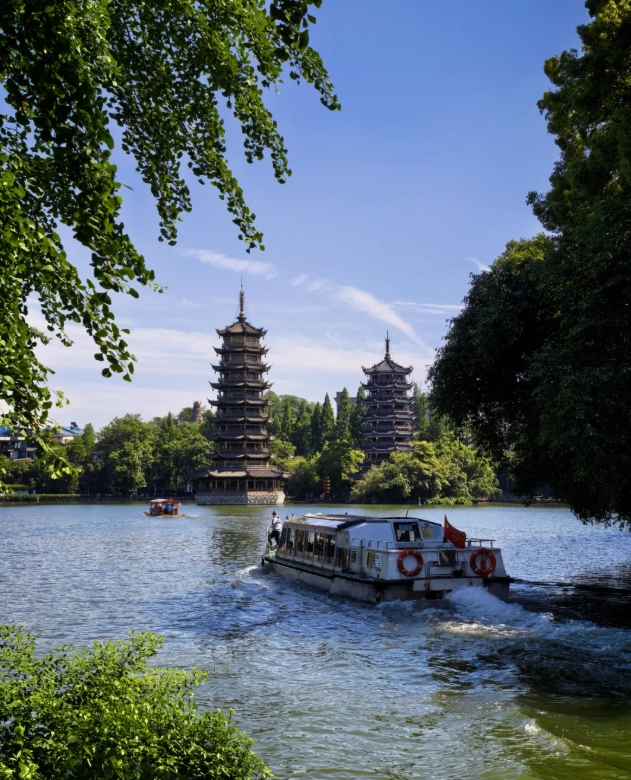
Yangshuo’s countryside is an open-air gallery that charges no admission — if you stick to the public lanes. Rent a bicycle for 30-50 yuan a day and ride along the Yulong River’s east bank. It’s not the river itself that’s free, but the paths that run beside it. Follow signs to ‘Yulong Bridge’ and turn left after the bridge. You’ll cycle past rice paddies, water buffalo, and limestone towers that look like they belong in a surrealist painting.
Wander West Street after dark. It’s free to enter, and the people-watching is world-class. Street food, souvenirs, and bars line the cobblestones. Go at 8 p.m. for the full buzz, but watch out for aggressive vendors who quote absurd prices.
Cycle the Yulong River backroads. Start from Yangshuo town, head to Jinlong Bridge, then follow the riverside trail to Gongnong Bridge. It’s about 12 kilometers of mostly flat, paved paths. No ticket is needed, but you’ll want to stop for photos every five minutes. Bring water; there are few shops along the way.
Ride or drive along the Ten-Mile Gallery (十里画廊). This is a public road that winds between karst peaks. It’s free to drive, cycle, or even take a public bus along it. Individual attractions like Moon Hill charge entrance fees, so view them from the roadside. The best light is in the late afternoon.
Nanning: Parks, Ponds, and Cultural Gems
Nanning’s city parks are the cheapest way to understand how locals live. South Lake Park (南湖公园) is a massive green space with a free open-air museum celebrating the Zhuang minority. People’s Park (人民公园) has a nice hill and a lake. Both are open all day and free.
Walk or picnic at South Lake Park. The park is huge, with a lakeside promenade that’s perfect for people-watching. There’s even a small Zhuang cultural area with traditional housing replicas — free to explore. Grab breakfast at a nearby rice noodle shop and eat it on a bench.
Hike the small hill in People’s Park. It’s a quiet escape from the city. The top offers a view of the skyline. Early morning is best for tai chi performances. It’s free, and the main gate faces the People’s Road.
Visit the Guangxi Museum of Nationalities. Admission is free, but you must reserve in advance with your passport. Bring the actual passport — screenshots won’t work. Plan around the Monday closure. It’s a ten-minute taxi ride from the city center.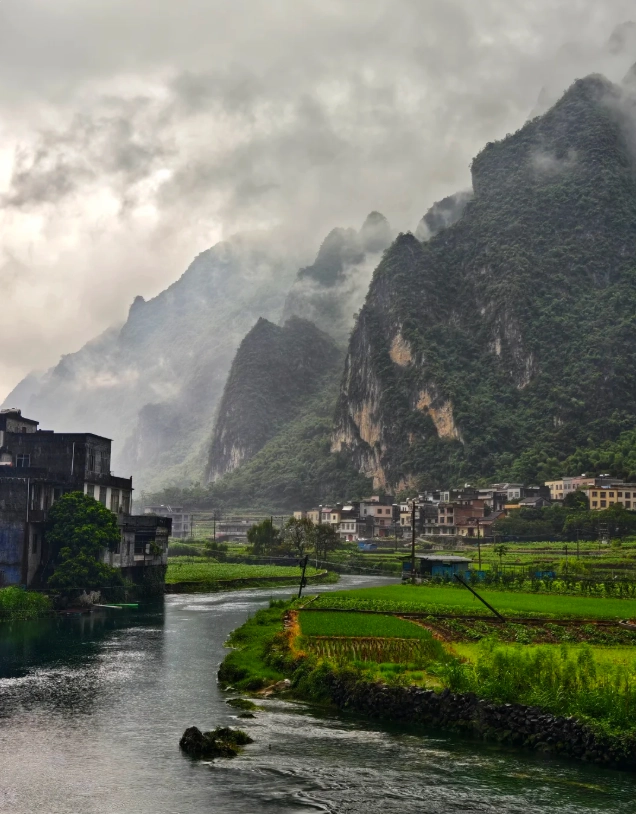
Beihai: Silver Sand and Old-World Streets
Beihai’s Silver Beach is one of China’s most famous free beaches. The water quality is decent, and the sand is so fine it squeaks. Public entry to the beach itself is free, though umbrellas and deck chairs cost extra.
Build sandcastles on Silver Beach. The beach is open 24/7, but I suggest arriving at 5 p.m. to catch the sunset without the day-trip crowds. The water can be choppy, so don’t swim far. Rinse off with fresh water at the free showers next to the entrance.
Stroll along Beihai Old Street (北海老街). This 200-year-old arcade street is free to explore. You’ll see a mix of Victorian and Chinese architecture, plus mum-and-pop shops selling dried seafood. Go early to avoid the midday heat.
Watch the fishing boats at Waisha Bridge. It’s a quick walk north from the Old Street. The harbor stinks, but in a good way — it’s a live, working waterfront. No ticket, no curators, just real life. Great place to try local snacks (not free, but you can just watch).
Here’s a quick-reference table so you don’t lose track of what’s free where:
| Spot | City | Best Time | Insider Tip |
|---|---|---|---|
| Rong Lake & Shan Lake | Guilin | Before 10 a.m. | Walk counterclockwise for the classic pagoda shot |
| Li River promenade | Guilin | Early morning | Passersby usually clear by 7 a.m. |
| Zhengyang Pedestrian Street | Guilin | After 7 p.m. | Try the flower cake from the vendor near the north gate |
| West Street | Yangshuo | 8 p.m. | Vendors double prices for tourists — bargain hard |
| Yulong River backroads | Yangshuo | Sunrise | The east bank trail is quieter; the west side is for the riverside |
| Ten-Mile Gallery | Yangshuo | Late afternoon | View Moon Hill from the road; no need to climb |
| South Lake Park | Nanning | Afternoon | Entrance is near the bus stop on Minzu Avenue |
| People’s Park | Nanning | 6 a.m. | Join the tai chi class for a few minutes — they’re friendly |
| Museum of Nationalities | Nanning | Morning (closed Mon) | Reserve with your passport on the official booking mini-program |
| Silver Beach | Beihai | 5 p.m. | Use the free fresh-water showers near Gate 2 |
| Old Street | Beihai | 10 a.m. | The best photo op is the Double Dragon plaque at the east end |
| Waisha Bridge | Beihai | Sunset | Smell the sea, not the souvenirs |
How Do You Actually Pay, Navigate, and Get Around Guangxi?
Your free sightseeing plan will still need a few practical tricks to survive. Even free spots aren’t free of planning. Let’s talk about the three things that trip up most first-timers: payment, maps, and transport.
Payment: Why Cash Is King for Free Activities (or Not)
For free attractions, you’re not paying tickets, but snacks, bike rentals, and a bottle of water will still cost you. Many small vendors don’t accept international cards. Alipay and WeChat Pay are the default. Link your Visa or Mastercard to Alipay before you arrive, and test it with a small transaction. Cash is still accepted almost everywhere, but you’ll often get annoyed looks for breaking a 100-yuan bill. Keep small notes.
Pro Tip: Don’t assume every free scenic area has a working ATM. Withdraw cash before heading to the countryside.
Navigation: Forget Google Maps, Use AMap
Google Maps will give you wrong directions in Guangxi — I’ve seen it happen more times than I can count. Download AMap (高德地图) and switch it to English, or use Apple Maps which works decently. Pin your destination in Chinese characters to show taxi drivers. For example, save ‘阳朔西街’ on your phone before you arrive. Also, visa policies change frequently — always check the National Immigration Administration official website before booking anything.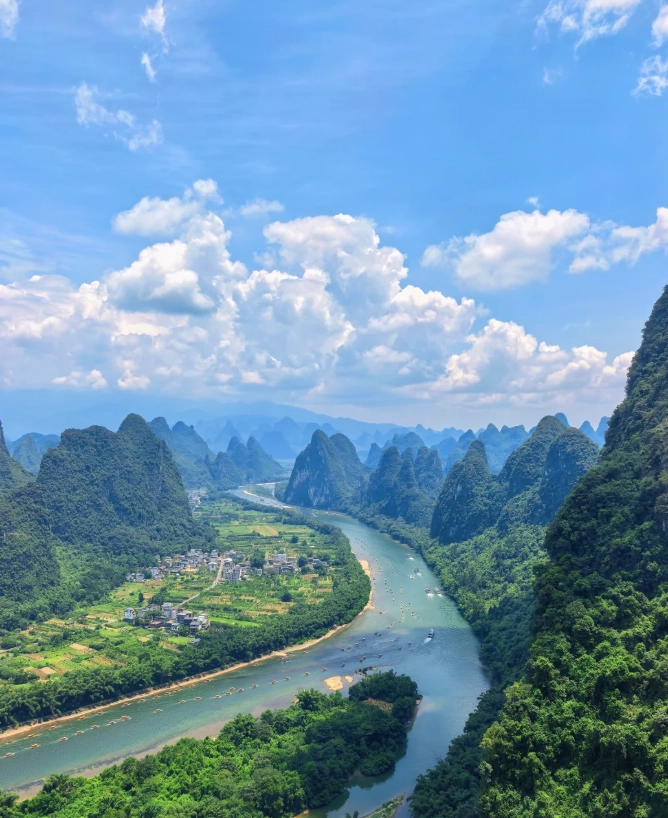
Transportation: Buses, Bikes, and App Taxis
Getting between free sites is where you’ll actually spend money. Use shared bikes for short hops, but check if they allow riding in your area. For longer distances, app taxis like Didi are cheap. Never hire a taxi that’s waiting right outside a tourist spot; the driver may not turn on the meter. Use the app to get an estimated price. For long-distance bus and train schedules, the China Railway official website is your safest source.
The Language Barrier: Be Prepared
Most locals in free areas won’t speak English. Have translation apps ready. Baidu Translate and Apple Translate both handle Chinese well. Locals will be more patient if you show a few Chinese phrases. You really don’t need to be fluent, just human.
What Hidden Costs Can Ruin Your Free Day in Guangxi?
Free attractions often have money traps lurking nearby. As a guide, I’ve seen travelers burn their budgets on unnecessary extras. Here’s how to avoid the most common ones.
The Scenic Scooter Shuttle Scam
At places like the Ten-Mile Gallery, touts may tell you the road is closed and try to sell you a ‘free shuttle’ that isn’t free. Usually, the road is open. Politely say ‘no thanks’ and walk on. If you’re worried, check with a local police officer or the ticket office of the nearest official attraction.
The ‘Free Tea’ That Comes With a Story
In some ethnic villages, vendors offer ‘traditional free tea’ and then ask for a donation after you’ve already drunk it. This isn’t scamming, per se, but it’s uncomfortable. If someone calls you over for a free cuppa, be aware that a tip may be expected. Carry small bills to avoid embarrassment.
The ‘Meterless’ Taxi
At night, especially in Yangshuo, some taxi drivers will quote a flat rate that’s triple the app price. Always use the Didi app. It shows the price on the screen, and the driver sees it too. No haggling, no surprises.
Overpriced ‘Authentic’ Snacks
Food near free sites is often draped in a ‘sunshine tax.’ For example, a bottle of water that’s 2 yuan at a convenience store may cost 5 yuan at the Rong Lake entrance. Buy essentials in advance at a supermarket.
How Can You Spend 24 Free Hours in Yangshuo?
A full day in Yangshuo costs next to nothing if you plan it around public trails and street markets. Here’s my exact route for a free, unplugged experience. It requires some walking and a bike rental (30-50 yuan), but no entrance fees.
Morning: A Sunrise at the Yulong River
Wake up before sunrise and cycle to the Yulong Bridge. It’s about 30 minutes of pedaling from town. The river at dawn is covered in a low mist. You’ll see water buffalo and maybe one or two other early birds. Bring a thermos of tea. Park your bike and sit on the riverbank. It’s absolutely free and utterly gorgeous.
Late Morning: Cycle the Ten-Mile Gallery
After breakfast (grab a 5-yuan rice noodle bowl), ride toward the Ten-Mile Gallery. The road is free and flat. Stop for photos at the Moon Hill viewpoint — the viewing platform itself is free, but climbing the hill costs money. Don’t be tempted by parking fees; use the public bicycle parking area.
Afternoon: Lunch and a Siesta in West Street
Head to West Street for lunch. Consider it your free people-watching session. You don’t need to buy anything. Sit on a shaded step, watch travelers and touts interact, and recharge. Avoid the ‘happy hour’ drink specials that start after 3 p.m. — they’re not happy for your wallet.
Evening: Sunset on the Li River Banks
From West Street, walk downhill toward the water. You’ll hit a stone wall with a gap that leads to the riverbank. It’s a public spot used by anglers and lovers. The gap is not signed, but a friendly noodle shop owner can show you. He won’t sell you anything. Bring a friend and watch the sun dip behind the karst peaks.
FAQs About Free Things to Do in Guangxi
Is the Li River free to visit if you don’t take the cruise?
The Li River’s banks are open to the public. You can walk along the promenade in Guilin or the riverside lanes in Yangshuo without paying a cent. The cruise boats are pricey and packed; the free shores give you the same karst views without hitting your wallet.
Do I need a VPN to access Google Maps and translation apps in Guangxi?
Google Maps is blocked in China, so you can’t rely on it unless you have a reliable VPN. But for navigation, Apple Maps and AMap work well in English. For translations, Apple Translate works offline, so it’s my go-to. A VPN isn’t strictly needed for daily travel if you skip Google services.
Are there any free museums in Guangxi that accept passports?
The Guangxi Museum of Nationalities in Nanning is free and accepts passports for entry. Just remember to reserve in advance via the official WeChat mini-program. Its staff are used to foreign visitors, and the collection is a fascinating deep dive into the region’s ethnic cultures.
What’s the cheapest way to travel between free attractions in Guilin and Yangshuo?
The best budget move is to take a public bus from Guilin’s bus station to Yangshuo; it runs regularly and costs about 25 yuan. Once in Yangshuo, rent a shared bike or an e-bike. You’ll be able to hit the Ten-Mile Gallery and the Yulong River backroads easily for under 50 yuan a day total.
Can I get in trouble for wandering into village areas near free spots?
Not if you stay on public paths. Villages in Guangxi are live communities, so respect boundaries. Ask permission before taking photos of people. If a resident gestures ‘no’, smile and move on. As long as you’re respectful and don’t wander into private courtyards, you’ll be welcome.






No comments yet.