 Qiang Huang
I still remember the first time I took a group to Jiangxi. We had seven days planned, but one couple kept asking, 'Can we stretch it to ten?' By the end, they were exhausted. Not because the province is too big, but because they tried to see everything at once.
Here's the thing: Jiangxi is not a place you rush through. It's a province that rewards slow travel. If you're wondering how many days to spend in Jiangxi, my answer is simple: at least five days. And if you have seven, even better.
Before you start booking, let me save you the biggest headache—the transportation between towns. Trust me, it's easier than you think if you know the train schedule.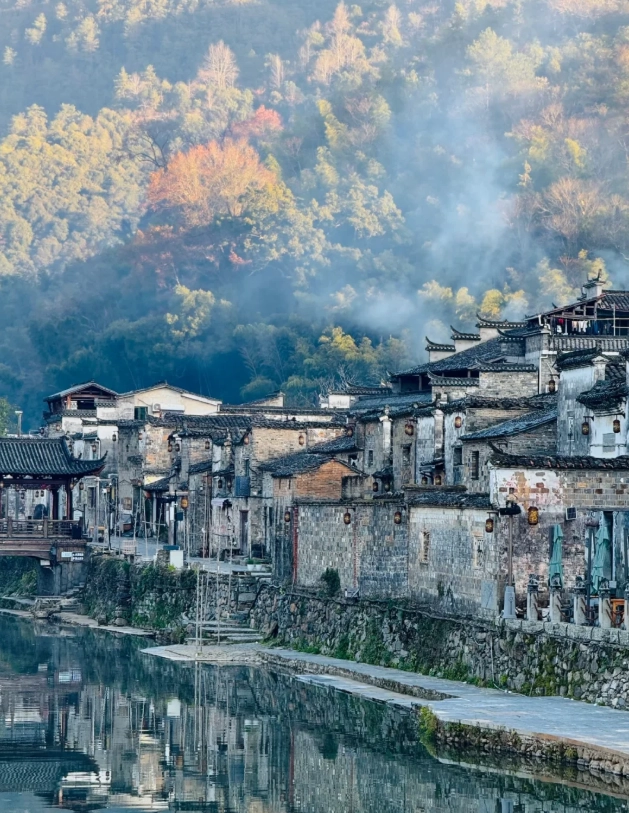
The Short Answer: How Many Days Do You Need?
In my experience guiding visitors across Jiangxi, I've found that 5 to 7 days is the sweet spot. It gives you enough time to explore the essential highlights without feeling like you're on a forced march. But your ideal length really depends on your interests and travel style.
| Days | Best For | What You Can See |
|---|---|---|
| 3 days | Business travelers, quick stopovers | Nanchang and Lushan only |
| 5 days | First-time visitors, most travelers | Nanchang, Lushan, Jingdezhen |
| 7 days | Photographers, culture lovers | Add Wuyuan, Sanqingshan, or Longhushan |
| 10+ days | Slow travelers, hiking enthusiasts | Combine with neighboring Fujian or Anhui |
If you only have three days, don't panic. You can still see the mountain and the modern city. I'll give you a realistic plan below.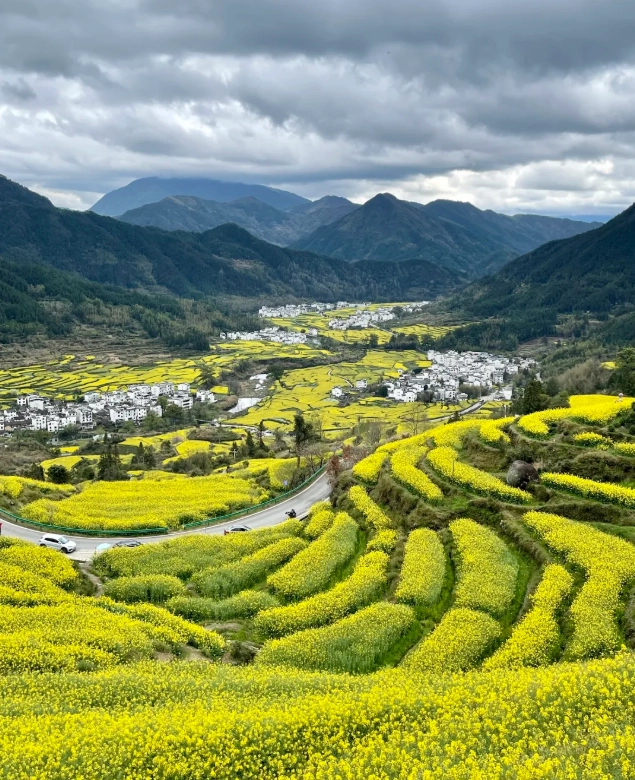
Day-by-Day Itinerary Options
Here are three itineraries I've refined after countless tours. Each one includes transportation details and meal stops, so you don't have to figure out the logistics yourself.
3-Day Quick Visit (If You're Really Short on Time)
This is the 'only the essentials' plan. It focuses on Nanchang and Lushan, the two icons of Jiangxi.
Day 1: Arrive in Nanchang
Take a high-speed train to Nanchang West Station (南昌西站). Check into a hotel near the station or in the city center. Spend the afternoon at Tengwang Pavilion (滕王阁). The entrance fee is around 50 CNY, and it's worth it for the view of the Gan River. In the evening, walk along the riverfront or visit the nearby Qiushui Square.
Day 2: Lushan Mountain
Take an early train from Nanchang to Jiujiang (about 1 hour). From Jiujiang Station, hire a taxi or take a bus to Lushan's east gate. Entrance to the mountain is about 160 CNY, plus a sightseeing bus fee (90 CNY) because the mountain is huge. I always recommend taking the cable car to Guling, the mountain town, to save time. Stay overnight at a guesthouse on the mountain—the sunset over the cliffs is unforgettable.
Day 3: Lushan to Nanchang
Spend the morning hiking around the Three-People's Falls (三叠泉) – yes, it's steep, but less crowded if you go early. Return to Guling, grab lunch, then head down. Take a train back to Nanchang for your onward journey.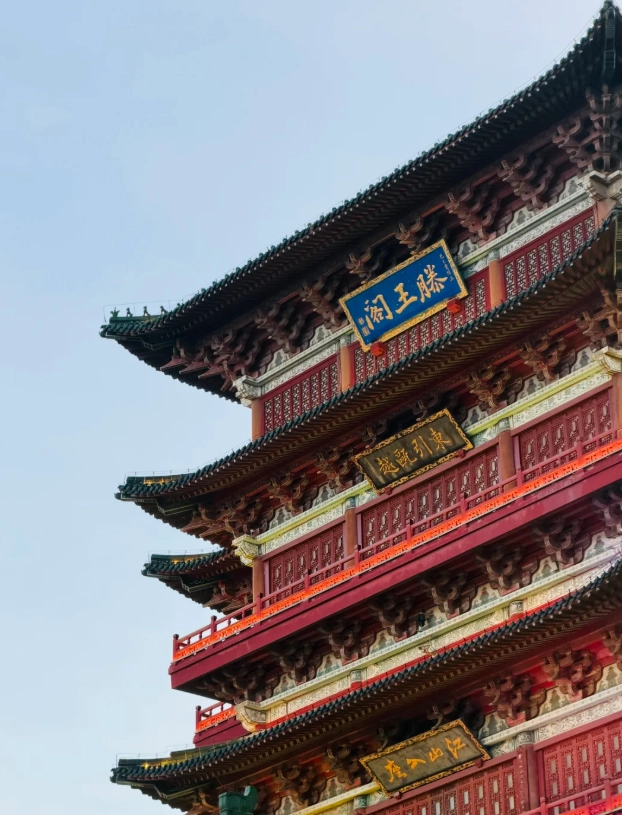
5-Day Classic Itinerary
This is my top recommendation for most first-time visitors.
Day 1: Nanchang
Arrive in Nanchang. Visit Tengwang Pavilion, Jiangxi Museum (free, but bring your passport for booking), and end the day with a night walk at Qiushui Square. Stay near Bayi Square for easy access to the metro.
Day 2: Lushan
As above, but you'll have more time. Include the Meilu Villa and Flower Path. Sleep on the mountain.
Day 3: Lushan to Jingdezhen
After a morning hike, take a bus down to Jiujiang, then high-speed train to Jingdezhen (about 1.5 hours). In the afternoon, visit the Ancient Kiln Folk Customs Museum (古窑民俗博览区) – admission is about 95 CNY. This is the heart of China's porcelain capital. Watch a master potter throw a vase right in front of you. Stay in the city center near Taoxichuan, a trendy art district.
Day 4: Jingdezhen
Dive deeper into porcelain culture. Visit the Jingdezhen Ceramics Museum (free with ID) and then shop for pottery in the morning. In the afternoon, take a pottery workshop at one of the studios in Taoxichuan – it's around 100 CNY per session. I always tell my clients: if you're not checking a bag on your way back, you haven't bought enough ceramics.
Day 5: Jingdezhen to Wuyuan or back to Nanchang
You have two options. If your flight or train leaves from Nanchang, take a morning train back (it takes about 1 hour to Nanchang from Jingdezhen). If you have more time, head directly to Wuyuan for one night – see below for the 7-day plan.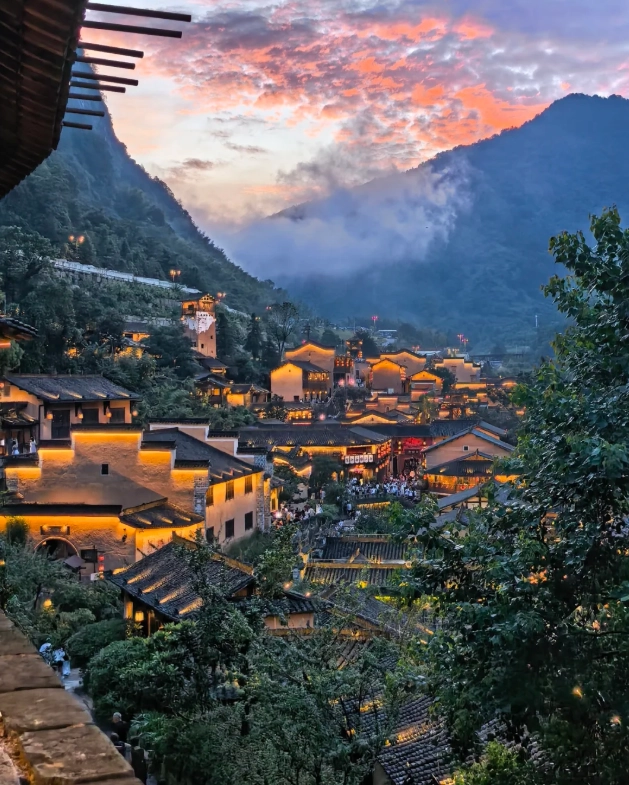
7-Day Extended Itinerary
This is the 'see it all without rushing' plan. I'd choose this if you're into photography or rural landscapes.
Day 1-3: Same as the 5-day plan, but on Day 3, instead of rushing to Jingdezhen, spend the morning exploring Lushan's West Sea (庐山西海). It's a hidden gem with emerald water and hundreds of small islands. Add an extra day to Lushan if you enjoy hiking.
Day 4-5: Jingdezhen as above, but on Day 5, take the morning high-speed train to Wuyuan (about 1 hour). Wuyuan is famous for its spring rapeseed fields and ancient Huizhou-style villages. Stay in Huangling (篁岭) – the cable car up to the village is worth it for the 'water-down village' scenery. In autumn, the 'sun-drying crops' season is spectacular.
Day 6: Explore Wuyuan's other villages like Likeng (李坑) or Wangkou (汪口). Rent a private driver for the day (around 400 CNY) to hop between them easily.
Day 7: Return to Nanchang via bus or train (about 3 hours). If you're feeling adventurous, you could squeeze in a visit to Sanqingshan National Park, a UNESCO World Heritage site renowned for its granite peaks and hanging plank roads.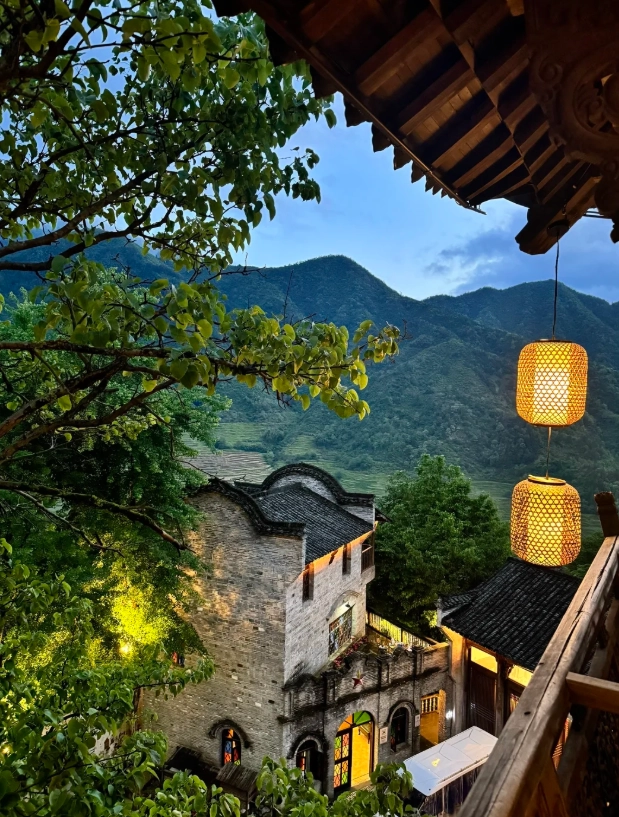
Pro Tip: For any of these itineraries, I highly recommend booking your high-speed rail tickets through the official 12306 website or your hotel concierge. The old-school paper tickets are no longer accepted; you'll need your passport to pick up e-tickets at self-service machines in the station.
When to Visit Jiangxi
Spring (March-May) is the most popular time because of the rapeseed flowers in Wuyuan and mild temperatures. Autumn (September-November) offers crisp air and colorful foliage, especially on Lushan. Summer can be hot and humid, but Lushan is a cool escape from the lowlands. Winter is cold and damp, so I only recommend it if you're chasing the less crowded experience.
Avoid Chinese national holidays like National Day (first week of October) and Chinese New Year. The train stations will be packed, and popular attractions will be submerged in crowds. I learned this the hard way once when a client's train ticket was sold out for two days.
Must-See Attractions & Hidden Gems
I've grouped these by region so you can pick what fits your taste.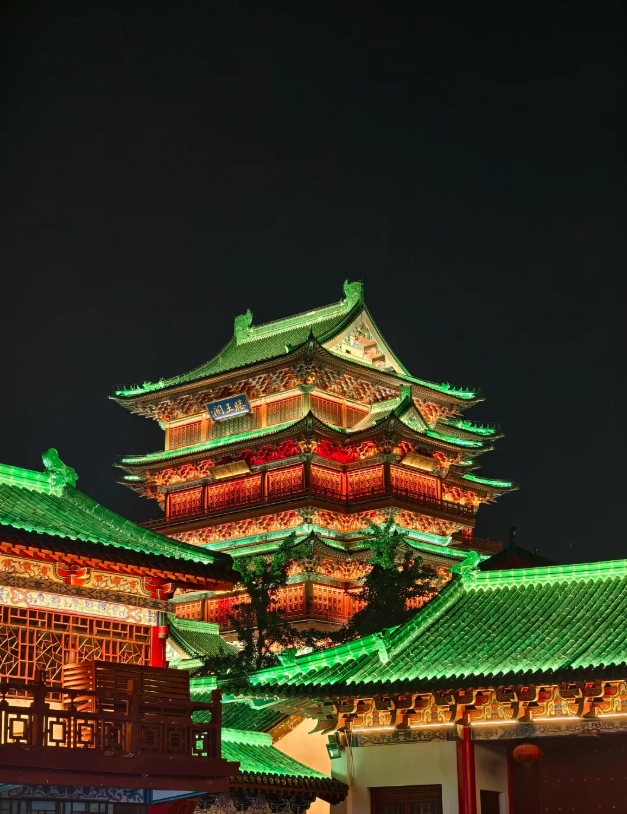
Nanchang
Tengwang Pavilion is the city's icon, a reconstruction of a Tang Dynasty tower. Admission is about 50 CNY, and it closes at 18:00. The best time to visit is just before sunset to catch the golden light over the Gan River.
Jiangxi Provincial Museum – free entry, but you must make a reservation online with your passport. The highlight is the ancient bronze and porcelain collection.
Lushan
Lushan is a national park and UNESCO World Heritage site. The official website (lushan.gov.cn) has current prices, but expect around 160 CNY for the park entrance plus a 90 CNY sightseeing bus. The bus system is essential because attractions are spread out. Don't miss the Five Old Men Peak (五老峰) and the Three-People's Falls.
Insider advice: Bring a rain jacket even in dry season. The mountain weather changes in 20 minutes.
Jingdezhen
The Ancient Kiln Folk Customs Museum is my favorite spot. It's not just a museum; it's a living workshop where artisans still use centuries-old firing techniques. The ticket price (about 95 CNY) includes a short documentary and a walking map. Try to time your visit for the morning block-throwing demonstration.
If you're serious about ceramics, visit the Taoxichuan Creative Square – a former factory complex now packed with galleries and indie studios.
Wuyuan
Wuyuan is often called the 'most beautiful countryside in China.' The traditional Huizhou architecture with white walls and black-tile roofs is a photographer's dream. The main attraction is Huangling village, which charges a gate fee (about 120 CNY including the cable car). I always tell my groups to spend the night in the village – watching the morning mist roll over the terraced fields is worth the price.
Avoid visiting on weekends if you can. The parking lots and viewpoints turn into mosh pits.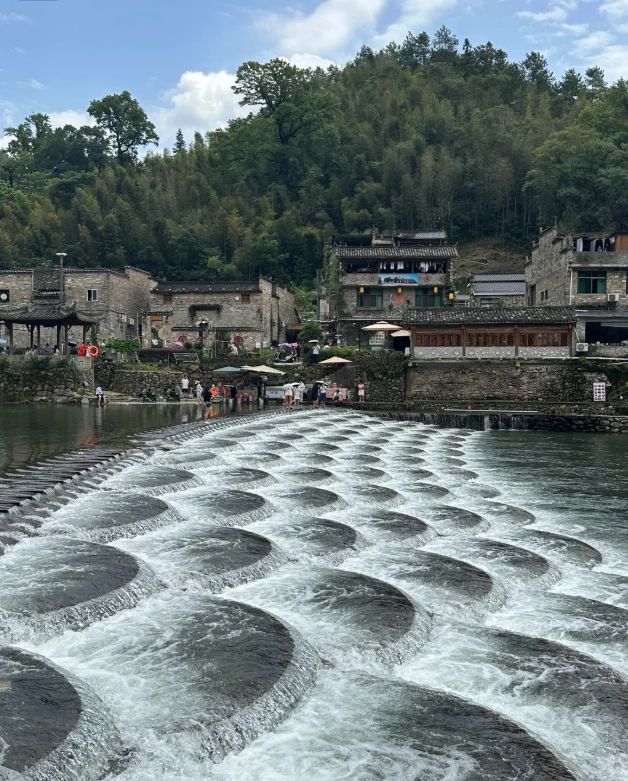
Sanqingshan
This is a spectacular granite peak park, again a UNESCO site. It's a 6-8 hour round trip from its base, and the stairs are relentless. Bring good hiking shoes, and don't try to do it in one day unless you're exceptionally fit. The cable car saves time but still leaves a couple hours of climbing.
Transportation & Getting Around
High-speed rail is the way to go. The main cities – Nanchang, Jiujiang, Jingdezhen, Shangrao – are all connected. You can book tickets on the official 12306 website (it has an English version) or via travel platforms like Trip.com. I recommend having your passport number ready because it's strictly required for foreigners.
Within cities, I lean on the metro in Nanchang (lines 1 and 2 currently) and taxis elsewhere. Use the AMap app (it has a Chinese interface but is more reliable than Google Maps inside China). I tell my clients to download the English-friendly offline maps from Apple Maps before arriving; it works surprisingly well for walking.
For rural areas like Wuyuan, the easiest way is to hire a private driver with an English guide. Many guesthouse owners can arrange it – usually 400-600 CNY for a full day in a small car.
Where to Stay in Jiangxi
Your choice of base city significantly affects your trip flow. I focus on convenience and comfort for foreigners.
Nanchang: Stay near Bayi Square or the Tengwang Pavilion area. You can find international-style hotel chains like Sheraton and Shangri-La, but also excellent budget hostels. I usually book through major apps like Booking or Agoda for consistency.
Lushan: The mountain town of Guling has many villas from the colonial era. You'll get a unique experience staying in one of these historical guesthouses. Prices range from 200 CNY for a basic room to 1000+ CNY for a restored Colonial villa. Note: most guesthouses have thick quilts because nights are cold even in summer.
Jingdezhen: The Taoxichuan area is modern and artsy, with boutique hotels and craft studios. The 'Taoxichuan Hotel' is a converted factory – a bit boutique but great location. There's also a youth hostel that organizes ceramic workshops.
Wuyuan: In Huangling village, you can actually stay inside the scenic area. These traditional houses have been converted into guesthouses, but they're basic – no elevator, thin walls, and bucket showers in some cases. If you want comfort, stay in the new town below and commute by cable car.
What to Eat in Jiangxi
Jiangxi cuisine is characterized by a heavy use of chilies and cured meats. It's not as famous as Sichuan or Hunan, but it's bold and delicious.
Nanchang: Don't miss Wonton (nanchang jiujiang tangbao) and Luo rice noodles. For a local favorite, try 'Pengjia Jiangxi Restaurant' near Tengwang Pavilion. It's always busy, so go early. The noodles have a springy texture, and the broth is rich with pickled vegetables.
Lushan: On the mountain, everything revolves around mountain vegetables and freshwater fish. Try the fried bamboo shoots with pork – it's a simple dish but unforgettable.
Jingdezhen: Known for its dumplings filled with pickled vegetables and sesame oil. Also look for crispy rice crust with mustard greens. I always grab a bowl of jiedan jiao (egg and vegetable soup) after a long day of pottery shopping.
Wuyuan: The signature dish is hujiang yan – steamed fish with chives and fermented beans. Many local restaurants in Huangling offer set meals for around 50 CNY per person.
At most restaurants, you'll need to pay with mobile payment (WeChat Pay or Alipay). If you don't have them, carry cash or use a card linked to these platforms. I rarely see international credit cards accepted except at big hotel restaurants.
Essential Travel Tips for Foreigners
Here are some things I wish every visitor knew before flying to Jiangxi.
- Payment: Set up Alipay with your international Visa or Mastercard before arrival. Even your hotel taxi driver might rely on QR codes. You'll be stuck without it.
- Maps: Google Maps is blocked in China. Apple Maps works okay, but high recommended to use the 'AMap' app (it has a limited English version now) or just ask your hotel to write out addresses in Chinese.
- Language: English is not widespread, even in hotels. Download a translation app like Baidu Translate, which can work offline.
- VPN: If you need access to banned websites (WhatsApp, Instagram, Google services), you'll need a reliable VPN installed before you arrive. Without it, your home apps might not connect.
- Reservations: Many museums and scenic areas now require you to book in advance with your passport. Check the official websites or have your hotel help you book via WeChat mini-programs.
FAQ: Answers to Your Biggest Questions
I hope this guide helps you figure out how many days to spend in Jiangxi and how to plan your trip. Remember, it's your vacation – take your time, embrace the chaos, and let the mountains and ceramics surprise you.






No comments yet.