 Chen Liu
Quick Navigation
- Is Macao Worth Visiting? The Real Answer
- Top Attractions That Prove Macao Is Worth Visiting
- Is Macao Worth Visiting Financially? A Honest Cost Breakdown
- When Is the Best Time to Visit Macao?
- Getting to Macao and Getting Around
- Is Macao Worth Visiting as a Day Trip from Hong Kong?
- Practical Tips for Visiting Macao: What I Tell My Clients
- FAQs About Visiting Macao
Let me guess — you've read a dozen forum posts, and you're still stuck with the same question: is Macao worth visiting? I've been guiding travelers here for years, and I get it. On the surface, it looks like a Las Vegas clone with egg tarts. But scratch deeper, and you'll find a city that's been a trading post for five centuries, where Portuguese tiles meet Chinese temples.
Here's the honest truth: Macao is absolutely worth visiting — if you skip the bad advice. Most tourists rush to the casinos, photograph the Ruins, then leave feeling underwhelmed. That's like eating only the bread at a feast. I've seen it happen a hundred times. This guide will show you what they miss, where the crowds hide, and how to make every hour count.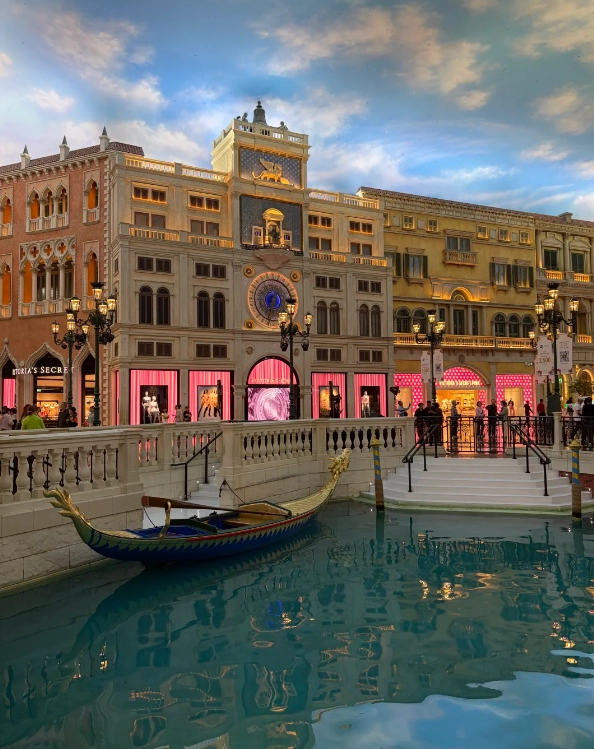
Is Macao Worth Visiting? The Real Answer
Cultural Layers You Can't Find in Hong Kong
Macao is the only place in China where Portuguese and Chinese cultures have interlocked for over 400 years. The UNESCO World Heritage-listed Historic Centre is a living mosaic — pastel-colored colonial buildings squeeze against ancient Chinese temples. Walk from Senado Square to the Ruins of St. Paul's, and you'll pass architecture that feels like a European city, yet with Chinese calligraphy on the walls.
I always tell my clients: "Don't come here for the casinos; come here for the collision of worlds." When you step into A-Ma Temple, the oldest in Macao, you're standing exactly where sailors prayed before sea voyages centuries ago. That's the kind of depth you won't find in the gambling halls.
The Food Scene Deserves Its Own Article
Forget the fish-and-chips of your expectations — Macao's cuisine is a fusion of Portuguese and Cantonese flavors. Have a warm Portuguese tart (pastéis de nata) straight from a local bakery with a coffee. Try African chicken — a spicy dish that blends coconut with chilies, unique to Macao. And don't leave without a pork chop bun from Tai Lei Loi Kei in Taipa.
But here's the insider bit: skip the touristy spots near Senado Square. Walk ten minutes deeper into the lanes, and you'll find bakeries where locals queue for fresh goods. My current favorite is a tiny shop on Rua do Campo that sells the most buttery custard tarts I've had in Asia.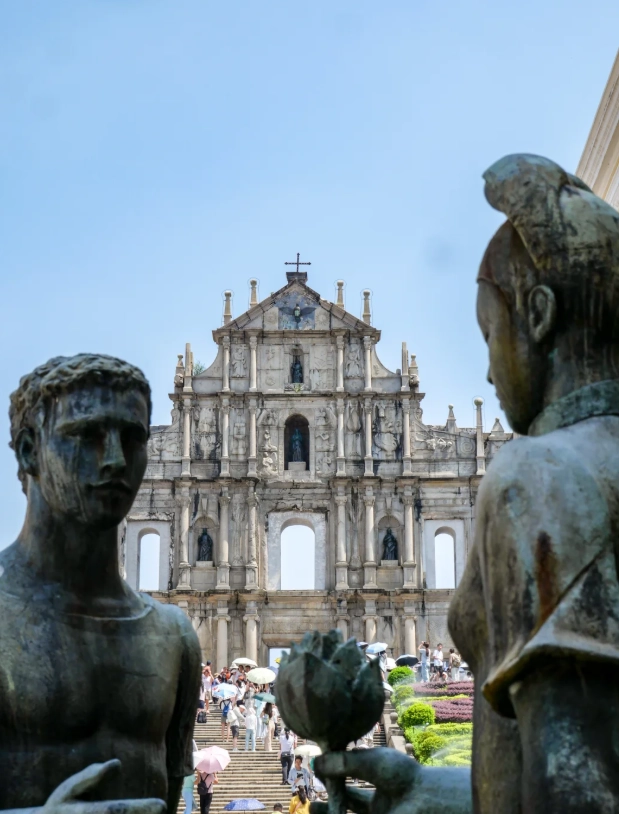
Top Attractions That Prove Macao Is Worth Visiting
Ruins of St. Paul's
The iconic stone facade is all that remains of a 17th-century church, and it's even more striking in person. It's free to enter and open around the clock, but the best photo spots are early morning or late evening. The staircase gets packed after 10 AM, and tour groups arrive in waves. I recommend going at 8 AM, before the heat and hordes. Pair it with the tiny Moors Barracks nearby, and you'll have the area mostly to yourself.
Senado Square
This wave-patterned cobblestone plaza is Macao's social heart. It's surrounded by pastel colonial buildings housing shops and eateries. The square is free and open 24/7, but be aware that the ground can be slippery after rain. I love being there during the Lantern Festival or Chinese New Year, when the square transforms with colorful lights. If you're into people-watching, grab a seat by the fountain — you'll see grandmothers gossiping, kids chasing pigeons, and workers rushing past with bubble tea.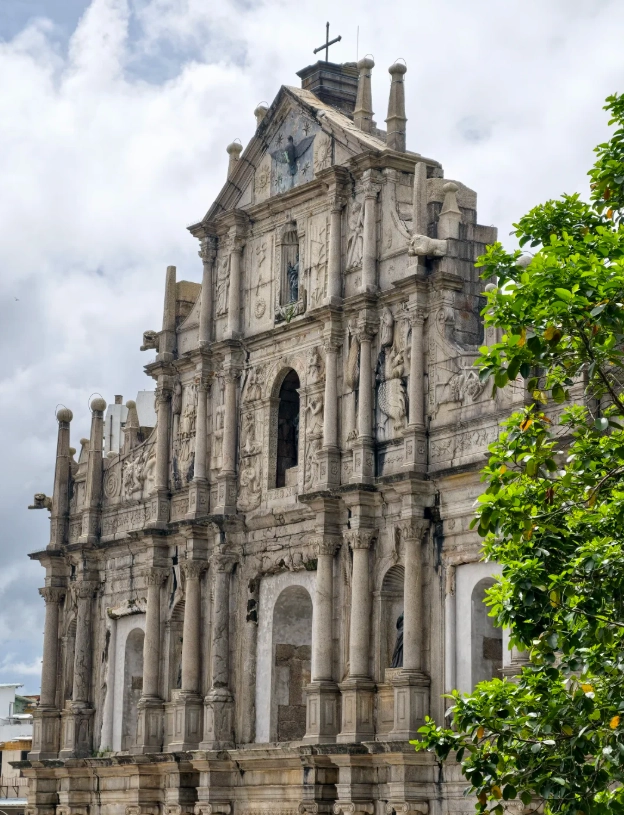
Macao Tower
For panoramic city views, the Macao Tower is worth the ticket price. The observation deck costs around MOP 165 for adults, and there's a discount for children and seniors — you'll need to show your passport to purchase tickets. It's open daily from 10 AM to 9 PM, and the best time to go is just before sunset. Book online via Trip.com or Klook to skip the line. I always tell visitors to check the weather first; on a clear day, you can see all the way to Hong Kong's islands. If you're brave, there's also a bungee jumping platform — I've watched more clients than I'd like admit scream from that edge.
Taipa Village
Taipa Village is the laid-back antidote to Macao's glitzy core. It's a cluster of old row houses, now filled with boutique cafés and street art. The area is free to wander and calmest on weekday mornings. Many visitors miss this area because they stick to the peninsulas. I make it a point to bring my groups here for a late lunch — try the Portuguese-style sausages at one of the tiny tavernas. It's easily accessible via the Taipa Village shuttle from the ferry terminal.
Is Macao Worth Visiting Financially? A Honest Cost Breakdown
Let's talk money. Many travelers assume Macao is expensive because of the casinos. The truth is, you can have a great time without spending a fortune. I put together a rough table based on my recent visits — prices fluctuate, but this should give you a ballpark.
| Item | Estimated Cost (MOP) | Notes |
|---|---|---|
| Adult admission to Ruins of St. Paul's | Free | Open 24/7 |
| Adult ticket to Macao Tower observation deck | Around 165 | Online discounts available |
| Local meal (e.g., pork chop bun + drink) | 40–70 | For one person |
| Portuguese custard tart | 10–15 | Per piece |
| Budget hotel per night | 500–800 | 3-star in tourist areas |
| Public bus ride | 6 | Unlimited trips on same day |
From my experience, a solo traveler can spend around MOP 600–800 per day including a moderate hotel. If you plan your day wisely, you'll spend far less than in Hong Kong.
When Is the Best Time to Visit Macao?
Macao is worth visiting year-round, but certain seasons really shine. If you want perfect weather, go between October and December — it's warm but not humid. Summer (June–August) is hot and rained out; that's when you'll appreciate the indoor attractions like the Macao Museum.
Avoid major holidays if you hate crowds — Chinese New Year and Golden Week (early October) turn the streets into a human river. I've been there during those periods, and honestly, the charm fades when you're shoulder-to-shoulder on Senado Square. For a serene experience, aim for a weekday outside public holidays.
Getting to Macao and Getting Around
Ferry or Bridge: Your Door-to-Door Options
From Hong Kong, you can choose the high-speed ferry or the Hong Kong-Zhuhai-Macao Bridge shuttle bus. The ferry from Hong Kong's Sheung Wan or Kowloon takes about an hour and costs around HKD 160–200 one-way. The shuttle bus (called 金巴) is cheaper — around HKD 65 from the Hong Kong port — but the total journey takes longer because you need to clear customs twice. Both are reliable; I prefer the ferry for the sea views.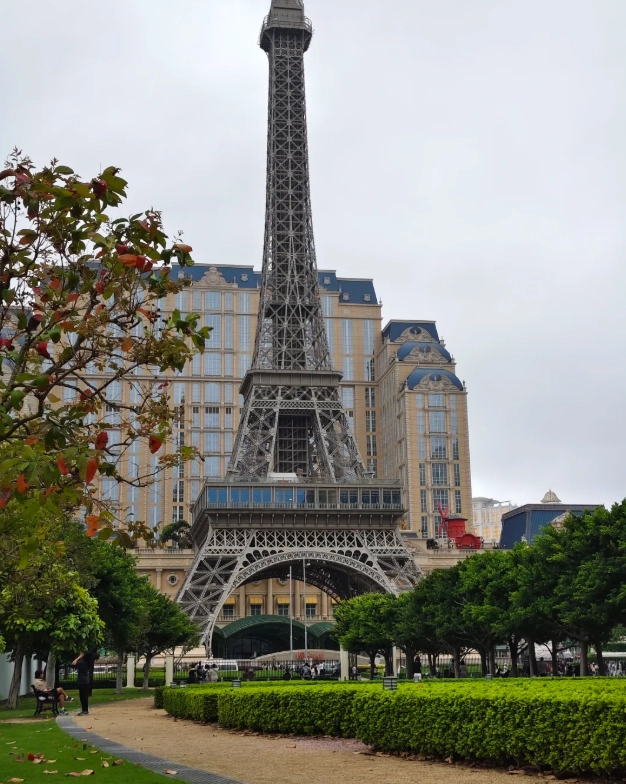
Getting Around Macao on a Budget
Macao is compact, and walking is the best way to soak in the atmosphere. For longer distances, public buses are cheap (MOP 6 per ride) and air-conditioned. You'll need the Moovit app or a friendly local to tell you which bus goes where — Google Maps doesn't work well here. Reminder: bring small change, because bus drivers don't make change.
Is Macao Worth Visiting as a Day Trip from Hong Kong?
Short answer: yes, if you plan strategically. A day trip is tight but doable. You can catch the first ferry at 8 AM, spend seven hours exploring, and return by 7 PM. I've done this with clients who have limited time. The key is to skip the casinos and head straight to the Historic Centre in the morning, have lunch in Taipa, and visit the Macao Tower in the late afternoon. Don't try to pack in every museum — you'll end up exhausted and resentful.
One more thing: buy your return ferry ticket in advance if you're leaving on a weekend. I once had a family miss their ferry because they didn't book the return leg — don't let that be you.
Practical Tips for Visiting Macao: What I Tell My Clients
Payments and Connectivity
Macao is still a cash-first city for small vendors. While large hotels and casinos accept credit cards, trulli street stalls and local bakeries often prefer cash (MOP or HKD). You'll need a VPN if you rely on Google Maps or WhatsApp; they're blocked in mainland China, but Macao has its own network that usually works. I recommend downloading Google Maps offline before you arrive — it's saved me more times than I can count.
Language Barrier
English is hit-or-miss outside tourist hubs. Learn a few phrases in Cantonese or Mandarin, or use a translation app with offline capability. At busy attractions, staff generally speak basic English. In residential areas, you'll get farther with a smile and a pointing finger.
Skip the Casinos? No, Visit One — But Wisely
You can't visit Macao and not see a casino at least once. But you don't need to drop money to enjoy the spectacle. The lobbies of The Venetian and City of Dreams are works of art. You can walk through freely, even with a backpack. The trick? Enter through the main doors, not the casino floor — that part is restricted. And no, they don't charge entry fees. Just be prepared for the smoke smell if you go indoors.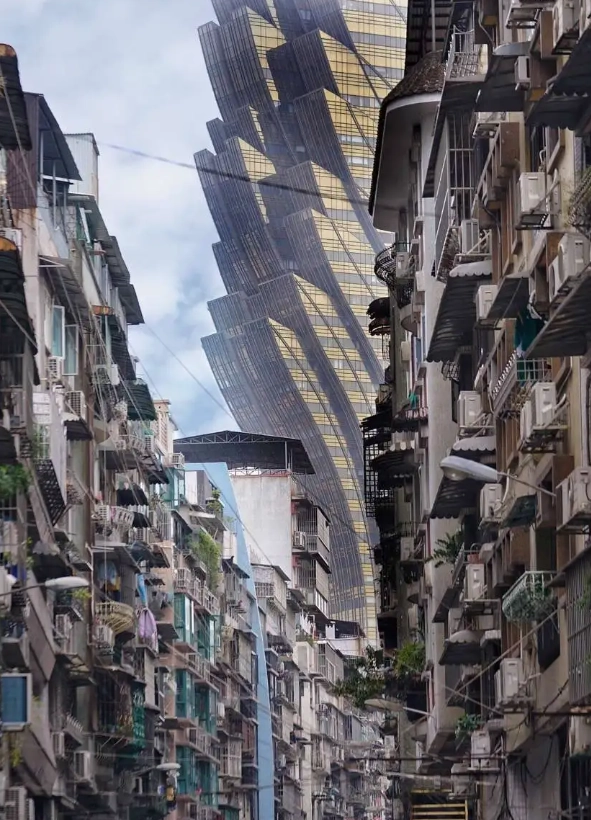
Avoid the Queue Trap
You'll see long lines at the Ruins of St. Paul's entrance. Most people queue for the same photo angle. Walk two minutes behind the Ruins to the tiny lane behind, and you'll get a gorgeous shot with fewer people. I've learned this after years of helping tourists escape the crowd.
FAQs About Visiting Macao
Verified and fact-checked by the editorial team.







No comments yet.