 Hong Ma
Quick Guide
Standing in the middle of Kashgar's Sunday market, I watched a Uyghur vendor hand me a piece of warm naan bread. The smell of grilled lamb filled the air. That's when I knew this place is unlike anywhere else in China. Xinjiang isn't just about sand dunes and camels—it's a mosaic of cultures, landscapes, and flavors that will throw your expectations out the window.
Here's the truth: most foreigners skip Xinjiang because they're scared of the logistics. But I've been leading tours here for years, and the biggest mistakes I see are confusing the region with trouble, not packing a realistic itinerary, and getting stuck with outdated information. That's why I wrote this guide—to give you the real answer to what to do in Xinjiang, based on my firsthand experience.
Before we dive into the details, let me give you the short version: If you have only one week, split it between Kashgar and Kanas Lake. Skip Turpan unless you're a history buff. And always confirm your travel permits before booking. Now, let's jump into everything you need to know.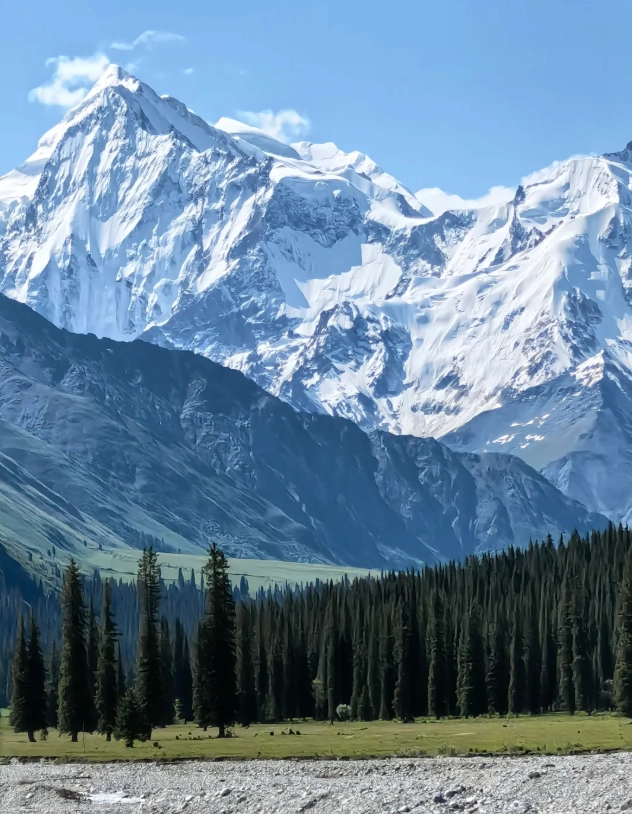
Why Xinjiang Should Be on Your China Itinerary
Most travelers stick to Beijing, Xi'an, and Shanghai. They miss out on a region that feels like a different country. Xinjiang is home to the Taklamakan Desert, the second-largest shifting sand desert in the world, and the breathtaking Tianshan mountain range. It's also the birthplace of many Uyghur traditions, from their music to their cuisine. In my years of guiding, I've seen travelers break into tears at the sight of Kanas Lake. That's the power of this place.
Xinjiang covers an area of about 1.66 million square kilometers—that's nearly one-sixth of China's territory. This enormous region borders eight countries, including Mongolia, Russia, and Pakistan. It has been a crossroads of civilizations for millennia, with merchants from the East and West passing through on the ancient Silk Road. The result? A rich cultural mix of Uyghur, Han, Kazakh, and many other ethnic groups.
The Real Xinjiang: More Than Just Desert
People often think Xinjiang is all desert. Actually, only about half is desert. The rest includes snow-capped mountains, lush grasslands, and blue lakes. Let me give you a breakdown of the must-see regions.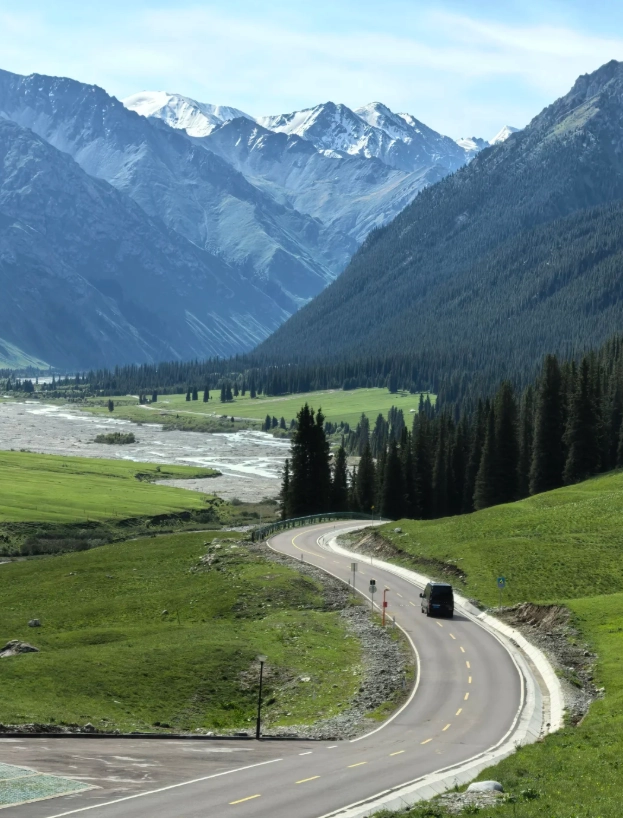
| Region | Best For | Highlights | Approx. Distance from Urumqi |
|---|---|---|---|
| Kashgar | Culture & History | Old City, Sunday Bazaar, Id Kah Mosque | 1,500 km (fly 2h) |
| Kanas Lake | Natural Scenery | Emerald lake, pine forests, autumn colors | 800 km (fly via Burqin) |
| Heavenly Lake (Tianchi) | Easy Day Trip | Mountain lake, hiking, boating | 90 km (2h drive) |
| Turpan | History & Agriculture | Flaming Mountains, Jiaohe Ruins, grapes | 180 km (2.5h train) |
As you can see, Xinjiang is massive. You can't see everything in one trip, so choose what resonates with you. I always tell my clients: don't try to squeeze too much into a week. You'll end up spending most of your time in buses and planes.
How to Plan Your Time in Xinjiang
If you're a first-timer with 7 days, here's a rough itinerary that works:
- Days 1–2: Fly into Kashgar. Wander the old city, visit the Sunday Bazaar, and soak up the Uyghur atmosphere.
- Day 3: Fly from Kashgar to Burqin (via Urumqi), then take a 2-hour drive to Kanas Lake.
- Days 4–5: Explore Kanas. Take a boat cruise and hike the boardwalk trails.
- Day 6: Fly to Urumqi and visit Heavenly Lake.
- Day 7: Explore Urumqi's museums and markets before your departure.
Avoid the urge to rush. The distances are real. If you have more than a week, consider adding Turpan or even a desert safari.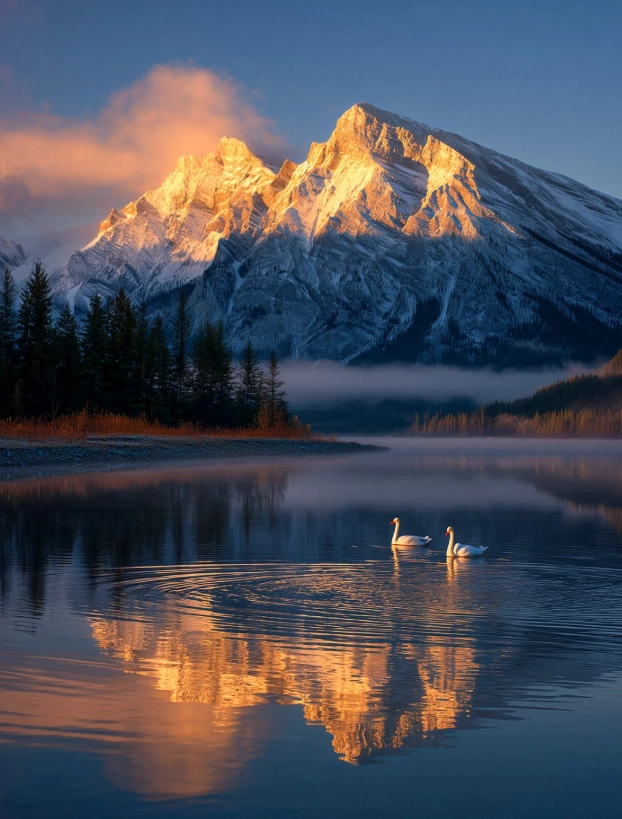
Top Things to Do in Xinjiang
Now, let's get into the nitty-gritty. These are my personal picks for the most unforgettable experiences. I've sorted them by region so you can plan easily.
1. Explore Kashgar's Old City & Sunday Bazaar
Kashgar is the soul of Xinjiang. My favorite spot is the Old City, a labyrinth of alleys lined with mud-brick houses. The Sunday Bazaar is an experience you'll never forget—vendors selling everything from handmade carpets to spices. You'll need a good few hours to wander.
Practical details: The Old City is free to enter. You'll be asked to show your passport at some checkpoints, so always carry it. The Sunday Bazaar is most active on Sunday mornings, but it runs all week.
Getting there: Kashgar Airport is about 10 km from the city center. A taxi costs around 30 RMB. The Old City is in the center; you can walk there from most hotels.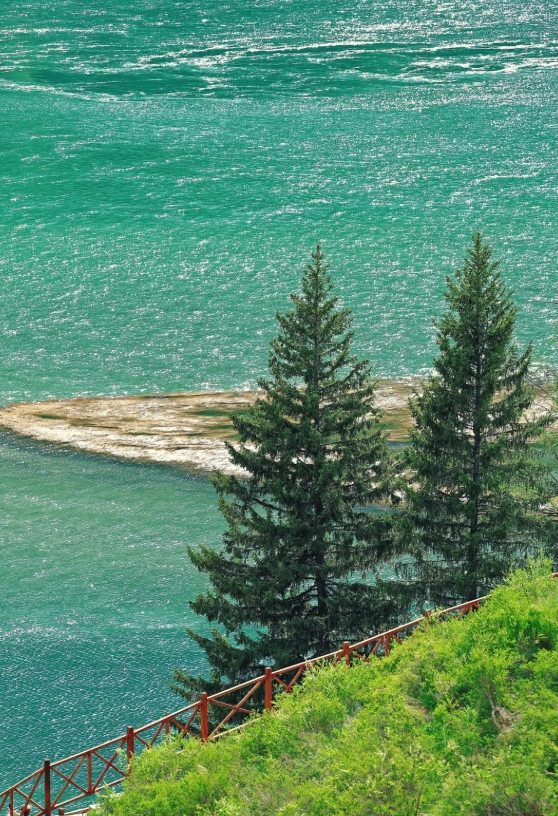
Insider tip: Skip the main square and walk a few blocks south to find smaller street food stalls. Trust me, the best naan in town is right there. I bring every client to a tiny bakery that's been run by the same family for generations—they don't have a sign, but you'll find it by the aroma.
2. Boat Cruise on Kanas Lake
Kanas Lake is a deep blue lake surrounded by snow-capped peaks. I always tell my clients to take the boat cruise to the middle of the lake—the color is so pure it looks fake. The lake is part of Kanas National Nature Reserve.
Practical details: You need a special permit to visit Kanas Lake. This must be arranged in advance, usually through a licensed travel agency or your hotel. The entrance fee is around 200 RMB (approximately 30 USD), but it can change—confirm at the ticket office. The cruise costs an extra 120 RMB.
Getting there: From Urumqi, you'll fly to Burqin Jingshan Airport (around 1.5 hours), then drive about 2 hours to the lake. The best time to visit is between June and September, when the mountains are green. For photographers, autumn (late September) is magical.
Pro tip: Arrive before 10:00 AM. The tour groups start pouring in at 11, and you'll want the quiet path by the shoreline.
3. Relax at Heavenly Lake (Tianchi) near Urumqi
This is the easiest escape from Urumqi. It's a 2-hour drive from the city. The lake sits at the foot of Bogda Peak. You can take a shuttle bus from the parking lot.
Practical details: The entrance fee is about 100 RMB for adults, and the shuttle bus costs another 60 RMB round-trip. It's a steep walk if you skip the bus, so I recommend taking it. The lake is at 1,900 meters altitude, so bring a light jacket even in summer.
Most tourists only stay for an hour. I suggest packing a picnic and hiking a few kilometers along the shore to escape the crowds. There's a small temple complex called Dongyue Temple that's worth a visit.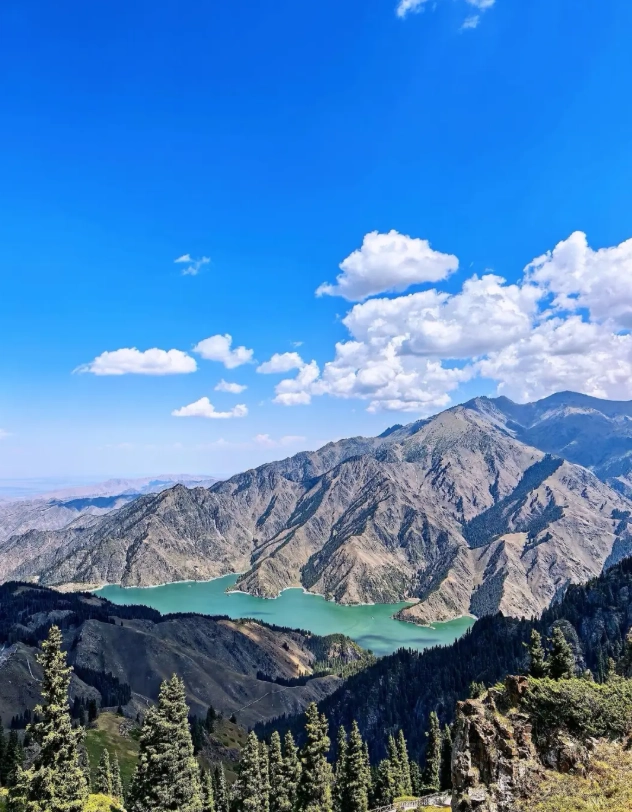
4. Discover the Flaming Mountains in Turpan
Turpan is hot—really hot. The Flaming Mountains get their name from the red rock, and they glow under the sun. But if you come in summer, you'll be roasting. I recommend visiting in late September or October.
The Jiaohe Ruins, an ancient city, are nearby and fascinating. Also, don't miss the Karez irrigation system—an ingenious underground water network.
Getting there: Turpan is about 2.5 hours by high-speed train from Urumqi. You can hire a driver for a day to see the main sights. Expect to pay around 300–500 RMB for a private car for the day.
5. Walk the Id Kah Mosque in Kashgar
This is the largest mosque in China, built in 1442. The architecture is stunning, with geometric patterns and a grand courtyard. It's not just a tourist attraction—it's a working mosque, so visitors are expected to respect prayer times.
Practical details: Entry ticket is around 30 RMB. The mosque is closed to tourists during Friday prayers (around noon). Dress modestly—cover your shoulders and knees. And ladies, bring a scarf; it's appreciated.
6. Experience the Urumqi Grand Bazaar
If you're short on time, the Grand Bazaar in Urumqi gives you a taste of Xinjiang's market culture in a more modern setting. You'll find dried fruits, spices, and handicrafts. It's touristy, but still fun.
Head to the rooftop terrace for a panoramic view of the city. And try a fresh pomegranate juice—it's sweet and refreshing.
What to Eat in Xinjiang
Xinjiang cuisine is a highlight on its own. Hearty, fragrant, and loaded with spice. Here are the dishes you cannot leave without trying:
- Polo (pulov) – Rice cooked with carrots, onions, and chunks of beef or lamb. It's sweet and savory at once. I always order it with a side of yogurt to cut the richness.
- Laghman – Hand-pulled noodles stir-fried with beef and peppers. Salty and satisfying. The noodles are often pulled fresh in front of you.
- Kebabs – Skewered lamb laced with cumin and chili powder. Sold everywhere. My favorite is zhuafeng (spicy lamb skewer) from a stall in Kashgar's bazaar.
- Naan – The round bread that comes out of a tandoor oven. Chewy and warm. Get it fresh—cold naan turns rock-hard.
- Dried figs and raisins – The region is famous for these. Bring some home as souvenirs.
Where to try them: In Kashgar, the streets near Id Kah Mosque are packed with food stalls. In Urumqi, head to the Grand Bazaar for a tourist-friendly experience. For a more local vibe, ask your hotel receptionist to write down the name of a neighborhood restaurant in Chinese characters—they'll be happy to help.
One thing to keep in mind: many small eateries only accept cash or mobile payment. International credit cards (Visa, Mastercard) are rarely accepted. Bring enough cash in Chinese yuan.
Where to Stay in Xinjiang
Your base will depend on your route. Here's a rundown of the best areas to book.
| City | Base | Neighborhood | Price Range (per night) | Best For |
|---|---|---|---|
| Kashgar | Old City | 150–400 RMB | Immersion, photography |
| Urumqi | Center near People's Square | 200–500 RMB | Convenience, transport |
| Kanas Lake | Jiadengyu (village near lake) | 300–800 RMB | Nature, tranquil stays |
| Turpan | City center | 100–300 RMB | Budget travelers |
I always recommend the Old City in Kashgar for the experience. You'll feel like you've stepped back in time. Many guesthouses there have central courtyards with grape vines. Just remember to ask about Wi-Fi strength before booking—some traditional houses have thick walls that block the signal.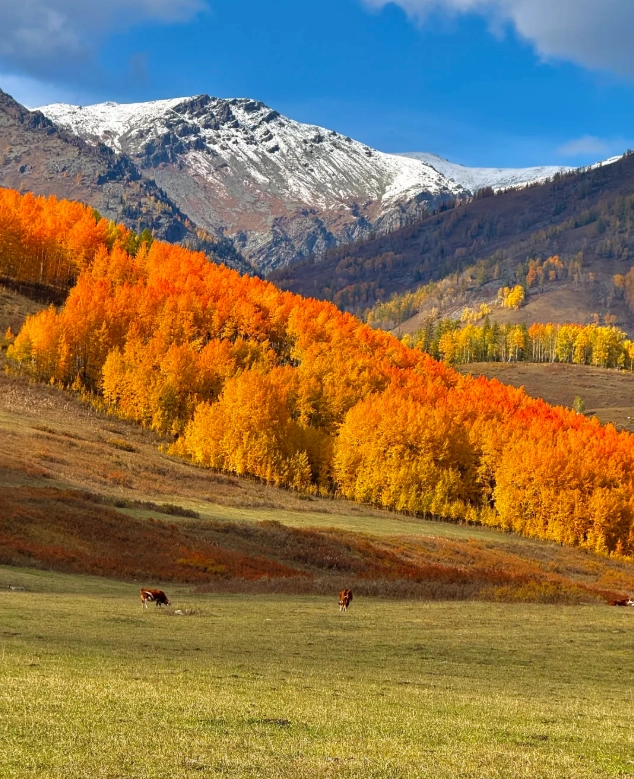
In Urumqi, stay near People's Square. You'll be close to the museum and the metro. The vibe is more generic, but it's a good hub.
For Kanas, Jiadengyu is a small village near the lake that fills up fast. Book at least a month in advance if you're traveling in July/August.
One more tip: Always confirm that your hotel can help arrange travel permits. Many in Kashgar and Kanas are used to handling this for foreigners.
Practical Tips for Visiting Xinjiang
Visa & Permits
Most international travelers need a tourist visa (L visa) to enter China. Check the latest requirements with the National Immigration Administration. For certain areas in Xinjiang, including parts near the border, you'll need a Xinjiang Travel Permit. This is usually arranged by your tour operator or hotel. Don't try to go solo without one—you'll be turned back at roadblocks.
Payment & Money
As mentioned, cash is king in small towns. But in cities, you can use Alipay or WeChat Pay linked to your foreign card. Set these up before you travel, as they may require ID verification. Carry 500–1000 RMB in cash for emergencies.
Transportation
Flights are the fastest way to cover the huge distances. Check 12306.cn for train tickets. Within cities, use DiDi (similar to Uber) or official taxis. Avoid unlicensed drivers who may overcharge.
Internet & Language
Google Maps doesn't work well in China. I rely on Apple Maps or the AMap (Gaode) app in English mode. Download translation apps like Baidu Translate or Apple Translate. Also, bring a VPN to access Facebook, Gmail, and other Western services.
Safety & Etiquette
Xinjiang is generally safe for tourists, but always keep your passport with you. Police checkpoints are common. Respect local customs: dress modestly in religious areas, and ask permission before photographing people. I've never had a serious incident in years of guiding. But I did get scammed once by a taxi driver who didn't turn on the meter. So here's my advice: insist on the meter or agree on a price before getting in.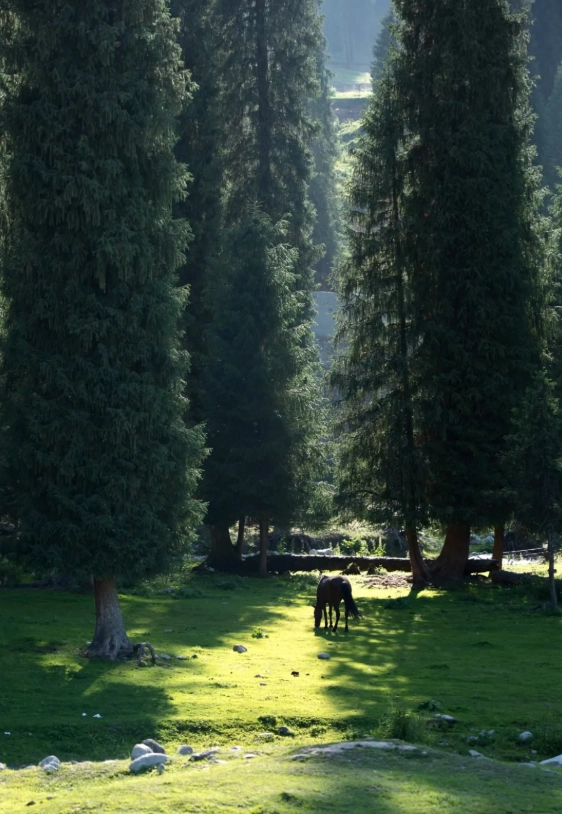
Xinjiang Travel FAQ
Verified and fact-checked by the editorial team.







No comments yet.