 Chen Liu
Rain-soaked, jet-lagged, and clutching a paper map that's already disintegrating — that's how most of my clients arrive in Hong Kong. They've booked a hotel, but have zero idea what to do in Hong Kong beyond snapping a photo of the skyline. I've been guiding first-timers here for years, and I can tell you this: the city isn't hard to explore, but it's easy to waste time and money if you follow outdated advice.
Here's the one thing to remember before you do anything else: get an Octopus Card at the airport, and skip the Peak Tram if you're only there for the view — the bus to Victoria Peak is cheaper and just as scenic. Now, let me show you exactly how to spend your time without falling into the tourist traps.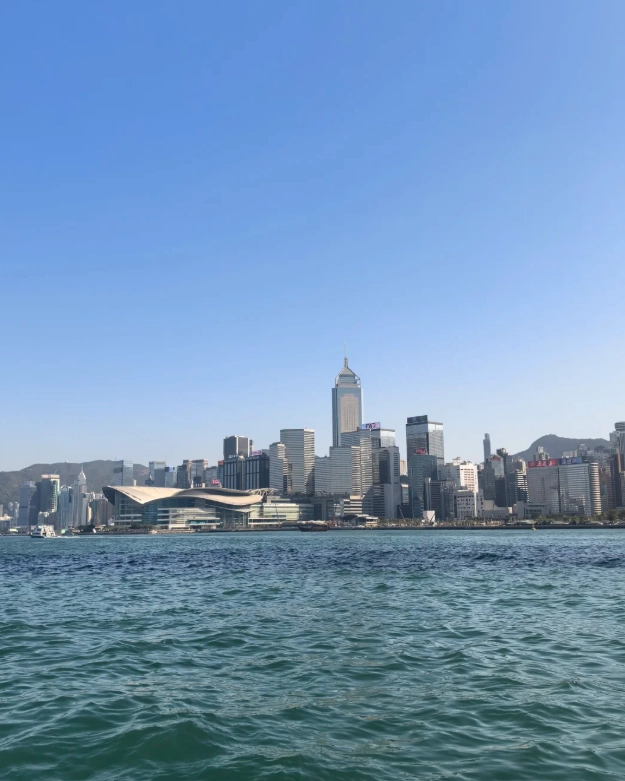
What to Do in Hong Kong: Iconic Sights You Can't Miss
Victoria Peak & The Peak Tram
Most tourists overpay for the Peak Tram — and wait in line for an hour. I always tell my clients to take the Peak Tram the first time because it's a fun experience, but if you're on a tight schedule, take bus 15 from Exchange Square. It takes about 35 minutes, costs a fraction of the tram, and you'll get the same jaw-dropping view from the Sky Terrace at Victoria Peak. The Peak itself is free; the Sky Terrace admission is around HK$75 for adults. But here's my insider tip: the Sky Terrace is nice, but the path right below it — Lugard Road — offers the same view for free. My guests love the stroll along Lugard Road, and it's perfect for sunset.
When to go: I recommend arriving before 10am or after 4pm to miss the tour bus crowds. The Peak Tram light show in the evening is overrated; the real magic is watching the city lights flicker on from the peak.
Star Ferry & Victoria Harbour
The Star Ferry is the best value experience in Hong Kong — period. For about HK$4-5, you get a seven-minute crossing between Tsim Sha Tsui and Central. The upper deck is worth the few extra cents. Sit on the right side if you're heading from Tsim Sha Tsui to Central — you'll get the unobstructed harbour view. The ferry runs from early morning to around 11pm, and each trip is a little time capsule. I've never stopped enjoying the briny smell and the slap of the waves.
Pro Tip: For the classic skyline shot, take the Star Ferry at dusk, then head to the Tsim Sha Tsui promenade for the Symphony of Lights show at 8pm. It's free, and the harbour breeze makes it bearable even in peak summer.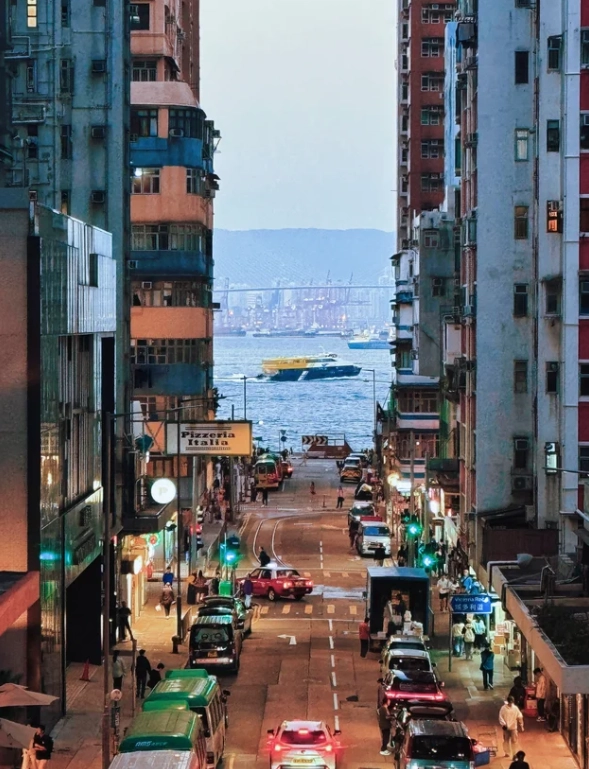
Tsim Sha Tsui Promenade & Avenue of Stars
The Avenue of Stars is basically the Hong Kong equivalent of the Hollywood Walk of Fame — but with kung fu stars and a killer view. Walk along the promenade from the Star Ferry pier to the Clock Tower, a short 20-minute stroll. You'll pass Bruce Lee's statue and plenty of selfie spots. The promenade is also where you'll see the city's famous neon skyline reflected in the harbour. If you're a photographer, come at blue hour — the 30 minutes after sunset — and use a tripod. Yes, tripods are allowed, just don't block the walkway.
What to Do in Hong Kong Beyond the Guidebook
Dragon's Back Trail
If you have half a day to spare, the Dragon's Back hike is the best way to see Hong Kong's wild side. It's a 8.5km loop (or shorter out-and-back) on Hong Kong Island, with sweeping views of the South China Sea and Shek O Beach. Start at the To Tei Wan bus stop on Shek O Road — take bus 9 from Shau Kei Wan MTR. The trail begins right behind the bus stop. It's a moderate hike, taking about 2.5 hours, and you'll end at Big Wave Bay, where you can reward yourself with a swim and a beer at the beachside pizza place. I always tell my clients to wear sturdy shoes — flip-flops are a bad idea, no matter how tempting.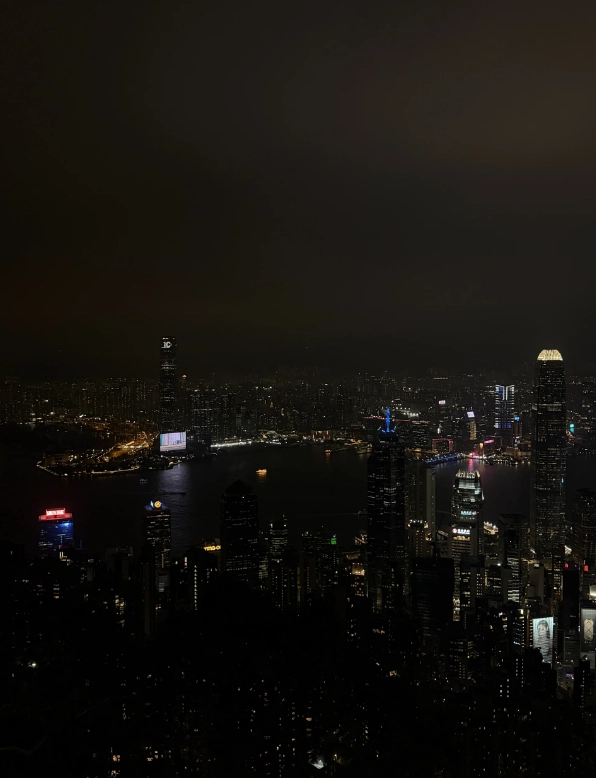
Tai O Fishing Village
Tai O is a stilt-house fishing village on Lantau Island that feels a million miles from the city. It's worth the 45-minute bus ride from Tung Chung MTR. The village is famous for its elevated houses, narrow lanes, and salted fish. Take a boat tour around the stilt houses — they're about HK$20-30 per person. You'll see the occasional white dolphin if you're lucky. The seafood is excellent; try the grilled squid from a street stall. Just 注意中午可能会很热,我建议上午去,避开旅游团。
Nan Lian Garden
This free classical Chinese garden in Diamond Hill is my go-to spot for resetting my mind. It's impeccably landscaped with a golden pagoda, koi ponds, and ancient trees. The garden is not huge — you can see it in 30 minutes — but it's a beautiful escape from the chaotic streets. The adjacent Chi Lin Nunnery is also free and worth a peek. I always remind my clients that the garden is a place of peace, so please speak softly and don't feed the fish.
How Do You Get Around Hong Kong Like a Local?
The MTR is the fastest way to get around, but don't ignore the double-decker trams. The Octopus Card is your all-in-one ticket for the MTR, buses, ferries, and even convenience stores. You can buy it at any airport express counter or MTR station. The card itself costs HK$150; it includes a HK$50 refundable deposit and HK$100 of stored value. If you run low, top up at any 7-Eleven or MTR station — just hand them cash and your card.
The Octopus Card Is Your Best Friend
If you take away one piece of advice from this article, make it this: never use single-journey tickets. The Octopus Card saves you time, and it automatically calculates the best fare. For example, the MTR ride from Tsim Sha Tsui to Central costs about HK$7, but with an Octopus it might be HK$6.6, and you don't have to queue at the ticket machine. Tap the card on the reader when entering and exiting the station. It's that simple. For tourists, there's also a 'Tourist Octopus' card, but the regular one is more flexible and you can get a refund of the deposit at the end — just note there's a small admin fee if you return within 3 months.
Taxi vs. MTR: When to Pick Which
MTR is the king for most trips, but taxis win when you're in a group or late at night. Taxis in Hong Kong are color-coded: red for urban, green for the New Territories, blue for Lantau. The starting fare for red taxis is around HK$27, and it adds up quickly. For a group of three or more, a taxi can be cheaper than the MTR for short distances, especially if you're splitting the fare. However, avoid taxis during rush hour (8-9am and 5-7pm) — you'll sit in traffic. For the Airport Express, there's a free shuttle bus that takes you to major hotels.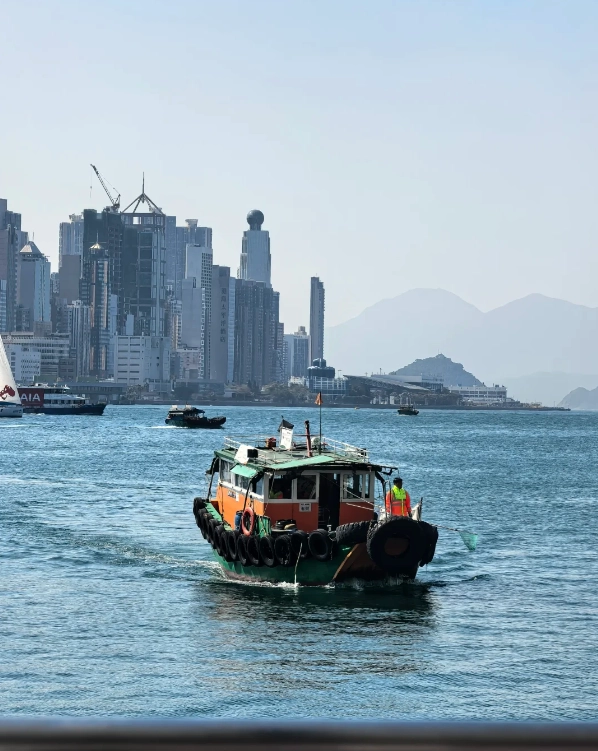
What to Eat in Hong Kong: A Local's Food Crawl
You can't leave Hong Kong without eating at least one proper dim sum meal.
Dim Sum: Where to Go and What to Order
My go-to dim sum spot is Lin Heung Tea House in Central or the more tourist-friendly Tim Ho Wan in Sham Shui Po. Lin Heung is old-school with trolley service — you'll fight for seats and the waiters will shout at you, but the har gow (shrimp dumplings) are transcendent. If you prefer a calmer experience, Tim Ho Wan is the world's cheapest Michelin-starred restaurant, and the char siu bao are unmissable. Arrive before noon on weekends, or you'll queue for over an hour. A meal for two costs around HK$150-200.
The Best Wonton Noodles in Central
For wonton noodles, there's a small shop called Mak's Noodle that has been around for decades. Their signature is the 'Traditional Wonton Noodle' — a small bowl with plump shrimp and a springy noodle. The broth is light and addictive. The portion is small, so order two bowls if you're hungry. It's located on Wellington Street, and it's cash or Octopus only. I always tell my clients: come at 3pm to skip the lunch rush.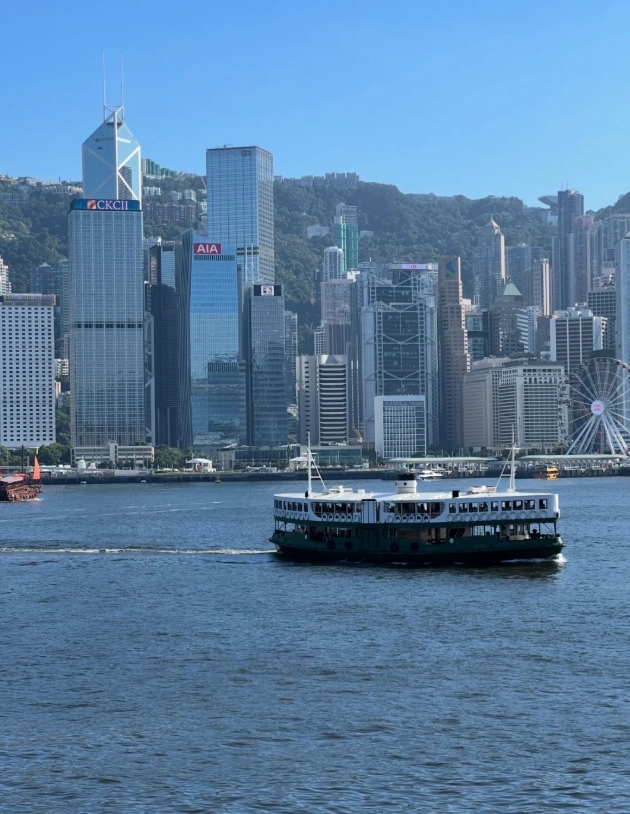
Street Food: Egg Waffles and More
The egg waffle is Hong Kong's most iconic street snack, and you'll find it everywhere. My favorite is from a stall on Mong Kok's Fa Yuen Street Market. Ask for 'lin gai' (coconut) flavor — the crispy outside and soft inside are perfect. At the same market, try the curry fish balls and skewered cuttlefish. The street food in Hong Kong is generally safe, but check for hygiene ratings. I always bring my clients to the Tai Kok Tsui market road stalls for the ambient chaos.
Where to Stay in Hong Kong: Best Areas for Every Budget
Choosing the right area is half the battle. Here's a quick comparison of the most popular neighborhoods for tourists:
| Area | Vibe | Nightly Budget | Best For | Transport |
|---|---|---|---|---|
| Tsim Sha Tsui (Kowloon) | Touristy, lively, great views | HK$600-1500 | First-timers, budget to mid-range | 2-min walk to MTR, Star Ferry |
| Central & Sheung Wan | Business hub, upscale dining | HK$800-2000 | Foodies, couples, business | MTR central, airport express |
| Mong Kok (Kowloon) | Local street life, markets | HK$400-1000 | Budget travelers, market lovers | MTR Mong Kok |
| Causeway Bay (HK Island) | Shopping heaven, crowded | HK$700-1500 | Shoppers, families | MTR Causeway Bay |
For first-timers, I recommend Tsim Sha Tsui. You wake up to the view of Victoria Harbour, and the airport bus A21 drops you right at the waterfront. If you're on a shoestring, Mong Kok has cheap guesthouses, but be prepared for small rooms and noise. And always check if the building has an elevator — some old walk-ups don't.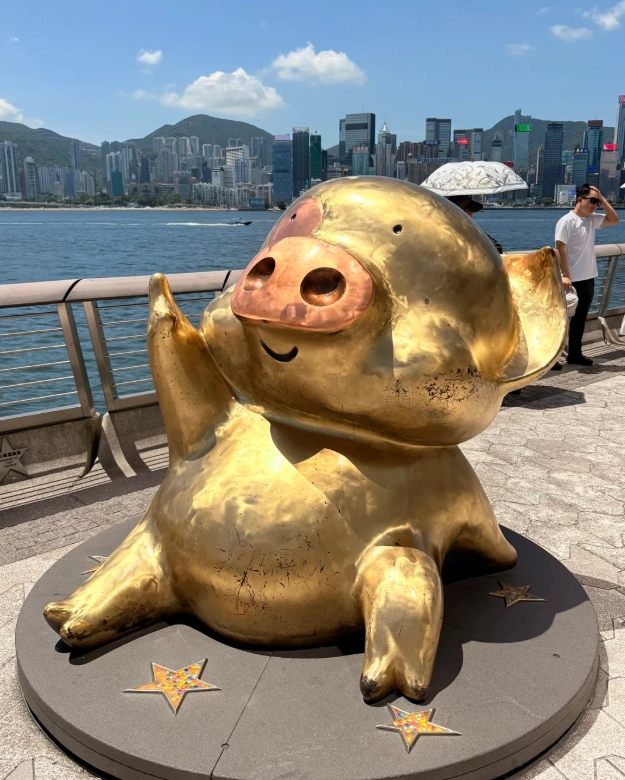
What Should You Do in Hong Kong on a Rainy Day?
Hong Kong gets serious rain, especially in summer, so have a backup plan ready.
Hong Kong Museum of History
This museum in Tsim Sha Tsui is one of the best free attractions in the city. It covers 400 million years of natural history and cultural development, with English labels throughout. The highlight is the 'Hong Kong Story' exhibition — a detailed walk through the territory's transformation from a small fishing village to a global city. Plan to spend at least 2 hours. It's closed on Tuesdays, so move your schedule if needed. The entrance is free, and it's a short walk from the Tsim Sha Tsui MTR station.
Shopping Undercover: Where to Go
If you must shop, skip the open-air markets and head to a mall. The Gold Coast in Causeway Bay or the Landmark in Central are both dull but dry. For a more local experience, try the Citygate Outlets in Tung Chung — you can take the MTR there, and it's connected to the airport bus route. The key is to keep your Octopus card handy for the inevitable tap-to-pay in every shop.
Hong Kong Travel Tips: The Stuff Nobody Tells You
Payment: Tap to Pay Everywhere
Hong Kong is almost cashless, but the primary payment methods are local. International credit cards aren't accepted everywhere, especially at smaller shops and some restaurants. The good news is that Alipay and WeChat Pay work at most places with a foreign-issued card linked to the app. I always advise my clients to set up Alipay before arriving and link their Visa or Mastercard. Cash is still useful for tiny stalls and some taxis, so carry HK$500-1000 in small notes. You can withdraw cash from most ATMs with a foreign card.
Getting Online: VPN and Sim Cards
You'll need a VPN if you want to use Google Maps, WhatsApp, or even Instagram. Hong Kong has its own internet rules; while it's not as strict as mainland China, it still blocks some sites. The easiest solution is to buy a local SIM card with data, like the tourist SIM from 7-Eleven for about HK$100, which includes 10GB of data and a local number. You can also look for an eSIM from apps like Airalo, but the local SIM is more reliable for speed.
For navigation, don't rely on Google Maps — it's often inaccurate in Hong Kong. I recommend Apple Maps or the local app Citymapper, which work well in English. But even better, use the MTR's own map app, which includes exits and transfer times.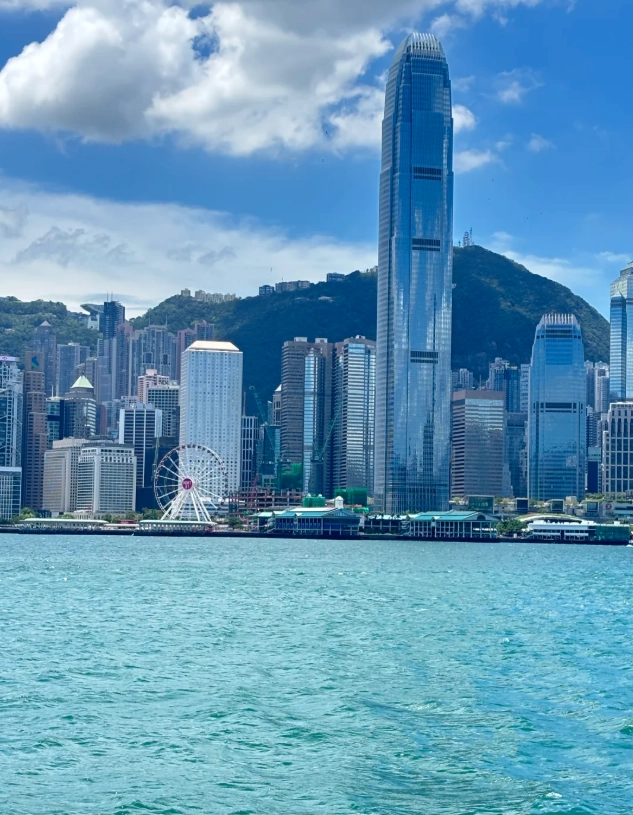
Booking Tickets as a Foreigner
For major attractions like the Peak Tram or Disneyland, book online in advance to avoid long queues. The official channels are often WeChat mini-programs that are hard to navigate. Instead, use an international platform like Klook or Trip.com, which accept foreign cards and show English descriptions. You'll need your passport for entry to some attractions. For museums, they're mostly free or require a walk-in entry, but check ahead.
Before you fly, double-check the latest visa and entry rules. The regulations for international tourists can change, and the National Immigration Administration provides the most current updates. Similarly, if you plan to take the high-speed train to mainland China, the official booking platform China Railway's 12306 website shows schedules and fares.
Frequently Asked Questions About What to Do in Hong Kong
Is it better to stay in Kowloon or Hong Kong Island for sightseeing?
If it's your first trip, stay in Tsim Sha Tsui, Kowloon. You get the classic skyline view across the harbor, and the Star Ferry is right there for afternoon trips to Central. The airport bus drops you nearby, making it less stressful. Central is more expat and business oriented; you'll miss the raw energy if you only see Hong Kong Island.
How many days is enough for a first-time visit?
I'd say 3 to 4 full days. That lets you see Victoria Peak, the harbor, a hike like Dragon's Back, and still have time to eat your way through Mong Kok. If you're pressed for time, use the first morning to do the free Walking Tour around the waterfront — it's a great orientation.
Do I need to carry cash in Hong Kong?
Carry a small amount of cash, around HK$500, for stalls, taxis, and some tiny noodle shops. But use your Octopus card and mobile wallets for everything else. Make sure to link your foreign card to Alipay or WeChat Pay before you arrive — that's the real key to fee-free (or low-fee) spending.
What's the best way to avoid the crowds at the Peak?
Skip the Peak Tram entirely for the view. Take bus 15 from Central or a taxi up; you'll avoid the 45-minute queue and still get the same view. If you want the tram experience, go at 8:30am on a weekday or after 7pm on Sunday (when the light show is winding down). Also, walk the Lugard Road loop instead of paying for the Sky Terrace — it's free and just as spectacular.
Are there any hidden fees or scams I should watch out for?
The classic scam is fake tour operators selling overpriced 'tickets' outside the Star Ferry. Always buy from the official counter. Also, be cautious of street vendors selling 'genuine' jade watches at insane prices — they're not. And if a taxi driver suggests a long detour, firmly insist on the route you know or use the MTR. Hong Kong is generally safe, but crowded spots attract pickpockets, so keep your phone in your front pocket.





No comments yet.