 Ling Wu
Quick Guide to What’s Inside
Let me start with a confession: I’ve guided dozens of travelers around Hubei, and almost all of them landed with the same wrong idea. They thought 48 hours in Wuhan would cover it. It won’t. Hubei is massive — think mountains, rivers, ancient temples — and the real gems hide hours away. But if you know exactly where to go and how to move, this province becomes one of China’s most rewarding trips. So here’s my shortlist of must-see in Hubei, built from years of leading tours and troubleshooting everything from dead phone batteries to last-minute ticket disasters.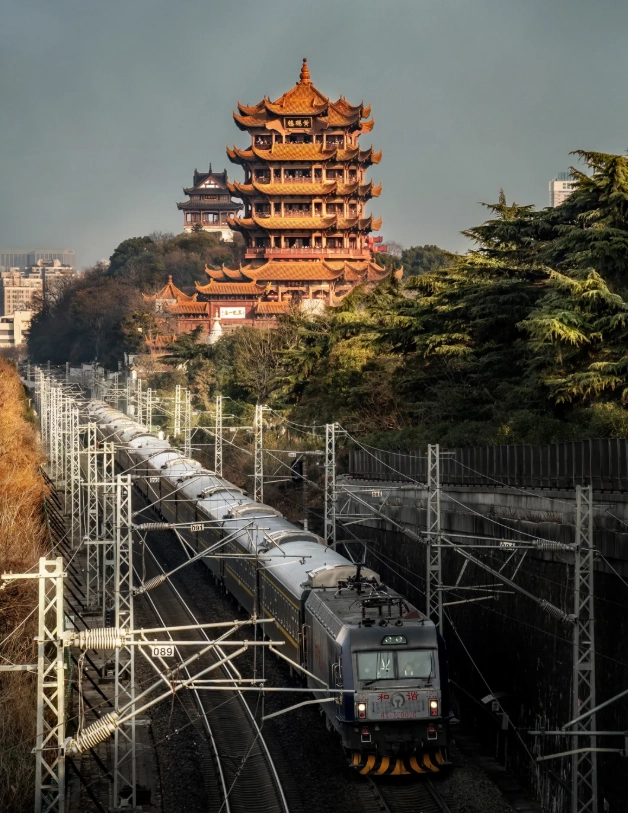
Why Hubei Deserves a Spot on Your China Itinerary
Hubei is central China’s overlooked gem. It gets a fraction of the tourist numbers that Beijing and Xi’an see, yet it packs a serious punch. Here’s why I keep bringing travelers here:
- Geographic diversity — You can stand on a 2,000-year-old tower in the morning and hike a 3,000-meter mountain by the weekend.
- History — Hubei was a key battleground for the Three Kingdoms and the birthplace of Chu culture. The Provincial Museum holds artifacts that rival the Forbidden City.
- Less crowded — Even during Chinese holidays, the big sites here feel manageable compared to the Great Wall or the Terracotta Warriors.
- Affordability — Hotels and meals cost noticeably less than Shanghai or Beijing.
I’ll never forget the look on a first-time visitor’s face when we rounded a corner at the Hubei Provincial Museum and saw the bronze chime bells. That moment alone is worth the trip.
The 7 Must-See Attractions in Hubei — Details, Tickets, and My Insider Tips
Here’s a quick reference table I give every traveler before we set out:
| Attraction | Location | Est. Admission | Opening Hours | Notes |
|---|---|---|---|---|
| Yellow Crane Tower | Wuhan | ~CNY 80 | 8:00–18:00 (varies) | Don’t miss the tiled roof at sunset |
| Three Gorges Dam | Yichang | Free (shuttle ~CNY 35) | 8:30–16:30 | Passport required for entry |
| Wudang Mountains | Shiyan | ~CNY 140 (includes bus) | 7:30–17:30 | Cable car extra |
| Shennongjia | Shiyan/Yichang border | ~CNY 299 combo | 7:00–18:00 | Bring layers; weather shifts fast |
| Enshi Grand Canyon | Enshi | ~CNY 160 | 8:00–16:00 | Strong vertical hikes; knee brace helps |
| Hubei Provincial Museum | Wuhan | Free | 9:00–17:00, closed Mon | Ancient bell performance extra |
| Yangtze River Bridge | Wuhan | Free | Open 24h | Walk the upper deck at sunrise |
Now let me walk you through each spot. These are not in any particular “best” order — but the first ones are easier day trips, and the rest are worth the journey.
1. Yellow Crane Tower, Wuhan
The Yellow Crane Tower is the icon of Wuhan, perched on Snake Hill overlooking the Yangtze River. It’s been rebuilt many times, but the grandeur remains. The entrance fee is about 80 CNY, and I always recommend buying the ticket on Trip.com before you go — it saves you from pulling out your passport at the line and fumbling with a foreign card.
My insider timing: Arrive at 8 a.m. when the gates open. The first hour is blissfully calm, and you’ll have the top-level balcony almost to yourself. By 10, tour groups flood in.
Here’s the thing many photo guides don’t tell you: the best shot isn’t from the main entrance. Walk around to the north side of the tower, near the staircase that leads down the hill. You’ll get the full tower against the skyline without a single selfie stick in the way.
Pro Tip: Don’t fall for the touts near the ticket office offering “back-door entry”. The only legal entrance is through the main gate. Everything else is a scam.
2. Three Gorges Dam, Yichang
This is the largest hydroelectric dam in the world, and it’s a bucket-list stop for engineers and nature lovers alike. The dam itself is free to visit, but you must take the official shuttle bus from the visitor center — that costs about 35 CNY. Foreigners need to show their passport to enter the facility. Pre-booking is mandatory, and the easiest way is to use Klook or have your hotel call the local tourist office.
From Yichang East Railway Station, take the direct tourist bus (number 9 or the special dam shuttle) — it takes about 1 hour and drops you off right at the visitor center. Don’t be tempted by taxi drivers at the station who offer a “fast lane” for extra money. It’s the same entrance.
My favorite overlook: the Tanziling Observation Deck. You get a bird’s-eye view of the dam and the ship locks. Bring binoculars — you can spot the ships using the vertical ship lift, which is a mind-blowing engineering feat in motion.
Insider Advice: Wear sturdy shoes. You’ll do a fair amount of walking between the parking lot, the shuttle drop-off, and the observation points. No, you cannot walk on the dam itself.
3. Wudang Mountains, Shiyan
Wudang isn’t just physically demanding — it’s spiritually loaded. The temple complex has been a UNESCO World Heritage site since 1994, and walking the same stone paths as ancient Taoist pilgrims feels like stepping into a martial arts film.
The gate fee is around 140 CNY and includes a shuttle bus that loops around the main sights. The cable car up to the Golden Peak costs extra (about 80 CNY one way). If you’re fit, hiking the stairs will take you 2–3 hours; the cable car saves energy for the final steep ascent to the gold hall.
Plan for two days. I know some travelers try to do it in one, and they always come back exhausted and missing half the views. Stay overnight at a temple guesthouse or in the town of Wudangshan at the foot of the mountain. Catching sunrise on the Golden Peak is one of the most memorable moments you can have in China — provided the weather cooperates.
Beware: the stone steps get slick after rain. Grab a pair of anti-slip shoe covers at the entrance, or just take it slow. And ignore the fortune tellers near the Purple Cloud Palace — they’re not part of the official experience, and their English scripts are pure tourist traps.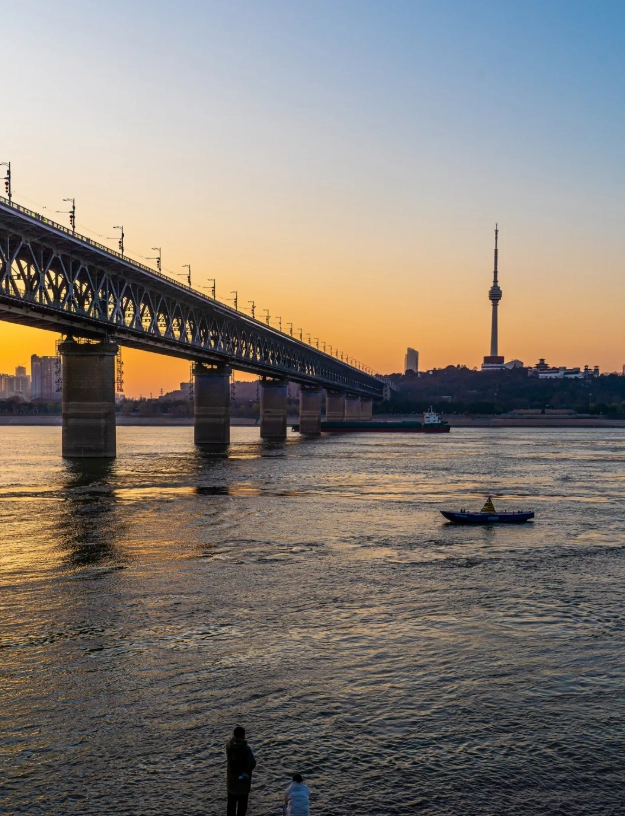
4. Shennongjia, the Untouched Forest
Shennongjia is the kind of place that feels pulled from a fantasy novel. It’s a massive forested mountain range where people have reported seeing the legendary “Yeren” (Chinese Bigfoot). The area is also home to golden snub-nosed monkeys, which you can spot on the boardwalk trails.
The main attractions here are spread out, so a combo ticket (~299 CNY) gives you access to several parks — Big Nine Lake, Banbi Mountain, and the Shennong Summit. The most scenic is Big Nine Lake, a string of alpine lakes that look like turquoise mirrors.
Getting to Shennongjia requires dedication. From Yichang, it’s about a 4-hour drive on winding mountain roads, so I highly recommend hiring a private driver or joining a small group tour from Yichang. Public buses exist, but they’re slow and infrequent.
Weather is the curveball. Even in summer, the summit can drop to 10°C. Always pack a warm layer and a rain jacket. My trick is to start early — before noon. By mid-afternoon, the clouds roll in and visibility drops to nil, turning the lake viewpoints into a gray wall.
Pro Tip: If you want monkey sightings, go to the boardwalk at Big Nine Lake around 8:30 a.m., right after the gates open. The rangers have set up occasional feeding spots, and the monkeys hang around near the second viewing platform.
5. Enshi Grand Canyon, Enshi
Enshi Grand Canyon is a dramatic karst landscape with sheer cliffs, deep gorges, and a glass-bottomed bridge that makes everyone’s knees weak. The entry ticket (~160 CNY) doesn’t include the cable car, which costs extra and is worth every penny if you don’t want to spend the first hour hiking uphill.
This place is a serious workout. Expect steep staircases that go on for hours. The entire main loop takes 4–5 hours even with the cable car. I’ve seen too many unprepared travelers limp off the trail, so here’s my honest advice: bring knee brace if you have knee issues, and pack snacks and water that fit easily in your backpack. The food options inside the canyon are limited and pricey.
The golden window: Arrive at 8 a.m. to beat the tour buses. The canyon walls create dramatic shadows in the morning light, which makes your photos look professional even on a phone. By noon, the trails are clogged and hot.
Insider Advice: The glass bridge adds an extra thrill but you might not want to splurge if you’re not into heights. It closes on windy or rainy days, so check the weather before paying.
6. Hubei Provincial Museum, Wuhan
For a free attraction, this museum is world-class. It’s home to the famous Sword of Goujian, a 2,500-year-old sword that remains razor sharp, and the enormous bronze chime bells from the tomb of Marquis Yi of Zeng. The highlight is the live ancient bell performance, which takes place several times a day and costs about 30 CNY extra. Believe me, hearing those bells in the museum’s concert hall is spine-chilling.
The catch: Free admission doesn’t mean walk-in. You must reserve a spot online in advance, and you’ll need your passport number. The official WeChat mini-program is in Chinese, which can be daunting. Instead, use the English interface at Trip.com or ask your hotel receptionist to book for you — it takes 5 minutes and saves you an hour of frustration.
Once inside, pick up an audio guide (available in English) at the lobby. The museum is compact; you can cover the highlights in 2 hours. Plan to come on a weekday morning to avoid school groups.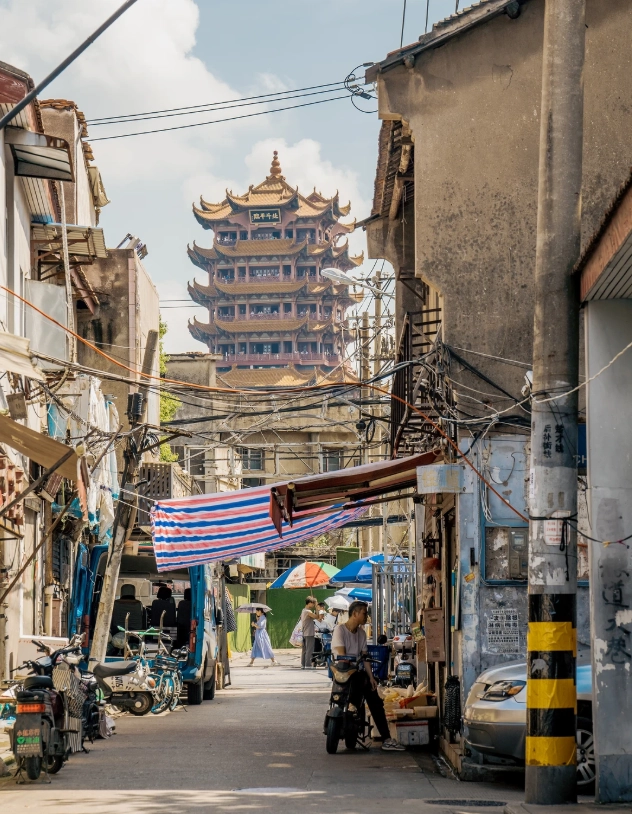
Pro Tip: The bell performance tickets sell out fast on weekends. If you can’t book in advance, arrive 30 minutes before the scheduled showtime and go directly to the ticket counter — sometimes they release extra spots.
7. Wuhan Yangtze River Bridge, Wuhan
The Yangtze River Bridge is a symbol of Wuhan’s modern history. It opened in 1957 and was the first bridge to span the Yangtze, connecting the historical Wuchang and Hankou districts. You can walk across the entire bridge on a pedestrian path — it’s about 1.6 kilometers, giving you killer views of the city and the river below.
The bridge is free, and you can access the pedestrian walkway from staircase entrances at both ends. The Wuchang side is next to the TV Tower, and the Hankou side is near the old concession buildings. There’s also an elevator in the bridgehead towers that charges a few yuan, but I always take the stairs — it’s more fun and you can pause to watch the ships pass.
My favorite time: just before sunset. The light turns golden, and the city skyline begins to shimmer. It’s also when the bridge railings are least crowded. If you’re there in the early morning, you might catch local tai chi masters doing their routine on the open platforms at the ends.
Insider Advice: Watch out for mopeds and bicycles using the pedestrian walkway — they don’t always follow the rules. Stay to the side, and don’t stop to take photos in the middle of the path.
How to Plan Your Hubei Route Without Wasting Time
Hubei is big, and the attractions are scattered across several cities. If you try to see everything, you’ll spend half your trip on a bus. Here’s the routing I recommend for first-timers:
- Start in Wuhan (2–3 days): Fly or take the high-speed train to Wuhan. Spend Day 1 on the Yellow Crane Tower and the Yangtze River Bridge. Day 2 at the Hubei Provincial Museum and maybe a boat tour on the Yangtze.
- Take the high-speed train to Yichang (1–2 days): From Wuhan, the G7222 or similar trains take about 1.5 hours and cost around 100 CNY. Spend a day at the Three Gorges Dam. If you have time, take a short cruise through the Xiling Gorge.
- Continue to Enshi (2 days): The train from Yichang to Enshi takes 2 hours. Enshi Grand Canyon is a full-day commitment, so plan accordingly.
- Optional: Wudang Mountains (2 days): From Wuhan, take a train toward Shiyan. It’s about 2.5 hours from Wuhan. You can add this before or after the Wuhan urban leg.
- Shennongjia: If you’re crunched for time, skip it unless you’re a nature fanatic. It’s the hardest to reach and the weather can ruin plans. Consider it if you have 10+ days.
If you only have 24 hours in Wuhan, here’s your tight schedule:
8:00 — Arrive at Yellow Crane Tower early. 11:00 — Metro to the provincial museum (line 8, exit K). 14:00 — Grab a quick lunch of hot dry noodles at a local spot. 15:30 — Walk across the Yangtze River Bridge. 18:00 — Head to the Hankou riverside for dinner and the night cruise.
Rainy day? Swap the bridge and the tower for the museum in the morning and the Hubei Science and Technology Museum in the afternoon. Both are indoors and properly air-conditioned.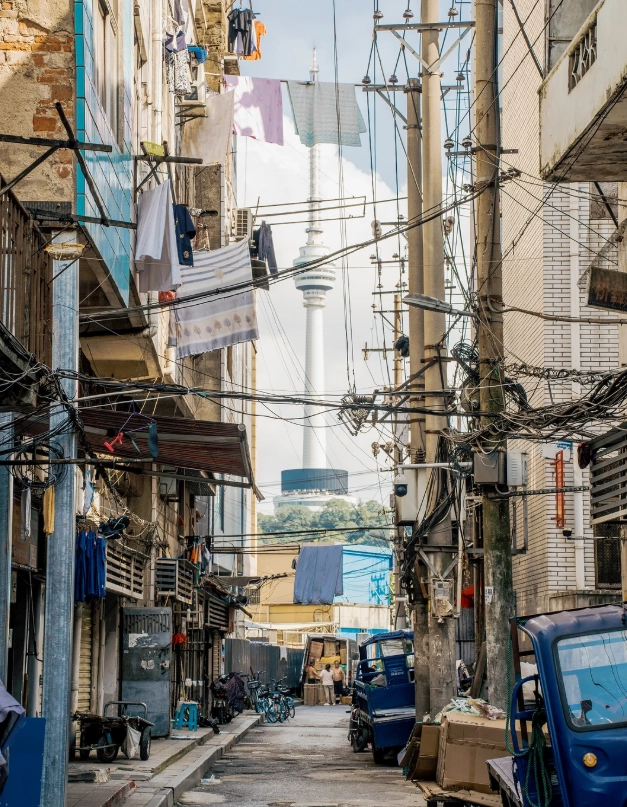
What You Need to Know About Tickets, Payments, and Transport
Now let’s get practical. This is the part that trips up most foreign visitors.
1. Pre-booking is your lifeline. Most attractions in Hubei require a timed entry reservation. The easiest English-friendly platforms are Trip.com, Klook, or the official “China Travel” app. You’ll need your passport number, so keep it handy. Some small attractions may take walk-ins, but the big ones don’t risk being turned away.
2. Forget about cash and credit cards. In Hubei, mobile payment is king. Your foreign credit card won’t work at most stalls, and while larger hotels accept Visa/Mastercard, smaller shops and taxis don’t. Set up Alipay or WeChat Pay with your international credit card before you arrive. If you don’t have that, carry 200–300 CNY in small bills as emergency cash; it’s still legal tender, though some vendors may hesitate to give change for large notes.
3. Navigation and VPN. Google Maps doesn’t work properly in China. Use Apple Maps or download AMap (GaoDe) with the English interface. You’ll also need a reliable VPN to use Google, WhatsApp, or Instagram. Set it up before you land. For translation, use Apple Translate or Baidu Translate with offline packs.
4. High-speed trains are your friend. The railway network connects all major Hubei cities efficiently. Use the official China Railway website to check schedules and book tickets. The passport-scanning gates at railway stations are straightforward. For local transport, use the Metro (line 5 in Wuhan is handy), or Didi (the Chinese Uber). Didi has an English app, and you can type in English addresses.
5. Visa and entry policies. Always check the latest visa rules from the National Immigration Administration. Many countries have visa-free or 24–72 hour transit options, but policies change. Verify before booking complicated hikes.
Where to Stay in Hubei for First-Timers
Finding the right base saves you hours of commuting. Here are my go-to areas:
Wuhan
Stay near the Yangtze River, ideally in the Wuchang or Hankou districts. The Wuchang side is walking distance to the Yellow Crane Tower and the museum. The Hankou side has more street food and nightlife. For mid-range comfort, I often recommend the Atour Hotel (亚朵) near the Han Street in Wuchang — clean, quiet, and most importantly, stable Wi-Fi and an elevator. Budget travelers can find decent hostels on the same street, but always check if the building has an elevator. Many old walk-up guesthouses in the alleyways are cheap but exhausting on a hot day.
Yichang
Pick your hotel near the Three Gorges Tourist Center or Yichang East Railway Station. The tourist center has direct buses to the dam. Most hotels here are mid-range Chinese chains (like Home Inn or 7 Days Inn) that cost around 150–250 CNY a night. Don’t expect front desk staff to speak English — keep the Chinese address of your hotel printed out to show taxi drivers.
Enshi
Stay near Enshi Railway Station or the city center on Qixing Avenue. This makes it easy to catch buses to the Grand Canyon. I recommend a hotel with a “tourism service” desk, as they can help you book shuttle tickets. In town, look for 24-hour convenience stores so you can stock up on snacks for the canyon.
Wudangshan
If you plan to see the mountain temples, spend the night in the town of Wudangshan at the mountain’s base, not in the temple area itself (unless you want a monastery experience). The town has many family-run guesthouses with decent Wi-Fi and breakfast. Prices are higher than in the cities, roughly 200–400 CNY, but you save a 1-hour commute from Shiyan city.
A universal note: Always check that your hotel has a lift, 24-hour front desk, and available luggage storage. You don’t want to be stuck climbing stairs with a heavy suitcase or unable to leave your bags after check-out.
What to Eat in Hubei (and Where)
Hubei food is all about saucy, hearty, and lip-smacking flavors. It’s not the spiciest Chinese cuisine, but it does love chili oil. Here’s what you must try:
- Hot Dry Noodles (热干面) — the breakfast of champions. Sesame-paste-slicked noodles with a tangy bite. Go to a chain like 蔡林记 (Cai Lin Ji) in Wuhan for a standardized version.
- Dou Pi (豆皮) — a rectangular pancake filled with sticky rice, mushrooms, and pork. The crust is crispy, the filling is soft. Try it at 老通城 (Lao Tong Cheng).
- Steamed Wuchang Fish — delicate white fish steamed with soy glaze. The name comes from the Wuchang district, so don’t skip it.
- Lotus Root & Pork Rib Soup — Hubei is famous for its lotus roots. The soup is savory, light, and deeply comforting, especially in winter.
- Spicy Duck Neck — the iconic late-night snack. The most famous brand is Zhou Hei Ya (周黑鸭), which is now sold nationwide. It’s aggressive with numbing Sichuan peppercorns and chili — start with a light version.
Later in the evening, skip Hubei’s famous tourist street, Hubu Alley, which is overpriced and packed with cheap imitations. Instead, go deeper into the city’s old neighborhoods. In Wuhan, walk along Liangdao Street (粮道街) for excellent local stalls and a student vibe. In Yichang, try the food street near the railway station. In Enshi, find local “Chang” restaurants and order a pot of sour fish soup — it’s a regional specialty.
When ordering, tell the owner “I can’t eat spicy” (wo bu neng chi la) if that’s the case. Translation apps help, but writing the sentence on your phone also works. Most places have picture menus, so point and smile — that works 90% of the time. And don’t expect a salad or western-style service. Your meal will come with side dishes of pickled vegetables and maybe a bowl of rice. Enjoy the local chaos.
Frequently Asked Questions About Visiting Hubei
Verified and fact-checked by the editorial team.






No comments yet.