 Fang Wang
Stuck at the bottom of Mount Lu in the rain? That was me on my first trip to Jiangxi — umbrella broken, shoes soaked, and a queue of shivering tourists behind me. I had followed the wrong advice from an outdated forum.
So let’s fix that. The top things to do in Jiangxi aren’t just about ticking off famous names — they’re about dodging the crowds, saving your sanity, and knowing exactly how to book tickets without a Chinese phone number. Most English guides skip the real-world logistics, so here’s the insider version.
Here’s the shortcut: Visit Mount Lu in the morning, skip the cable car if you’re fit, and book every ticket via Trip.com or your hotel — not the on-site booth. For the rest of the 7 must-see stops, I’ve got precise timings and honest opinions below. Now let’s dive in.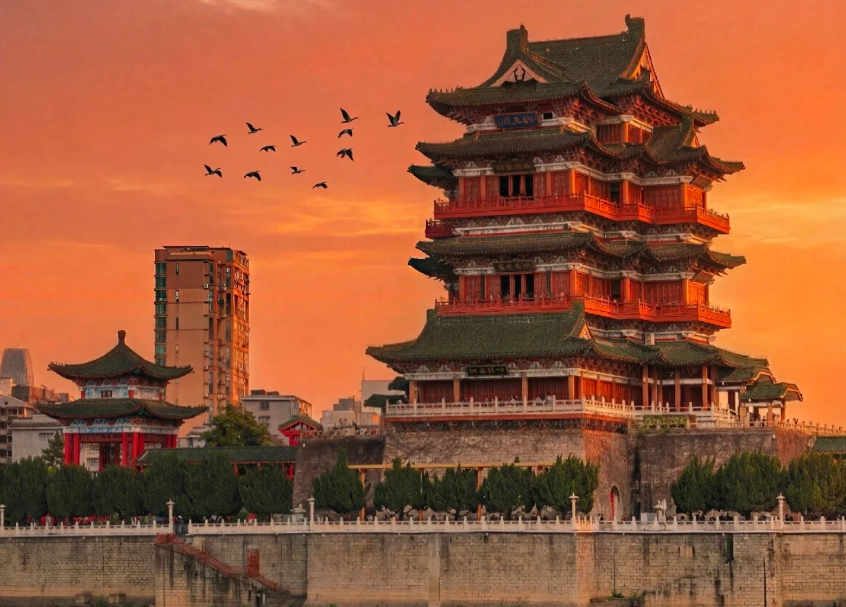
Top 1: Mount Lu – Jiangxi’s Iconic Peak
Let me start with the one that deserves the hype. Mount Lu is the reason I moved to China. The UNESCO World Heritage listing gives it that misty, dripping-green aesthetic that makes you feel like you're inside a scroll painting. But here's the catch — the mountain gets packed by 9 AM, and the cable car queue can eat two hours of your life.
Pro Tip: Get the first shuttle from the parking lot at 7:30 AM. The autumn colors are unreal, but summer is the best escape from suffocating heat.
You'll need at least one full day, and please do not try to 'do' the whole mountain in one day if you're not a mountaineer. The east side has the best views, while the west side has the historic villas. Take the shuttle between sections — your knees will thank you.
Tickets: around 160 RMB for the entrance, plus about 50 RMB for the internal shuttle (book via Trip.com to skip the line). Bring your passport — they ask for it at the booth. If you're staying overnight at the summit, you still pay the entrance fee once, but the hotel can arrange a pass. Oh, and the food at the top is, um, serviceable. Eat at a local restaurant in Guling town instead.
Getting there: from Jiujiang or Nanchang, take a high-speed train to Lushan Station, then a 30-minute taxi. If you arrive by noon, you're already late. Message me if you want the exact driver contact — I have a list of honest drivers.
Top 2: Wuyuan – A Top Jiangxi Village Experience
Wuyuan is all about those postcard-perfect villages with white walls and dark tiles. If you come in spring (March-April), the rape flower fields turn the whole area yellow — that’s the money shot. But here’s the thing I rarely see in other guides: the villages look almost identical, so you don’t need to visit all of them.
Insider Advice: Pick just two villages — Huangling and Likeng — and skip the rest to save time and energy.
The combined ticket costs around 210 RMB, but you can buy individual tickets (about 60-100 RMB each) if you’re only visiting a couple. Book via WeChat or Trip.com using your passport. The local shuttle buses from Wuyuan Station are cheap but slow. I always tell my clients to hire a private driver for the day — split among three people, it’s only slightly more expensive and you won’t wait an hour for a bus that’s already full.
The best light for photos is before 9 AM or after 4 PM. Midday sun flattens the colors and thins the crowds. Also, watch your step — the cobblestones in Huangling are slippery, especially after rain. And yes, you will be offered countless 'specialty snacks' — the ones fried in oil are best avoided.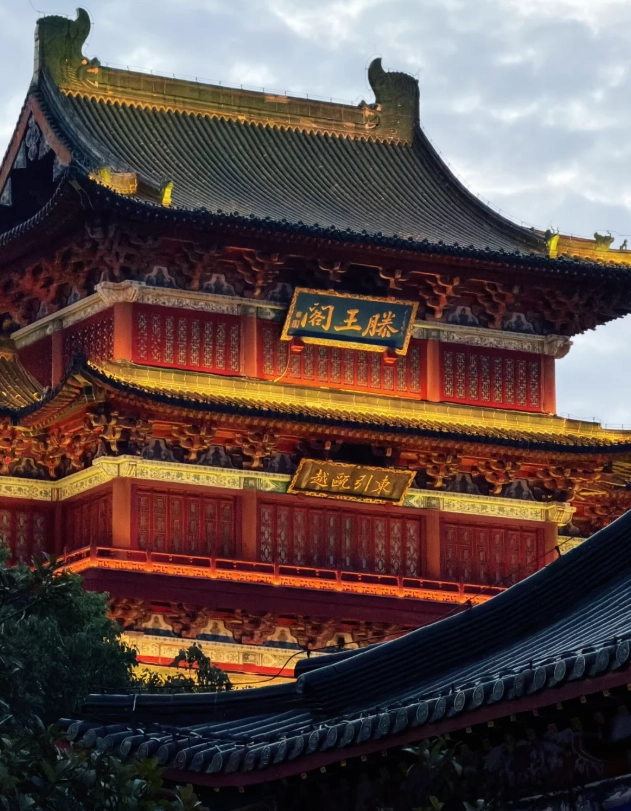
Top 3: Sanqing Mountain – Jiangxi’s Hiking Gem
Sanqing Mountain is like a Chinese ink painting come to life. It’s a UNESCO site and one of the most underrated hiking spots in the country. The weird, twisted granite peaks are cloaked in cloud most mornings, which makes for eerie, gorgeous views.
Now, the practical part: The entrance is 150 RMB, and the cable car (round trip) is about 125 RMB. I recommend taking the cable car up — the hiking trail from the base adds 4 hours and zero extra karma. Once up top, the loop walk is 3-4 hours. It’s not overly strenuous, but the steps are uneven. Wear proper shoes, not fashion sneakers.
Getting here is half the adventure. Take the high-speed rail to Shangrao, then a 1-hour bus or taxi to the park gate. There’s no English signage at the bus station, so show the driver a photo of the Chinese name: 三清山. Or better, arrange a pickup via your hotel.
If you want to see the sunrise, you have to stay overnight in the basic guesthouse near the summit. It’s not luxurious — think hostel dorm toilets — but the view is worth it. Book through Trip.com or a travel agency; don’t try to walk in.
Top 4: Longhu Mountain – Taoist Heritage in Jiangxi
Longhu Mountain is the birthplace of Taoism, and even if you’re not into religion, the Danxia landforms will blow you away. The crimson cliffs and river gorges are stunning, and the boat ride through the river is a must.
Here’s a tip many tourists miss: the “coffin raising” performance, where locals reenact ancient burial rituals, happens at specific times. Check the board when you enter; don’t just follow the crowd to the temple.
Ticket prices: combined ticket (entrance + boat + shuttle) is around 230 RMB. It’s steep, but you can’t skip the boat. The area is spread out, so wear comfortable shoes and take the shuttle between stops. Nearest high-speed rail station is Yingtan North, followed by a 20-minute taxi.
I’ll be honest — the Taoist temples inside are more about atmosphere than antiques. If you have limited time, do the river section and the “alley of the ancestors” and leave. The cliffs are the real star.
Top 5: Jingdezhen – The Porcelain Capital of Jiangxi
You can’t leave Jiangxi without seeing Jingdezhen, the city that made China’s porcelain for a thousand years. Skip the modern shopping streets and head directly to the Ancient Kiln Folk Culture Museum (古窑民俗博览区). Entrance is about 95 RMB, and it’s worth every yuan — you'll see live pottery making by masters and wander through restored Ming-Qing workshops.
For free ceramic history, visit the China Ceramic Museum (中国陶瓷博物馆). It’s massive, beautifully curated, and free — just bring your passport to get in. The collections span from Tang dynasty to contemporary art. You could easily spend half a day there.
Now, the real gem: try making your own pottery at a small studio. My favorite is YiJian Ceramics — just show the taxi driver the address. Prices start at 60 RMB for a simple cup. It’s messy, fun, and you get a trinket nobody else has.
Getting to Jingdezhen is easy via high-speed rail from Nanchang or Shangrao. The city is walkable, but the two museums are far apart — a taxi costs around 20-30 RMB.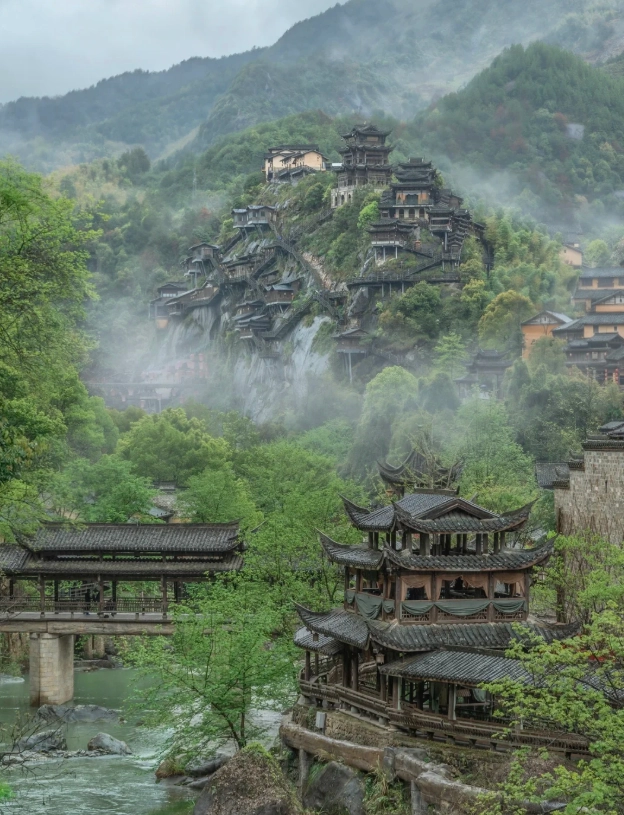
Top 6: Tengwang Pavilion – A Historic Highlight in Jiangxi
Located in the capital Nanchang, Tengwang Pavilion is a poem-turned-building. The original was built in 653 AD, and it’s been destroyed and rebuilt over 20 times. Don’t expect ancient relics — the current structure is a 1980s rebuild, but the views over the Gan River are unbeatable.
Ticket: 50 RMB. Go in the late afternoon to catch the sunset, then stay for the night light show. The building is wheelchair accessible via elevator, which is rare for heritage sites.
Insider Advice: The best photo spot isn’t from the top floor, but from the small bridge across the river. Most tourists miss it because they rush to the entrance.
If you have only a few hours in Nanchang, this is the thing to do. It’s a 15-minute walk from the nearest metro station (Tengwangge Station on Line 1).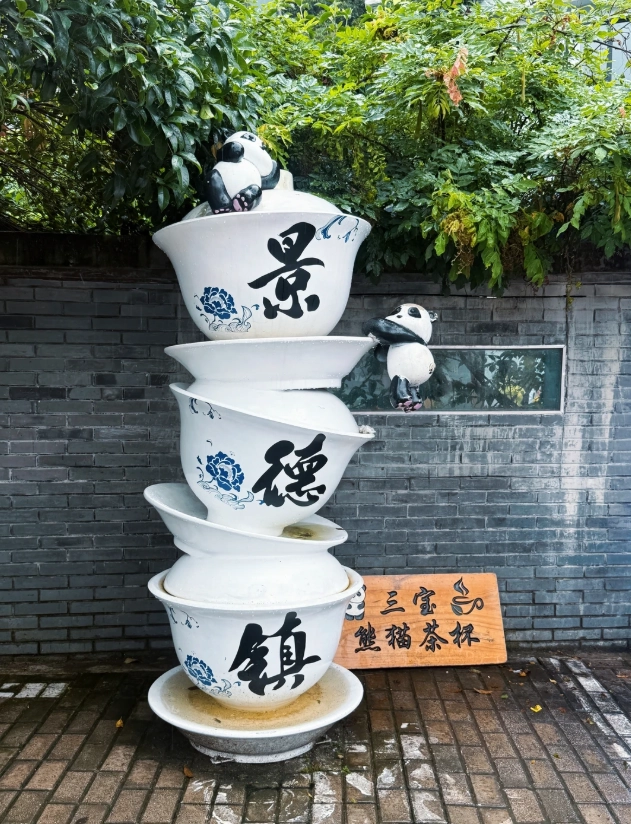
Top 7: Jinggangshan – Jiangxi’s Revolutionary Heart
Jinggangshan is where the Chinese Communist Party built its first rural base. For foreign travelers, it’s a niche pick — but if you’re into modern history or want to escape the heat, it offers cool mountain air and stunning green hills.
The entrance ticket is about 190 RMB and covers several sites, but the area is so spread out that you’ll need 2 days and a lot of shuttle riding. I’ll be honest — if you don’t care about revolutionary history, this is skippable. The landscapes are beautiful, but they’re similar to other parts of Jiangxi. Spend your time on Mount Lu instead.
If you do go, stay in Ciping town, visit the Mao Zedong’s Former Residence, and do one hike (Wujianfeng is the highest peak). The high-speed rail station is in Jinggangshan city, but there’s a dedicated bus from there to Ciping.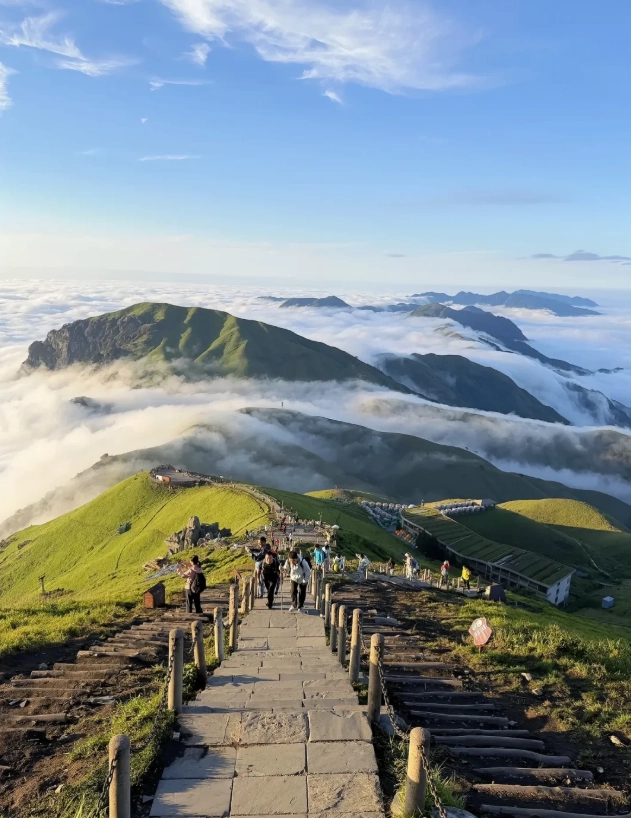
How to Plan Your Jiangxi Itinerary in 7 Days?
Here’s the exact 7-day route I recommend for most first-timers. It starts and ends in Nanchang, uses high-speed rail, and keeps daily travel under 2 hours.
| Day | Destination | Entry Fee (Adult) | Stay |
|---|---|---|---|
| 1 | Nanchang (Tengwang Pavilion) | 50 RMB | Nanchang |
| 2 | Mount Lu | 160 RMB + shuttle | Guling town |
| 3 | Mount Lu (second day) | Included | Nanchang |
| 4 | Jingdezhen | 95 RMB for Ancient Kiln | Jingdezhen |
| 5 | Wuyuan | 210 RMB (combined) | Wuyuan |
| 6 | Sanqing Mountain | 150 RMB + cable car | Shangrao |
| 7 | Shangrao -> Nanchang | – | – |
Adjust it based on your pace: if you're into hiking, add an extra night at Sanqing. If you're a ceramic nerd, spend a full day at the museums and try pottery. For the weather, avoid June-July when the region is drenched in rain; spring and autumn are ideal.
Transportation between these cities is seamless via the high-speed rail network. Book tickets on the official 12306 website or through Trip.com for English support. Rail passes are not available for tourists in China, so just buy point-to-point tickets.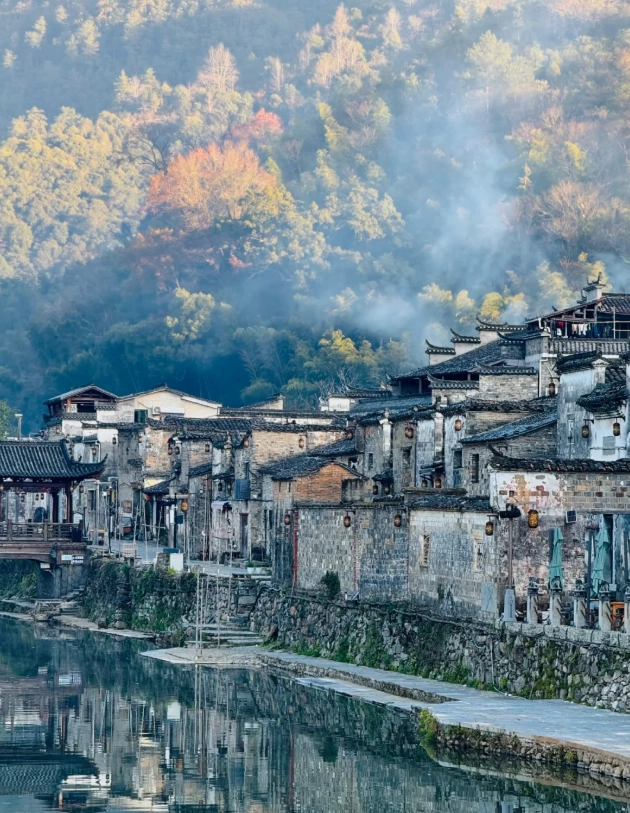
What Should Foreign Travelers Know Before Visiting Jiangxi?
Here’s the no-bullshit checklist I give every foreign friend before they travel to Jiangxi.
- Payment: Download Alipay or WeChat Pay before you arrive — they link to your international credit card. Most attractions and even small shops accept these scans. Cash is still legal but merchants will often struggle to give change. Credit cards are almost never accepted outside luxury hotels.
- Navigation: Google Maps is unreliable and often wrong in China. Use Apple Maps or download the AMap (高德地图) app which now has an English setting. Always get a business card with the Chinese address to show taxi drivers.
- Booking: Many mountain tickets require advance booking with your passport number. Use Trip.com or your hotel’s front desk; the on-site booth may not accept foreigners without a local ID.
- Internet: You’ll need a VPN (Virtual Private Network) to use Google, WhatsApp, Instagram, and other western services in China. Install it before your flight.
- Language: English is rarely spoken even in tourist areas. Download the “Baidu Translate” or “Apple Translate” app and pre-download the Chinese language pack for offline use.
- Entry: Check the latest visa policy on the National Immigration Administration website. Many nationalities get visa-free transit, but it’s changing quickly.
One more thing: the air quality in cities like Nanchang is okay, but the mountains are a breath of fresh air. No special vaccines needed, but pack motion sickness pills if you get queasy on winding roads — the bus rides up to Mount Lu are no joke.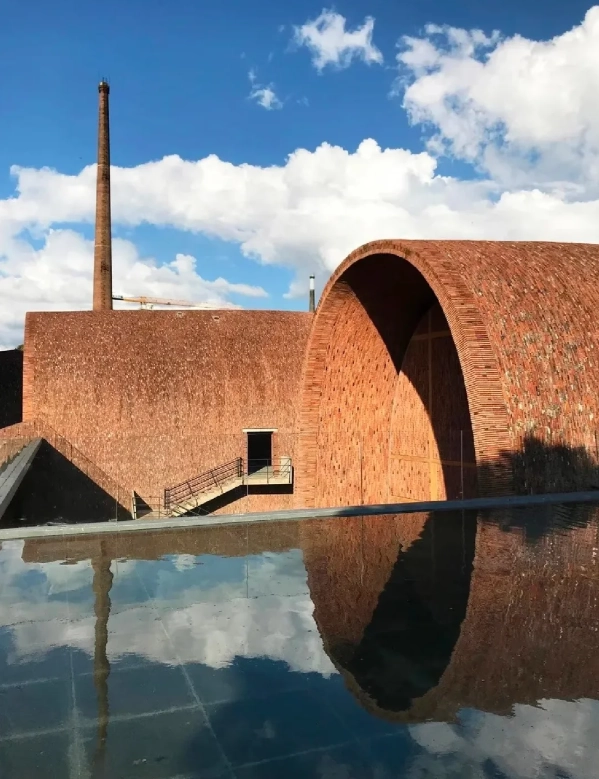






No comments yet.