 Ling Wu
Quick Guide to This Post
- Why Guangxi Deserves a Spot on Your China Itinerary
- Top Places to Visit in Guangxi: The Complete Region Guide
- How to Get Around Guangxi: Transportation Tips for Foreigners
- Practical Planning: Tickets, Payments, and Local Apps
- What to Eat in Guangxi: A Local’s Food Guide
- Where to Stay in Guangxi: Best Areas and Hotels
- Sample Itineraries for 3, 5, and 7 Days
- Frequently Asked Questions About Visiting Guangxi
Ever seen photos of Guilin’s karst mountains floating in mist? I’ve led tours here for a decade, and the real best places to visit in Guangxi are not the postcard spots — they’re the quiet bends of the Yulong River and the early morning rice terraces. Here’s the bottom line: skip the packaged tours and follow the local routes I outline below. Let this guide be your map.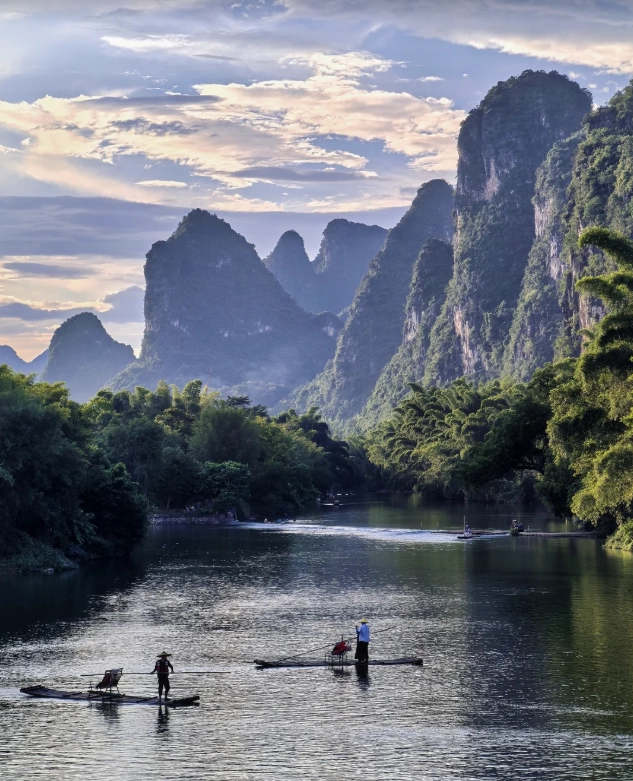
Why Guangxi Deserves a Spot on Your China Itinerary
Guangxi has been my home for a decade. It’s the most underrated province in China for travelers — and that’s saying something. Most visitors rush between Shanghai, Beijing, and Xi'an, but Guangxi holds the country’s most dramatic landscapes. From the towering karst peaks of Guilin to the terraced hillsides of Longsheng, this is where nature truly dominates. And unlike some overdeveloped tourist spots in China, Guangxi still feels raw and authentic.
But here’s the thing: Guangxi is huge — about 236,000 square kilometers. You can’t see it all in one trip, but you don’t need to. The best places to visit in Guangxi are concentrated in a few clusters. With a week, you can cover the highlights without rushing.
Top Places to Visit in Guangxi: The Complete Region Guide
Over the years, I’ve taken hundreds of travelers to these spots. Below, I break down each must-see place with practical details — ticket costs, when to go, and how to skip the crowds.
The Li River valley is part of the renowned South China Karst, which is a UNESCO World Heritage site. You’ll understand why when you see the limestone peaks rise dramatically from the water.
Guilin: Karst Mountains and Rivers
Guilin is the gateway to the Li River, but its real charm lies in the city’s parks and lake areas. I always tell my clients to start at Elephant Trunk Hill (象鼻山景区). It’s the symbol of the city. You’ll need around 1.5 hours there. Tickets are about ¥70 during peak season, and you can book via WeChat or Trip.com. The address is 17 Binjiang Road, Xiangshan District. Take bus 11 or 22 to the stop. But honestly, the view from the other side of the river is just as good and free.
For a deeper local experience, take a walk along the Shanhu Lake and Ronghu Lake at night — the city lights reflect beautifully. I typically take guests for a lakeside stroll after dinner.
Insider advice: Skip the crowded Li River cruise and instead book a bamboo raft trip from Yangdi to Xingping. This is where the famous 20-yuan bill scene is. The raft ride takes about 2 hours and costs around ¥400 per boat (2 people). You’ll see the exact same karst peaks without the buffet queues. Book a day in advance via your hotel or a local driver.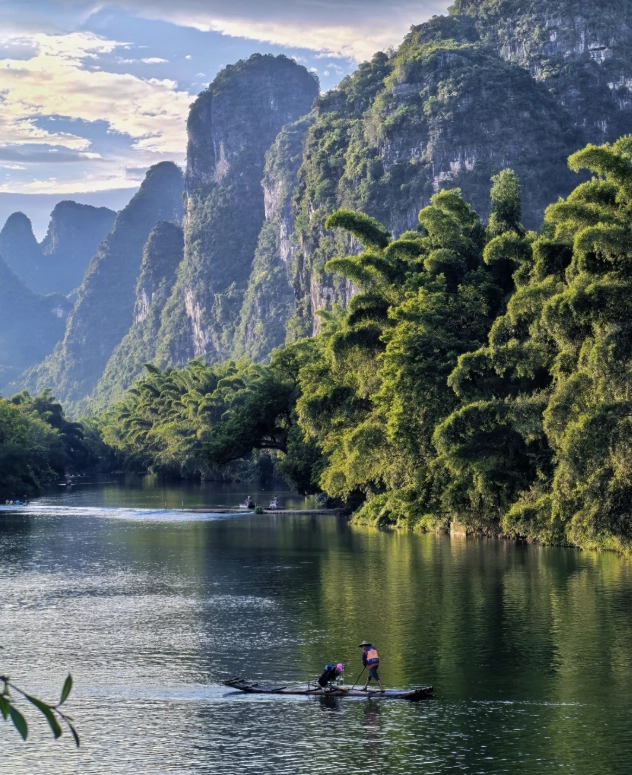
Yangshuo: Countryside Charm and Yulong River
Yangshuo is the backpacker heart of Guangxi, and for good reason. The town itself is lively, but the real treasures are outside. Rent an e-bike (electric bicycle) for about ¥60-80 per day and cruise the Yulong River valley. The scenery is so quiet that locals still farm rice paddies along the banks. Head to the Gongnong Bridge (工农桥) for the classic views.
West Street (西街) is famous for bars and restaurants, but I prefer my regular spot: a small noodle shop called Liu Ji (刘记) near the old town. The guilin米粉 there is the best I’ve had. It’s near the entrance of West Street, but be prepared — they only take cash or Alipay. No English menu, so point at photos or just say liang ban for mixed noodles.
If you have only one day in Yangshuo, do the Yulong River rafting in the morning and a sunset hike up Moon Hill (or take a ride to Xianggong Hill). Xianggong Hill gives you a 360° view of the Li River bend — it’s absolutely worth the 1-hour bike ride.
Longsheng: The Longji Rice Terraces
Longji Rice Terraces (龙脊梯田) are man-made wonders that look surreal in early morning mist. Located about 2 hours from Guilin, the terraces stretch for kilometers. The entrance fee is around ¥80, and you’ll need to take a shuttle to the villages. I recommend staying overnight in Ping An village (平安寨) or Dazhai (大寨). The sunrise from the top is something you’ll never forget.
Bring good walking shoes — it’s a lot of stairs. The best seasons are spring (water-filled) and autumn (golden). Summer is green, but can be overly hot and humid. I always tell my clients to carry insect repellent and a raincoat.
Detian: The Boundary Waterfall
Detian Waterfall (德天瀑布) is the largest transnational waterfall in Asia — half in China, half in Vietnam. It’s spectacular after rain, but even in dry seasons the volume is impressive. Tickets are about ¥80, and you’ll need to take a scenic bus from the entrance. A visit takes roughly 3-4 hours. You can also take a boat on the river to see the falls from the Vietnamese side — notice the police boat crossing occasionally.
Since Detian is far from Guilin (about 5-6 hours by car), I recommend combining it with a visit to Ningming or Chongzuo if you have time. Otherwise, fly from Guilin to Nanning (1 hour) and then take a tourist bus.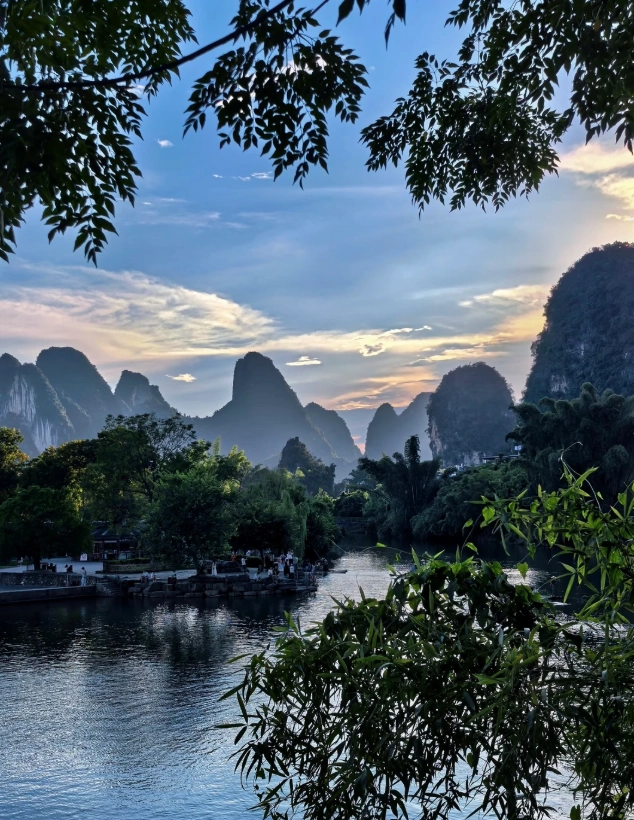
Beihai: Coastal Relaxation
If you want to extend your trip with some beach time, Beihai is a lovely coastal getaway. The main beach, Silver Beach (银滩), has fine white sand and gentle waves. It’s free to enter, but lifeguards are only present during the summer season. A short ferry ride takes you to Weizhou Island, a volcanic island with dramatic coastline. The ferry costs about ¥150 one-way, and the island has lodges and good snorkeling.
Additional Hidden Gems
If you’re chasing something off the beaten path, consider these:
- Huangyao Ancient Town (黄姚古镇) — a 1000-year-old town with porcelain-white walls, canals, and very few tourists. Admission is around ¥100.
- Chengyang Wind and Rain Bridge (程阳风雨桥) — in Sanjiang, a Dong minority architectural marvel. It’s a UNESCO candidate and you can watch local women making embroidery.
- Weizhou Island — although it’s part of southern Guangxi, it’s often skipped; the volcanic rock formations and clear water make it a quiet escape.
But I’ll warn you — most travelers don’t make it to these spots, but they’re rewarding challenges.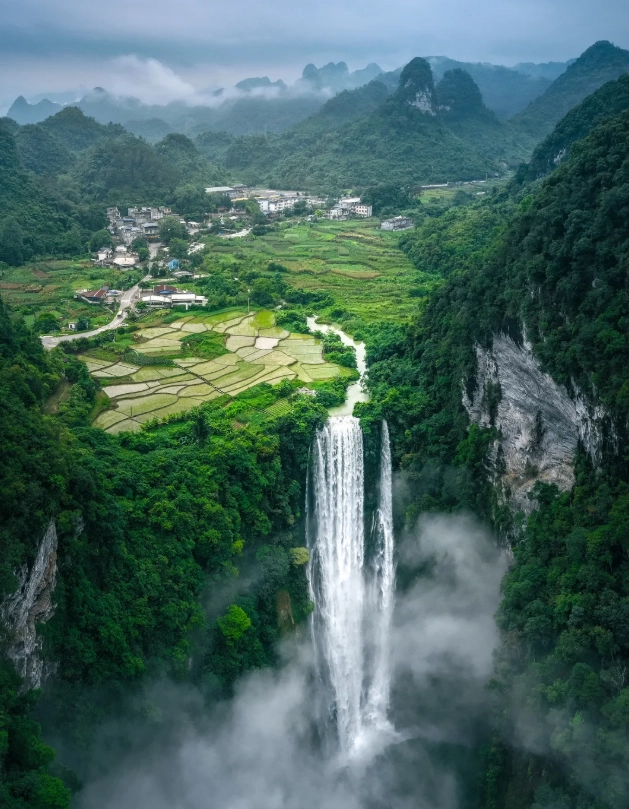
How to Get Around Guangxi: Transportation Tips for Foreigners
High-speed rail is the most convenient way to connect Guilin, Nanning, and other major cities. For example, Guilin to Yangshuo is now just a 20-minute train ride via the Yinzhan station, followed by a 10-minute taxi. Trains between Guilin and Nanning take about 2 hours. Use China Railway’s official ticket platform to book — the website has an English interface, and you can pay with Alipay or WeChat.
For smaller detours like Longji or Detian, your best bet is to hire a private car with driver for the day. A round trip from Guilin to Longji costs about ¥600-800, and you can split it with other travelers. It also gives you flexibility to stop for photo breaks.
Local buses are dirt cheap but slow and can be uncomfortable. I only recommend them if you’re on a tight budget. For example, from Guilin to Yangshuo, a regular bus costs ¥30 and takes 1.5 hours; the minibus from Yangshuo to Xingping is ¥15. But the rail is faster and cleaner.
Navigation App
Google Maps is unusable in China. Download AMap (Gaode) before you arrive — it supports English. You can also use Apple Maps, which works okay. But AMap is the one locals use.
Practical Planning: Tickets, Payments, and Local Apps
Digital payments are the norm in China. Most places won’t accept international credit cards, so set up Alipay and WeChat Pay before you travel. You can link them to your international Visa/Mastercard — instructions are on their official websites. Here’s my pro tip: download Alipay Tour Pass or directly connect your bank card. It’s a lifesaver.
For attractions, book tickets in advance via your WeChat or Trip.com. Many popular spots now cap daily visitor numbers. Use your passport to book — that’s the required ID. If a mini-program is poorly translated, ask your hotel receptionist to assist. It happens to me too.
For VPN and translation, consider installing a reliable VPN (like ExpressVPN or Astrill) and the Baidu Translate app. Also download WeChat — it’s not just for messaging; you’ll communicate with hosts, order food, and sometimes pay via its QR code.
Pro Tip: When booking long-distance trains or flights, always use your passport number exactly as it appears on the ticket. Mismatched information can cause problems at the gate.
What to Eat in Guangxi: A Local’s Food Guide
Guangxi food is spicy, sour, and heavy on rice noodles. You can’t leave without trying:
- Guilin rice noodles (桂林米粉) — first thing in the morning. Try them at Chongshan (崇善) near the train station. They cost about ¥6-8, and you choose your toppings.
- Yangshuo beer fish (啤酒鱼) — fish braised with tomatoes and beer. It’s buttery and slightly sweet. Most restaurants in Yangshuo serve it. I usually go to Boss San Mei (老板三妹) on West Street, but anywhere is fine.
- Snail noodles (螺蛳粉) — the infamous stinky noodle soup from Liuzhou. Love it or hate it, it’s a taste of Guangxi. Try it in Nanning if you can.
- Tropical fruits — guava, dragon fruit, and litchi are abundant. Don’t miss the sugar cane juice sold fresh by the street.
For special diets, be careful: many sauces contain pork or fish stock. I’d suggest using a translation card that lists your allergies (e.g., I’m vegetarian in Chinese). Most restaurants have photo menus, so pointing works fine.
Where to Stay in Guangxi: Best Areas and Hotels
Choose your base according to your itinerary.
- In Guilin, stay near the City Center (Center Square) for easy walks to the lakes and restaurants. The Shangri-La Hotel Guilin is upscale, while My Hostel Guilin is a budget-friendly but clean option with helpful staff.
- In Yangshuo, I’d pick a resort near the Yulong River if you love nature, or a guesthouse in the old town for nightlife. Mountain Nest Hostel has great views, and The Terraces is a boutique choice. Expect to pay ¥150-500 for a double room.
- For Longji, stay in a family-run guesthouse like Lao Cai Inn in Ping An — you’ll wake up to clouds below your window.
Please note: hotel prices can double during China’s Golden Week holidays (around Oct 1-7 and May 1-3), so book early.
Sample Itineraries for 3, 5, and 7 Days
3-Day Express: Guilin + Yangshuo
Day 1: Arrive in Guilin, take a lakeside walk, overnight.
Day 2: Morning bamboo raft from Yangdi to Xingping, transfer to Yangshuo, explore West Street at night.
Day 3: Rent an e-bike and ride to Yulong River, visit Moon Hill, then train back to Guilin.
5-Day Standard: Add Longji
Day 4-5: Take a bus to Longji, hike to Dazhai, spend a night in a guesthouse, then back to Guilin.
7-Day Extended: Include Detian and Beihai
Day 6: Fly from Guilin to Nanning, then drive to Detian (stay overnight near the falls).
Day 7: Return to Nanning, take a bullet train to Beihai, enjoy the beach, and fly home from Beihai or take overnight train.
I always advise carrying an umbrella and comfortable shoes. The weather can deteriorate quickly in the mountains.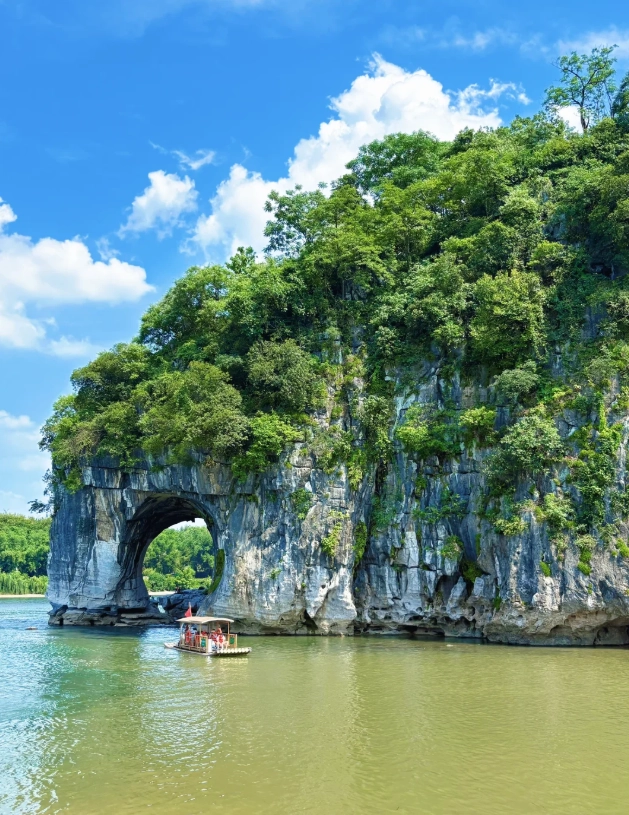
Frequently Asked Questions About Visiting Guangxi
This content has been fact-checked to ensure informational precision. I’ve double-checked ticket prices and opening hours with local sources, but they can change — always verify on official channels before you go.








No comments yet.