 Fang Wang
- How to Make the Most of Free Things to Do in Anhui
- What Are the Best Free Things to Do in Anhui? 7 Must-Visit Spots
- How to Save Money on Transport, Food, and Entry Fees
- Free Things to Do in Anhui: Practical Booking and Payment Tips
- What Tourists Get Wrong About Free Attractions in Anhui
- FAQs About Free Things to Do in Anhui
Wait, you want to explore Anhui without spending money? That's the smartest question I've heard all week. After years of guiding travelers through this province, I can tell you right now: the zero-yuan travel scene here is seriously underrated.
Free things to do in Anhui aren't just about dodging entrance fees — they're about seeing the real, unvarnished side of the province. But here's the catch: most first-timers struggle to find these experiences because English-language information is sparse, and many online guides only cover costly tourist traps. In this guide, I'll show you exactly where to go, how to get there, and what to watch out for — based on my own hair-pulling moments as a working guide.
So, my absolute top advice? Skip the paid attractions and head straight to Tunxi Old Street in Huangshan — it's free, authentic, and photogenic even on a gray day. And if you only have 24 hours in Anhui, spend it wandering the historic lanes and then catch a sunset at Dashushan National Forest Park in Hefei. That's the kind of insider knowledge you'll get here.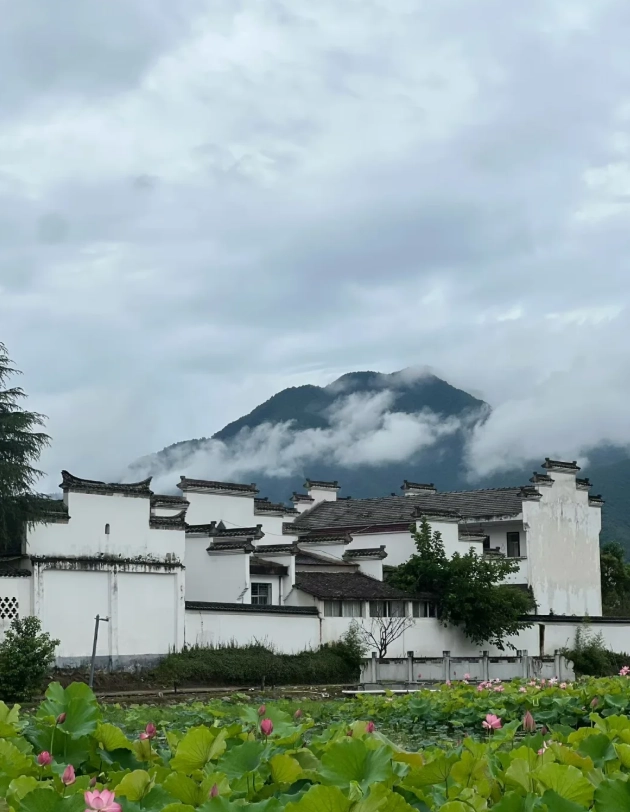
How to Make the Most of Free Things to Do in Anhui
Over the years, I've noticed that the most memorable free experiences in Anhui are often found in plain sight — you just need to know how to look. For example, instead of paying for a boat tour of Chaohu Lake, grab an iced latte and walk the lakeside promenade around Binhu Wetland. The views are just as good, and you'll avoid the crowds and the inflated prices.
The key to enjoying free things to do in Anhui is to prioritize locations that are both scenic and walkable, and to time your visits like a local. Then, use public buses or high-speed rails to link them up — cost stays near zero. For that reason, I always suggest picking one city as your base and exploring it on foot. Hefei, the provincial capital, is a fantastic starting point because it has a modern subway system and more free green spaces than I can count.
But don't spread yourself too thin. Many visitors try to cram Huangshan and Hefei into two days, which forces them to waste money on taxis and skip the most charming corners. Instead, commit to one area and dive deep. If you're a history buff, make Huangshan your home base; if you're a nature lover, Hefei will steal your heart.
24-Hour Free Itinerary Snapshot
If you only have one day, start in Hefei: ride the subway to Xiaoyaojin Park (exit B from Line 1), wander for an hour, then hop on the direct bus 801 to Dashushan. Climb to the viewing pavilion before sunset, then take bus 20 to Swan Lake for a picnic dinner. Total transport cost: under 20 yuan. If you're in Huangshan, dedicate the whole day to Tunxi Old Street and Liyang In-chao — plus a hike up the small hill behind the river for a free panoramic view of the valley.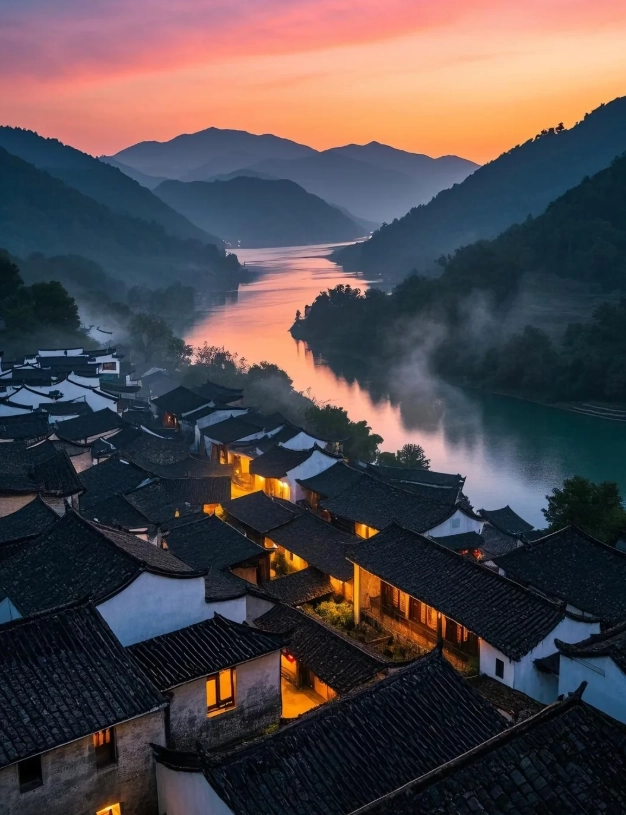
What Are the Best Free Things to Do in Anhui? 7 Must-Visit Spots
Here are the seven zero-yuan places I personally recommend to every foreign traveler. You'll find practical details in the table below, followed by my ground-level impressions that no guidebook captures.
| Attraction | City | Entry Fee | Opening Hours | Suggested Duration | Booking Required? |
|---|---|---|---|---|---|
| Tunxi Old Street | Huangshan | Free | Open 24h (shops usually 9am-9pm) | 2-3 hours | No |
| Liyang In-chao | Huangshan | Free | Open 24h (restaurants 11am-9pm) | 1-2 hours | No |
| Anhui Museum | Hefei | Free | Tue-Sun 9:00-17:00 (last entry 16:00) | 2 hours | Yes (passport required) |
| Dashushan National Forest Park | Hefei | Free | Open daily 6:00-18:00 | 2-3 hours | No |
| Xiaoyaojin Park | Hefei | Free | Open daily 6:00-22:00 | 1-2 hours | No |
| Chaohu Lake (Binhu Wetland) | Hefei | Free | Open all day | Half day | No |
| Swan Lake Park | Hefei | Free | Open all day | 1-2 hours | No |
Tunxi Old Street
This cobblestone lane is the single best free attraction in Huangshan. I always bring first-timers here at 7:30 am, before the tour buses arrive. The street is officially free, but the real spectacle is watching the old knife sharpeners and paper makers set up shop. Don't bother with the “museum” at one end — it's a 50-yuan rip-off. Just wander the alleys and duck into a tea house for free refills.
Liyang In-chao
Liyang In-chao is the quieter, more stylish sibling of Tunxi Old Street. Just across the river, this renovated Huizhou quarter is packed with design cafes and art galleries. Go at dusk when the lanterns glow on the cobblestones. I rarely see foreign visitors here, which makes it a hidden gem. Try the local dessert called “cha gao” — it's chewy and sweet, perfect with jasmine tea.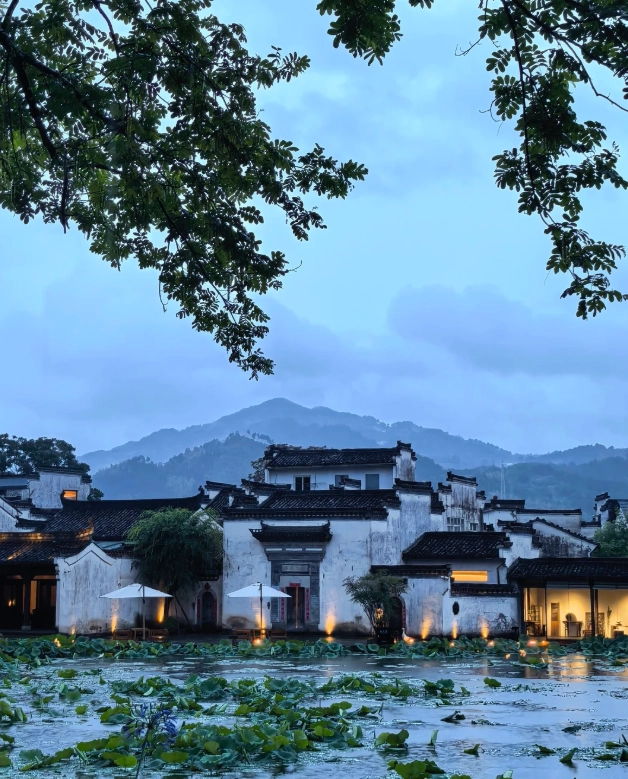
Anhui Museum
The Anhui Museum in Hefei is a world-class institution that won't cost you a cent. Note the "last entry" time — they're strict about it. You'll need to book ahead via the official WeChat mini-program (in Chinese, of course). This is one of those moments where I tell clients: ask your hotel receptionist for help. Not the front desk's first language, but they've seen every version of this struggle. The highlight for me is the Huizhou architecture hall — it's like walking through a tiny village without leaving the city.
Dashushan National Forest Park
If you want a quick, free outdoor fix, Dashushan is the answer. The mountain is barely a hill, but the trails feel remote — you won't believe you're in a provincial capital. Bring water; there aren't many shops up top. My favorite photo spot is the viewing platform facing east at sunrise, but even on a cloudy day it's peaceful. On weekends, locals picnic around the lower lake — you'll feel like a guest at a giant family party, minus the entry fee.
Xiaoyaojin Park
Xiaoyaojin Park is a lake-centric park that locals have loved for decades. It's free, fully walkable in an hour, and perfect for people-watching. Older men gather for chess battles and off-tune singing. The boats for rent are not free, but sightseeing is. If you're with kids, they'll love the plum blossom maze in spring. Also, there's a tiny “Silk Rock” statue near the north gate that everyone takes a selfie with — you'll see why.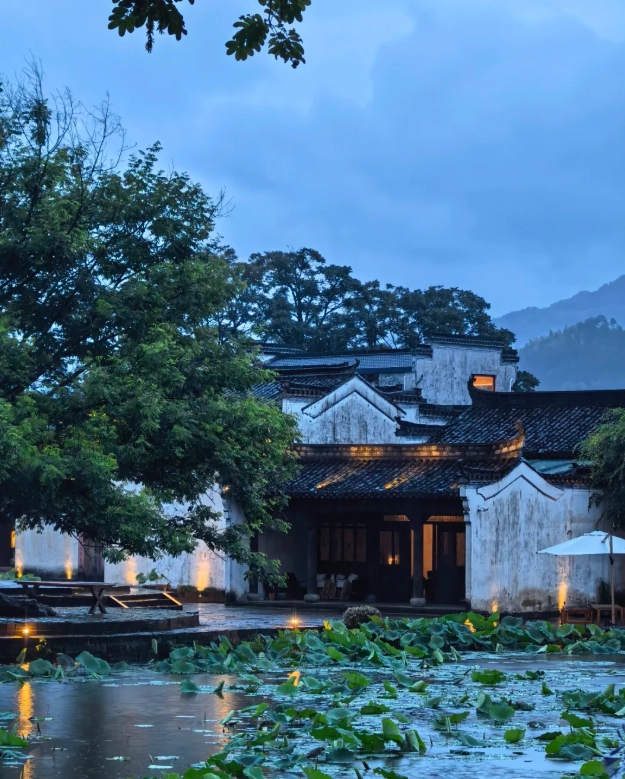
Chaohu Lake (Binhu Wetland)
Chaohu Lake is one of China's major freshwater lakes, and the Binhu Wetland section is where locals escape the heat. This is not a single "attraction" but a sprawling shoreline. I like to walk from the wetland park entrance towards the small fishing village to the east. You'll see lotus ponds, bird-watchers, and the occasional buffalo. There's nothing to pay for — except maybe a snack from a street cart. If the weather is fine, rent a shared bike for a couple of yuan and cruise the wide pathways.
Swan Lake Park
In Hefei, Swan Lake Park is a modern park surrounding a man-made lake. On weekends it fills with families flying kites and paddle boats drifting by. It's a great spot for a sunset picnic. The park is completely free, and there are clean public restrooms right at the main gates — a small mercy I always appreciate. The lake is shaped like a swan from above, which is easy to spot from the surrounding skyscrapers.
Now, let me save you some money on the logistics.
How to Save Money on Transport, Food, and Entry Fees
Getting around Anhui doesn't have to eat your budget. The high-speed rail network works like a dream: Hefei to Huangshan takes about 1h30m on the G-series trains. Book your tickets in advance on the official railway portal 12306.cn — the English interface is clunky but functional. Alternatively, use the Chinese app "Railway 12306" with a passport. For local trips, use the subway in Hefei (Line 1 and 2 run near most free spots). Buses cost as little as 2 yuan.
When it comes to food, street food in Anhui is a serious business. For under 20 yuan, you can fill up on a bowl of "huangshan shaobing" (a flaky flatbread). For a sit-down meal, look for a "lǚguǎn" — a family-run restaurant where the menu is likely to have pictures. In the old towns, eating at a place that's clearly for tourists is a scam waiting to happen. I always walk a block or two off the main street to find where the locals queue.
Entry fees are the easiest part — you simply skip them. But be careful with "free" attractions that have hidden charges. Some cultural parks in the area may charge for small extras like an audio guide or a shuttle inside the park. Always ask "shou fei ma?" (do you charge?) before using anything.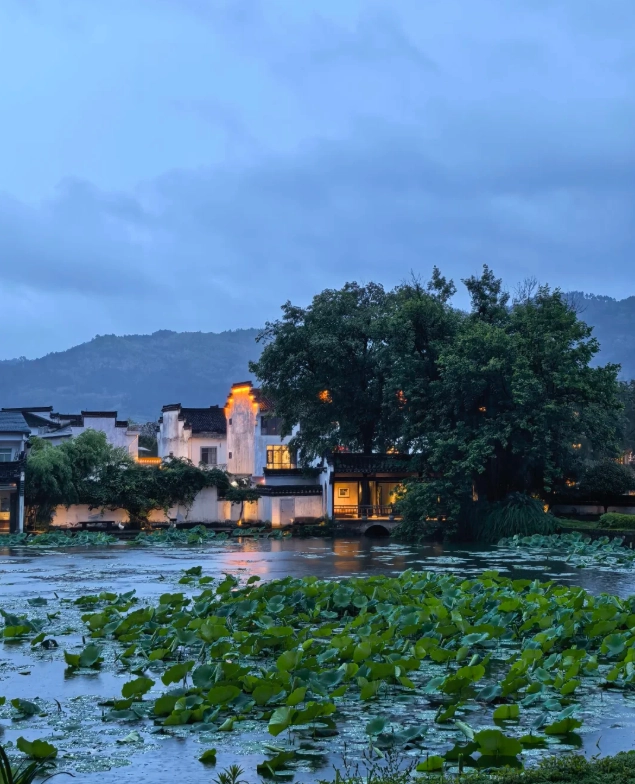
Free Things to Do in Anhui: Practical Booking and Payment Tips
Yes, even free things can require some admin. Here's what I've learned from years of helping foreigners:
- Booking free museums: Most state-run like Anhui Museum require advance reservation. The easiest way for foreigners is to ask a guesthouse to use a booking on your behalf, since the process often demands a Chinese phone number. You'll need your passport number — keep it handy.
- Payment: In Anhui, cash is still accepted almost everywhere, but carrying large notes is unusual. I recommend using Alipay or WeChat Pay linked to your international card. For places that only accept mobile pay, ask if you can pay via Alipay's "Tour Pass" feature for tourists. It's not perfect but it works.
- Navigation: Stop relying on Google Maps — it's often inaccurate in China. Use Apple Maps (for English) or the international version of Amap ("高德地图" has an English mode called "Amap Global"). Always have the Chinese address written down to show taxi drivers.
- Internet and VPN: Your favorite apps (Gmail, Instagram) won't work without a VPN set up before arrival. I always tell clients to download a VPN and buy a local SIM card from the airport. The official National Immigration Administration site has useful information on visa policies, so check that before you worry about connectivity.
For any paid attraction you're tempted by, use Trip.com or Klook to book — they're foreigner-friendly and often cheaper than the official counter.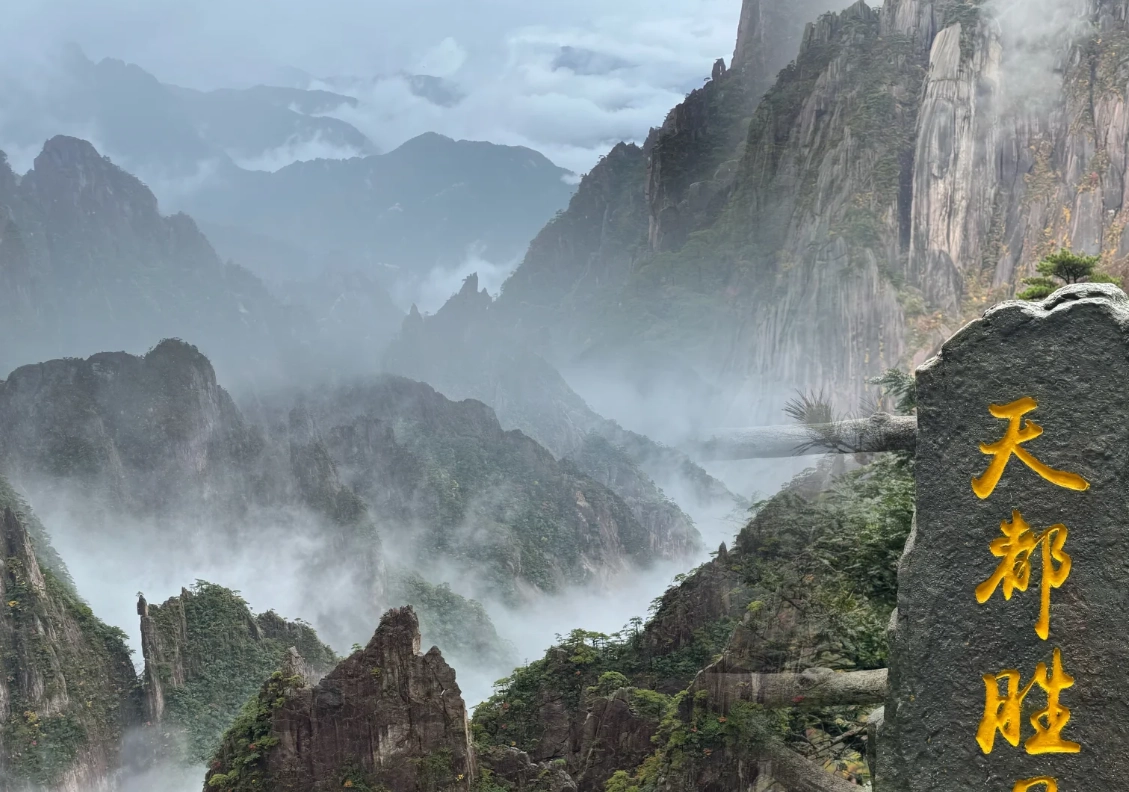
What Tourists Get Wrong About Free Attractions in Anhui
Free means low quality. This is the biggest mistake I see. Tourists assume that if it's free, it can't compete with a 200-yuan ticket. In Anhui, the opposite is often true. The most magical moments — sunset reflecting off a rice paddy, a grandmother making bread outside her doorway — don't happen inside a ticket booth.
Going at the wrong time. Weekends at Xiaoyaojin Park are insane with local families — which can be fun, but not if you want quiet. Visit on a weekday morning instead. At Anhui Museum, Tuesday through Friday are quiet; Saturday is a circus. Another common mistake is skipping the mountains if it's overcast — that's when the clouds ethereal glimpses of the peaks, perfect for photographers.
Underestimating the distances. The free spots are spread out. Walking from Binhu Wetland to Swan Lake will take you almost an hour. Plan your route on Amap and factor in taxi time. If you're on a tight schedule, pick just two areas to explore.
Getting tricked by "free" tours. In front of touristy streets, touts offer "free tours" to nearby villages. These often end with a hard-sell visit to a souvenir factory or tea shop. Politely say "no, thanks" and walk away.
FAQs About Free Things to Do in Anhui
That's my hometown guide to free things to do in Anhui. Trust me, you'll come home with richer memories than any paid tour could give. And if you get stuck, ask a local — we're friendlier than you think.
This content has been fact-checked to ensure informational precision.







No comments yet.