 Wei Zhang
What's Inside — Quick Peek
I’ve lost count of how many times I’ve walked these stone-paved alleys. But every time I bring a new group, I see the same confusion — is this just another souvenir trap? The answer? It can be, if you don’t know where to go. But trust me, beneath the neon signs and endless ma hua stalls, Ciqikou is still the most authentic window into Old Chongqing. Let me show you exactly how to do it right.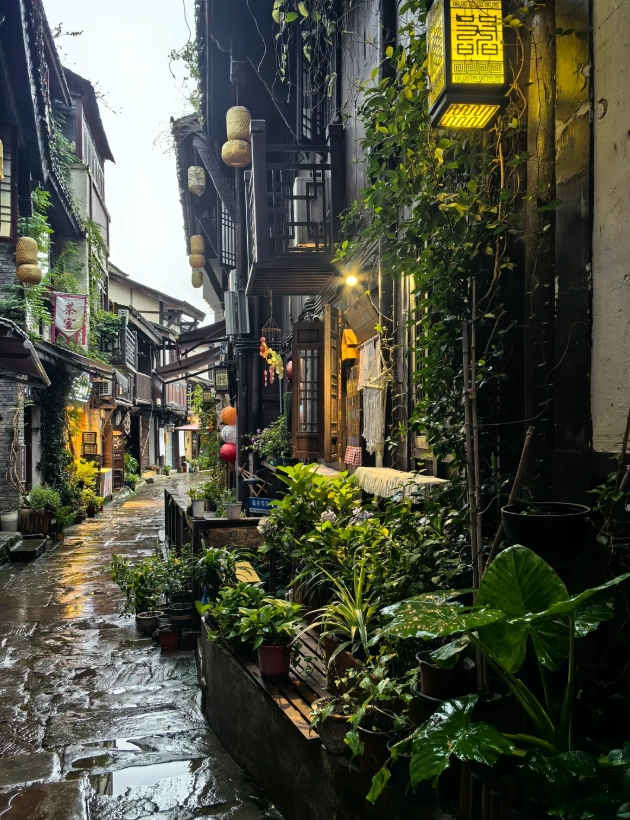
Why Ciqikou Is More Than Just a Tourist Trap
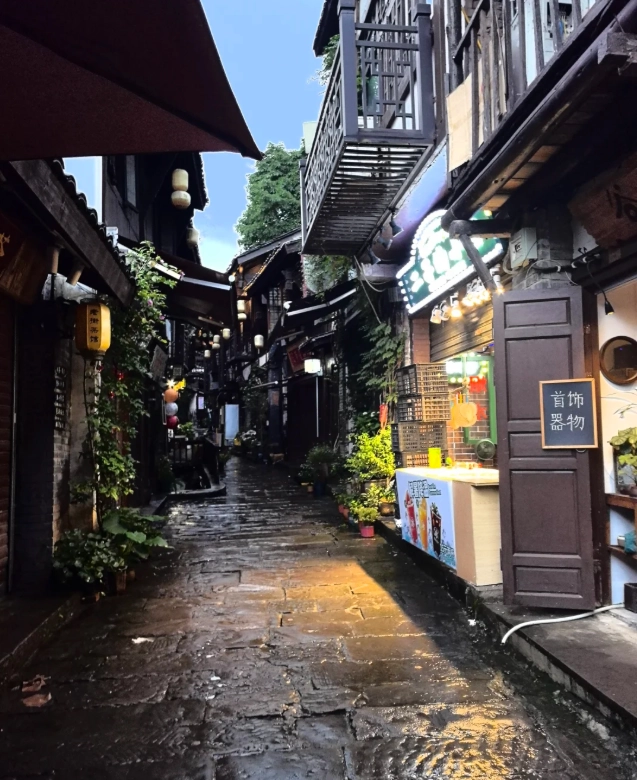
Ciqikou (磁器口) isn't rebuilt from scratch — it's a genuine Ming and Qing dynasty dock town that survived centuries. The name means “porcelain port,” because it once shipped china down the Jialing River. Today, it’s a living museum: stilted houses, stone steps worn smooth by millions of feet, and winding lanes that feel like a maze.
Most tourists rush through the main street, buy a bag of fried dough, and leave — that’s where the “trap” reputation comes from. But I always tell my clients: the magic is in the side alleys. Step 20 meters off the main drag, and the crowd halves. You’ll find elderly locals playing mahjong, tiny workshops crafting bamboo baskets, and old teahouses where you can sip jasmine tea for 10 RMB.
How to Get to Ciqikou Without Getting Lost
Subway: The Smartest Choice
Take Chongqing Metro Line 1 to Ciqikou Station. Exit 1 drops you right at the entrance of the ancient town. From Jiefangbei area, it’s about 25 minutes. Cost: around 5 RMB. Note: Google Maps won’t show accurate metro routes in China — use Apple Maps (it works surprisingly well) or download the AMap (高德地图) app, which has an English interface now.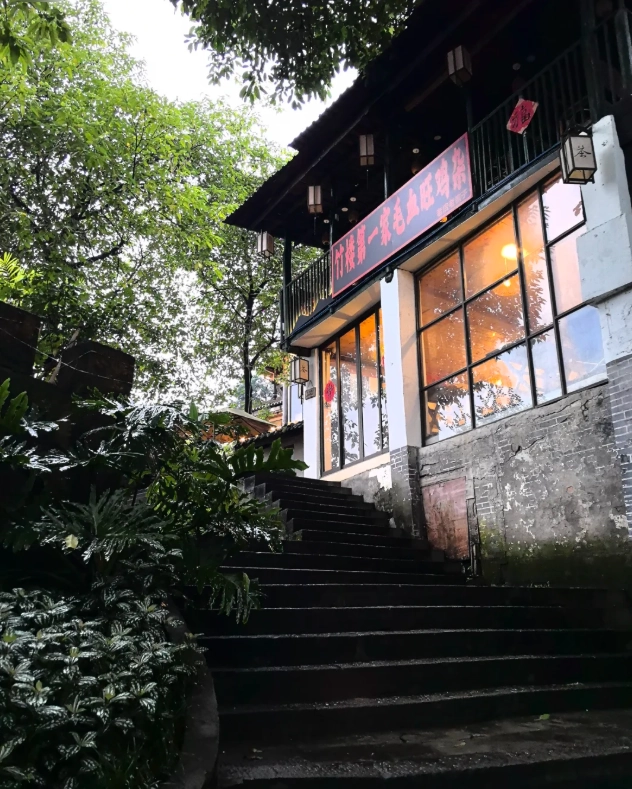
Taxi / DiDi
Taxis are cheap — from the city center, about 30–40 RMB. When you hop in, show the driver this Chinese address: 重庆市沙坪坝区磁器口古镇. But be warned: traffic around Ciqikou can be brutal on weekends. If it’s peak time (10am–2pm), I’d strongly recommend the subway instead.
| Transport | From City Center | Cost | Best For |
|---|---|---|---|
| Subway Line 1 | 25 min | ~5 RMB | Avoiding traffic |
| Taxi / DiDi | 20–40 min | ~35 RMB | Convenience with luggage |
| Bus (rarely used) | 45 min+ | ~2 RMB | Budget only |
Pro Tip: If you're arriving by taxi, ask the driver to drop you at the East Gate (东门) instead of the main entrance. It’s less crowded and you’ll start your walk against the flow of people — much more pleasant.
What to Eat on Ciqikou Cultural Street
Street food is the main event here, but not everything is worth your stomach. Here’s my personal hit list, tested over dozens of visits:
- Chen Mahua (陈麻花) — The original fried dough twist. Look for the signature shop near the main gate. I always grab a bag of the spicy version. Price: ~15 RMB per bag.
- Suanni Tofu (酸辣粉) — A vinegary, spicy potato starch noodle soup. The stall at No. 42 Main Street (the one with a long queue) is the real deal. ~12 RMB a bowl.
- Mao Xue Wang (毛血旺) — A spicy blood curd stew. I order it at Ancient Town Restaurant (古镇食府), right behind the opera house. ~48 RMB for a portion.
- Glutinous Rice Balls (糯米团) — Sweet sesame-filled balls covered in soybean powder. Grab them from the old lady near the clock tower — she’s been making them for 30 years.
Payment note: Most stalls accept WeChat Pay and Alipay, but cash works too. International credit cards? Almost never — bring a backup mobile payment. If you haven’t set up Alipay yet, read my guide to paying in China (coming soon).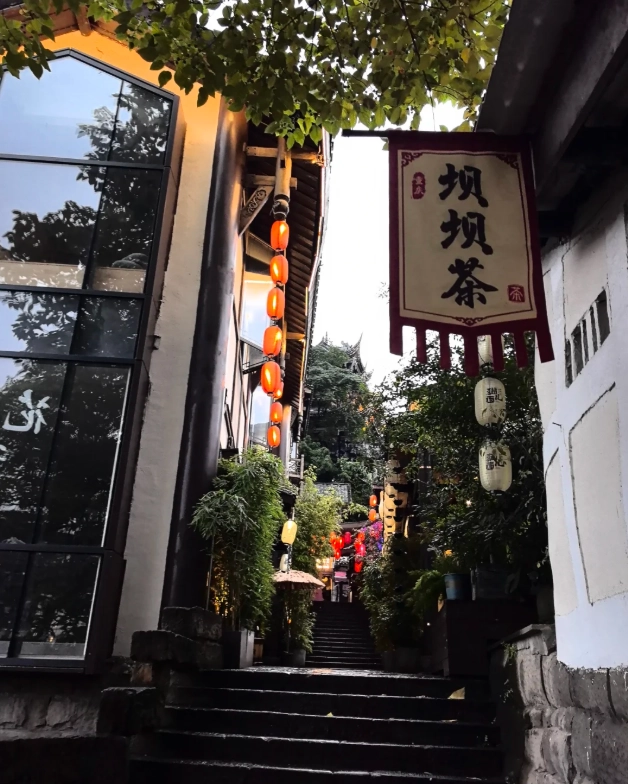
Top Things to Do (and What to Skip)
Do These
- Stroll up Baolun Temple (宝轮寺) — A peaceful hilltop temple with a great view over the rooftops. Free entry, but you need to register with your passport at the gate (annoying, I know, but it takes 2 minutes).
- Take a side alley down to the Jialing River — Walk past the “Gan’en Lane” (感恩巷) sign, follow the steps, and you’ll find the old dock. It’s quiet here, especially around 4pm when the light turns golden.
- Watch a face-changing opera (变脸) — The small theater on Main Street (look for the red lanterns) puts on 20-minute shows hourly. Ticket: 30 RMB. It’s touristy but fun.
Skip These
- Museum of Porcelain (瓷器博物馆) — Tiny, dusty, and charges 20 RMB for a few shards. Not worth your time.
- The “Authentic” Tea Tasting — If someone waves you into a tea shop for a “free sample,” you’ll end up pressurered to buy overpriced leaves. Just say “bu yao, xie xie” and walk.
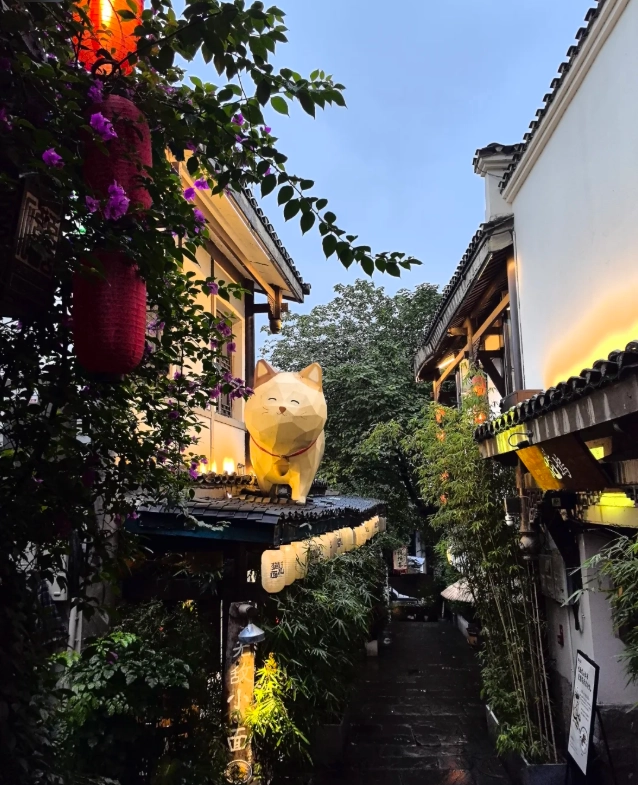
Insider Advice: Visit on a weekday morning before 10am. The crowds are thin, and the shopkeepers aren’t yet tired of bargaining. Also, after 2pm the sun hits the main street directly — wear a hat and bring water.
Insider Hacks for a Smoother Visit
- VPN is essential. If you rely on Google Maps, WhatsApp, or Instagram, they won’t work without a VPN. I use Astrill or ExpressVPN — set it up before you arrive.
- Restrooms: The public toilet near the main entrance is often crowded. I prefer the one inside the KFC on the corner of Main Street and Jinsha Road — cleaner and almost always has toilet paper.
- Bargaining: Prices are usually fixed for street snacks, but for souvenirs (keychains, fans, tea), you can haggle. Offer 60% of the asking price and settle at 70–80%.
- Watch your phone. Ciqikou can get packed, especially on weekends. Keep your phone in your front pocket or a zipped bag. I’ve never had an issue, but pickpockets exist in any crowded tourist spot.
Where to Stay Near Chongqing Cultural Street
Most visitors stay near Jiefangbei or Guanyinqiao, but if you want to be steps from Ciqikou, here are my picks:
| Hotel | Distance | Price (per night) | Best For |
|---|---|---|---|
| Chongqing Ciqikou International Youth Hostel | Inside the ancient town | 80–150 RMB (dorm/private) | Backpackers, solo travelers |
| Jinjiang Inn (Ciqikou Branch) | 5 min walk | 250–400 RMB | Budget couples, business |
| Holiday Inn Express Shapingba | 15 min taxi | 350–550 RMB | Families, comfort seekers |
Booking: Use Trip.com or Klook for English-friendly reservations. Most hotels require a passport for check-in, and they’ll hold a deposit for incidentals — cash or Alipay accepted.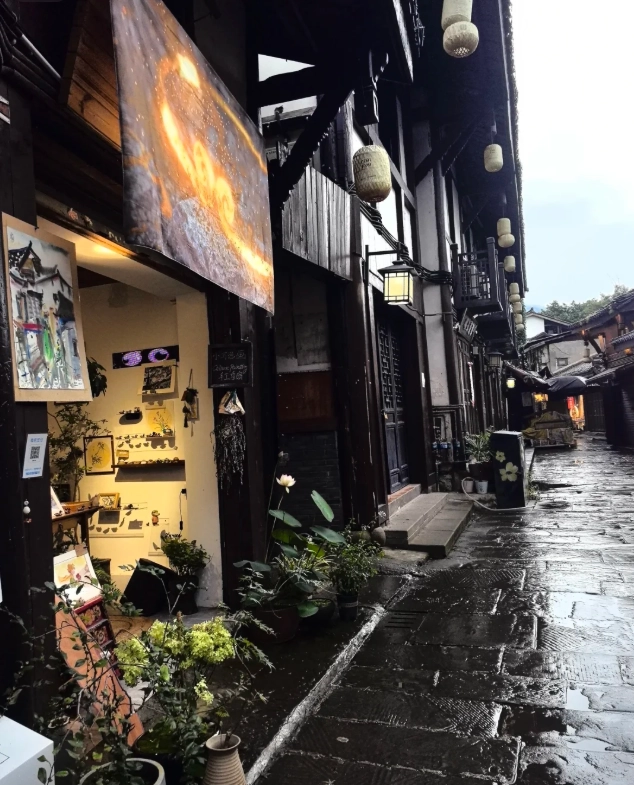






No comments yet.