 Wei Zhang
Jump To
Ever stood in a railway station and realized the platform number on your ticket means nothing here? That's Chongqing for you. I've lost count of how many tourists I've rescued from the wrong side of Chongqing North Station — sometimes they'd be running with their suitcases between all 26 floors of the building. Yes, 26 floors, because this station is built on a mountain.
Getting through the Chongqing train station guide might feel like climbing a mountain with a backpack. But once you learn the station names, the subway exits, and the shortcut that even the taxi drivers don't know about, you'll see it's actually straightforward. I've been leading tours in this city for over a decade, and here is the honest truth: most delays happen because people trust the station's main entrance without checking which one their train departs from.
Here's the ultimate hack: always arrive an hour early, and use the east side entrances for both Chongqing North and West stations. They are less crowded, and you'll save yourself the chaos of the main square. Now, let me walk you through everything — from buying tickets to platform hunting.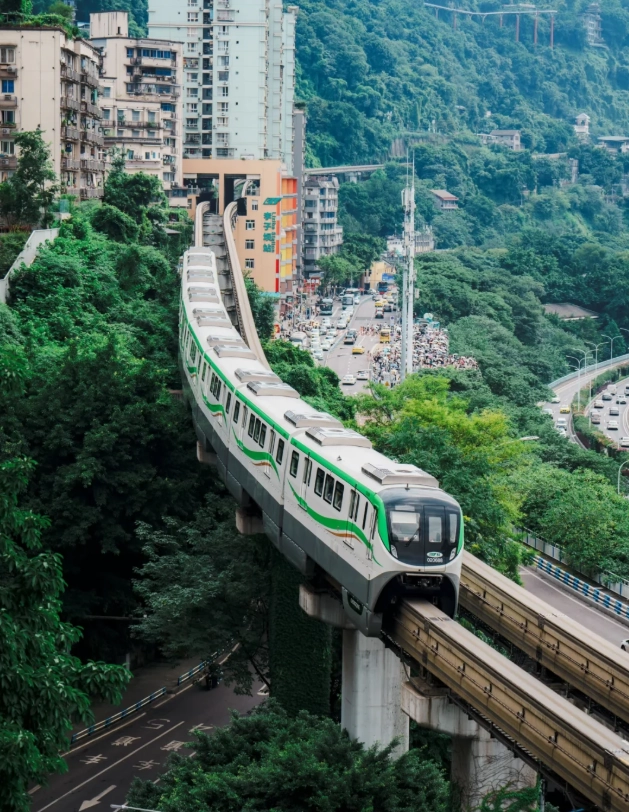
Major Train Stations in Chongqing: A Quick Overview
Chongqing is a municipality that stretches out in all directions, so your train might leave from one of several stations. The three you'll most likely encounter are Chongqing North (Chongqingbei), Chongqing West (Chongqingxi), and Shapingba. Their names aren't interchangeable — get them wrong and you'll be on the wrong side of the city.
| Station | Lines Served | Subway Access | Notes |
|---|---|---|---|
| Chongqing North (重庆北站) | High-speed to Chengdu, Shanghai, Beijing | Lines 3, 10 | Two main entrances: North Square and South Square |
| Chongqing West (重庆西站) | Long-distance to Guiyang, Guangzhou | Lines 5, Loop Line | Huge but efficient; many bus connections |
| Shapingba (沙坪坝站) | High-speed to Chengdu (G-trains) | Line 1, Loop Line | Smaller, ideal for quick departures |
The trick is to check your ticket for the Chinese name and the square if it's listed. For international travelers, the most common mistake is assuming all stations are connected like in Beijing. They aren't. Chongqing North and West are about 40 kilometers apart by road, and the metro ride takes a full 50 minutes. So read that ticket twice.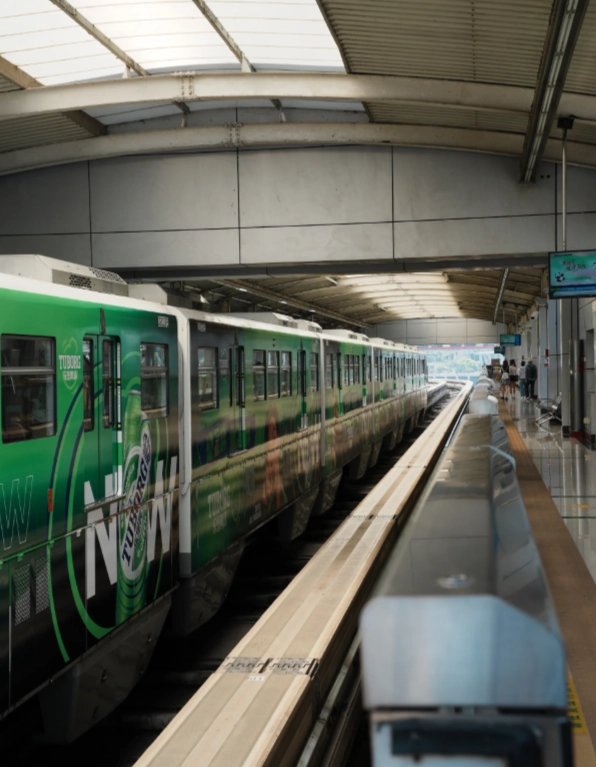
How to Get to Chongqing's Train Stations
Chongqing North Railway Station
Chongqing North Station is the busiest hub, and it's also the one that confuses travelers the most. Take Metro Line 3 or Line 10 to the stop called Chongqing North Railway Station. Once you exit the turnstile, look for the huge signs pointing to North Square (北广场) or South Square (南广场). High-speed trains usually use the North Square. From the metro platform, it's a solid five-minute walk to the North Square ticket hall — not two, as the map suggests. Follow the signs for 北广场, and you'll end up at the right place.
If you're taking a taxi, say “Bei Guang Chang” for North Square and “Nan Guang Chang” for South Square. Avoid the drivers who approach you inside the metro station — they'll charge triple. Just take the official taxi line outside.
Chongqing West Railway Station
Chongqing West Station is a massive building with a futuristic look, but its layout is actually simpler. Metro Line 5 and the Loop Line both stop here. The station has one main hall, and you'll see digital boards listing train times. The East entrance is noticeably less crowded — that's my go-to when guiding groups. From the metro, follow the signs for 东广场 (East Square). The walk from the subway to the security check is about 3 minutes.
West Station mainly handles long-distance high-speed trains, so if you're heading to Guiyang or Guangzhou, this is your spot.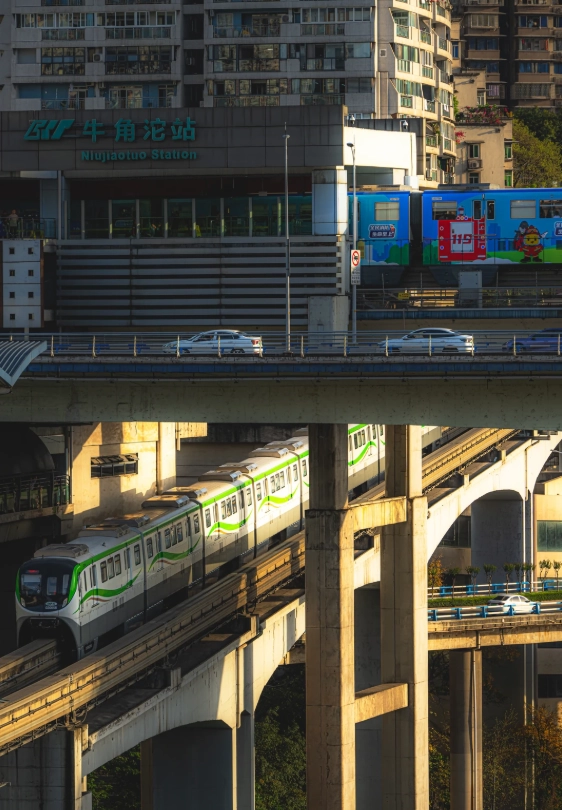
Shapingba Railway Station
Shapingba Station is the go-to spot for quick city-to-city trips to Chengdu. It's right in the middle of the old town, served by Metro Line 1 and the Loop Line. The whole place feels like a regional bus stop compared to North and West, but that's actually a plus. You can show up 20 minutes early and still feel relaxed. I always recommend this station to anyone heading to Chengdu on the G-trains — the frequency is high, so you never have to wait long.
One caveat: there are no left-luggage lockers, so travel light if you're using Shapingba.
Navigating Inside the Stations: Check-in, Security, and Transfers
Let's run through what happens once you arrive at the departure hall. In China, you don't need to print a paper ticket for most high-speed trains now. Your passport itself is the ticket. At the entrance, insert your passport into the e-gate (the same place where locals scan their ID cards). If the gate doesn't open, don't panic — just head to the manual counter on the side and show the worker your passport and purchase confirmation. They're used to it.
Security is fast but thorough. Don't bring a camping stove or any fuel canisters — they will be confiscated. Also, big power banks (over 27,000 mAh) are not allowed on trains.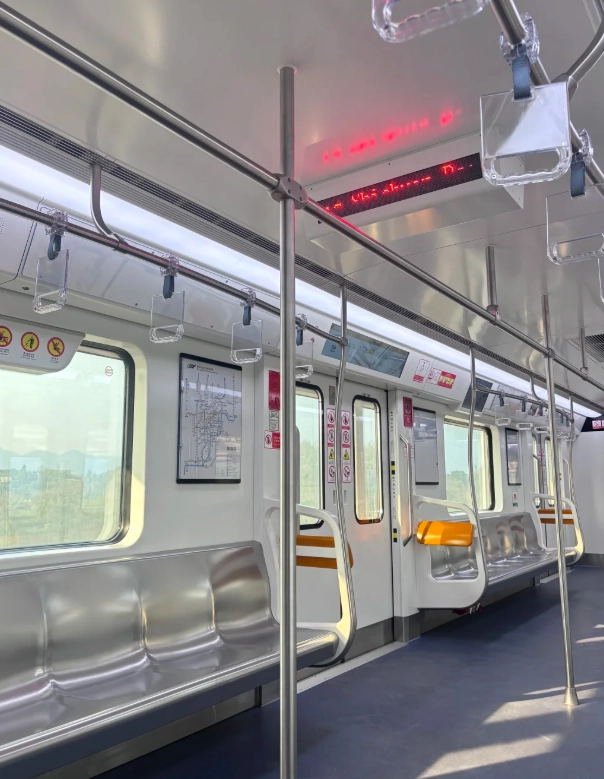
For transfers between stations, here's the realistic timeline:
- Chongqing North to Chongqing West: take Metro Line 10 from North to West? Actually, there's a direct connection via the Loop Line, but it's slow. Expect 50 minutes station-to-station. Taxi takes about 40 minutes in moderate traffic.
- Chongqing North to Shapingba: Metro Line 3 to Lianglukou, then transfer to Line 1 to Shapingba — roughly 35 minutes.
- Chongqing West to Shapingba: Metro Loop Line to Shapingba, about 30 minutes.
Whatever you do, don't try to walk between stations — the city's hills make it impossible.
How to Buy Train Tickets and What Payment Methods Work
The golden rule: book online, not at the station. For foreigners, the easiest and most reliable platform is Trip.com. It accepts international credit cards, and you'll see clear English instructions. You'll need your passport number, and the app will send you an e-ticket. At the station, you can use your passport at the manual window if you want a physical ticket, but the e-gate should work.
If you're feeling adventurous, the official China Railway official site has an English version, but it's notoriously buggy. I'd only recommend it if you're already familiar with Chinese travel apps.
Payment inside the station? Forget cash and credit cards. Most vending machines and counters only accept Alipay or WeChat Pay. If you're using the international version of Alipay, you're fine — just scan and go. For any official counter, they do accept cash, but it's slower and they might not give change in small bills. Trust me, downloading Alipay and linking your Visa will make your life a hundred times easier.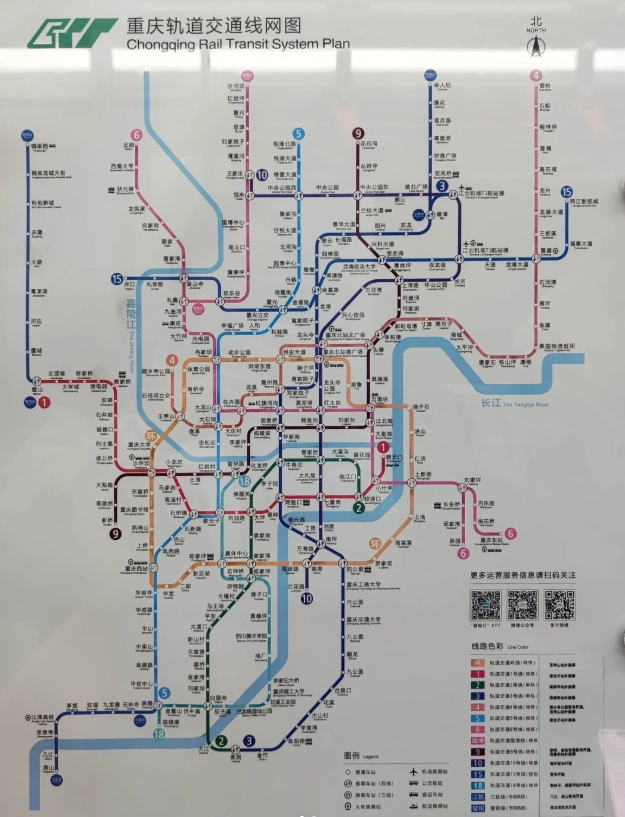
Insider Tips and Common Mistakes to Avoid
Here's a list of things I've seen trip up even seasoned travelers:
- Check station names, not just “Chongqing”. The train to Chengdu might leave from either Chongqing North or Shapingba. Always double-check the exact station name on your ticket.
- Don't confuse North and South Squares at Chongqing North. They're connected by a long underground passage, but with luggage, it's a 20-minute hike. If your ticket says “北广场”, make sure your taxi goes there, not the more famous “南广场”.
- Arrive early in peak season. During Chinese New Year or Golden Week, security lines snake out the door. Give yourself 2 hours for National holidays, 1 hour for normal days.
- Ignore the touts. Drivers offering “special lifts” outside stations are often unlicensed and may overcharge. Use DiDi (the Chinese Uber) or the official taxi line. DiDi has an English interface now.
- Pack your own snacks. Train station food courts are overpriced and not great. But bring an empty water bottle — every station has free hot water dispensers.
Pro Tip: If you're at the wrong station, don't rage-quit. Go to the ticket office immediately, explain in English ( they have translating apps), and they can often swap your ticket for the next train with available seats. You won't get a refund, but you won't lose the entire fare. I've saved a few trips this way.
Frequently Asked Questions
This content has been fact-checked to ensure informational precision.






No comments yet.