 Su Lin
Two years ago, I watched a British family panic at Beijing Capital Airport. They had a 6-hour layover and thought they couldn't leave the terminal. I walked them to the transit desk, explained the 144-hour policy, and within 40 minutes they were eating Peking duck in the city. That's when I realized how misunderstood China's visa policies are.
Let me cut the confusion right here. If you're holding a passport from one of the eligible countries, you can enter China without applying for a visa in advance. The catch? Most people don't know the exact list – or they miss the fine print about ports of entry and duration. I've helped hundreds of travelers navigate this, and I'll show you exactly how it works.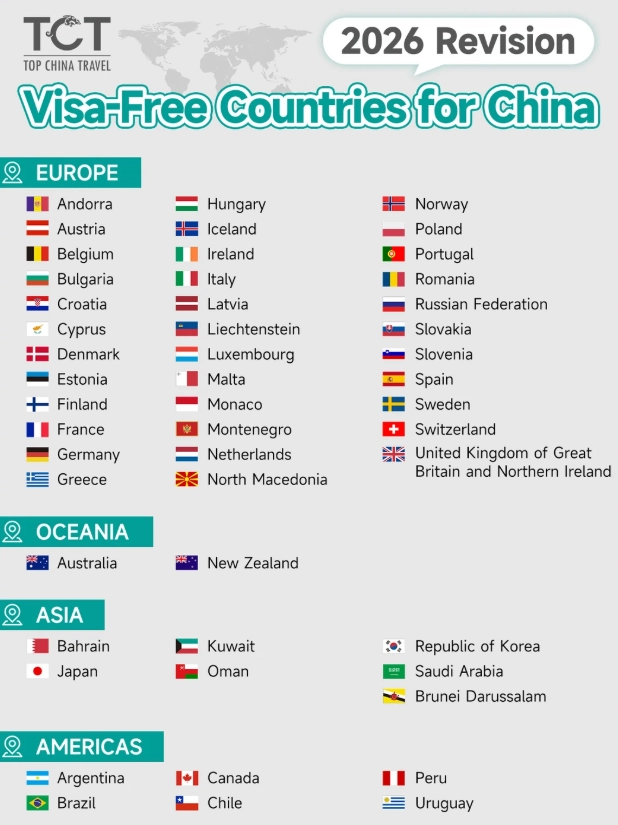
Bottom line upfront: For most curious travelers, the 144-hour transit policy is your golden ticket. It covers over 50 nationalities and lets you stay in select cities for up to six days visa-free. But there's also a short list of countries whose passport holders enjoy unconditional visa-free access (usually 15 to 30 days). I'll break both down – with the real-world traps you need to avoid.
1. Which Countries Enjoy Visa-Free Access to China?
China has bilateral visa exemption agreements with a handful of countries. Citizens of these places can enter without a visa for tourism, business, or transit – typically for up to 30 days. But here's the thing: the list changes. As of 2025, the following nationalities have straightforward visa-free entry (always double-check with your local embassy, because politics shifts things).
| Country | Max Stay | Notes |
|---|---|---|
| Singapore | 30 days | Visa-free since 2024; must have return ticket |
| Brunei | 30 days | Same conditions |
| San Marino | 30 days | Rarely used but valid |
| Mauritius | 30 days | No extra requirements |
| Seychelles | 30 days | Must hold passport valid 6+ months |
| Bahamas | 30 days | Return ticket required |
| Fiji | 30 days | Visa-free since 2015 |
| Grenada | 30 days | Must prove accommodation |
Heads-up: Japan, though previously on the list, suspended its visa-free deal post-2020 and hasn't resumed. Many outdated blogs still list it. Don't trust them – check official sources like the Chinese embassy website or your nearest Chinese consulate.
If your country isn't here, don't despair. The 144-hour transit policy likely covers you, and that's what 90% of my clients end up using.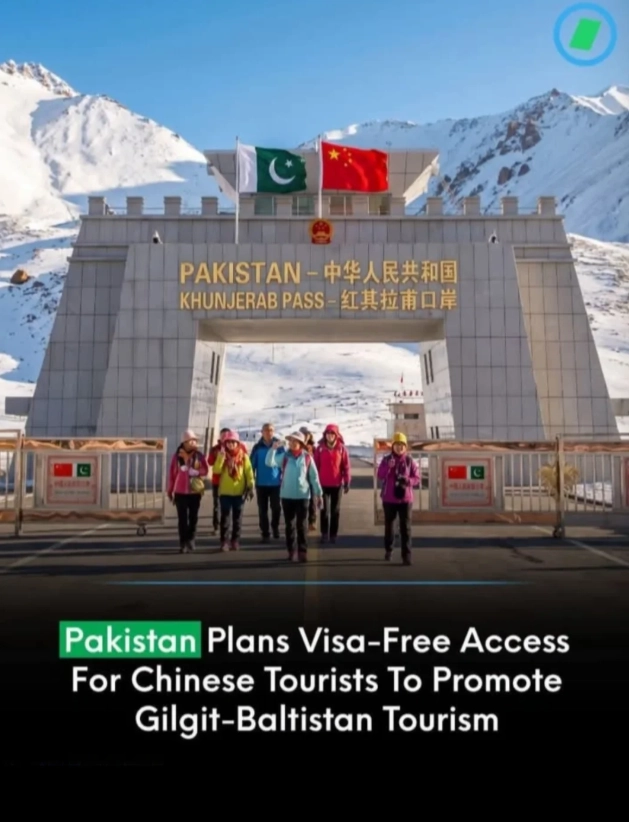
2. How the 144-Hour Transit Visa-Free Policy Works
This is the real MVP. The 144-hour (6-day) visa-free transit policy allows citizens of over 50 countries to enter and stay in specific Chinese cities or regions without a visa, provided they are transiting to a third country or region. Sounds simple, but here's where most people slip up.
Eligible Nationalities (the big ones Americans and Europeans care about):
- United States
- United Kingdom
- Canada
- Australia
- New Zealand
- Most EU countries (Germany, France, Italy, Spain, etc.)
- Switzerland, Norway, Iceland, Russia, Brazil, Argentina, and many more.
But it's not automatic. You need to meet three non-negotiable conditions:
- You must have a confirmed onward ticket to a third destination. That means flying into China from Country A, then leaving China to Country B – and Country B cannot be your origin country. A round trip from the US to Shanghai and back to the US does NOT qualify. You need to go US → Shanghai → Japan, for example.
- You must enter and exit from approved ports. Not all airports or seaports participate. The major gateways include Beijing (PEK, PKX), Shanghai (PVG, SHA), Guangzhou (CAN), Chengdu (CTU), Xi'an (XIY), Kunming (KMG), and about 20 others. Check the full list on China's National Immigration Administration website.
- You must stay within the permitted area. For Shanghai, you can roam Jiangsu, Zhejiang, and Shanghai. For Beijing, only Beijing proper. For Guangdong, the whole province. If you exit the zone, you risk a fine or detention.
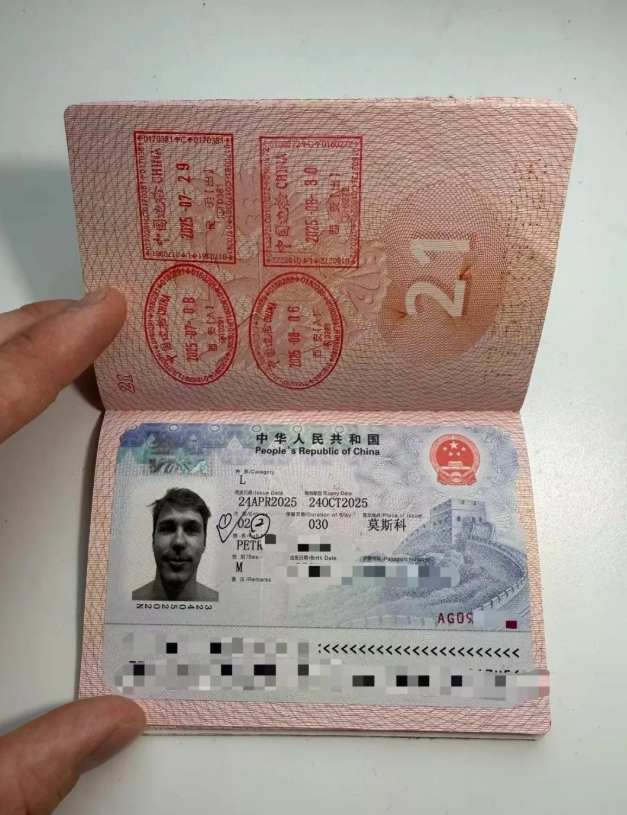
Step-by-step process at the airport:
- After landing, don't go to the regular immigration queue. Look for signs saying "144-hour Transit" or ask staff. At Shanghai Pudong, it's near Gate 10 in the arrivals hall.
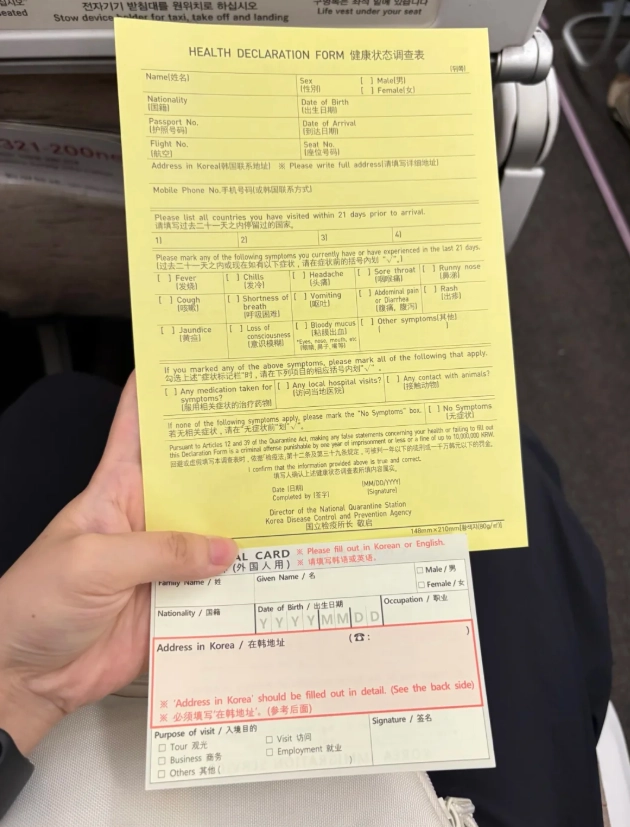
- Fill out a small arrival card (they'll provide it) and present your passport, onward ticket, and hotel booking.
- They'll stamp your passport with a transit permit valid for 144 hours. Count the hours from midnight after your arrival – not from the moment of entry. So if you land at 10pm on Monday, your 144 hours start at 12am Tuesday.
- Exit and enjoy. But remember: no visa extension is possible under this scheme. If you miss your flight, you must leave within the time or apply for a real visa (which takes days).
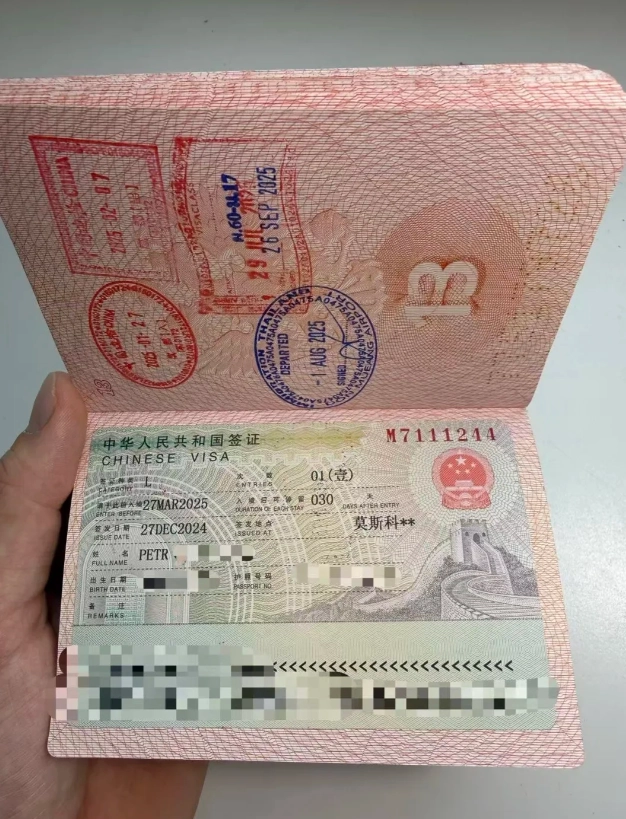
3. Essential Requirements for Visa-Free Entry
Whether you use the full visa-free access or the transit policy, some basics apply to everyone:
- Passport valid for at least 6 months from your date of entry. I've seen travelers with 5-month validity get rejected at check-in. Airlines are strict – they'll deny boarding.
- Return or onward ticket. Even for straight visa-free countries (like Singapore), you need proof you'll leave within the allowed stay.
- No criminal record that would make you inadmissible. Minor offenses are usually fine, but drug trafficking or terrorism flags will block you.
- No previous overstay in China. Overstay by even one day, and you'll be banned from future visa-free entry.
4. The 24-Hour Transit Policy – Your Safety Net
If your layover is under 24 hours and you don't leave the airport transit area, you don't need any visa. But if you want to step out? The 24-hour visa-free transit is more flexible than the 144-hour version. You can exit the airport and explore the city as long as your total transit time is within 24 hours. No need for a third country ticket! A round trip works.
I once had a client from South Africa (not on the 144-hour list) who had a 20-hour layover in Shanghai. Using the 24-hour transit, he visited the Bund and had xiaolongbao. Just show your passport and next boarding pass.
Caveat: You must enter and exit from the same city. Shanghai in, Shanghai out. You can't fly into Beijing and leave from Shanghai under this policy.
5. FAQs: Visa-Free China Countries – Your Biggest Questions Answered
This content has been fact-checked to ensure informational precision. Policies may change; always verify with Chinese immigration or your local embassy before travel.








No comments yet.