 Fang Wang
Quick Navigation
Let me paint a scene. You just landed in Beijing, jet-lagged but excited. You grab a taxi at the airport, arrive at your hotel, and hand over your shiny Visa card. The front desk smiles apologetically — “Sorry, our POS machine only accepts UnionPay.” This is the moment most foreign travelers realize: China’s payment landscape is different. I’ve seen this happen dozens of times with my tour groups. The good news? With a little prep, you can avoid the panic.
China runs on QR codes and mobile payments — Alipay and WeChat Pay are king. But as an international visitor, you can still use your credit card at many places, especially if you follow the rules. Below, I break down exactly what works, what doesn’t, and how to never get stuck.
Why Your International Credit Card Might Fail
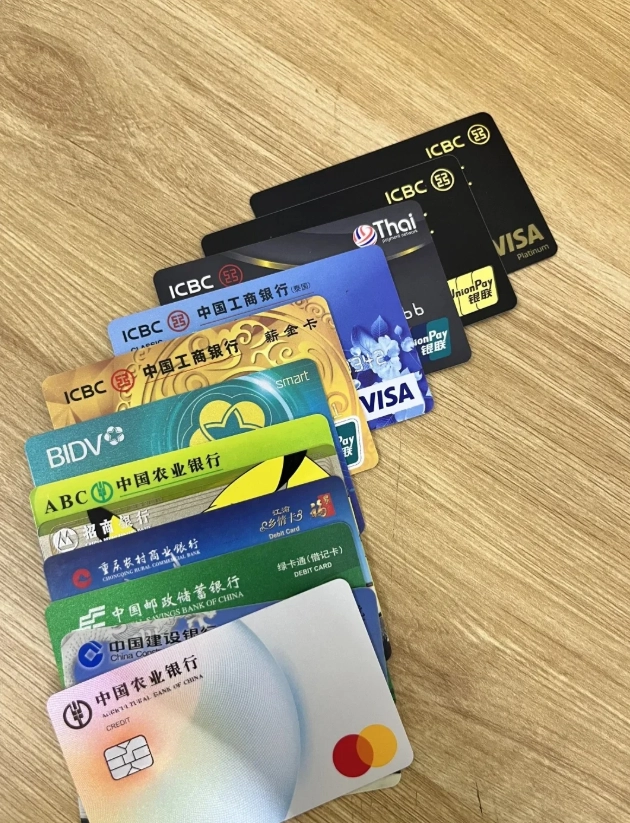
China’s banking system operates under strict capital controls, and most domestic merchants are configured to accept only UnionPay (the local card network). Even if a shop has a terminal that looks like it takes Visa, the software might reject foreign cards. Here are the most common reasons:
- Terminal not set for international transactions — Many smaller merchants simply haven’t enabled cross-border acceptance.
- Dynamic currency conversion rejection — Some banks block transactions that try to convert to your home currency at an unfavorable rate.
- Magnetic stripe vs chip — While chip cards are widely accepted, some older machines still rely on magstripe. If your card has both, ask the cashier to try chip first.
- Contactless limits — For contactless payments (like tapping), there’s often a ¥200 (~$28) cap per transaction without signature. Above that, you’ll need PIN or chip insert.
Where You Can Use International Credit Cards
Not all places are a headache. Here’s a breakdown of merchant types and their likelihood of accepting international cards:
| Merchant Type | Acceptance of Intl. Cards | Notes |
|---|---|---|
| International hotel chains (Hilton, Marriott, etc.) | Almost always | No issues; they even pre-authorize for deposits. |
| High-end shopping malls & luxury stores | Usually | Stores like Gucci, LV in big malls accept Visa/Mastercard. |
| Airport shops & duty-free | Often | Especially in international terminals. |
| Supermarkets (Carrefour, Walmart, local chains) | Sometimes | Try chip or contactless; cashier may need to choose “foreign card” on terminal. |
| Restaurants (sit-down, mid-range) | Rarely | Only upscale places; many QR-code-only payments. |
| Street food stalls, small shops, taxis | Almost never | Cash or mobile payment only. |
| Public transportation (metro, bus) | No | Metro requires a separate transit card or mobile QR code; cash for single tickets. |
How to Set Up Alipay and WeChat Pay with an International Card
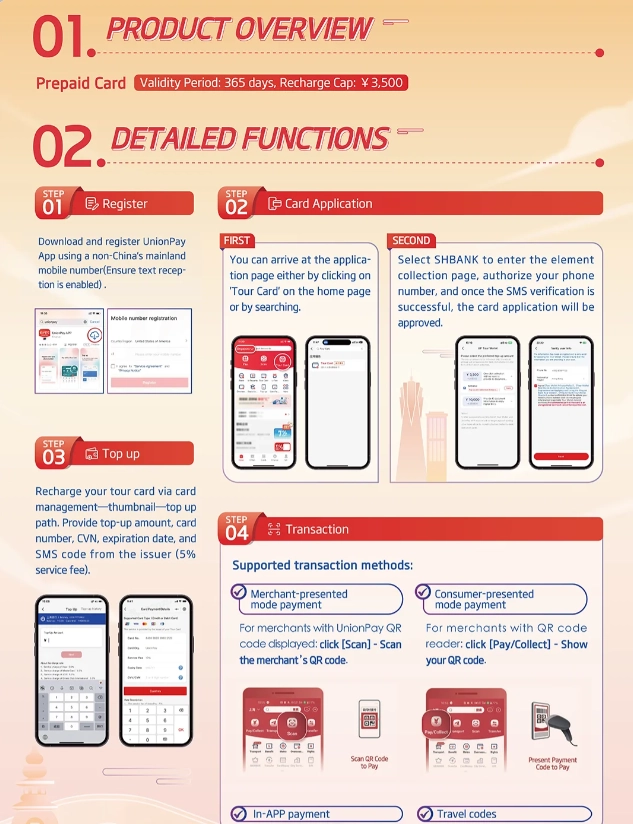
This is the real solution. I tell every traveler in my group: before you board the plane, link your credit card to both Alipay and WeChat Pay. It takes 10 minutes and saves hours of frustration. Here’s the step-by-step, from someone who’s done it with clients from 20 countries: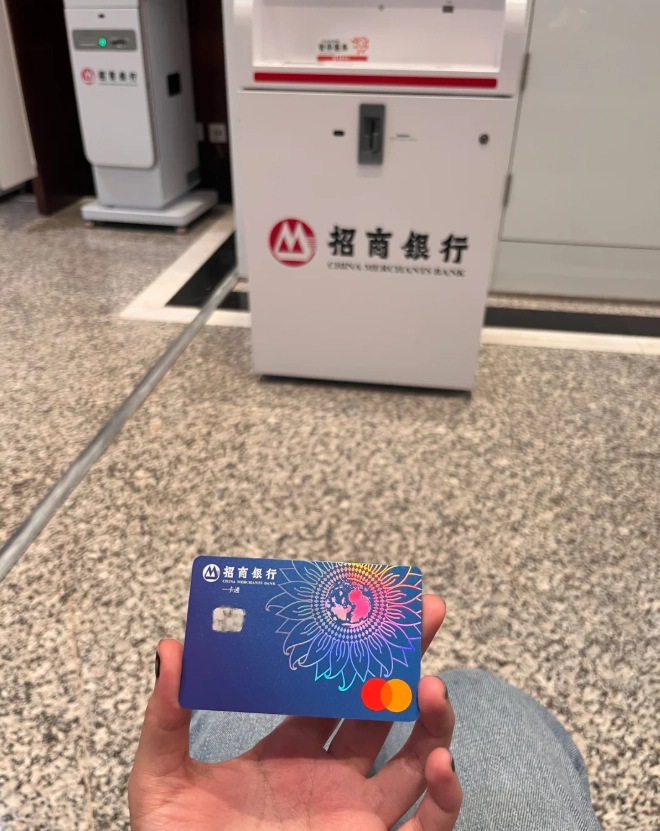
Alipay (Tour Pass or direct linking)
- Download Alipay from your app store (use a China App Store if possible, or download the APK).
- Sign up with your foreign mobile number (you can change it later to a Chinese number when you arrive).
- Select “Add Card” and enter your credit card details. Alipay accepts Visa, Mastercard, JCB, Diners Club, and Discover.
- You may be asked to upload a photo of your passport for verification — this is normal and required for foreign users.
- Once verified, you’re ready to pay by scanning QR codes at millions of merchants.
WeChat Pay
- Download WeChat and register with your phone number.
- Go to “Me” > “WeChat Pay” > “Cards” and add your international card. WeChat supports Visa, Mastercard, American Express, and JCB.
- You’ll need to enter the CVV and expiration date. A small temporary charge (~$1) may appear to verify your card, then be refunded.
- Important: WeChat Pay transactions above ¥200 (~$28) may require a 6-digit payment PIN. Set this up in advance.
One catch: Both apps may show interface in Chinese. I always tell my clients to screenshot the English guide (available on their official websites) or use the in-app language setting (WeChat has English option under Settings > General > Language). For Alipay, English is available after registration.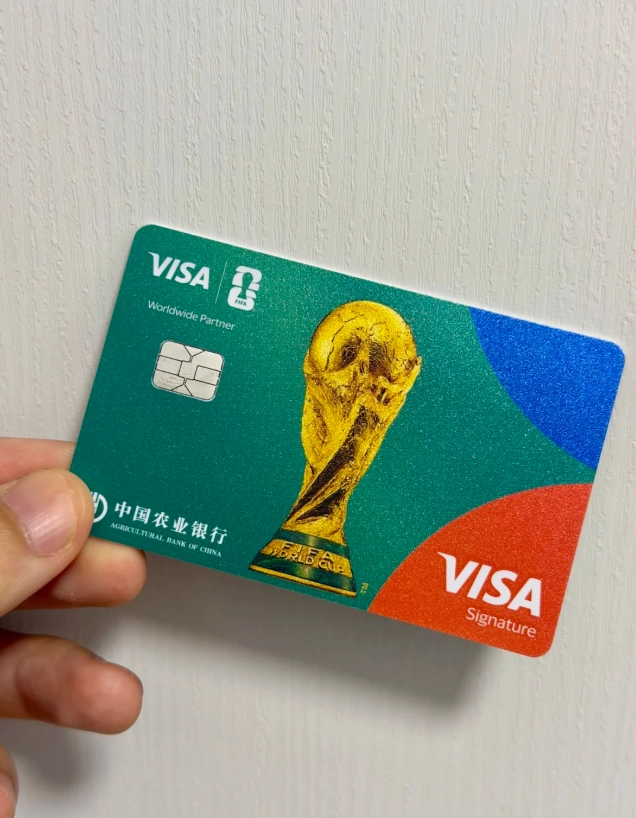
Fees and Limits You Need to Know
| Fee Type | Typical Amount | Who Charges? |
|---|---|---|
| Foreign transaction fee | 1% – 3% | Your issuing bank |
| Currency conversion spread (Alipay/WeChat) | ~1.5% – 2.5% | Alipay/WeChat (hidden in exchange rate) |
| ATM withdrawal fee (using intl. card) | ¥12 – ¥20 per withdrawal, plus ~1-2% by your bank | Chinese ATM + your bank |
| Daily spending limit (Alipay/WeChat for foreign users) | ¥5,000 – ¥10,000 (~$700-$1,400) | Alipay/WeChat policy |
I personally recommend using a credit card with no foreign transaction fees (like Chase Sapphire Preferred or Capital One Venture) for larger purchases. For daily spending, use Alipay linked to that same card — the combined fees are minimal if you avoid dynamic currency conversion (always choose “local currency” — CNY — when prompted).
Cash vs Card: When to Use Which
Even with Alipay and WeChat set up, I always carry cash — about ¥500 in small bills. Here’s my rule of thumb:
- Use digital payment (Alipay/WeChat) for: restaurants, supermarkets, taxi (if they accept QR), convenience stores, and almost any business with a QR code on the counter.
- Use cash for: street food, small shops, public toilets (yes, some charge ¥1-2), trinket sellers at tourist sights, and when the card machine says “declined”.
- Use physical credit card for: hotel check-in, car rental deposits, luxury stores, and purchases over ¥1,000 where you want fraud protection.
Common Scenarios and Workarounds
Let me walk you through three real situations I’ve dealt with in the past month alone.
Scenario 1: You want to buy a ticket for the Forbidden City online. The official website only accepts UnionPay or Chinese mobile wallets. Solution: use a third-party site like Trip.com (which takes Visa/Mastercard) or Klook. I always book through Trip.com — they add a small fee but save the headache. Note: you must enter your passport number exactly as on your passport.
Scenario 2: You’re at a local hotpot restaurant and the total is ¥250. The waitress points at a QR code on the table. You scan with Alipay, but your card is declined due to a “risk control” block. Solution: call your bank immediately (via roaming or WiFi call) to authorize the transaction. Alternatively, use WeChat Pay if the first fails. In the worst case, pay cash — always keep some on you.
Scenario 3: You need to withdraw cash from an ATM but your card is rejected. Look for ATMs inside major banks (ICBC, Bank of China, China Merchants Bank) that display “Visa”, “Mastercard”, or “Cirrus” logos. Sometimes ATMs in tourist areas (like near the Bund in Shanghai) have better foreign card acceptance. If all fails, ask a hotel front desk to do a “cash advance” on your card — they may charge a fee but it’s a reliable last resort.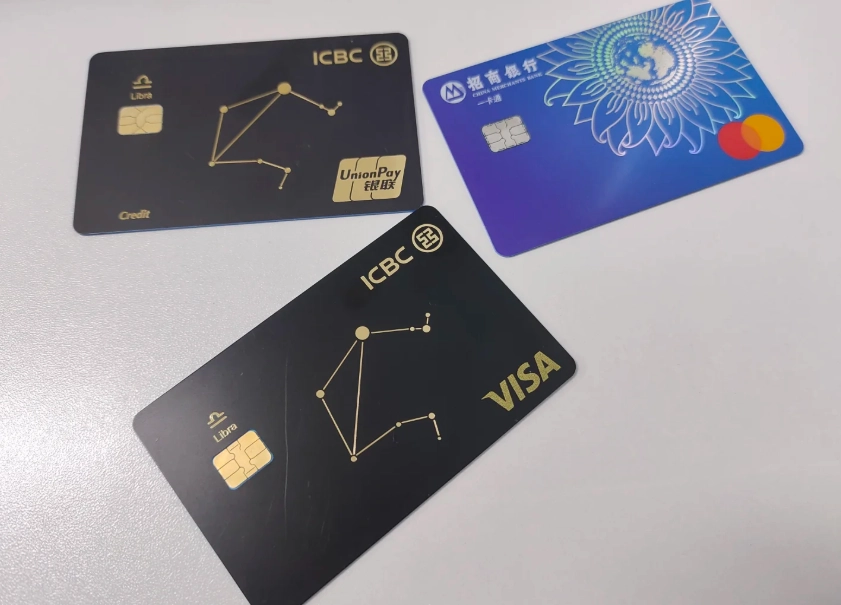
FAQ: International Credit Card Usage Rules in Mainland China
Verified and fact-checked by the editorial team.








No comments yet.