 Jian Zhao
Jump to a Section
Let me be straight with you. I've guided hundreds of travelers to Id Kah Mosque and the first thing I always say is this: don't trust the internet's pretty pictures. They're usually shot at dawn when the square is empty. But you can get those shots too—if you know the secrets. Most visitors miss the best Id Kah Mosque photography spots because they're too focused on the front gate. That's a mistake.
Id Kah Mosque photography spots aren't just about the main entrance. There's a quiet courtyard on the west side, a hidden staircase, and the bustling streets behind the mosque that offer authentic culture shots. And here's the thing: your fancy camera is fine, but your phone will also do wonders if you're in the right place at the right time.
So what's my ultimate advice? Show up at 9:30 AM, skip the main gate, and walk directly to the western edge of the courtyard. You'll have the place almost to yourself for a solid 20 minutes. That's your golden window. Now, let me walk you through everything you need to know—from exact spots to hidden tips that even many guides don't share.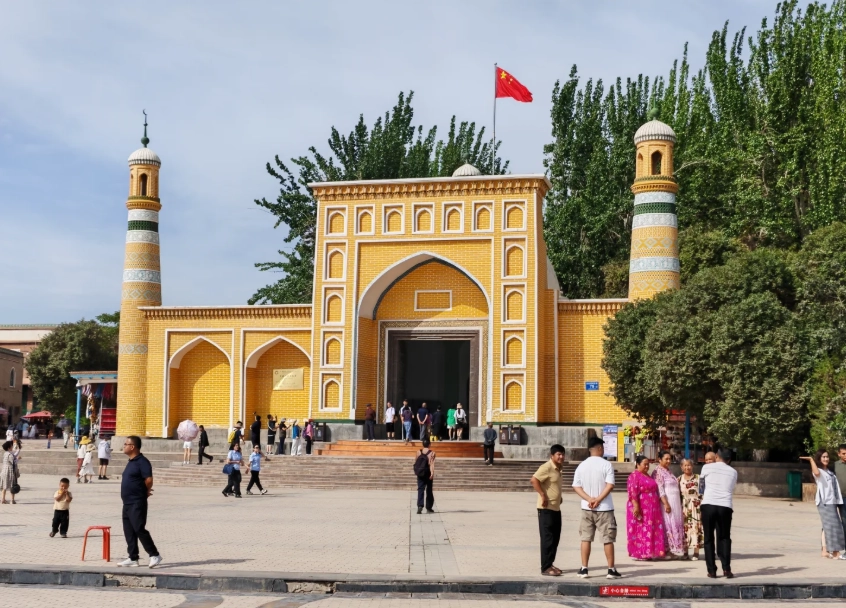
Why Id Kah Mosque is a Photographer's Dream in Kashgar
Id Kah Mosque is not just a place of worship—it's the beating heart of Kashgar's Old City. With its yellow-tiled facade, carved wooden pillars, and iconic arched entrance, it stands as one of Xinjiang's most photogenic landmarks. The mosque dates back to 1442, and its central square is a daily stage for Uyghur culture: elders with beards, children playing, and traders selling fresh naan. For photographers, it's a goldmine of color, texture, and human emotion.
But the magic isn't only in the building itself. The interplay of light on the brick alleyways, the reflection of the mosque in puddles after rain, and the silhouettes of pigeons flying overhead create endless composures. The key is knowing where to point your lens. Many tourists snap a quick shot from the square and leave, missing the deeper visual stories hidden in the corners.
Top Id Kah Mosque Photography Spots: Where to Stand for Perfect Shots
I've divided the best spots into three distinct zones that give you variety without the chaos. Each has its own character and technical considerations. If you're short on time, focus on the courtyard; if you want living history, hit the back lanes.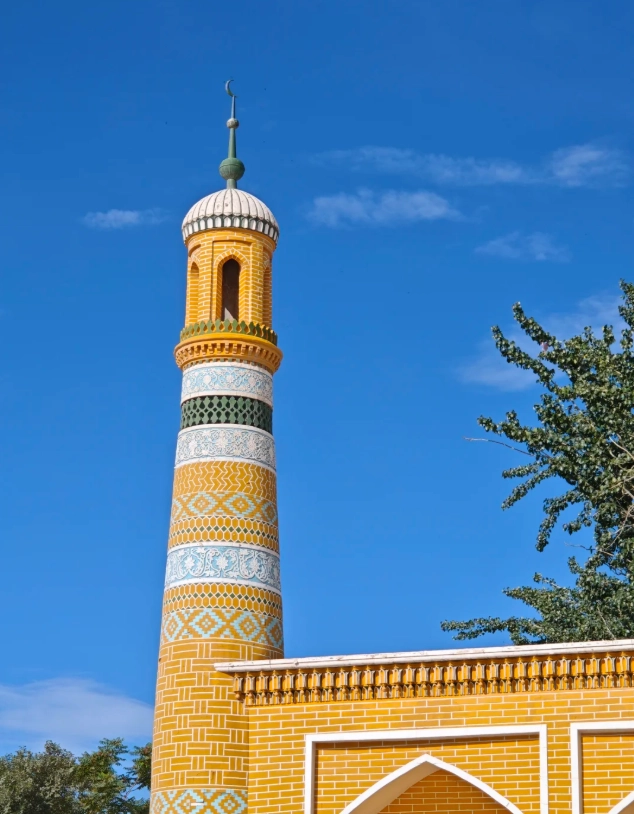
The Main Gate: Best for Wide Shots, Worst for Crowds
The main entrance with its magnificent arch is the poster child of Kashgar. During peak hours (10 AM to 8 PM), this area is swarming with tour groups, making clear shots almost impossible. If you still want that classic angle, come before sunrise. The east-west orientation means the golden light hits the facade perfectly at dawn. Set up your tripod at the center of the square, about 15 meters back, and wait for the first rays to paint the tiles gold. You'll need to be quick—by 8:30, the light gets harsh.
Pro tip: instead of shooting from the square, walk to the small snack stall on the left corner. From there, you can frame the arch with a foreground of steam rising from the naan ovens. That contrast between ancient architecture and daily life is what makes your photo stand out.
The Courtyard: Hidden Gems on the West Side
Once inside the mosque, most people rush to the prayer hall. But the real treasure is the western colonnade. The wooden pillars cast beautiful diagonal shadows on the carpeted floors, especially between 9 AM and 11 AM. This is my favorite spot for portrait shots—have your subject sit near the pillars, and the background becomes a natural masterpiece of light and shadow.
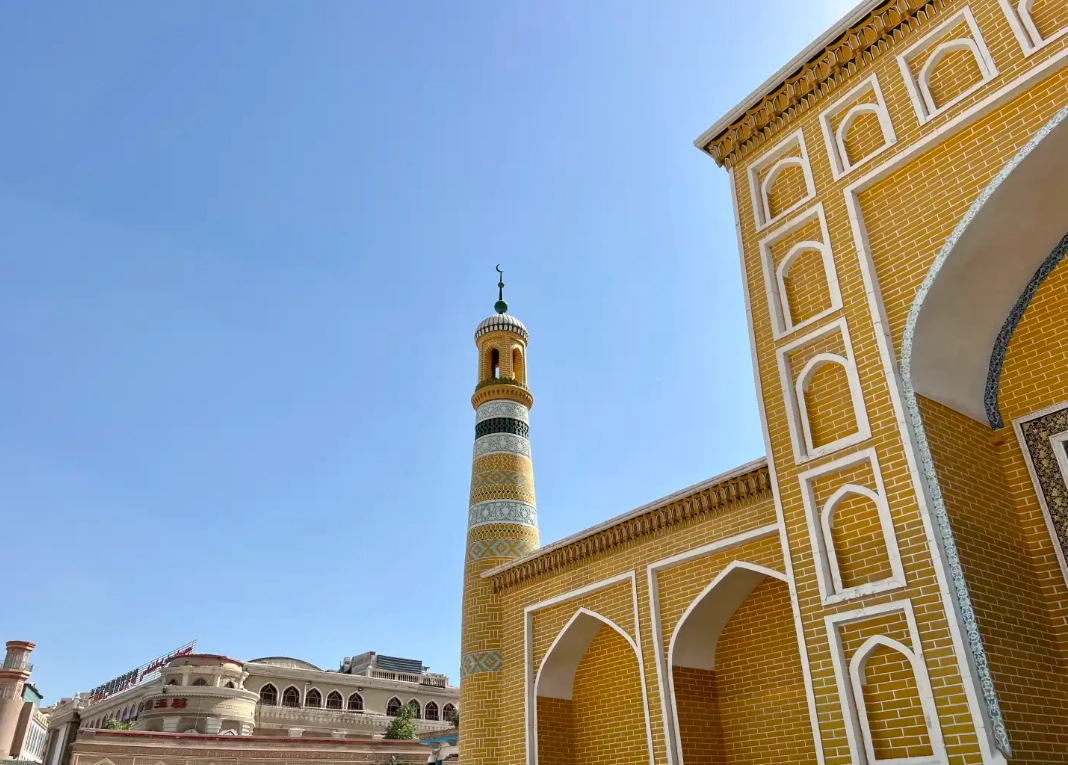
There's also a small side courtyard accessible through a passage near the ablution fountain. It's usually empty and offers a quiet frame of the mosque's minaret from an unusual angle. From here, you can capture the intricate brickwork without any distortion.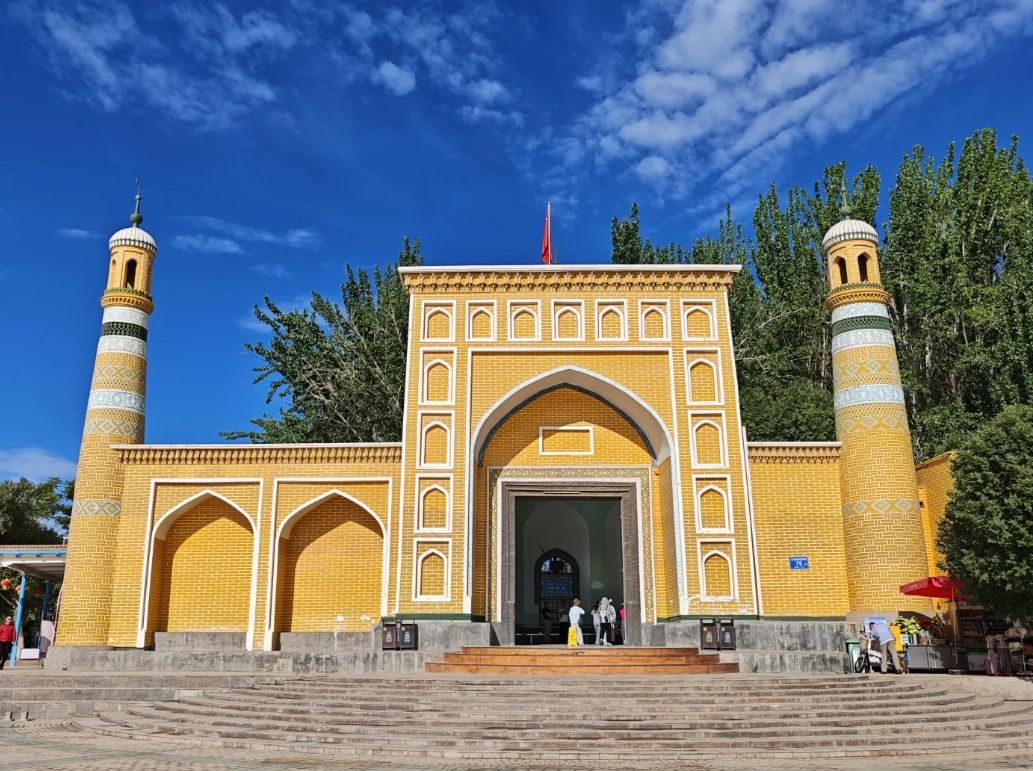
The Back Lanes: Authentic Life & Cultural Frames
Behind the mosque, a maze of narrow alleys unfolds. These lanes are where the real Kashgar lives. Donkeys pulling carts, kids kicking soccer balls, and elderly Uyghur men playing chess—all against the backdrop of weathered mud-brick homes. For candid street photography, this is unbeatable.
My favorite alley starts at the southwest corner of the mosque square. Follow it for about 100 meters until you see a green-painted door. From there, you'll get a fantastic shot of the mosque's minaret peeking over the rooftops. The best time? Late afternoon, when the sun slants low and casts long shadows.
When to Photograph Id Kah Mosque: Light, Crowds, and Seasons
The single biggest mistake I see photographers make is visiting at noon. The light is harsh, the courtyards are packed, and the heat can be brutal—especially in summer. Here's how to time your visit for both great light and manageable crowds.
Golden Hour: Sunrise & Sunset
Sunrise (around 7:30 AM in summer, 8:30 in winter) is undoubtedly the best time. The square empties out, and the soft morning glow gives the yellow tiles a warm, honey-like tint. Sunset is trickier because the mosque's orientation means the front gets shadowed early, but the courtyard still catches golden light. If you're an obsessive photographer, do both—I often bring clients at sunrise for wide shots and return at sunset for the back lanes.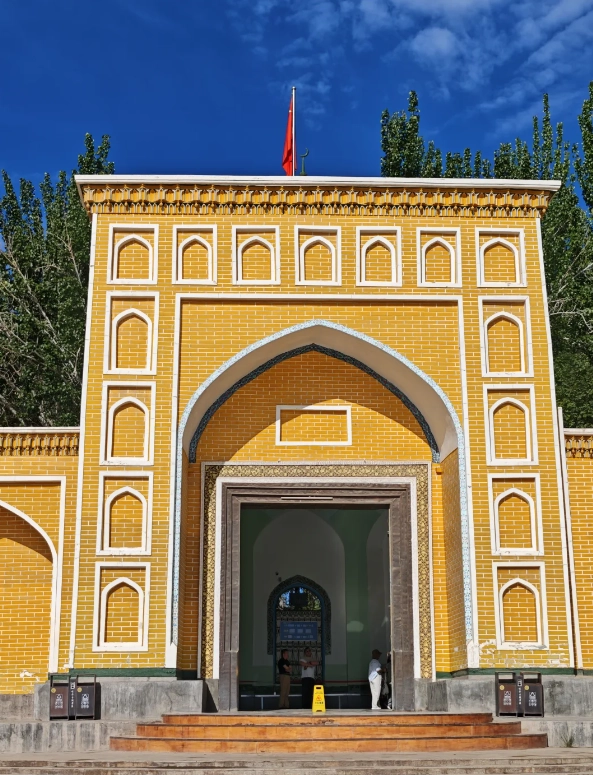
Friday Prayers: A Double-Edged Sword
On Fridays, the mosque hosts congregational prayers around 1:30 PM. The faithful gather in the courtyard, creating dramatic human elements for photos—but be respectful. Many worshippers not mind a distant shot, but don't get intrusive. Also, note that the mosque may close to tourists during prayer hours. Plan around it: enter early or wait until after 3 PM.
How to Get to Id Kah Mosque: Transport for Foreigners
Getting to the mosque is deceptively simple, but without the right tools, you'll wander. The address is 1 Id Kah Square, Kashgar Old City, but don't rely on Google Maps—it's often inaccurate in China. Use Apple Maps or the Alipay-integrated Amap (AMap Global) for reliable directions.
By Taxi or Didi: What to Tell the Driver
If you're hailing a taxi, just say 'Id Kah' (pronounced 'Eid Kah'). Most local drivers know it instantly. From anywhere in Kashgar, the fare is within 10-20 yuan. For Didi (China's Uber), simply put the mosque name in the destination field—the app works in English. The official address is '艾提尕尔清真寺' (Aitiga'er Qingshisi) if you need to type it.
If you're staying in the Old City, the mosque is walking distance from most hotels. The nearest landmark is the Id Kah Square, which locals call 'Laochang'. Cross the square from the south side and you'll see the massive yellow entrance.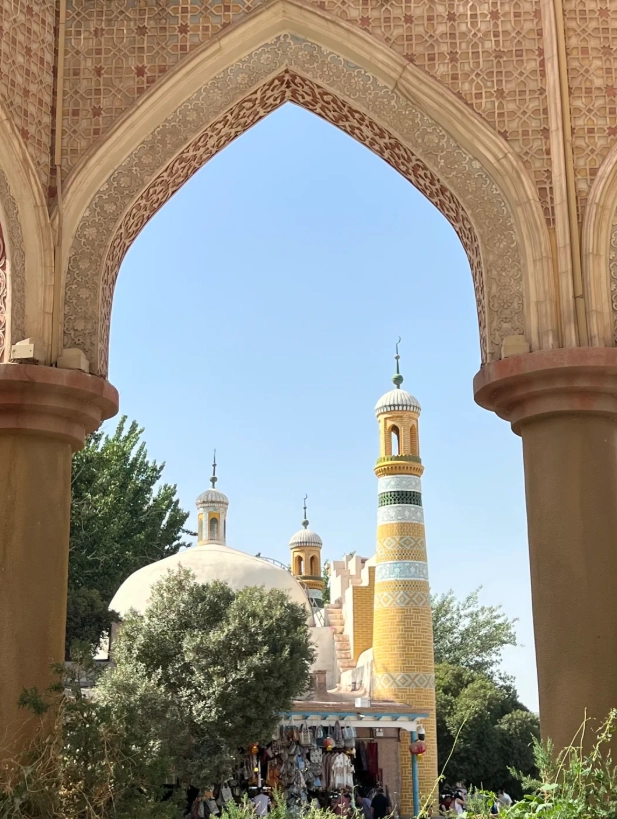
Navigating Without Google Maps: Use These Apps
Apple Maps has decent coverage in Kashgar, but Amap is the king. Download the AMap Global app and switch it to English. It supports turn-by-turn walking directions and works offline if you've saved the map. You don't need a Chinese SIM—just connect to hotel Wi-Fi and plan routes once you're out.
Id Kah Mosque Entrance Fees, Hours, and Booking: What You Must Know
Here's the deal: the ticket office is chaos if you don't know the drill. Yes, your passport is required for foreign visitors—no exceptions. The fee is around 30 CNY, but it can change, so always check the official channel. The mosque is typically open from 9:00 AM to 7:00 PM in summer and 10:00 AM to 6:00 PM in winter. Last entry is 30 minutes before close. You don't need advance booking unless you're part of a group tour—walk-ins are usually fine, but avoid Fridays as the prayer schedule may restrict entry.
| Detail | Information |
|---|---|
| Entrance Fee | ~30 CNY (check on Trip.com) |
| Opening Hours | Summer (9:00-19:00), Winter (10:00-18:00) |
| Last Entry | 30 min before closing |
| Passport required | Yes, for all foreign visitors |
| Booking | Not required for walk-ins, but Friday entry may be limited |
| Payment | Cash or Alipay/WeChat Pay (international credit cards not accepted at ticket counter) |
I always tell my clients to bring cash as backup. The ticket office often has a long queue, but there's a second window on the left side reserved for foreign IDs—use it to skip at least 10 minutes of waiting.
Photography Etiquette: Do's and Don'ts Inside the Mosque
Respect is non-negotiable. The mosque is an active place of worship, not just a tourist stop. Dress modestly: shoulders and knees covered. You'll need to remove your shoes before entering the carpeted prayer hall. Only the courtyard is open for photography—the prayer hall itself is strictly off-limits for shooting. Don't aim your lens at people during prayer, and avoid taking close-ups of women without asking permission.
One thing that surprises many visitors: the square outside is filled with pigeons. Some local vendors sell grain for you to feed them, which makes a fantastic action shot. Just be careful not to chase the birds into traffic.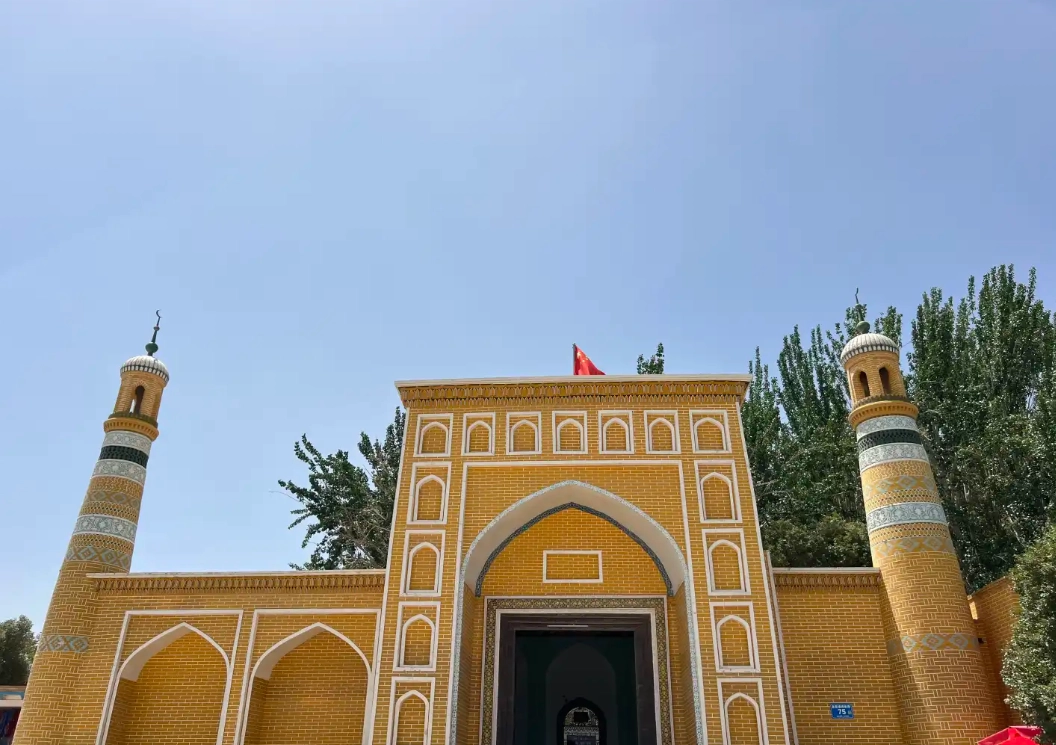
Insider Tips to Beat Crowds and Get Clean Shots
Now, let me save you the rookie mistakes that can ruin a photo session. Here's a few hard-won lessons from my years on the ground.
- Skip the main entrance at opening time—everyone goes there. Instead, enter through the side gate on the west corner. It's less guarded and drops you straight into the courtyard.
- If you want the square empty, come after 6 PM. The tour buses leave, and the golden hour light makes the tiles glow. You'll get the iconic front shot without the crowds.
- Use a polarizing filter to cut through the dry air haze. Kashgar can be dusty, especially in spring. The filter makes the sky pop and reduces glare on the yellow tiles.
- Don't forget to look up. The carved wooden ceilings of the corridors are intricate and rarely photographed. A quick vertical shot from the courtyard's edge can be a winner.
- Your phone's wide-angle mode is your best friend for the cramped back lanes. You can't step back far enough to get a full building, so use the ultra-wide setting.
Insider Advice: The public restroom near the ticket office is always packed. Use the one inside the courtyard—it's cleaner and usually empty. This is the kind of detail that saves you 15 minutes in a day.
Extend Your Photography Walk: Nearby Spots in Kashgar
Once you've maxed out the mosque, the Old City offers even more visual treasures. Just a 10-minute walk north is the Id Kah Bazaar, a maze of spice stalls, ceramic shops, and fabric vendors. The play of light through the lattice roofs makes for gorgeous textured shots. If you have 24 hours in Kashgar, don't stop here—head to the Hundred-Year-Old Teahouse (on Elimu Street) for a vibrant scene of locals sipping tea. It's a photojournalist's dream.
For a bird's-eye view, walk to the nearby old city watchtower. Climb to the top and you'll get a panoramic vista of the clay rooftops with the mosque's minaret as the centerpiece. It's a 15-minute walk, but the perspective is unmatched.
FAQ: Common Questions About Id Kah Mosque Photography
This guide reflects my personal experience and the shared wisdom of fellow local guides. For the most current entry details, always check official tourism sources or book through reputable platforms like Trip.com or Klook. Verified and fact-checked by the editorial team.





No comments yet.