 Peng Gao
Quick Jump Links
- Why Visit Kashgar and Tashkurgan Together?
- How to Plan the Kashgar–Tashkurgan Route
- Kashgar Travel Highlights: What Not to Miss
- Tashkurgan Must-Sees: Hidden Gems and Border Views
- Step-by-Step Itinerary for a Kashgar–Tashkurgan Journey
- Practical Tips for Foreign Travelers
- Best Time to Visit Kashgar and Tashkurgan
- Where to Stay in Kashgar and Tashkurgan
- FAQs: Kashgar and Tashkurgan Trip
Let me tell you something most travel blogs won’t — the real Kashgar to Tashkurgan trip isn’t about dusty checkpoints or long drives. It’s about tasting Uyghur naan straight out of a tandoor while a trader from Kyrgyzstan haggles for silk. Then, just hours later, you’re standing under snow-capped peaks so silent you can hear your own heartbeat. I’ve guided over a dozen of these trips, and every time, travelers say it was the highlight of their China trip. But getting it right takes planning — and a few insider moves I’m about to share.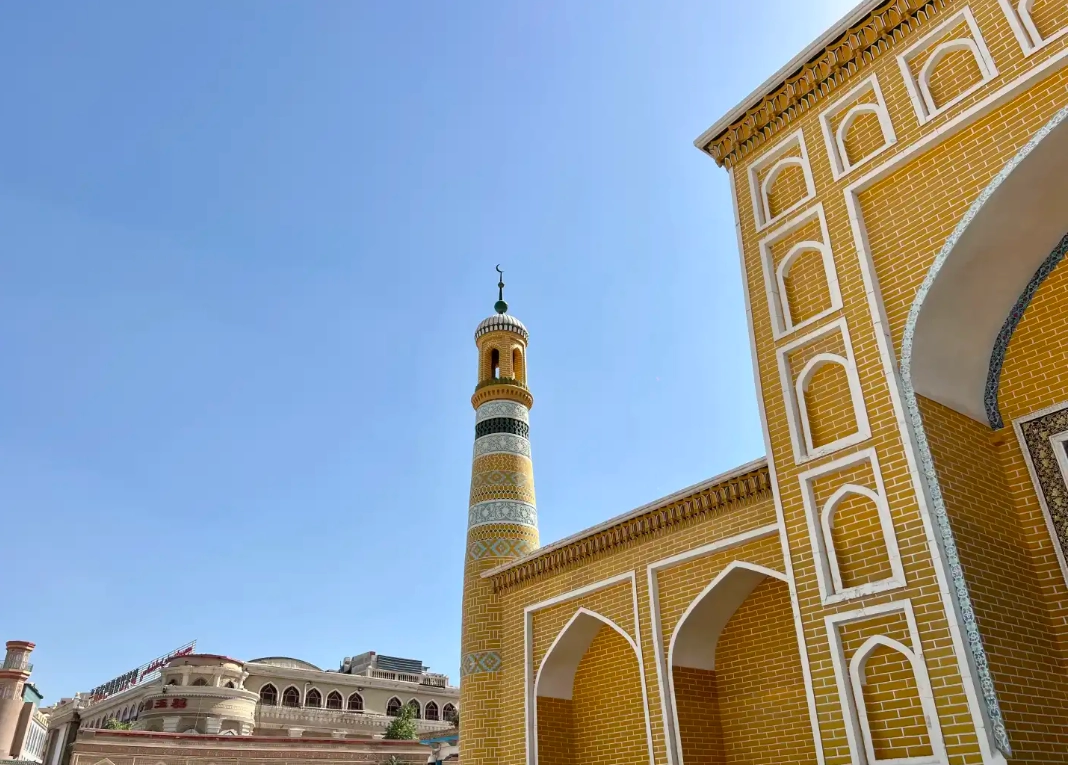
Why Visit Kashgar and Tashkurgan Together?
Kashgar and Tashkurgan are two sides of the same Xinjiang soul. The route between them follows the legendary Karakoram Highway, one of the highest paved roads in the world. In one trip, you experience the vibrant, centuries-old Silk Road bazaar culture of Kashgar, then the wild, high-altitude Pamir Plateau where Tajik herders live among 7,000m peaks.
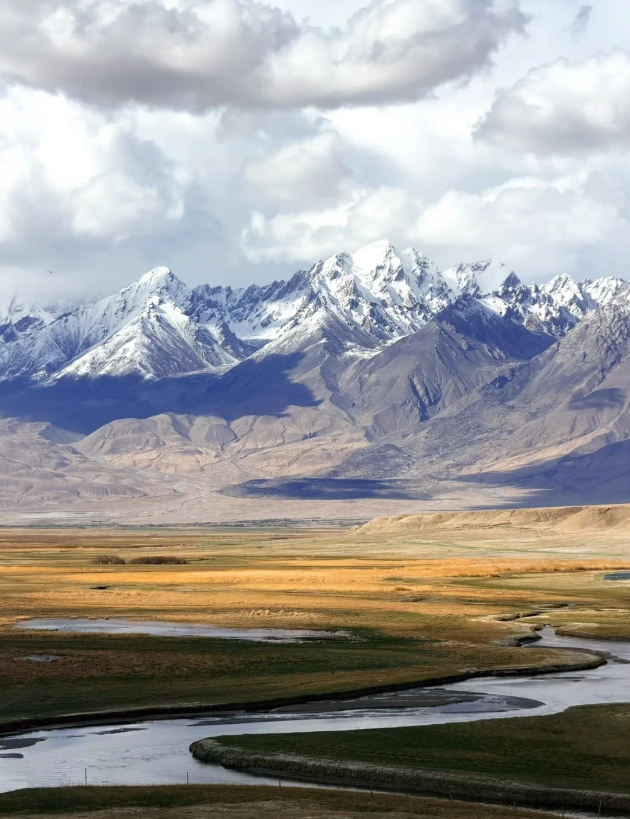
Most travelers give Kashgar a day or two, visit the old town, take a camel photo, and leave. That’s a mistake. The real magic starts when you travel southwest to Tashkurgan — a town that feels like a borderland outpost, 4,100m above sea level. You’ll see the turquoise water of Karakul Lake, the massive cone of Muztagh Ata, and, if conditions allow, the famous Khunjerab Pass on the China–Pakistan border.
These two destinations complement each other perfectly: Kashgar gives you the cultural buzz, while Tashkurgan serves unforgettable high-altitude scenery and a glimpse into Tajik life. Together, they make the most rewarding trip in western China.
How to Plan the Kashgar–Tashkurgan Route
Distance and Transport Options
The road from Kashgar to Tashkurgan is about 290 km and takes 5–7 hours by car, depending on stops and road conditions. The route follows the G314 highway, also known as the Karakoram Highway. There’s no railway to Tashkurgan yet, so your practical options are:
- Private car / driver — the most flexible and comfortable. You can stop at Karakul Lake, the Oytag Red Mountain, and any place that catches your eye. Costs around 600–900 CNY for a one-way trip from Kashgar (negotiate with local drivers at the Kashgar taxi rank or through your hotel).
- Shared minivan — cheaper (about 80–120 CNY per person) but no stops and often crowded. Buses depart from Kashgar South Bus Station when full, usually before noon.
- Self-drive — possible with a valid Chinese driver’s license and a rental from Kashgar. Note: foreign licenses are not accepted without an International Driving Permit, and Chinese law only recognizes permits from certain countries. Better to hire a driver.
| Transport | Cost (per person) | Time | Flexibility | Best For |
|---|---|---|---|---|
| Private car | 600–900 CNY (whole car) | 5–7 hrs | High | Groups, photographers, anyone wanting stops |
| Shared minivan | 80–120 CNY | 6–8 hrs | Low | Budget travelers, solo backpackers |
| Self-drive | Rental + fuel | 5–7 hrs | Medium | Experienced China drivers |
Here is the catch: along the route, you’ll encounter two security checkpoints where all passengers must show passports and the border permit (边防证). The driver will handle most of it, but keep your documents handy.
Border Permit (边防证) — Critical Info
Every foreigner traveling to Tashkurgan must have a Xinjiang border permit. This is not optional. You can get it in Kashgar at the Tashkurgan Frontier Pass Permit Office, located near the Kashgar City Police Station. The office is open Monday to Friday, 10:00–18:00 (closed on weekends and public holidays). Bring your passport and one photo (some offices take a photo on-site for a fee). The process takes about 30 minutes.
Alternatively, your hotel or a local travel agency can arrange it for you, but it usually costs extra. I always tell my clients to go early in the morning because the permit office is also popular with local tour groups.
One more thing: if you plan to visit the Khunjerab Pass itself (the border gate), you need a separate permit from the Tashkurgan Public Security Bureau. In practice, the pass is often closed to tourists due to freight traffic or weather. Don’t be heartbroken if you can’t get to the actual border; the views on the way are just as spectacular.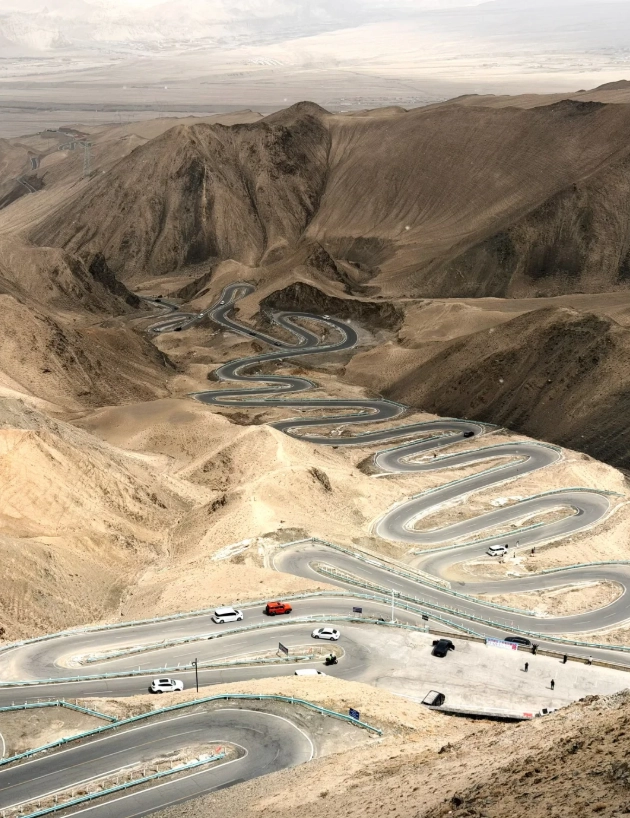
Kashgar Travel Highlights: What Not to Miss
Kashgar is the cultural heart of the Uyghur community and the largest city in western Xinjiang. You’ll want at least two full days here. Don’t just hit the famous spots — wander the small alleys, try the food, and get lost in the rhythm of this ancient trading town.
Kashgar Old Town (喀什老城)
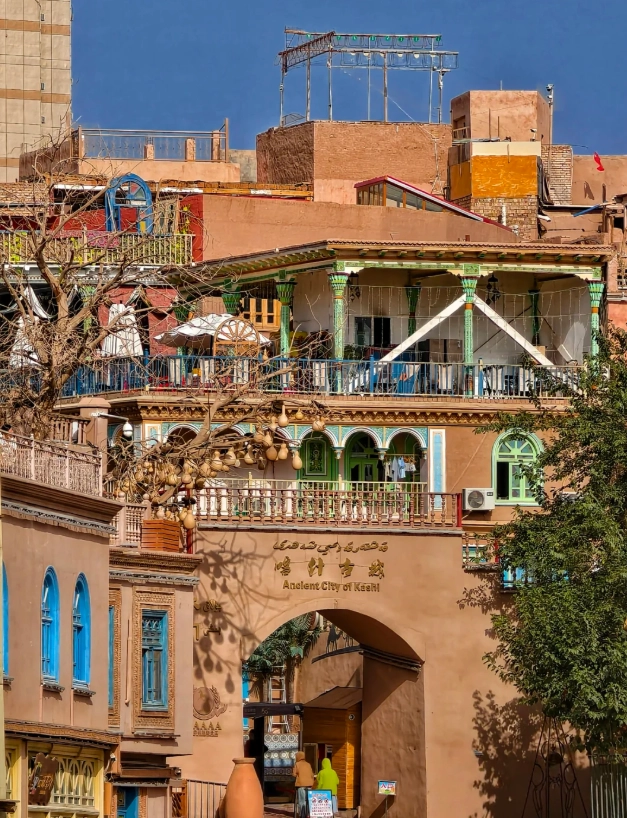
The Old Town is a maze of mud-brick houses, artisan workshops, and lively bazaars. It’s free to enter. The main entrance is on Awehatong Road. I recommend starting around 9:00 AM, when the light casts soft shadows on the carved wooden doors. Avoid the midday rush of Chinese tour groups — they fill the narrow lanes and make it feel like a theme park.
Spend at least three hours strolling. Don’t miss the 100-Year-Old Teahouse, where Uyghur elders play dutar music and sip Qarakul tea. It’s a tourist spot now, but still authentic. Just expect to pay around 50 CNY for tea and snacks.
Be sure to check out the copper and brass bazaar, the carpet shops, and the small pottery street near the eastern gate. The old town is a living community, not a museum — respect the residents’ privacy and ask before taking photos of people.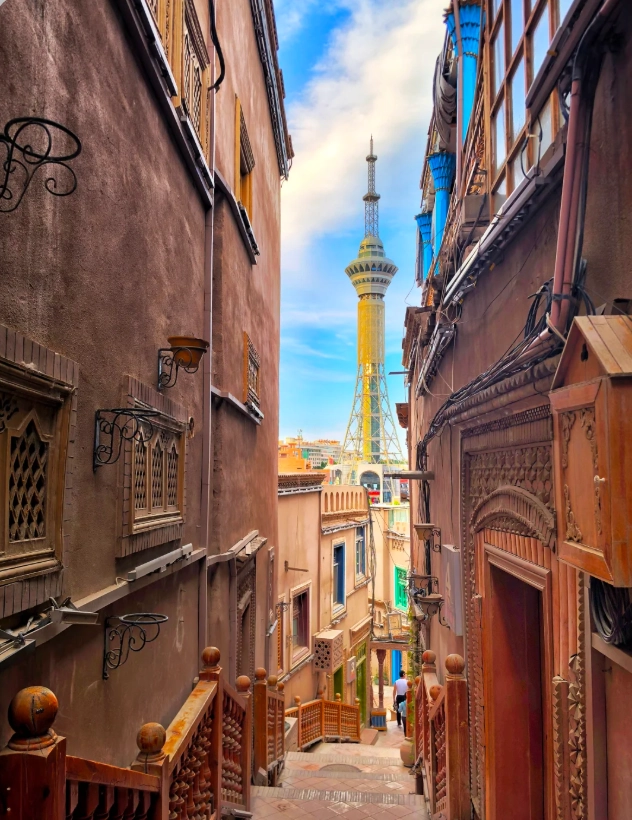
Id Kah Mosque (艾提尕尔清真寺)
This is the largest mosque in China and the spiritual center of Kashgar. It faces the Id Kah Square, an open plaza where locals gather in the evening. The entrance fee is 20 CNY. Non-Muslims are welcome to visit the courtyard but not the prayer hall. Opening hours are generally 10:00–19:00, but they close during prayer times, so avoid Friday afternoons if you want to look around.
On Fridays, the square outside fills with worshippers — it’s a powerful sight. If you’re not Muslim, stay at the edges and be respectful.
Kashgar Grand Bazaar (喀什大巴扎)
The bazaar is a wholesale paradise for spices, silks, carpets, and dried fruit. It’s located just east of the Old Town, on Jiefang North Road. The bazaar is open daily from 10:00 to 20:00, though many stalls close for lunch around 13:00–15:00. Bargaining is expected — start at 40% of the asking price. I once bought a hand-woven wool rug for 400 CNY after the seller asked 1,200 CNY. But don’t be greedy; these merchants know the value.
Look for the “Uyghur tea” stalls — you’ll find dozens of blends of black tea, saffron, and rose petals. Prices start at 30 CNY for a small bag.
Also, try the torkon (a sweet yogurt drink) from the small carts around the bazaar. It’s the perfect refresher after hours of haggling.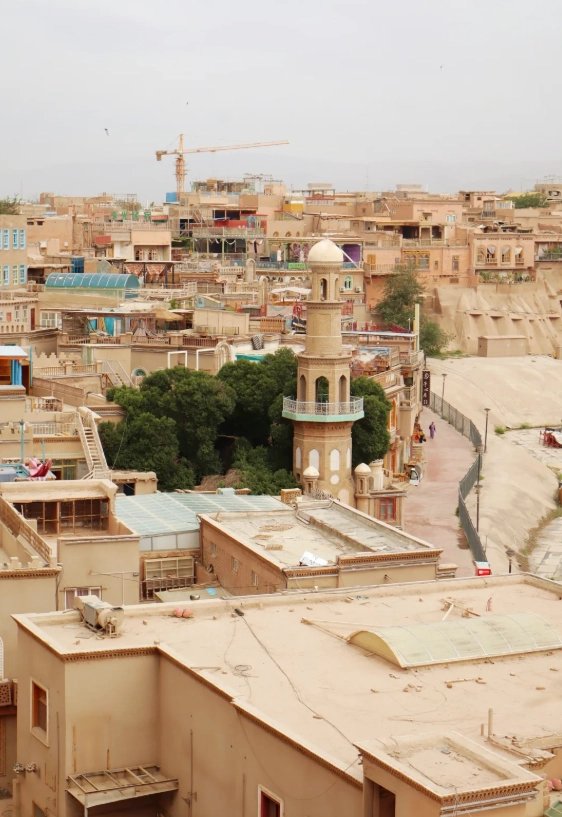
Apak Hoja Mausoleum (香妃墓)
This stunning mausoleum, also called the Fragrant Concubine’s Tomb, is a blue-and-white tiled masterpiece. It’s about 5 km northeast of the Old Town. Entry is 30 CNY. The site includes a beautiful mosque and a peaceful garden, but the main tomb is the star. Go early (around 9:00) or late (16:00) to avoid busloads of tourists.
Inside, the tomb is elaborate but quite simple; the real charm is the architecture and the story. The concubine was beautifully fragrant, hence the nickname. Allow about an hour.
Tashkurgan Must-Sees: Hidden Gems and Border Views
Once you reach Tashkurgan (at 4,100m altitude), the air is thin and the landscapes are surreal. This is Tajik country — think ismaili Muslims, yurts, and yak herds. Don’t expect luxury; expect unforgettable scenery and warm hospitality.
Karakul Lake (喀拉库勒湖)
Located about 200 km southwest of Kashgar, this is the first major stop on the road to Tashkurgan. The lake sits at 3,600m, beneath the magnificent Muztagh Ata peak (7,509m). If the weather is clear, you’ll see the volcano-shaped reflection in the water.
There’s a small entrance fee (about 50 CNY) and a boardwalk. I always advise my clients to spend 30–40 minutes here, not more. The elevation can cause headaches if you sprint around. Bring a jacket — even in summer, the wind off the glacier is biting.
For the best photo light, come in the afternoon, when the peaks are lit from the west. Early morning is also good, but the sun rises behind the mountain, leaving it in shadow.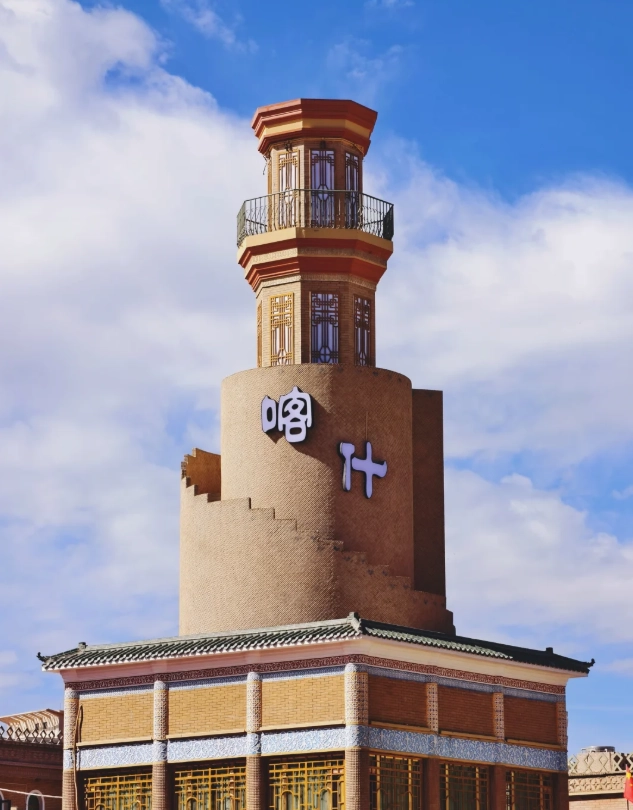
Tashkurgan Stone City (石头城)
The ancient stone fortress ruins sit on a hill just outside the modern town. It was a stronghold on the ancient Silk Road. The entrance fee is 30 CNY, and the site is open from 9:00 to 18:30. You need about an hour to walk the perimeter.
My favorite time is sunset, when the golden light hits the crumbling walls and the surrounding grasslands glow. The adjacent Golden Grassland (金草滩) is free if you walk from the back of the Stone City — but most tour groups don’t know this shortcut. From the main gate of Stone City, walk right along the dirt path for 10 minutes.
Khunjerab Pass (红其拉甫口岸)
This is the highest paved border crossing in the world at 4,733m. It connects Pakistan and China and is only open for tourism during summer months (usually May to October). Even then, it’s often closed for maintenance or political reasons. If you want to try getting there, you’ll need a special permit issued by the Tashkurgan Public Security Bureau, plus your original passport.
Most guides (including me) will tell you to skip it because the permit is tedious and the road is often blocked. Instead, a drive to the Khunjerab “viewing point”-like area near Pasture (塔吉克牧业村) gives you incredible Himalayan views without the paperwork. Ask your driver to stop at the “Taghdumbash Pamir” sign.
If you really want the border experience, check with a local tour operator in Tashkurgan to see if they can arrange a day trip (costs around 300 CNY per person). They will handle the permit, but it’s not guaranteed to succeed.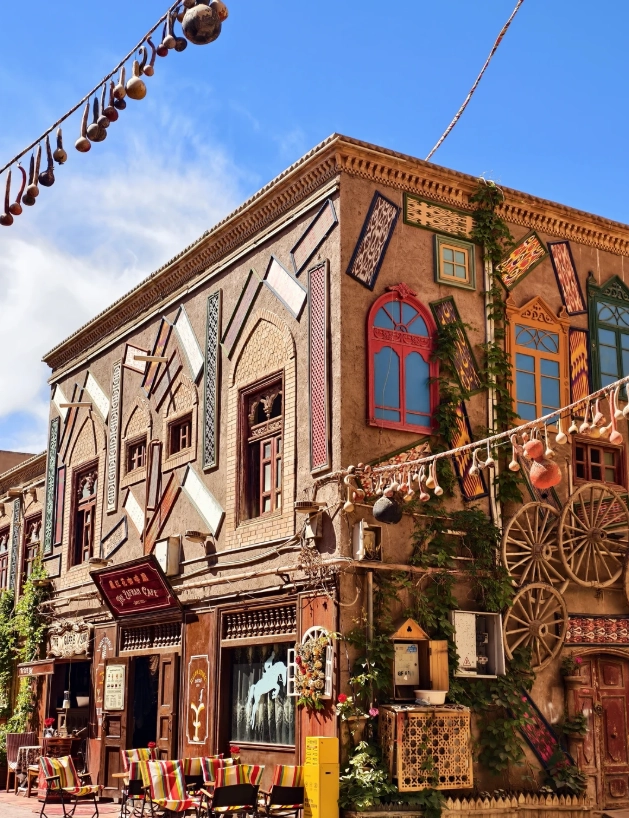
Step-by-Step Itinerary for a Kashgar–Tashkurgan Journey
I’ve designed this 5-day itinerary to balance sightseeing with acclimatization. Don’t try to squeeze it into 3 days — the altitude will punish you. Here’s the plan I use for my own clients.
Day 1: Arrive in Kashgar
Arrive at Kashgar Airport (KHG). Take a taxi (about 50 CNY) to your hotel in the Old Town area. In the afternoon, walk along the main street of Awehatong Road and get your first taste of Uyghur street food. Try samsa (baked lamb dumplings) at a local stall. Go to bed early — you’ll need energy.
Day 2: Explore Kashgar Old Town & Bazaar
Start with the Old Town (open all day). Visit the Id Kah Mosque at 10:00. Then explore the Grand Bazaar for a few hours. In the afternoon, take a taxi to the Apak Hoja Mausoleum. At sunset, return to the Old Town for the best photos from the eastern watchtower. Dinner: try “Gesh Khan” restaurant (Address: 12 Tawuguz Road, near the Id Kah Mosque), famous for its polo (rice with lamb and carrots) — about 35 CNY per plate.
Day 3: Drive from Kashgar to Tashkurgan
Start before 8:00 AM. Drive along the G314 highway. Stop at Oytag Red Mountain (you’ll see the orange striated cliffs) for photos. Next stop: Karakul Lake for a 30-minute walk. Continue to the village of Shiptirinkyr (a good place for lunch — try the local nan and tea). Arrive in Tashkurgan by early afternoon. Spend the rest of the day resting to acclimatize. Get an early night because the altitude is no joke.
Day 4: Explore Tashkurgan
In the morning, visit the Stone City on foot (the entrance is a 15-minute walk from most hotels). Then walk to the Golden Grassland Park. After lunch, consider a visit to a local Tajik family (ask your hotel to book a home visit — it costs about 100 CNY and includes tea and snacks). In the evening, try to catch the sunset at the riverbank.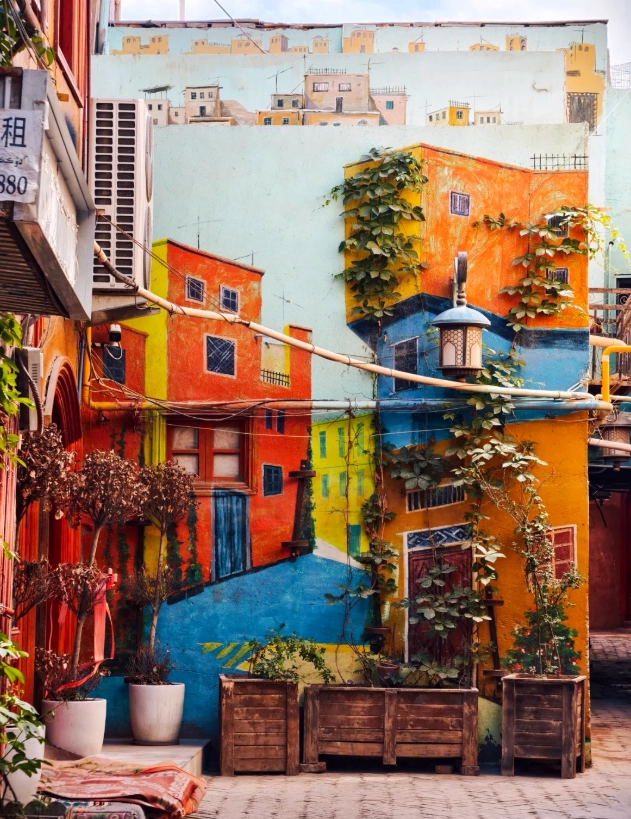
Day 5: Return to Kashgar
Drive back to Kashgar, stopping at any spots you missed on the way. If you’re short on time, you can fly out from Kashgar in the evening. More often, I suggest staying one more night in Kashgar to enjoy the Old Town at night before your departure.
Practical Tips for Foreign Travelers
Xinjiang can be overwhelming for first-timers, but a few proven tricks make your Kashgar–Tashkurgan trip smooth. Here are the essentials I drill into every client.
Payments
- Alipay and WeChat Pay are accepted almost everywhere, even in small villages. Make sure you have your international card linked and add at least one card with enough balance.
- Cash is still useful for small purchases (like restroom fees, 1–2 CNY, or village stalls). Carry 200–300 CNY in small bills.
- International credit cards are rarely accepted outside high-end hotels. Don’t rely on them.
Navigation
- Google Maps is useless in China — it doesn’t have accurate addresses or travel data. Use Apple Maps (works decently in major cities) or download AMap (高德地图) and ask a Chinese friend to set it to English mode.
- Better yet, always have your hotel write your destination in Chinese characters. Show them to your taxi driver — it saves a ton of miscommunication.
Booking Tours & Hotels
- For permits and entrance tickets, use Trip.com or Klook — both have English interfaces and accept foreign cards. Some sites let you pre-book the Khunjerab day tour.
- Hotels in Tashkurgan often require a deposit in cash; ask beforehand if they accept cards. I always book through Trip.com and choose properties with free cancellation.
Language & Internet
- English is not widely spoken outside tourist spots. Download a translation app like Apple Translate or Baidu Translate (which works offline).
- You need a VPN to use Google, WhatsApp, Instagram, or Facebook. Get a reliable VPN before you arrive — set it up and test it at home.
- Carry a power bank for your phone; you’ll be spending long hours on the road.
Best Time to Visit Kashgar and Tashkurgan
The ideal season is from April to October. In spring (April–May) the grasslands turn green, but nights are still cold. Summer (June–August) is the best time for travel, with pleasant daytime temperatures (around 20–25°C in Tashkurgan, but cold at night). Autumn (September–October) brings golden poplar leaves and clearer skies.
Avoid the harsh winter (November–March) when Tashkurgan can drop to -20°C and the Khunjerab Pass is closed. Roads may be icy, and many guesthouses shut down.
One more tip: avoid Chinese public holidays (like the first week of October) when domestic tourists flood the route. If you must travel then, book accommodation at least a week in advance.
Where to Stay in Kashgar and Tashkurgan
Your choice of accommodation can make or break the trip. Here are my tested recommendations, with prices based on a standard double room in mid-season.
| Property | Location | Price Range (CNY) | Best For | Key Features |
|---|---|---|---|---|
| Kashgar Edinburgh Hotel | Near Old Town, 43 Jiefang North Rd | 600–900 | First-timers, comfort | English-speaking staff, courtyard garden, breakfast buffet |
| Ranma International Hotel | 5 min walk to Id Kah Square | 400–600 | Mid-range travelers | Rooftop terrace, good Wi-Fi, modern rooms |
| Pamir Guesthouse (Tashkurgan) | Center of Tashkurgan, 12 Tuanjie Rd | 150–250 | Backpackers, budget | Dorm beds, hot showers, but basic |
| Muztagh Ata Hotel | Tashkurgan, near Stone City | 300–500 | Families, comfort | Heated floors, stable Wi-Fi, restaurant |
In Tashkurgan, the heating is essential in summer nights too — don’t book a room without it. Also, ask about thermal water supply; some guesthouses have limited hot water in peak times.






No comments yet.