 Hong Ma
Jump to what you need (or everything—I won't judge)
Let me start with the one thing nobody tells you: Kashgar is not your average Chinese city. It's an ancient Silk Road trading hub where the desert meets the Pamir Mountains, and the climate can swing from 'baking' to 'freezing' in a single afternoon. I've been guiding tours here for years, and every single time, someone shows up with the wrong stuff—usually a massive suitcase and zero idea what to do with it. This Kashgar packing list is the exact checklist I hand out to my group before we land. Keep reading, and I'll also tell you what to leave at home (trust me, that big tripod is a no-go).
The shortcut: You can fit everything you need in a 40L carry-on. Half the travelers who curse in the airport are the ones who brought a 28-inch monster.
Why a One-Size-Fits-All Packing List Doesn't Work in Kashgar
I'll be blunt: the standard 'China packing list' you find on forums will get you into trouble here. Kashgar sits at the western edge of the Taklamakan Desert and at the foot of the Pamir Mountains. That means the temperature can drop 20°C between noon and midnight, even in summer. Dust storms appear without warning, and the sun is brutal at 1,300 meters above sea level.
And there's a cultural twist. Kashgar is a predominantly Uyghur Muslim city. You'll be visiting mosques, markets, and people's homes. Showers of respect matter—covering your shoulders and knees isn't a luxury, it's a must. So your tank tops and cut-offs? Leave them.
Now let's talk about the stuff that drives every traveler crazy: payments. Many local stalls only accept cash or WeChat Pay (Weixin), not international credit cards. Yes, your Alipay with an overseas card works at big chains, but for the real Kashgar experience—the bazaars, the street food carts—you'll need small bills. So packing cash is non-negotiable.
And I haven't even mentioned the airport checks. Kashgar's airport security is meticulous. They'll check power banks, drone batteries, even your phone's content sometimes. So pack electronic gadgets with that in mind.
Here's my insider summary: pack for a desert climate, a Muslim culture, and a Chinese payment ecosystem. And whatever you do, keep your main bag under 20 kg if you can — you'll often need to drag it up stairs and across bumpy streets.
The 12 Items That Earn Their Space
Below is the list I've refined over hundreds of trips. I've grouped them so you can see why each one matters.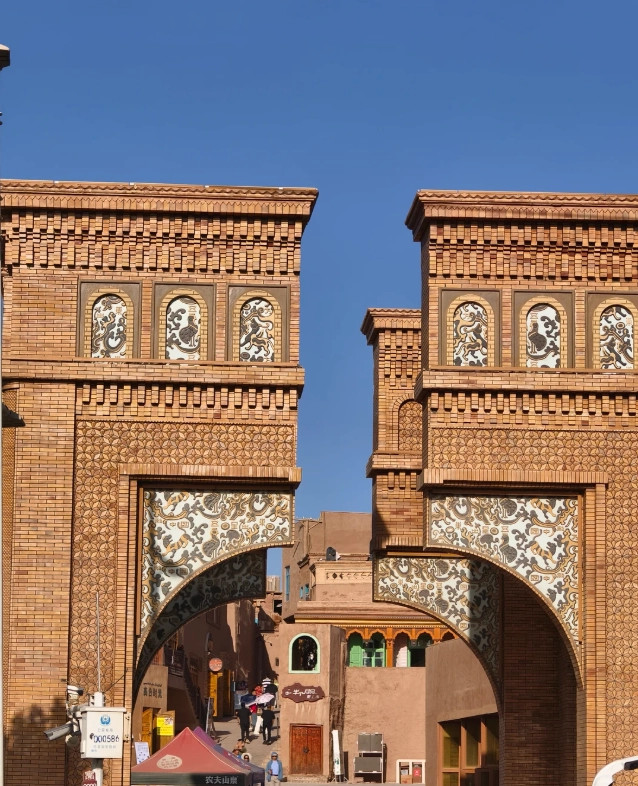
Documents and Money (Items 1-3)
Passport, cash, and a hidden pouch—these must stay on your body at all times.
- Passport and a physical copy — You'll need it for hotel check-ins, train tickets, and booking any attraction in advance. A photocopy is essential because you'll occasionally need to leave it at a reception desk while buying a local SIM card or registering at certain sites. I always tell my guests to print two copies and keep them separate from the original.
- Cash and a low-limit bank card — Carry at least ¥500 split between small denominations. A 10-yuan note might be all you need for a dozen apricots. For larger purchases, most shops have a WeChat Pay QR code, but your international card won't work there. A separate low-limit card for ATMs keeps your main account safe if you get skimmed (rare, but it happens).
- A money belt or hidden neck pouch — Kashgar is generally safe, but the Grand Bazaar can get chaotic. Keep your passport and big bills close to your body. You don't need the whole wad—just today's spending in your front pocket, and the rest secured.
Clothing for Desert Weather (Items 4-7)
Layers, long sleeves, and sturdy shoes—not a parka.
- Light, breathable long sleeves — A loose cotton or linen shirt with UPF rating protects from sunburn and dust while keeping you modest. I always pack two: one for wearing, one for washing.
- An insulating layer (fleece or packable down) — Even in June, after the sun sets, the temperature can crash. A 150g down jacket compresses to the size of a grapefruit. You'll wear it around the evening fire at the livestock market.
- Comfortable, closed-toe walking shoes — The Old City's streets are uneven and slippery with dust. You'll also be walking through animal pens at the Sunday market. Closed-toe shoes aren't optional—trust me, my clients who wore sandals spent the evening scrubbing their feet.
- A scarf or lightweight shawl — Use it to cover your head before entering a mosque, tie it over your face during a sandstorm, or just keep the sun off your neck. It's the most multi-purpose item you'll own here.
Electronics and Connectivity (Items 8-10)
Keep your devices charged, your maps offline, and your VPN active.
- Portable charger (power bank) — You'll spend hours outside, photographing everything. A 10,000 mAh bank is enough for two phone boosts. Warning: Kashgar airport requires power banks in carry-on luggage only, and there's a strict 160Wh limit.
- Travel adapter and a universal plug — China uses two-pin flat sockets. Your US-style plug won't fit. A universal adapter with USB ports is a lifesaver. Also, check your devices' voltage range; most chargers are 100-240V, but a hair straightener might not be.
- Pre-setup smartphone with offline maps and VPN — Google Maps is a burning pile in China. Before you leave, download Apple Maps (it works with English) or the 'AMap Global' version (GaoDe) and save the Kashgar city map offline. And install a VPN on your phone and laptop AT HOME—the Great Firewall will block most Western sites, and trying to set up a VPN after you arrive via a Chinese app store is a nightmare.
Health and Everyday Extras (Items 11-12)
Don't overlook your stomach and your hands.
- A small first-aid kit with diarrhea medicine and rehydration salts — Street food in Kashgar is legendary, but the local bacteria can be a shock to your system. I never travel without smectite (a natural clay that's widely used here) and oral rehydration sachets. Trust me, you'll want these by day two.
- Wet wipes and hand sanitizer — Public toilets often lack soap, and dust is everywhere. A pack of baby wipes saves your sanity after a dusty walk through the old town's back alleys. I always keep a small bottle of sanitizer clipped to my backpack strap.
Packing Mistakes I See Every Week at Kashgar Airport
Here's a list of things I've personally had to tell travelers to check in at the last minute. Don't be that person.
- Overpacking for the climate. I once saw a couple bring two huge suitcases for a 5-day trip. By day two, they were trying to donate clothes. The desert heat and dry air means you'll wear fewer layers, not more.
- Forgetting to bring a printed copy of your passport. Some hotels and train officials demand a physical copy for registration. Digital copies are often rejected. Just print two copies at home before you go.
- Packing a drone without checking the rules. Drones are banned in many areas around Kashgar, especially near the border and military zones. If you must bring one, check the latest local regulations and be prepared to have it confiscated at security.
- Bringing water bottles that leak. This sounds silly, but the change in cabin pressure can empty a half-full bottle all over your documents. Use a sturdy bottle with a locking lid.

Packing for Summer vs. Winter in Kashgar
The climate varies wildly. Here's exactly how your packing list changes.
| Item | Summer (June–August) | Winter (December–February) |
|---|---|---|
| Top layer | Light long-sleeved shirt (UPF) | Thermal base layer + fleece |
| Outer layer | Windbreaker for rainy/dusty evenings | Heavy down jacket with hood |
| Bottoms | Loose cotton trousers | Insulated pants over thermal leggings |
| Footwear | Closed-toe sneakers | Waterproof insulated boots |
| Headwear | Wide-brimmed sun hat | Warm beanie and ear muffs |
| Other essentials | Sunscreen, sunglasses, bug spray | Lip balm, hand warmers, humidifier (a little spray) |
Remember that temperatures are averages, not guarantees. A freak snowstorm in April? It happened a few years back. So always include one 'emergency' thermal layer, regardless of season.
Special Packing for the Sunday Livestock Market
If you're visiting Kashgar on a Sunday, the famous Animal Market (Kashgar Livestock Market) is a must-see. Here's what to add to your day bag:
- Cash in small denominations — The best photo ops involve buying a handful of dried apricots or a skewer of lamb. Vendors won't take cards.
- An old pair of shoes or shoe covers — The market ground is dusty and, well, contains animal… waste. Wear your 'disposable' pair.
- A scarf to cover your nose and mouth — The dust and smell are intense, but a scarf keeps you comfortable and shows cultural respect.
- Your camera with a spare battery — You'll be shooting non-stop. The light between 10am and noon is best, but expect crowds.
Pro Tip: Arrive before 9am to see the animals being unloaded from trucks. By 1pm, the market is packed with tourists and photographers (including me). Also, avoid wearing bright red—it can agitate some animals.
Kashgar Packing FAQs
Last-minute questions I get from my travelers (and you'll probably have the same ones).
Can I use my credit card in Kashgar, or should I bring a lot of cash?
Credit cards are almost useless outside major hotels and some large supermarkets. Bring a mix of cash (¥500-1000) and a low-limit ATM card. Most local shops and food stalls have WeChat Pay, but you can't easily link an international card to it if you're visiting short-term. So cash rules the markets. Withdrawing from a bank ATM with a foreign card works, but daily limits can be lower—plan ahead.
Do I really need a VPN for my phone in Kashgar?
Yes. Without a VPN, you won't have access to Google, Instagram, Facebook, WhatsApp, or even some email services. The Chinese firewall is thorough, and sites like Google Maps simply don't work. Install a reputable VPN on your devices BEFORE you travel, because after you arrive, app stores are restricted. I use two VPNs as backup, because one might fail during a trip. Also, test your VPN over Wi-Fi at your first hotel.
Is it safe to bring a drone to Kashgar for filming?
Drones are heavily restricted in Kashgar. The city is near the border of Pakistan, Afghanistan, and Kyrgyzstan, so there are military zones and no-fly areas. Even if you have a drone, you'll likely need to register it with local police and obtain prior permission—which is difficult for tourists. Don't risk it; leave the drone at home. If you must, check the local regulations on the Chinese Civil Aviation Administration website before packing.
What's the one thing travelers always forget to pack for Kashgar?
Hand sanitizer. I'm serious. You'll touch shared railings, shake hands (or kiss hands) with friendly locals, and grab street food with your hands. Most public restrooms in the old town don't have soap. A tiny bottle of sanitizer will be your best friend. And if you wear contact lenses, pack an extra pair—the dust can be brutal.
The Single Best Piece of Packing Advice
Here's my final word: pack light, pack smart, and leave room for the unexpected. Kashgar is a place that gives you surprises daily—a handpicked melon from a vendor, a carpet you can't resist, a scarf that catches your eye. If you use every inch of your suitcase, you'll miss out on the treasures you'll want to bring home.
So, lay everything out on your bed and ask yourself: 'Will I genuinely use this?' If you hesitate, don't pack it. Your back and your sanity will thank you.
Verified and fact-checked by the editorial team.






No comments yet.