 Jian Zhao
What You'll Find In This Guide
- Why Spring in Kashgar Can Be Tricky (and Beautiful)
- What Should I Pack for a Spring Trip to Kashgar?
- How Do I Pay and Navigate in Kashgar?
- Kashgar Spring 3-Day Itinerary: My Go-To Plan
- Top Kashgar Attractions to See in Spring (With Real Prices)
- Where to Eat in Kashgar This Spring (Uyghur Food Guide)
- Kashgar Spring Travel Tips: FAQ
- Kashgar Spring Travel Tips: Final Words from a Local Guide
Let me be real with you. Spring in Kashgar is a gamble — you might get rare apricot blossoms, or you might get a face full of dusty wind. I've guided dozens of travelers through both, and here's how to win.
If you're looking for Kashgar spring travel tips that actually work on the ground, you already know Google Maps won't help you here. The old city is a maze, payment apps need setup, and the weather switches from warm to sandstorm in an hour.
Here's the short answer: the best time to hit the Old City is right after it opens at 9am. Book the Karakul Lake tour through Trip.com if you can't download WeChat. And pack a dust mask no matter what the forecast says.
Now, let's dig into the details — I'll walk you through everything I've learned from leading spring tours here year after year.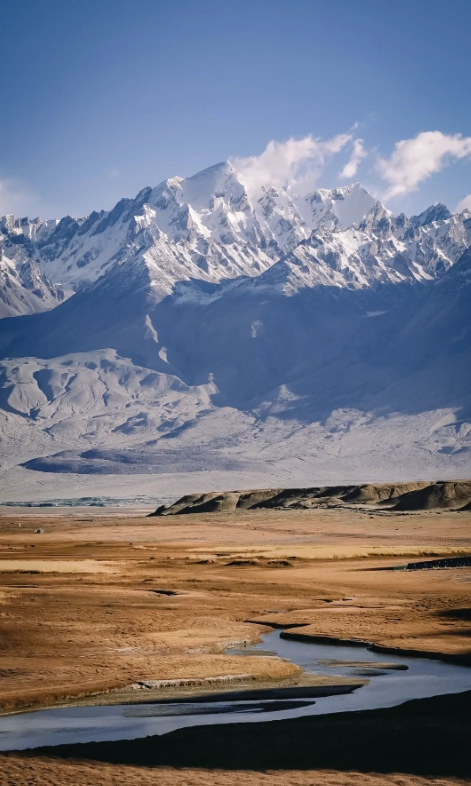
Why Spring in Kashgar Can Be Tricky (and Beautiful)
Most people imagine Kashgar as a scorching desert town, but spring is actually the sweet spot... if you know what you're doing.
Weather Rollercoaster
The good news: From late March to early May, the apricot trees around the Pamir Plateau explode into pink clouds. The temperatures hover around 15-25°C during the day, which is perfect for exploring the Old City on foot.
The not-so-good news: The wind. I mean the dust wind. In April, the Tarim Basin often gets sandstorms that can reduce visibility to a hundred meters. I've had clients who packed only linen shorts and had to buy a scarf and goggles at the local bazaar.
The Apricot Blossom Window
Another thing most guides won't tell you: Uyghur New Year (Nowruz) usually falls on March 21st. The Old City holds celebrations, but many small shops close for a few days. If you want to witness traditional dancing and food stalls, it's fantastic. If you wanted a quiet museum walk, you'll be disappointed.
So the trick is to lean into spring's unpredictability. Treat the dust as part of the experience, and you'll leave with photos no summer traveler can get.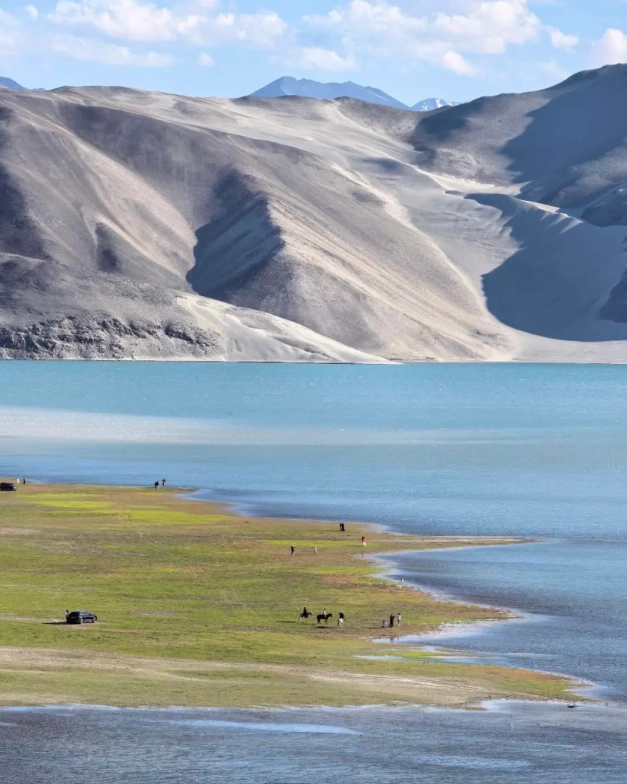
What Should I Pack for a Spring Trip to Kashgar?
First things first: a proper dust mask. Not those thin surgical ones — get an N95 or at least a reusable one with a valve. The fine desert sand gets everywhere, and I've seen tourists coughing like crazy after an afternoon in the Old City.
Here's my packing list for every spring client:
- Layers: Mornings start chilly (5-10°C), but afternoons can hit 25°C. A light down vest or fleece jacket is a lifesaver.
- Sunglasses and a hat: The sun is deceptively strong at this altitude.
- Lip balm and moisturizer: The air is bone-dry. Your skin will crack if you don't use them.
- Comfortable shoes: You'll walk on uneven cobblestones in the Old City. No heels, please.
- A printed map or offline map: Once you're inside the Old City, phone signals get weak. Download offline maps from Apple Maps or AMap.
- A small bottle of water: You can refill from your hotel, but street vendors often sell bottled water for 2-3 RMB.
And yes, bring a light rain jacket. Spring showers are rare but can appear without warning.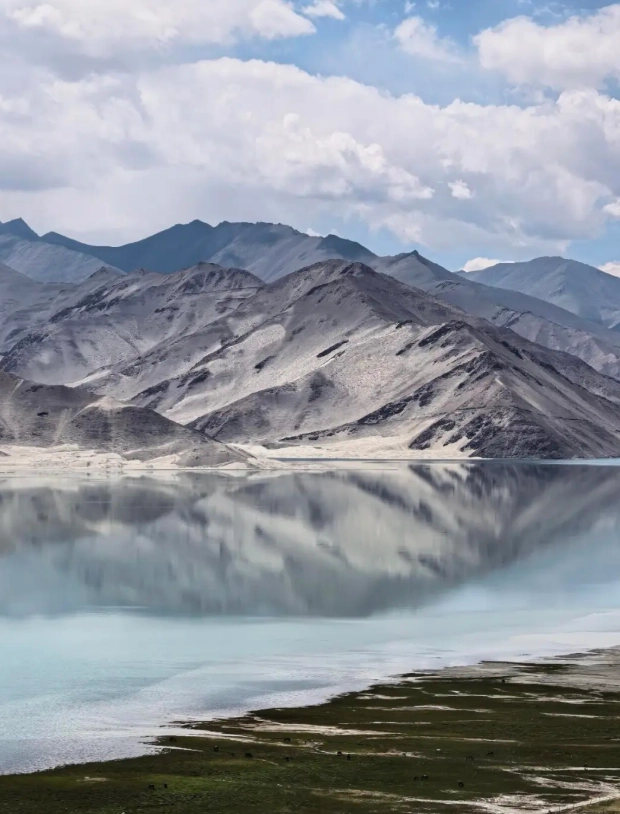
How Do I Pay and Navigate in Kashgar?
Now, let's talk about the elephant in the room: payments.
Most Uyghur shops, even in the Old City, prefer Alipay or WeChat Pay. As a foreigner, you can use these if you've set them up with your international card. But you'll hit two problems:
- Linking an international card to WeChat Pay is a pain. You need to go through the "wallet" verification, sometimes with your passport. It works, but it can take 30 minutes.
- Some small stalls only have a personal QR code. If your Alipay is linked to a bank card, it works. But if it's only a balance-based account, you might run into limits.
Here's what I do with my groups: I ask them to withdraw cash from an ATM first (Bank of China ATMs usually accept Visa/Mastercard), and use a mix of cash and mobile payments.
For navigation: Google Maps is nearly useless in Kashgar — it shows wrong bus routes and often mislabels buildings. Use Apple Maps (which uses GPS and has English names) or download AMap Global if you can. I always screenshot the Uyghur/Chinese address and show it to the taxi driver.
And don't forget: you need a VPN to access Google, Instagram, etc., in China. Do this before you arrive; trying to install one on Chinese Wi-Fi is a nightmare.
Most importantly, for booking attractions: Even though the Old City doesn't need a reservation, some sites like the Id Kah Mosque require a passport to buy a ticket. You can buy most tickets on the spot, but for things like the Karakul Lake day tour, it's easier to book through Trip.com or Klook — they'll take your passport details and arrange transportation.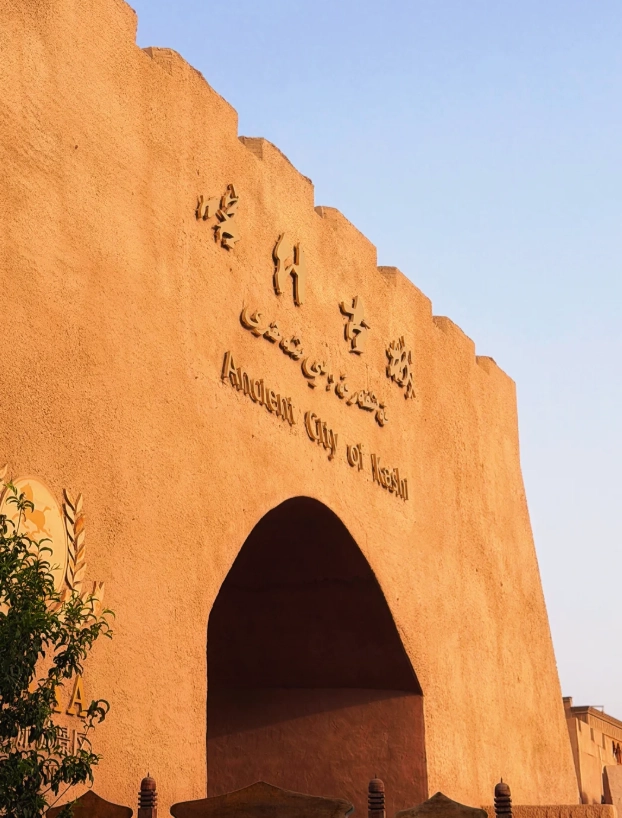
Pro Tip: If you're not on WeChat, ask your hotel's front desk to help you book amenities. Most will call the attraction or use their own WeChat to reserve for you.
Kashgar Spring 3-Day Itinerary: My Go-To Plan
I've designed this itinerary around the spring weather — you'll start early when it's calm, and be indoors during the windiest part of the afternoon.
Assumption: You're staying in the Old City area and have two full days plus a half day. We'll also include a Plan B for a sandstorm day.
Day 1: Old City & Grand Bazaar
8:30 — Start at the East Gate of the Old City. This is the one with the big arch. The guard often does a short ceremony at 9:00, but it's not scheduled — just go.
9:00-11:30 — Wander through the Old City. I always tell my groups to skip the main alley and slip into the pottery lane (look for the Uyghur pottery workshop). You'll see women baking naan and carpenters carving wood.
11:30 — Grab a nan from a street-side tandoor. My favorite is the one near the Bazaar gate; they add a lot of sesame butter.
12:00 — Head to Id Kah Mosque (visit before lunch, because the area gets crowded after noon). Entrance is about 30 RMB for foreigners, but confirm at the gate. You'll need to show your passport.
13:00 — Lunch at Kashgar Old City Cafe (see food section).
14:00-16:00 — History of Kashgar Museum. It's small but air-conditioned (not always, but usually) and quiet. This is my Plan B on dusty afternoons.
16:30-18:00 — Walk down Ayding Luk Road (the main shopping street) to the Kashgar Grand Bazaar. It's less touristy than you'd think. Just bargain in Uyghur if you can.
19:00 — Watch the sunset from the Old City's west side wall — you can climb it near the Quranic school.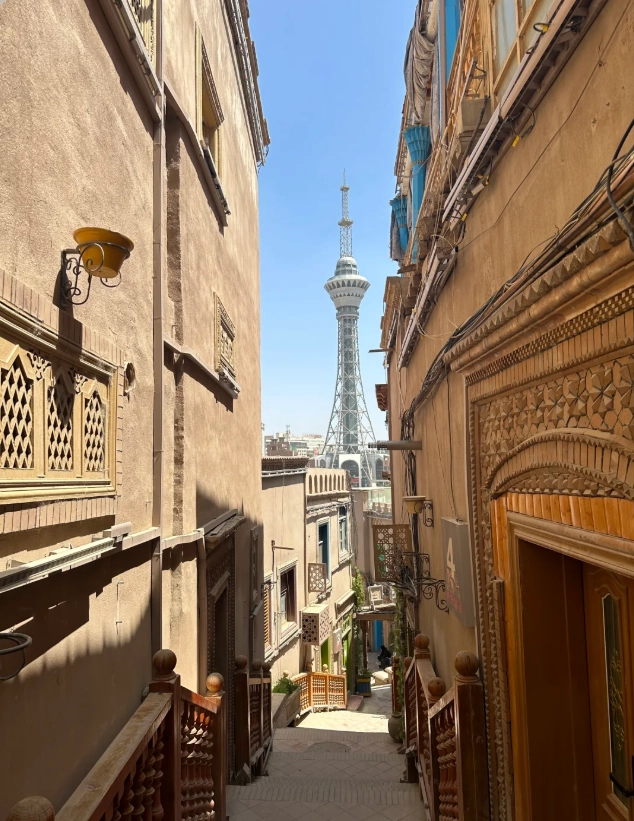
Day 2: Karakul Lake & Pamir Highway (full day)
7:30 — Pickup from your hotel (book through Trip.com or your hotel). The drive to Karakul Lake takes about 3 hours, and the road is bumpy.
10:30 — Arrive at Karakul Lake. In spring, the lake may still be partially frozen. The surreal part is the reflection of Kongur Tagh mountain. There are no real restaurants, so bring snacks.
13:00 — Return drive. Stop for lunch in Oytak (a valley with a small kiosk serving superb lamb skewers).
17:00 — Back in Kashgar city. Rest or get a massage at your hotel.
19:30 — Dinner at a rooftop restaurant overlooking the Old City.
Day 3: Half-day — Sunday Livestock Market is on this day, by the way.
If your trip includes a Sunday, go to the Sunday Animal Market (also called Bazaar). It's at the edge of town. 8:00-12:00 is the liveliest. Taxi from the Old City should cost 20-30 RMB. It's chaotic, but it's one of the most authentic experiences I know.
If it's not Sunday, use the morning to revisit any corners of the Old City you might have missed. Then, pack up.
Plan B for Sandstorm Days
If the wind kicks up, do the Kashgar Museum in the morning, then take a cab to Kashgar New City and visit the Yakub Beg Fort (a short walk from the main square). Or just hang out at a chaykhan (teahouse) like the one at the end of Uzan Alley. Trust me, locals do that too.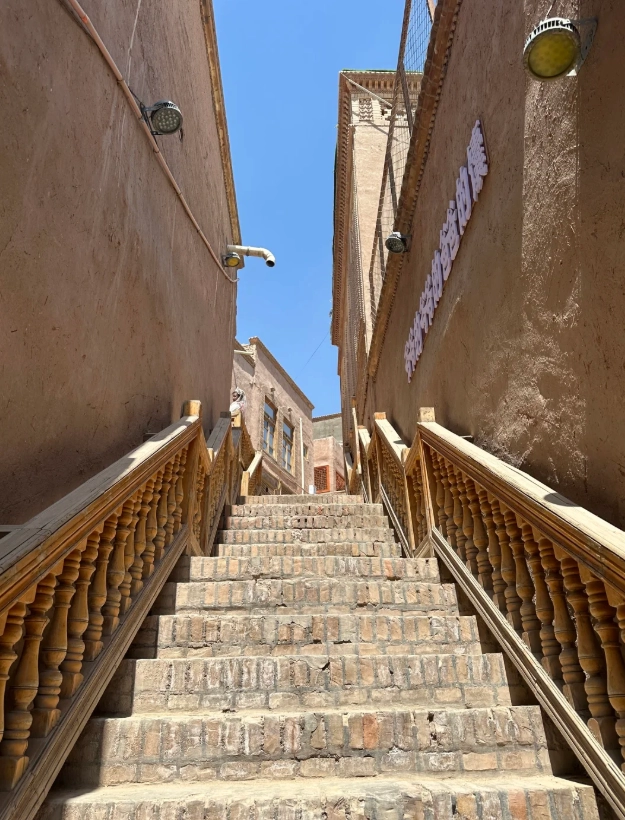
Top Kashgar Attractions to See in Spring (With Real Prices)
Below is my quick-reference table for spring visits. Prices can wiggle, so treat these as guidelines — and always carry your passport.
| Attraction | Address | Ticket (Foreigners) | Booking Required? | Open hours | Best Time to Visit | Notes |
|---|---|---|---|---|---|---|
| Kashgar Old City | Main entry: East Gate, Ayding Luk | Free | No | Open all day, but official "gates" open 9:00-22:00 | 9:00-11:30 | Watch for closed gates after 21:00 |
| Id Kah Mosque | 221 Ayding Luk Rd | About 30 RMB | No, but passport needed | 8:30-13:30, 15:00-18:00 | 9:30-11:00 | Women are allowed, but dress modestly |
| History of Kashgar Museum | 20 Xuefeng Rd, Old City | Free | No | 10:00-18:00 (closed Mondays) | 14:00-16:00 | Small but with English captions |
| Karakul Lake | Pamir Highway, 150 km east of Kashgar | ~50 RMB gate fee | Yes, tour or car | Day trips only | 10:00-13:00 | Weather can change fast; bring gloves |
| Sunday Animal Market | North of city, on the way to Kargilik | Free | No | Sundays 8:00-13:00 | 9:30-11:00 | Actually it's a livestock market, not an animal zoo |
Caution: The Old City has multiple "gates" but they're decorative. The real entrance points are just passages. Don't be fooled by touts selling "special access" — the Old City is truly open to all.
Where to Eat in Kashgar This Spring (Uyghur Food Guide)
Kashgar is famous for its food, and spring means fresh herbs and lamb. Here are my go-to spots that I take every group to:
1. Uyghur Kitchen (Li Duo Restaurant)
Address: 12 Tiyan Road. It's a step above street food but still authentically local. Try the dapanji (big plate chicken) with hand-pulled noodles. Prices: 25-40 RMB per dish. Google Maps shows it, but the sign is in Uyghur. Look for the painted blue entrance.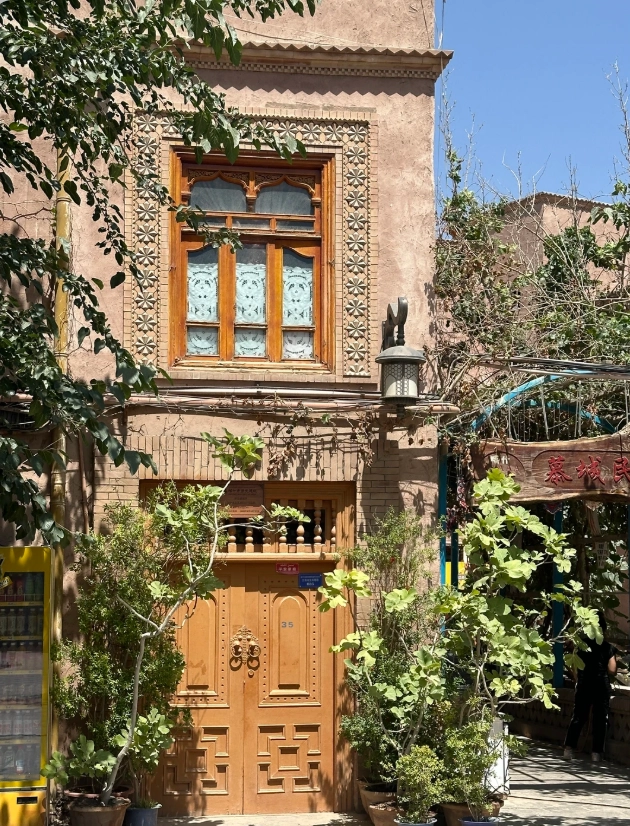
Pro Tip: The dish is spicy, but you can ask for "not spicy" (nah-nah). They don't have English menus, but they'll bring you to the kitchen to point at ingredients.
2. Chaykhan Roast Lamb (Abudu Roast Lamb)
Address: 49 Jie Fang Bei Lu. This place only serves two things: lamb skewers and naan. The skewers are 8 RMB each. It's a tiny storefront with a tandoor blazing. I always order 10 skewers and a piece of naan. There's no seating, so you'll eat on the street while locals watch you — that's part of the charm.
3. Old City Cafe
Address: 5 Asif Alley. This is my pick for lunch because it's got Western comfort food too (think fried eggs and bread) but they also make a mean laghman noodles. If you're craving non-spicy, this is your place. Most dishes are 35-60 RMB. It has a lovely courtyard.
One warning: Some restaurants add high "foreigner price" if you're not paying attention. Always glance at the prices on the wall or ask to see the menu before ordering. If you feel cheated, you can politely show the price written on the board.
Kashgar Spring Travel Tips: FAQ
Here are the questions I get asked the most on spring tours:
Kashgar Spring Travel Tips: Final Words from a Local Guide
Spring in Kashgar isn't for everyone. But if you're willing to navigate a few dusty days and a broken Google Maps, you'll see a side of Xinjiang that most tourists miss. The apricot blossoms around Karakul Lake are worth every grain of sand in your shoes.
One last piece of advice: don't overplan. Some of my best memories in Kashgar came from wandering into a random alley and being invited for tea by a local family. Spring is still low season, so the hospitality is even warmer.
I hope these Kashgar spring travel tips keep you one step ahead. Get out there and enjoy the land of sunshine and dust.
This content has been fact-checked to ensure informational precision.





No comments yet.