 Jian Zhao
In a Hurry? Here’s What This Guide Covers
- Best Kashgar Itinerary: The 3-Day Route I Use with My Clients
- How Should You Prepare for a Kashgar Itinerary? (Passport, Pay, Navigation)
- What Should You Eat on a Kashgar Itinerary? (Insider Food Picks)
- Where Should You Stay for a Kashgar Itinerary? (Hotels vs. Homestays)
- Common Questions About Kashgar Itineraries, Answered
- Final Checks Before You Follow This Kashgar Itinerary
Here’s the thing about Kashgar: your GPS will fail you, your bank card will get declined, and your favorite travel app will point you to a ghost town. But this is also the city where I’ve watched tourists cry at the Sunday animal market—not from the dust, but from the sheer heartbeat of a living Silk Road. After leading dozens of groups through Kashgar, I’ve perfected a best Kashgar itinerary that avoids the heat, the scams, and the generic backpacker loops. It packs the Old Town’s winding alleys, the legendary animal bazaar, and enough local flavor to make you forget the jet lag. In short: if you follow this route, you’ll see the real Kashgar without losing your mind—or your money.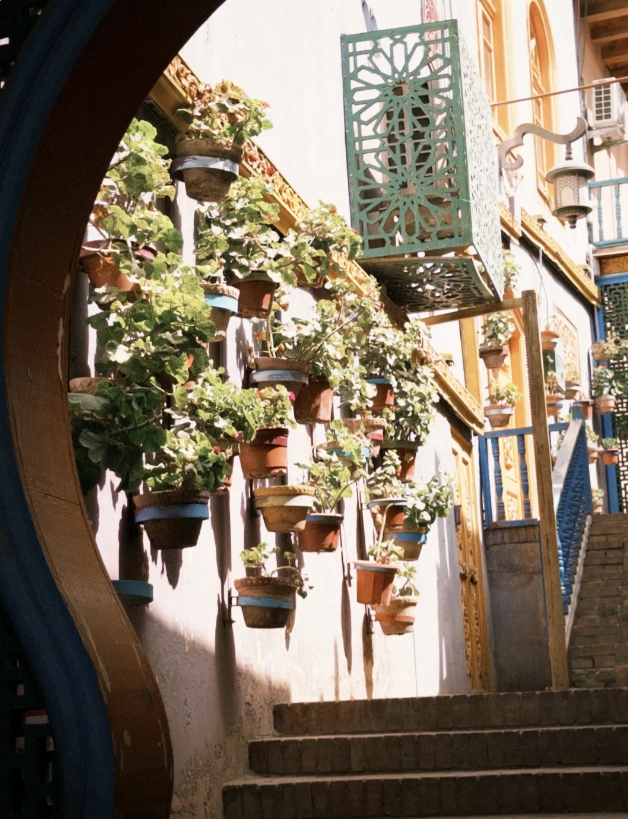
Best Kashgar Itinerary: The 3-Day Route I Use with My Clients
The itinerary I’m about to give you is not the tourist-brochure version. It’s the one I’ve tested with real groups over the years, adjusting for the inevitable heat, fasting schedules, and surprise sandstorms. This 3-day plan balances bucket-list sights with rest stops and local hangouts—and it works for slow travelers, too.
Day 1: Old Town, Id Kah Mosque, and Handicraft Bazaar
Start your trip inside the Old Town, not the main entrance gate. Most visitors start at the East Gate, but I prefer dropping clients off at the West Gate (Jiefang Bei Lu) because the official tour guides often charge for the East Gate bridge view—and the West Gate lets you walk directly into the residential alleys without the photo crowd. Wander the maze of lanes, watch copper smiths hammering, and keep an eye out for houses decorated with vivid blue and turquoise tiles. The famous “100-year-old teahouse” is here, but if you want a real cup of morning milk tea, duck into one of the tiny vegetarian noodle shops near Jinshan Lu instead—locals eat there, not tourists.
Next, head to Id Kah Mosque, the largest in Xinjiang. It’s open to visitors, but you can’t enter the prayer hall during prayer times (12:30–14:00 and 17:00–19:00 generally). The courtyard is enough for most people; the best photo spot is from the small side street east of the mosque, where the yellow walls and carved door frames catch golden light in late afternoon. Tickets are around 20 RMB (3 USD), and yes, you’ll need your passport to buy the ticket at the window. Skip the main road that leads straight to the mosque—it’s packed with junky souvenir shops. Instead, cut through the Friday Bazaar alley for a more authentic feel.
After the mosque, walk to the Handicraft Bazaar (like a small street market near the Old Town). This is where I lose people for 40 minutes—in a good way. Look for hand-hammered copper teapots, Uyghur embroidered hats, and the famous Kashgar knives (but note: knives cannot be shipped abroad or taken on a plane, so only buy small ones as unverifiable luggage items). Practice your bargaining: start at 50% of the asking price, then meet in the middle. The sellers are kind but never admit to being the first price you offer.
For lunch, I always take clients to Naan Man, a tiny eatery at the junction of Aoruoqiang Lu and Minzhu Lu. The lamb-shank naan (like a stuffed bread pocket with fat, juicy lamb and onions) costs 15 RMB, and it’s messy enough to require wet wipes. The shop is shaded, but it’s hot in summer—order a cold yogurt drink (savat) to cool down. If you want a proper sit-down meal, go to Eskaner Restaurant (Kashgar’s classic for laghman noodles), but expect a bit of a language barrier. Just point at a photo.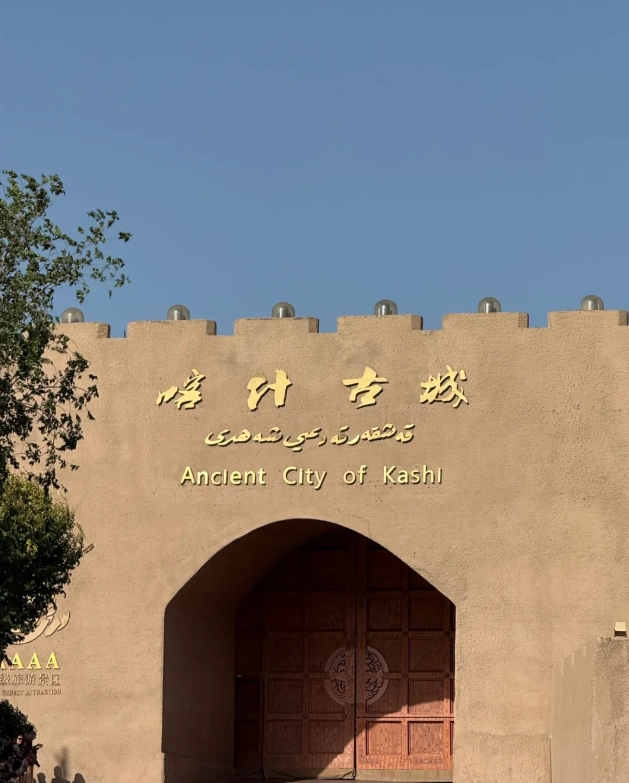
Day 2: Sunday Animal Market and Grand Bazaar
Sunday is the big day. The Sunday Animal Market (also called the livestock bazaar) happens from around 8:00 a.m. to 2:00 p.m., and you must arrive before 9:30 a.m., or you’ll miss the chaotic, dusty dealmaking. It’s about 6 kilometers from the Old Town. I always take a taxi (about 20 RMB) or a shared minivan from the Public Security Bureau stop. Tell the driver “Yengi Bazaar” and they’ll know. Once inside, keep your backpack in front—the crowd is solid. Watch the traders laugh, spit, weigh sheep, and occasionally grab a donkey’s ear. This is the single most, authentic experience in Kashgar—I’ve seen grown tourists cry with emotion here.
From the animal market, take a 10-minute taxi to the Grand Bazaar (Zhonghua Bazaar). It’s more orderly, with rows of dried fruits, spices, and Turkish-style lamps. The bazaar is actually a collection of small markets—one aisle for nuts, one for carpets, one for musical instruments. Don’t buy anything fragile here unless you can carry it on the plane. For good price on saffron, look for stall number 214, a tiny shop run by a family from Khotan. They’ll test your cash note under a UV light, but don’t be offended—it’s normal.
For dinner, I beg you to skip the tourist riverfront restaurants and head to Besh Qazaq (Beshek Kazak) near the Old Town’s north exit. This is where local Uyghur families go for big bowls of beef and turnip soup, served with hand-pulled noodles. The soup is fragrant with star anise and cardamom; it costs about 25 RMB per person. In the evening, there’s usually a group of guys playing dutar (a long-necked lute) at the corner—eat slowly and listen.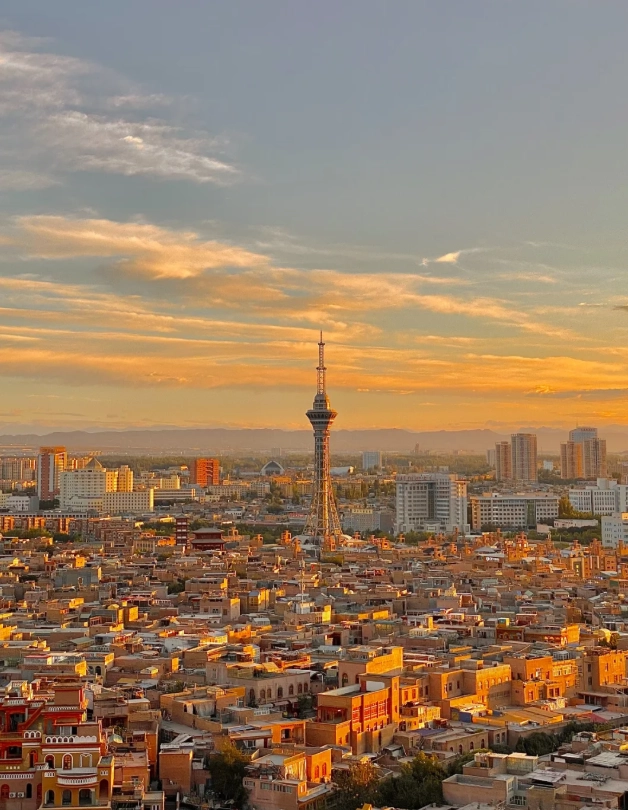
Day 3: Karakul Lake Day Trip (or A Few Alternatives)
If you can pull off the permit and have a whole day, the 4-hour drive to Karakul Lake is a must. The lake sits at over 3,600 meters (11,800 feet) below the snow-capped Kongur and Muztagh Ata peaks, and the clarity is absurd. You’ll need to arrange a private car or join a day tour; the permit is handled by your hotel or a local agency. Prices vary, but expect to pay around 350–450 RMB per person for a group tour (excluding meals). The drive itself is jaw-dropping—you’ll stop at the stunning Sand Mountain (on the left side of the road, no fee) and the brown Kyrgyz settlements. Pro tip: bring motion sickness pills if you get carsick—the road winds dramatically.
Don’t have an extra day or don’t love lakes? Here are two solid Plan Bs:
- Shipton’s Arch: A 20-meter-high natural arch about 50 km northwest of Kashgar. Offers great hiking and fewer crowds than the lake.
- Tashkurgan Town: (If you have 2 days) The ultimate frontier town on the border with Tajikistan, with the remnants of a stone fortress and epic Pamiri scenery. Requires a border permit.
How Should You Prepare for a Kashgar Itinerary? (Passport, Pay, Navigation)
I have lost count of how many clients turned up tired because they thought they could just “figure it out” when they arrived. Kashgar is not like Beijing or Shanghai—digital infrastructure works differently here, and ahead-of-time preparation saves hours of frustration.
Passport and Booking Everywhere
Almost every attraction requires your passport for booking; physical tickets are often not sold at the gate. For Id Kah Mosque, you can buy a ticket at the official window with your passport, but for the Karakul Lake day trip, the permit must be processed by a local travel agency at least one day in advance. Your hotel can usually arrange this. For Old Town, you don’t need a ticket to walk, but some alleys are gated and require a free registration—just show your passport at the entrance and they’ll scan it.
Book onward flights and any key tours via Trip.com or Klook, as they support foreign credit cards and have English interfaces. Don’t attempt to use Chinese-only apps like Ctrip without Chinese literacy. When booking tours online, read the reviews carefully—many are designed for Chinese groups with no English guide. I always recommend hiring a local English-speaking guide through your hotel for at least the first day; it costs around 250 RMB and saves you from being lost.
Payment: Cash Is King Here (Mostly)
Here’s the catch: Kashgar is still a predominantly cash-based economy for local stalls and taxis, despite China’s mobile payment dominance. While some larger restaurants and shops accept Alipay or WeChat Pay, many family-owned naan bakeries and street vendors do not accept cards or mobile payments at all. I always carry at least 500 RMB in cash per person, per day. ATMs are plentiful near the Old Town (Bank of China and Agricultural Bank), but if you’re relying on international cards, triple-check that they work—I’ve seen Glacier Bank ATMs reject Visa, while China Merchants Bank works fine. When you withdraw, use an ATM inside a bank branch, not a street machine; the latter are often broken or unmonitored.
For taxis, have your destination written in Chinese plus a backup phrase in Uyghur. Drivers rarely speak English, and many are not familiar with Google Maps. I advise downloading an offline map (Maps.me and Baidu Maps support this) and having your hotel’s business card available. The WeChat mini-program for taxis works, but setting it up requires a Chinese bank card, so just use the “cash” button on DiDi (if you can register) or stick to hailing taxis on the street. A ride inside the Old Town area rarely exceeds 15 RMB.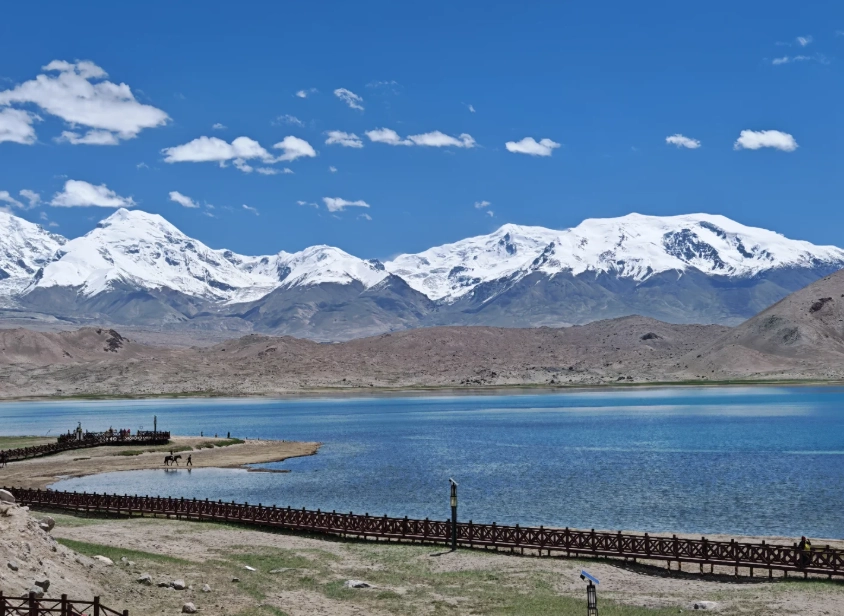
Navigation: Google Maps Will Lie to You
Google Maps in China often shows the right roads but fails with walking directions inside the Old Town’s maze. Use Apple Maps or Alta (AMap) – both work reasonably in English. However, the most reliable way is to ask locals or just get lost on purpose. I always tell clients to look for the Uyghur writing on houses; in the Old Town, most residential lanes are named after the dominant craft. The locals are incredibly friendly—if you look lost, someone will offer to walk you to a main street. But you must be careful with motorcycle taxis: some drivers will quote prices 3 times the norm for foreigners. Agree on the fare before getting on, and if they say “money” without a number, walk away.
What Should You Eat on a Kashgar Itinerary? (Insider Food Picks)
Food in Kashgar is the closest thing to the real Silk Road experience. You will eat hand-pulled noodles, drink buttery tea, and nibble on the world’s best apricots without even realizing it. But let me guide you away from the tourist traps and into the places I actually visit with my own family.
Must-Eat Dishes (and Where to Find Them)
- Laghman (hand-pulled noodles): Thick noodles stir-fried with lamb, green peppers, and generous garlic. Head to Eskaner Restaurant near the Id Kah Mosque; it’s been going for over 40 years. The largest bowl costs 25 RMB and easily feeds two. Brag right—the staff will slap the noodle dough on the counter to shape it.
- Kashgar-style pilaf (polo): Caramelized carrots over rice, topped with a hunk of lamb, often cooked in a giant wok. Try Polo Heaven at the corner of Serdarhane Street, but only between 11 a.m. and 2 p.m.—it sells out by 3.
- Samosa (samusa): These are not fluffy Indian samosas—they’re triangular, filled with spiced lamb and onion, and baked in a tandoor. The best ones I’ve found are from a stall in the Grand Bazaar’s rest area, near stall 58. They’re 2 RMB each and dangerously good.
My Personal Restaurant Shortlist
| Restaurant | Signature Dish | Avg. Cost per Person | Payment Accepted | Vibe |
|---|---|---|---|---|
| Naan Man (Aoruoqiang Lu) | Lamb-stuffed naan | 15 RMB | Cash only | Street-side stools, locals everywhere, open for lunch |
| Eskaner Restaurant | Laghman, fried chicken | 35 RMB | Cash, Alipay, WeChat Pay | Traditional Uyghur hall, no English menu—show photos |
| Besh Qazaq (Old Town North) | Beef and turnip soup | 25 RMB | Cash only | Cozy family-run spot, evening music jam |
| Silk Road Garden | Mixed kebab platter | 60 RMB | Cash, card | Nicer setting, good for groups, but slightly touristic |
Insider advice: For breakfast, look for a street cart selling fresh naan and warm yogurt—the naan is best within 10 minutes of the tandoor. Also, don’t be afraid to ask for “extra chili” at any restaurant; the Chinese-style powder chili is mild and adds a smoky flavor, not intense heat.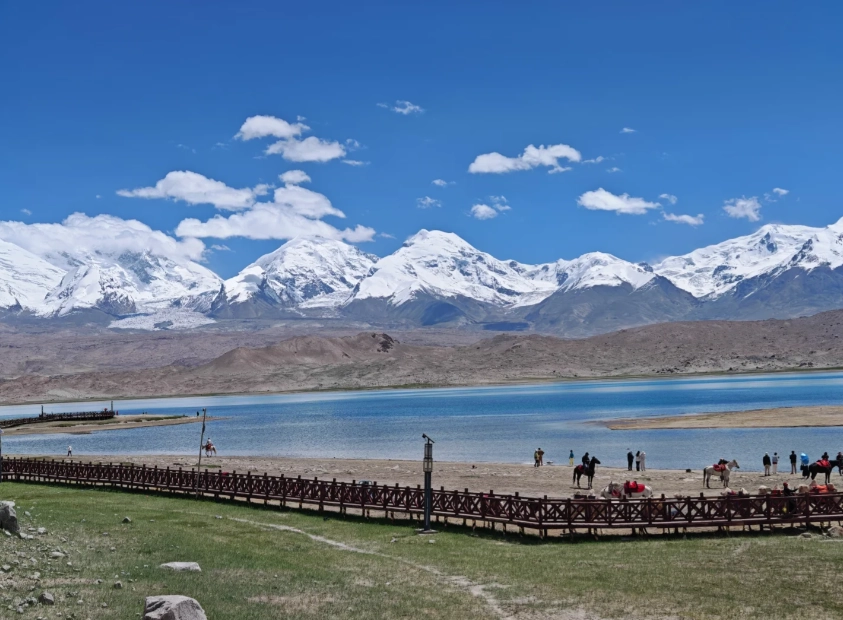
Where Should You Stay for a Kashgar Itinerary? (Hotels vs. Homestays)
Your base decision can make or break your trip. Stay inside or near the Old Town if you want to feel the pulse; stay on the east side of the railway station for easier logistics if you have early trains. I’ve stayed at many places, and here’s how the typical racket breaks down.
| Hotel Name | Location | Distance to Old Town | Price (per night) | Best For | Key Facilities |
|---|---|---|---|---|---|
| Kashgar Old City Inn | Inside Old Town | On-site | 150–300 RMB | Budget backpackers, photographers | Wi-Fi, courtyard, luggage storage, bike rental |
| Iparhan Manor | Bouth district | 10-min taxi (15 RMB) | 350–600 RMB | Couples, mid-range | AC, quiet rooftop, breakfast, front desk speaks basic English |
| Hilton Kashgar | East side, near Karakoram Hwy | 20-min taxi (25 RMB) | 600–900 RMB | Business travelers, luxury seekers | Restaurant, fitness center, elevator, credit card |
| Kashgar Royal Hotel | Old Town east gate | 5-min walk | 400–700 RMB | Families, convenience | Elevator, breakfast buffet, helpful staff |
For homestays, always confirm if they have a lift (elevator) before booking, as many traditional houses are 3 or 4 floors with narrow stairs. Also, ask if they accept cash—some budget homestays only take mobile payment, which is a nightmare for foreigners. I always check the Wi-Fi speed in reviews; consistent internet matters more than you think when you need to upload photos and contact your guide.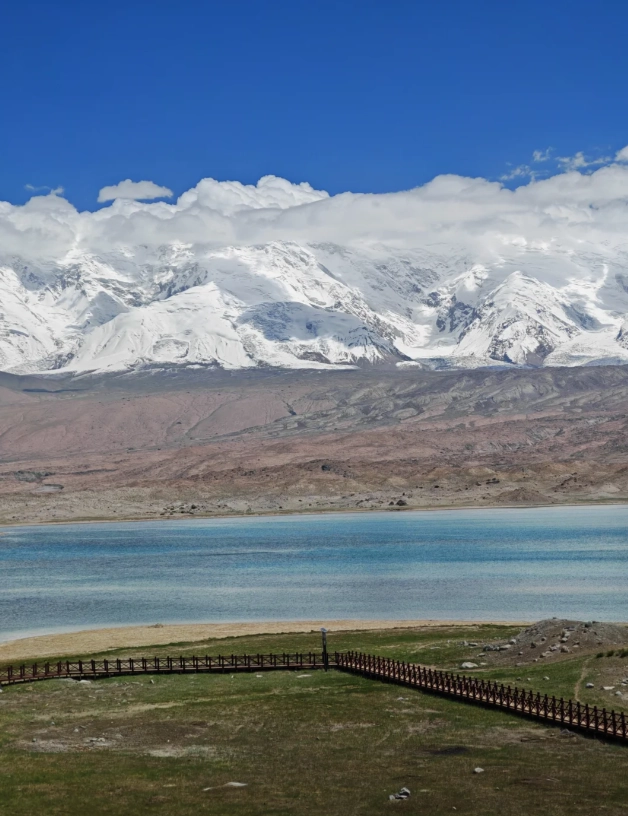
Common Questions About Kashgar Itineraries, Answered
Is Kashgar safe for Western tourists? Is there any extra government surveillance or restrictions?
Kashgar is a special administrative region with a visible police presence. You’ll see security checks at malls and tourist sites—that’s normal. For foreigners, there’s no curfew, but carrying your passport at all times is essential, as random checks happen. The local Uyghur and Han residents are incredibly welcoming to visitors; the biggest safety issue is traffic—motorcycles are everywhere, and drivers don’t always stop at crosswalks. Look both ways, twice.
Can I use the same itinerary if I have only 2 days in Kashgar? What should I cut?
If you only have 2 days, drop the Day 3 lake trip and focus on Old Town + Animal Market. On Day 1, skip the Handicraft Bazaar in the afternoon (it’s repetitive) and instead take a 2-hour evening walk along the Tuman River to catch local families picnicking. On Day 2, go to the Animal Market early, then do the Grand Bazaar. That gives you a solid taste without rushing. I often send clients on a short 2-day plan if they’re connecting through Kashgar—they don’t regret it.
What time of year is best for following this itinerary?
April to June and October are ideal—temperatures are moderate, and the sky is clearer. July and August are scorching (35°C+), and the Sunday market can turn into a dusty oven. Winter (November to March) is freezing, but you’ll have the Old Town to yourself, and the animal market is less crowded. If you’re sensitive to heat, book for April or October, and start outdoor activities at sunrise. I always carry an umbrella for shade—it works better than a hat here because the sun is intense even in May.
Do foreigners need a special permit or travel agency for the Karakul Lake day trip?
Yes, you need a Frontier Region Pass (often called a military permit). It’s free but requires your passport and a small application form. Your hotel or any local tour agency can arrange it overnight. Some independent travelers have hitchhiked without the permit, but if you get caught, you’ll face a fine and a forced return. Don’t risk it—pay for the tour, which usually includes the permit processing.
Final Checks Before You Follow This Kashgar Itinerary
You’ve got the plan, but let me give you that last nudge that no blog tells you.
- Download translation apps: Apple Translate supports Mandarin, but it doesn’t have Uyghur. The useful trick is to check for Baidu Translate’s offline pack before you go—it will help with both Chinese and basic Uyghur.
- Set up a VPN before you land. If the WiFi drops, you can still send messages to your home coordinates. I recommend Astrill or ExpressVPN—they’re the only ones that work reliably.
- Pack modest clothing. While it’s not required, covering shoulders and knees in the Old Town and near mosques gets you more respect from locals, and it protects your skin from the sun.
- Carry business cards from your hotel in both Chinese and Uyghur. Hand one to any taxi driver if you’re lost.
Kashgar isn’t a beach resort; it’s an ancient, dusty, soulful place that jolts you out of your routine. Follow this itinerary, stay flexible, and let the city surprise you. If you can, skip one touristy meal and eat a simple samosa on a street corner—that’s where the magic sits.





No comments yet.