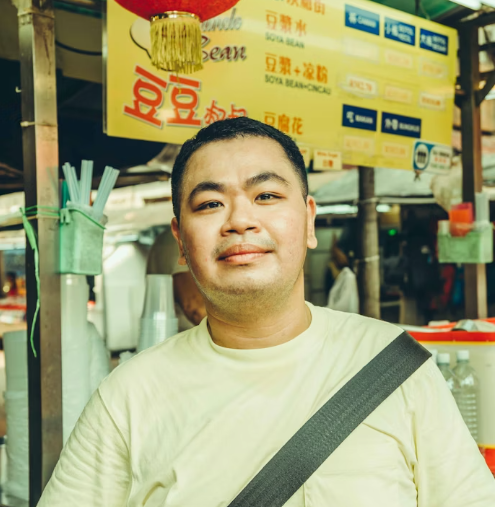
 Peng Gao
What's Inside This Guide
Let me be real. Kashgar Old Town will confuse you. But that's exactly why you'll love it.
I've led countless tours here, and every single time, someone gets lost in the alley maze. That's fine — getting lost is part of the experience. But you don't want to miss the best spots because you were staring at a useless map.
This Kashgar Old Town English guide is the condensed version of what I tell my clients. It covers everything from booking tickets to eating like a local without speaking a word of Chinese.
Here's the biggest insider tip: the old town itself is free to enter. You don't need a ticket. What you do need is a decent pair of shoes and a fully charged phone.
Now, let's dive into the details.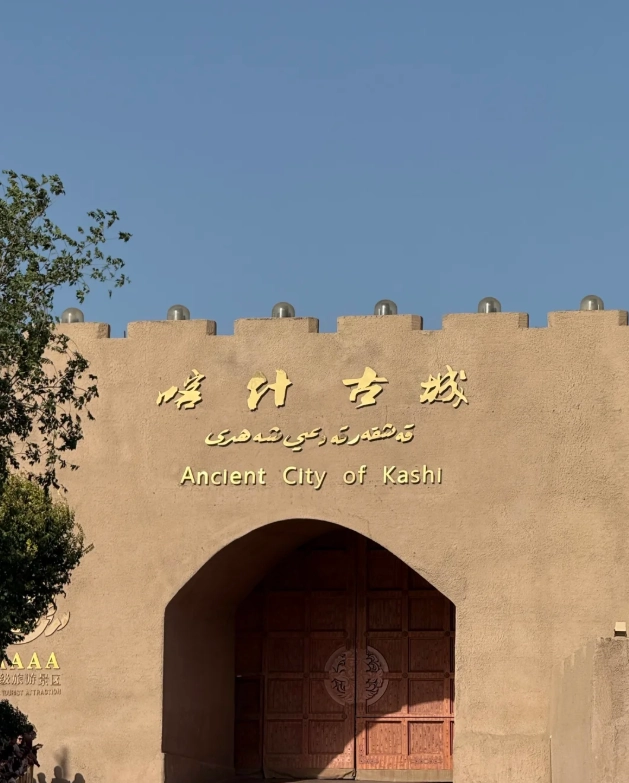
Why Visit Kashgar Old Town?
Kashgar Old Town is one of the most intact ancient cities on the Silk Road. It's not a Disneyfied replica — people actually live here, and the walls have centuries of stories baked into them.
Walking through the winding alleys, you'll see Uyghur architecture with ornate wooden balconies, local craftsmen hammering copper, and the smell of spiced lamb wafting from street-side grills. It's a living museum that you can touch, taste, and hear.
I remember the first time I took a family here. The kids were amazed by the centuries-old mud-brick houses, and the parents couldn't stop photographing the colorful ceramic tiles. Even after our schedule was delayed, we stayed an extra hour because everyone was so engrossed.
But it's not just about looks. The old town is the heart of Kashgar's Uyghur culture. You'll hear the call to prayer from the Id Kah Mosque, see traditional Uyghur instrument makers in their tiny shops, and maybe get invited for a cup of tea by a friendly local. That's the magic this place holds.
How to Get to Kashgar Old Town
Most travelers fly from Urumqi to Kashi Airport (KHG). The flight takes around 2 hours, and tickets usually cost between 600 and 1,200 RMB. From the airport, the old town is about 30 minutes by taxi (around 30-40 RMB).
If you're on a budget, there's a railway from Urumqi. The overnight train is an adventure in itself, but it takes 20+ hours, so unless you have time to burn, I'd skip it. Trains arrive at Kashgar Railway Station, and a taxi to the old town costs about 20 RMB.
Once you're near the old town, the East Gate is the most popular entry point. It's imposing and photogenic. But remember, taxis are cheap in China. If you want to avoid the crowd, ask your driver to take you to the West Gate instead. Locals prefer it, and the vibe is more relaxed.
Getting Around Inside the Old Town
Inside the old town, the only way to get around is on foot. The alleys are too narrow for cars, and that's what makes it so charming. Be prepared to walk at least 3 to 5 kilometers in a day. Wear comfortable shoes!
If you need a break, there are plenty of little tea houses and shaded courtyards. Don't hesitate to sit down and have a cup of chai for a dollar. The people are incredibly welcoming, and sometimes the best experiences happen when you stop rushing.
Kashgar Old Town: Tickets, Opening Hours & Advance Booking
The old town itself is completely free to enter. There's no gate charging admission — you can walk in any time, 24/7. However, some indoor attractions within the old town, like the Id Kah Mosque or certain heritage museums, do charge a small fee (usually 20-50 RMB). These usually close around 6 PM, so plan your visits accordingly.
For most travelers, you won't need to book anything in advance. But if you want to visit the cultural performances or some of the niche museums, it's safer to book through an English-friendly platform like Trip.com or Klook.
You must carry your passport with you at all times. In Xinjiang, security checks are common, and you'll be asked for it at hotels, train stations, and sometimes at tourist sites. It's not a big deal, but losing it would ruin your trip.
Pro Tip: Always carry a photocopy of your passport and visa separately from the original. This has saved my clients more than once when they accidentally left their passports at the hotel.
How to Navigate Kashgar Old Town Without Getting Lost (and Without Chinese)
Google Maps is not reliable in China. Instead, download AMap Global (also known as Gaode Maps) before you arrive. The international version has an English interface and works surprisingly well. Apple Maps also works, but AMap is the local's favorite.
Set your phone to download the offline map of Kashgar while you're still on Wi-Fi. Inside the old town, the narrow alleys can make GPS a bit wonky, but offline maps help you get a sense of direction.
Use Landmarks, Not Street Names
Street names in the old town are for postal purposes only — locals won't know them. Instead, commit landmarks to memory: the tall minaret of Id Kah Mosque, the golden dome of the Old Town Tea House, or the colorful dome-covered bazaar. Use these to orient yourself.
If you do get lost, don't panic. Every exit eventually leads to the main road. You can also use a translation app to show "I want to go to the East Gate" to a local, and they'll probably walk you there. In my experience, people are incredibly kind — I've had a shopkeeper close his shop to help me find a restroom.
Set Off Before Noon
I always tell my clients to explore the old town before noon. Not only is it cooler, but the light is better for photos, and the crowds are thinner. After 2 PM, tour groups start pouring in, and the narrow lanes feel packed. If you're someone who hates crowds, this is your golden hour.
What to Eat in Kashgar Old Town: A Local's Food Guide
No trip to Kashgar is complete without butchering a piece of lamb on a stick. The old town is packed with food stalls and small restaurants. As a guide, I've tried almost all of them — here's my honest list of must-tries.
First, go for the kebab (羊肉串). These are not the tiny sticks you see elsewhere in China. Here they're big, juicy, and seasoned with cumin and chili flakes. Your job is to find a stall with smoke rising and people waiting — follow the smoke, not the signs.
Next, try polo (抓饭), a fragrant rice dish cooked with carrots, onions, and chunks of lamb. It's simple, but the oil and sweetness from the carrots make it addictive. There's a spot near the East Gate that's always crowded with locals, but honestly, any busy place is a good bet.
And don't skip the samsa — baked lamb dumplings with a flaky crust. They're perfect as a midday snack, especially when paired with tea.
For dessert, grab some kashgar walnut cake from the ancient street bakeries. It's dense, sweet, and travels well — a great souvenir too.
Important: Cash is still king at many food stalls. While larger restaurants accept Alipay and WeChat Pay, small vendors usually take cash only. Carry a stack of 10 and 20 yuan notes.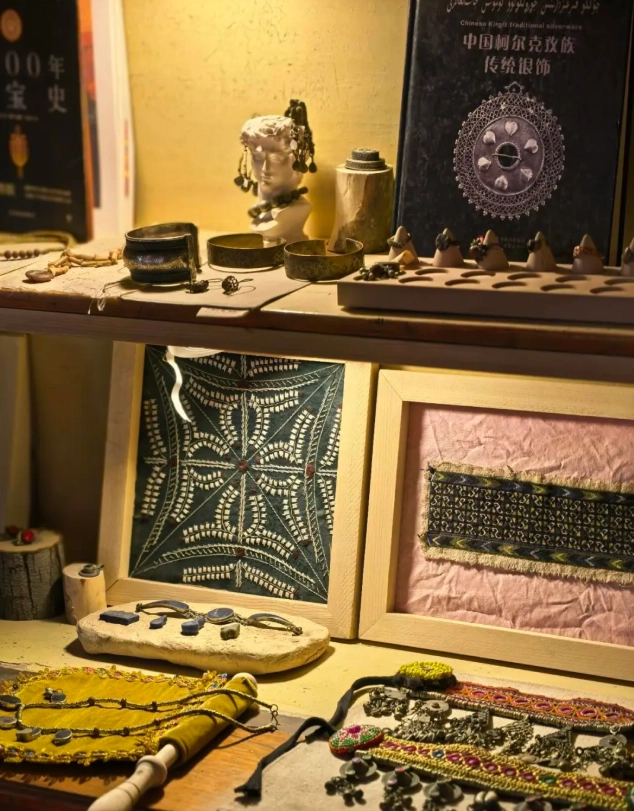
Where to Stay Near Kashgar Old Town
Staying inside the old town immerses you in the atmosphere but sacrifices comfort. Most guesthouses are beautifully decorated, but they're traditional buildings — expect thin walls and shared bathrooms. Outside the old town, you'll find modern hotels with better amenities.
Here's a quick comparison to help you decide:
| Accommodation Type | Location | Price Range (per night) | Best For |
|---|---|---|---|
| Boutique Guesthouse | Inside Old Town | 200-400 RMB | Culture lovers, photographers |
| Mid-Range Hotel | Just outside the East Gate | 300-600 RMB | Families, comfort seekers |
| Budget Hostel | Near the main square | 100-200 RMB | Backpackers, solo travelers |
I personally recommend a guesthouse inside the old town for a full sensory experience. Yes, the toilets might be squat-style, and the walls might be thin, but waking up to the sound of birds and the smell of freshly baked naan from downstairs is worth it.
A Self-Guided Walking Route Through Kashgar Old Town
This route takes about 3-4 hours and covers the must-see corners of the old town. Start early, wear sunscreen, and bring a small notebook to sketch your impressions — you'll want them later.
- East Gate (10:00 AM): Start at the grand East Gate. The architecture is Instagram-worthy, but the area is packed with tourists. Instead of lingering, walk straight ahead into the narrow alleys.
- Kashgar Old Town Tea House (10:30 AM): Head to the famous Kashgar Old Town Tea House for a pot of spiced tea. The balcony views are fantastic, and you'll see locals playing dominoes.
- Copper Alley (11:00 AM): Wander toward the copper bazaar. Craftsmen hammer traditional copper jugs to life. Listen carefully — the rhythm is mesmerizing.
- Id Kah Mosque (11:45 AM): Visit the largest mosque in Xinjiang. Remember to dress modestly and avoid prayer times (around 1:30 PM on Fridays).
- Lunch Break (12:30 PM): Grab a cheap and delicious noodle lunch at any of the busy stalls near the mosque. Ask for "laghman" — a hand-pulled noodle dish.
- West Gate & Sunset (2:00 PM): If you still have energy, walk to the West Gate. The lane here is less crowded, and you can watch the sunset from the ancient walls.
Alternative route for slow travelers: Skip the West Gate and instead find a rooftop café near the tea house to watch the sunset. Many guesthouses offer rooftop access — just ask your host.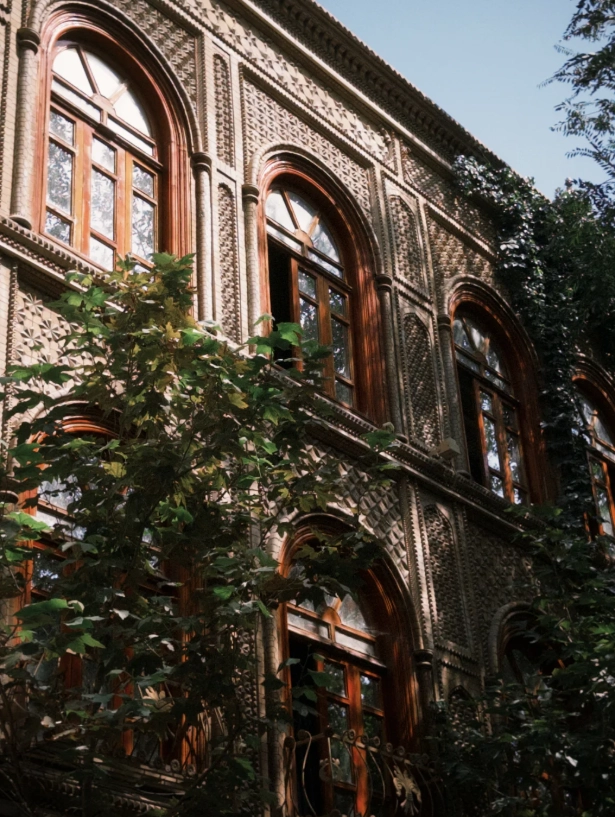
Common Mistakes Tourists Make in Kashgar Old Town (and How to Avoid Them)
Here are the errors I see almost every week. Avoid them and you'll have a smoother trip.
- Relying on offline Google Maps: It's wrong. Download AMap Global.
- Wearing slippery shoes: The cobblestone alleys get dusty and oily. Wear closed-toe sneakers.
- Missing the early morning light: The alleys look magical with long shadows. Set your alarm for 7 AM.
- Forgetting your passport: Security checks can happen anywhere. Keep it in a money belt, not your back pocket.
- Taking a "taxi" without a meter: Negotiate the fare BEFORE getting in, especially from the airport.
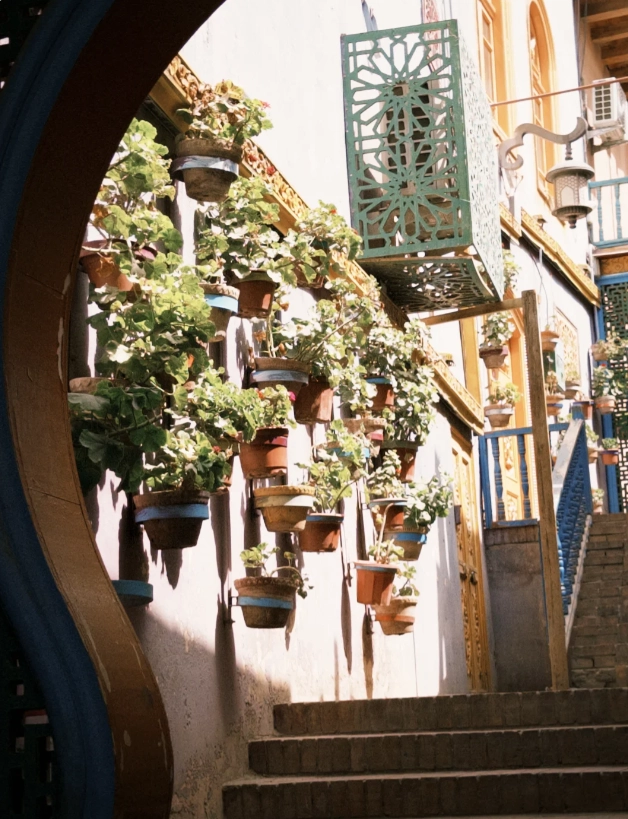
Pro Tip: Learn three Uyghur words: Rahmat (thank you), Kachan (how much?), and Khotan (yes). Locals appreciate the effort, and you'll get better prices at the bazaar.
Frequently Asked Questions: Kashgar Old Town for English Speakers
Here are the questions I get asked the most as a tour guide:
Final Thoughts
Kashgar Old Town is not just a sightseeing stop; it's an experience you'll carry with you. The chaos, the colors, the smells — it's a living, breathing piece of history. Following this guide will help you avoid the usual pitfalls, but leave room for spontaneity.
Take a wrong turn, chat with a tea seller, and let the town surprise you. That's the real magic.
Verified and fact-checked by the editorial team.





No comments yet.