 Tao Xu
- Why This Reserve Is a Must for Wildlife Photographers
- The 5 Best Photography Spots Inside the Reserve
- How to Get to the Reserve: Transport, Tickets, and Permits
- When to Shoot: Timing and Seasons for Perfect Light
- My Favorite Camera Gear and Settings for Langur Photos
- Photography Rules and Ethics: Don’t Mess With the Langurs
- Common Mistakes and How to Avoid Them
- A Sample One-Day Photography Itinerary
- FAQ: Quick Answers for Your White-Headed Langur Trip
I nearly gave up on photographing white-headed langurs. Three days of scoping empty tree branches. Then a ranger, half amused, led me to a cliff side I would never have found alone. The rest is what this guide is about.
The White-headed Langur National Nature Reserve is not a zoo. It’s a wild karst landscape in Guangxi, where one of the world’s rarest primates, the white-headed langur, swings between limestone cliffs. You won’t find many international tourists here, which is a shame because the photography potential is off the charts.
But for the unprepared visitor, this place can be a headache. Mobile payments are the norm, WeChat mini-programs for tickets are only in Chinese, and Google Maps will leave you circling a mountain. That’s exactly why I wrote this guide. I’ll show you the exact spots I use on my tours, the best times to shoot, and the gear that turns a frustrating trip into a dream portfolio.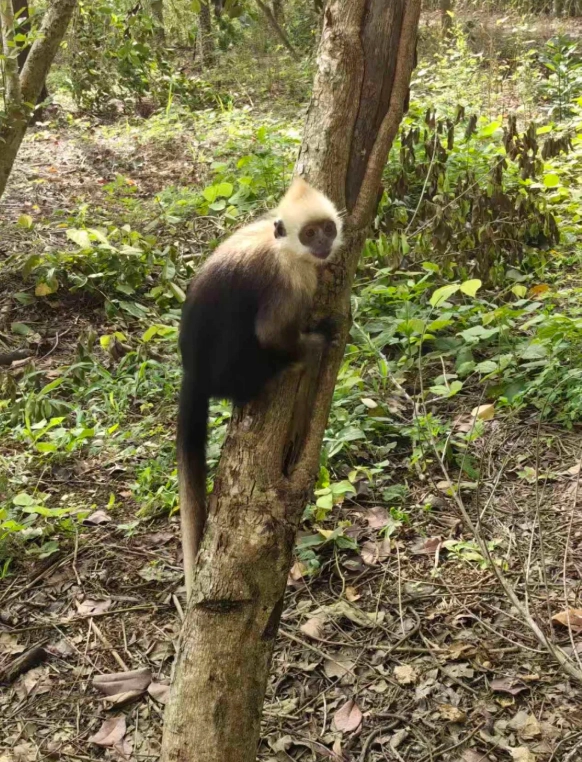
Why This Reserve Is a Must for Wildlife Photographers
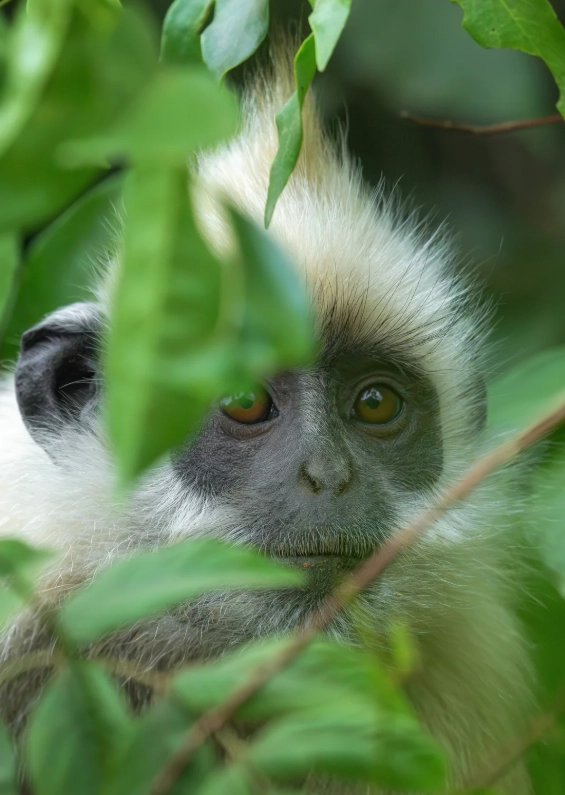
The white-headed langur is a celebrity in the primate world. With its black body and a shocking crown of white fur, it looks like an elderly gentleman wearing a bad toupee. It’s so rare that the global population is just over a thousand — more than half of them live in this reserve alone.
For photographers, the appeal goes beyond the animal. The reserve is set in a dramatic karst landscape — limestone towers, hidden caves, and emerald valleys. When you do wait out the monkeys, you often get them framed against these dramatic rock formations. It’s a combination that works for both wildlife and landscape work.
Unlike many reserves in China, this one isn’t a zoo-like enclosure with paths full of selfie sticks. The langurs live wild. That means the reward is massive, but so is the difficulty. You need patience, local knowledge, and a little bit of luck.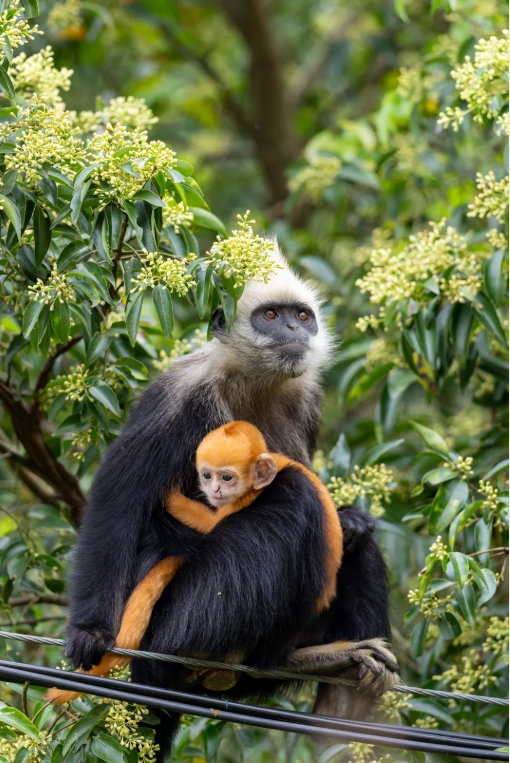
The 5 Best Photography Spots Inside the Reserve
These aren’t official names — I’ve given them nicknames for easy reference, and every local ranger will understand if you show them a photo.
| Spot (My Nickname) | Best Time | Lens Needed | Accessibility | Difficulty |
|---|---|---|---|---|
| The Cliff Kiss | 7 a.m. – 9 a.m. | 400mm minimum | Short walk from Patrol Road | Easy |
| The Morning Corridor | 6:30 a.m. – 10 a.m. | 500mm or zoom | Requires ranger permit | Moderate |
| The Bamboo Vista | 4 p.m. – 6 p.m. | 200-400mm | 10-min hike from East Gate | Moderate |
| The Pool of Mirrors | 9 a.m. – 11 a.m. | 100-400mm | Near the wetland hide | Easy |
| The Sunset Ledge | 5 p.m. – 7 p.m. | 300mm+ | Only with guide | Hard |
1. The Cliff Kiss
This is where I take every first-time visitor because it’s the most reliable spot in the reserve. A family of langurs has been roosting on this rocky face for years. It’s a short walk from the patrol road, so you don’t need to hike deep. Arrive before 7 a.m. to catch the family moving out to feed. The light is golden and the cliff gives you a clean background.
2. The Morning Corridor
If you want the iconic shot of a langur silhouetted against a karst tower, this is it. The corridor is a pinch point between two limestone walls. Langurs cross it almost every morning, but the area is interior and requires a ranger permit. A local ranger can guide you there for a small fee — always book via the reserve office or your guesthouse. Use a 500mm lens because the opposite cliff is farther than you think.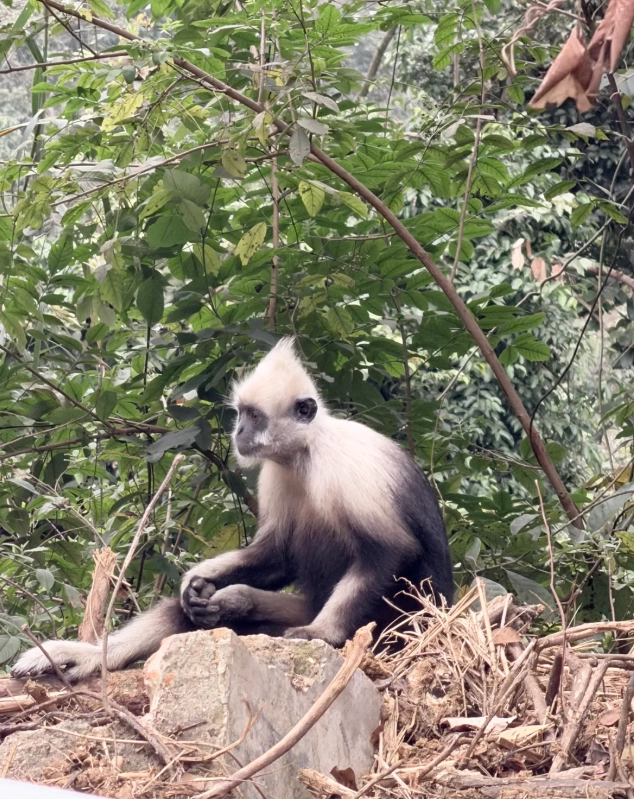
3. The Bamboo Vista
A hidden gem that most tour groups miss because it requires a tiny climb from the East Gate. The trail passes through bamboo groves, and at the end you get an open view of the valley. In the late afternoon, langurs often feed in the trees below the viewpoint. The light is warm and you don’t need a massive telephoto — a 200-400mm zoom is enough for close crops.
4. The Pool of Mirrors
This is the only place where you can photograph langurs with a water reflection in the frame. A small wetland pool sits near the hide. When the wind is calm, the surface mirrors the karst and the langurs come down to drink. Don’t move a muscle — they are wary. I like to arrive at 9 a.m. after the morning mist has lifted, which softens the background beautifully.
5. The Sunset Ledge
Reserved for those who love a challenge — and a dramatic backdrop. The ledge is high up, with a 200-meter drop behind it. Langurs sometimes gather here for the last feed of the day, but you need a guide to find it and to keep you safe. You’ll be shooting into the sun, so expose for the sky and silhouette the langur, or use a fill flash if allowed (it’s not always). Check with the ranger first.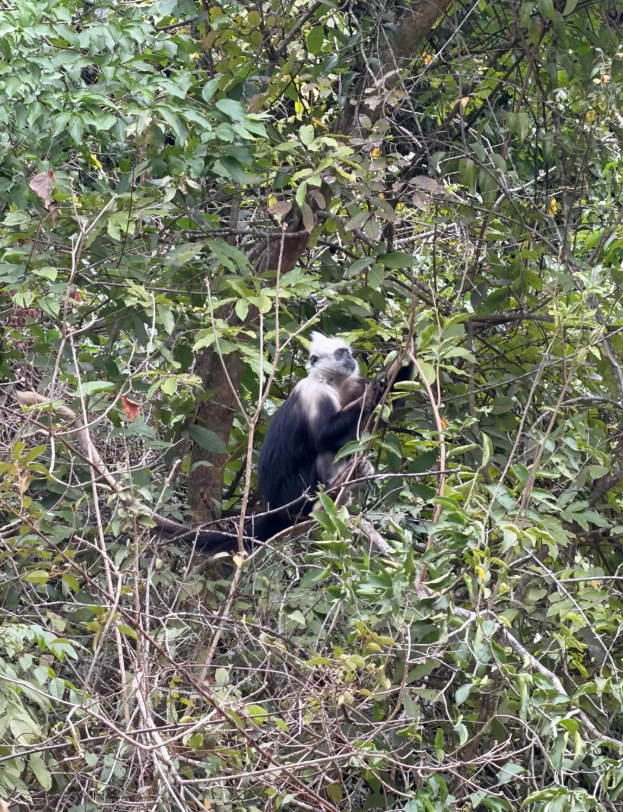
How to Get to the Reserve: Transport, Tickets, and Permits
This is where most foreigners get stuck — but it’s actually simple if you break it into steps. The reserve is located in Chongzuo, Guangxi. From Nanning, you can take a high-speed train to Chongzuo Station (about 50 minutes). Then, from Chongzuo, the reserve entrance is around a 40-minute drive.
Booking your entrance ticket — Most visitors need to book in advance. The WeChat mini-program is in Chinese, which can be a nightmare. Your safest bet is to ask your hotel to book it for you, or use Trip.com if they offer it. You’ll need your passport number. Some areas, especially the interior zones, require a ranger escort. Reserve this at least two days in advance.
Getting around inside — The reserve is spread out. You can’t rely on Google Maps inside. I recommend using Apple Maps with the Chinese address, or download AMap Global before you go. For the rough paths, a local driver or ranger is invaluable. They know where the monkeys are, and their eyes are sharper than yours.
Payment and cash — Nearly everything inside accepts Alipay or WeChat Pay. Bring a smaller amount of cash as a backup, because the cable car or farmhouse lunch might not have card machines.
When to Shoot: Timing and Seasons for Perfect Light
If you have just one day, make your first shooting window around sunrise. White-headed langurs are most active in the first hours after dawn, then they settle down to rest during the heat. Another burst of activity comes late afternoon, just before sunset.
Season makes a big difference. November to April is the dry season, with clearer skies and more consistent light. May to October brings lush greenery but unpredictable rain. I’ve had brilliant sessions in both. Just avoid the summer peak when temperatures soar above 35°C — the langurs hide in the shade and so will you.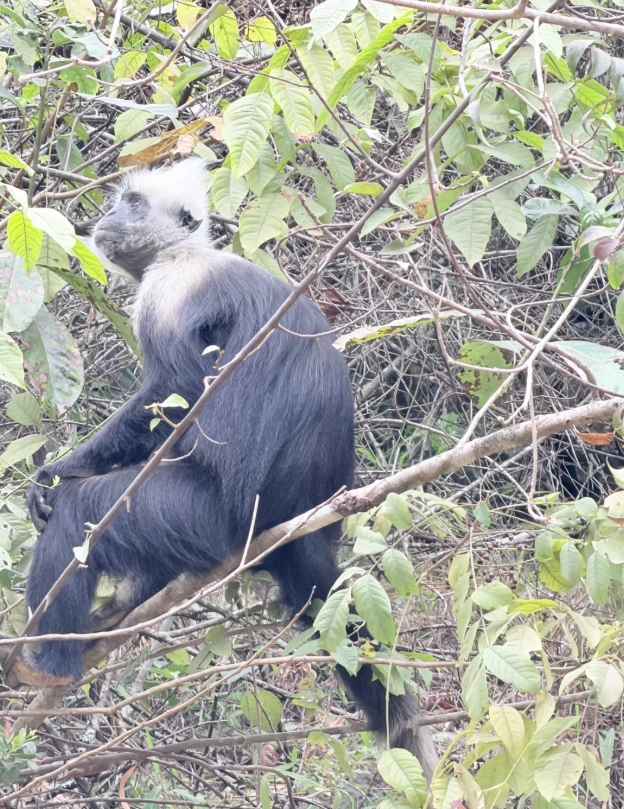
Pro Tip: Don’t waste a minute on the main tourist path at noon. The light is harsh, and the langurs are fast asleep. Instead, use that time to study the ranger’s logbook or take a siesta — your afternoon shoot will thank you later.
Here’s an insider tip that I don’t often share: the 30 minutes after a rainstorm is the magic window. The monkeys come out to groom, and the wet karst glistens like a coffee-table book. Keep your camera wrapped until the rain stops, then be ready.
My Favorite Camera Gear and Settings for Langur Photos
You don’t need a garage-full of lenses, but you do need reach. The langurs are small and shy; a 400mm lens should be your base. If you’re using a crop-sensor body, a 300mm will give you a similar frame. My personal setup is a full-frame body with a 100-400mm zoom, plus a 1.4x teleconverter for the distant cliff shots.
For settings, I almost never go below 1/500s. Langurs move fast, especially when jumping between branches. Use shutter priority or manual. Keep your aperture around f/5.6 to f/8 for sharpness. Raise your ISO freely — modern cameras handle noise well, and it’s better than motion blur.
Don’t forget a sturdy tripod. Not only for stability but also to hold your lens while you wait. I also carry a beanbag for low-angle shots in the grass. The last thing you want is to miss the perfect pose while fiddling with a loose tripod head.
Photography Rules and Ethics: Don’t Mess With the Langurs
These monkeys are critically endangered, and the reserve has strict rules to protect them. Keep a minimum distance of 30 meters. Never use flash — it startles them and can harm their sensitive eyes. Do not feed them, and never try to attract them with sounds or treats. The rangers have the authority to ban you from the reserve if you break these rules.
What about drones? In most parts of the reserve, drones are banned because they stress the animals. Always ask the office before you even switch on your drone. Some areas might allow it with a special permit, but don’t count on it.
I’ve seen photographers get so focused on the shot that they forget they’re standing on a fragile limestone shelf. Watch your footing. If you’re in a group, keep as quiet as possible. The langurs are used to humans, but a sudden shout will make them vanish for hours.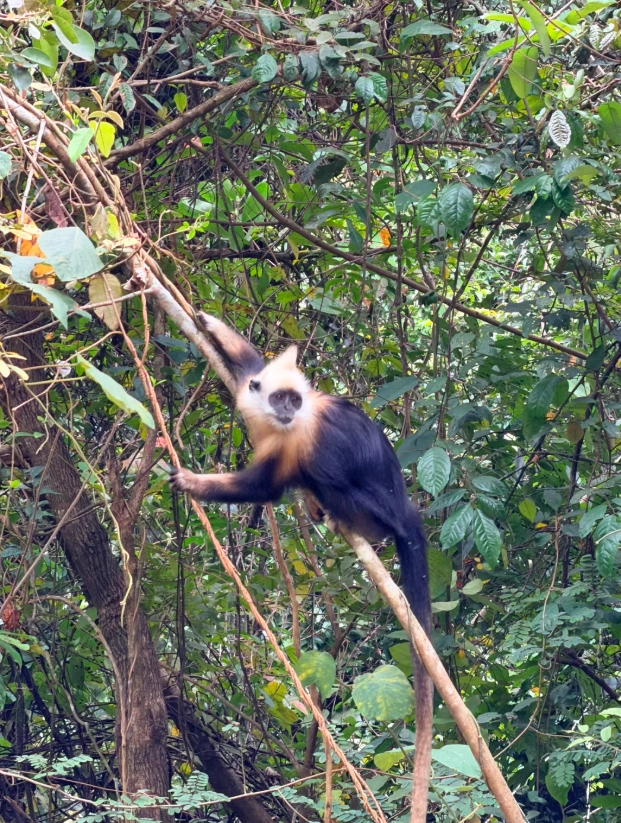
Common Mistakes and How to Avoid Them
The biggest mistake is planning without local help. Many visitors try to explore the reserve on their own, relying on Google Maps. That leads to hours of circling and zero monkeys. Hire a local ranger — it’s cheap and doubles your chances.
Another mistake is underestimating the size of the reserve. The distance between the East Gate and the core area can be 10 kilometers. Don’t think you can walk everywhere. Use the reserve’s shuttle if it’s running, or negotiate a price with a local driver before you start.
Also, don’t skip the training. Some travelers show up in sandals and expect to hike limestone slopes. Wear hiking boots with decent grip. And bring a waterproof cover for your camera — sudden downpours happen even in the dry season.
A Sample One-Day Photography Itinerary
Here’s a realistic day plan based on what I’ve done with countless clients. It balances shooting time, travel time, and your sanity.
- 5:30 a.m. — Leave your lodge or Chongzuo city. Aim to reach the reserve’s patrol road by 6:30 a.m. Grab a coffee and a local breakfast of rice noodles before you go.
- 6:45 a.m. — Start at The Cliff Kiss. The family should be active. Shoot until 9 a.m.
- 9:30 a.m. — Move to The Pool of Mirrors for the morning light and possible reflections. Take a break at the small pavilion nearby.
- 12:00 p.m. — Lunch at a farmhouse near the East Gate. Try the stir-fried wild greens (ask for no MSG if you prefer). Use this time to rest and hydrate.
- 2:30 p.m. — Hike to The Bamboo Vista. The langurs might be resting, but the landscape shots are worth it. Set up for late afternoon.
- 5:00 p.m. — If you have a ranger, head to The Sunset Ledge or The Morning Corridor (though it’s now "Sunset" for you). Otherwise, return to The Cliff Kiss for a second try.
- 7:00 p.m. — Pack up as the light fades. Get back to your accommodation for a hot shower and a relaxing dinner.
If you’re not the hiking type, skip The Sunset Ledge and add extra time at The Cliff Kiss and The Pool of Mirrors. For a rainy day, keep a backup plan: the reserve’s educational center has indoor exhibits about langur conservation — not ideal for photography, but a good way to learn the story.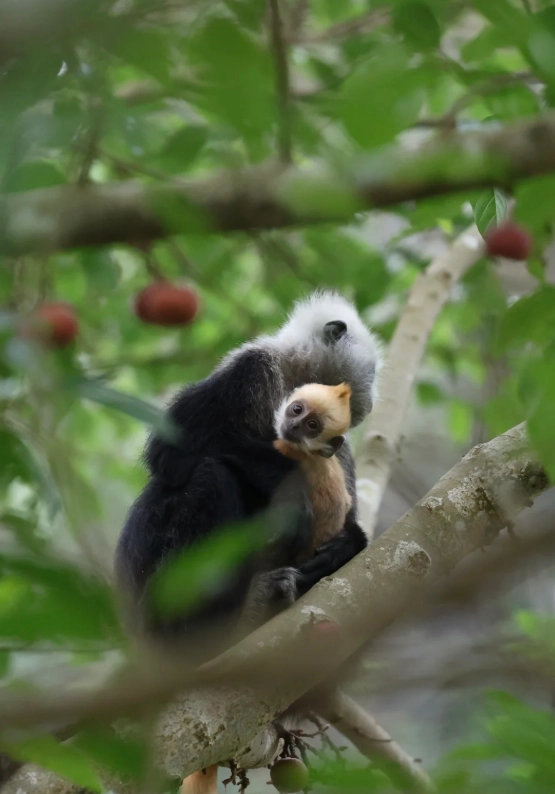





No comments yet.