 Tao Xu
What’s Inside
Ever been to a place so beautiful you wonder if it's real? That's Mingshi Countryside. I've been a tour guide in Guangxi for eight years, and this is the spot that makes even seasoned travelers go silent. But here's the catch — visiting at the wrong time can turn that dreamy landscape into a sweaty, crowded, and less-than-perfect experience. So, what's the best time to visit Mingshi Countryside? In this guide, I'll show you exactly when to go to catch the rice fields at their greenest, avoid the rain, and skip the tourist rush. Spoiler: autumn wins for photography, but spring has its own charm. Let's dig into the seasonal secrets.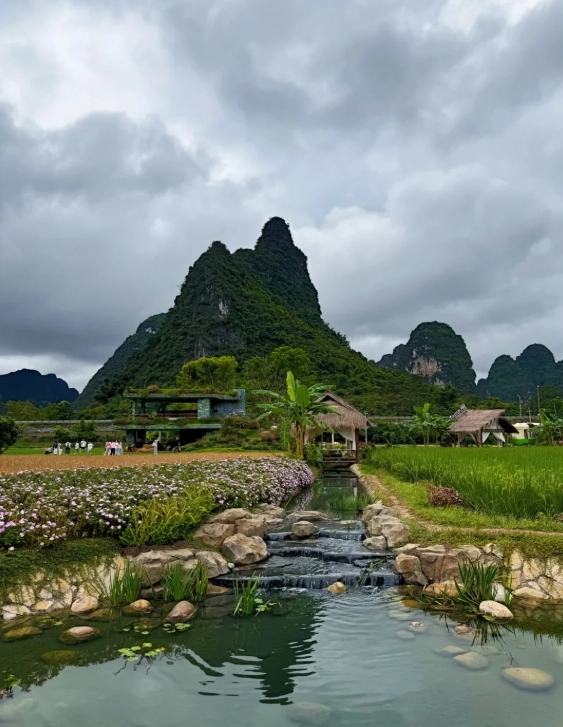
What Is the Best Time to Visit Mingshi Countryside?
After leading dozens of trips here, I can tell you the magic windows are mid-March to mid-April and mid-October to mid-November. During these months, the average temperature hovers between 18°C and 25°C, skies are mostly clear, and the scenery shifts from fresh green (spring) to golden rice paddies (autumn).
Why not summer? The monsoon season (May–September) brings daily downpours and sweltering humidity. I once got caught in a sudden thunderstorm in August — we were drenched within minutes, and the trails turned to mud. Winter (December–February) is dry but cold and often hazy; the fields are usually harvested and look barren.
But the best time isn't just about weather. It's about tapping into the local rhythm. In spring, you'll see farmers planting rice — the terraces mirror the sky in a way that's almost surreal. In autumn, the harvest creates a golden mosaic against the karst peaks. Travel during these windows and you'll capture the true essence of this countryside.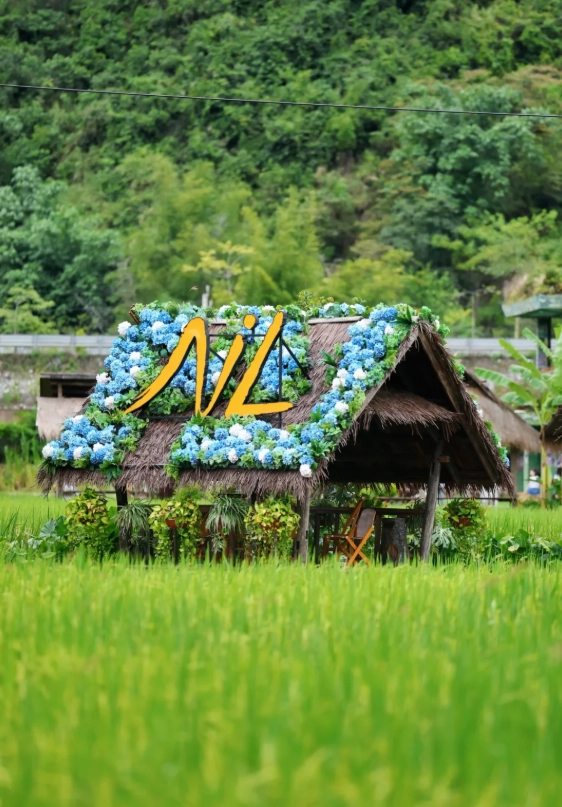
Month-by-Month Breakdown: Weather and Scenery at Mingshi Countryside
Here’s my personal breakdown, based on years of guiding trips. I’ve also included a quick-reference table below.
Spring (March–April)
The fields are freshly plowed and flooded, creating mirror-like reflections of the karst mountains. Temperatures are pleasant, usually 15–25°C. March can still see some drizzle, but April is drier. This is my pick for photographers who love reflection shots. Crowds are moderate, but weekends bring local tourists.
Summer (May–September)
Hot, humid, and unpredictable — this is the least comfortable season for most travelers. Temps often exceed 30°C, with RealFeel even higher. Afternoon thunderstorms are frequent, often lasting 1–2 hours. Rice fields are green but lush, though the dense heat can make exploring exhausting. If you come anyway, plan indoor backup activities like visiting nearby caves or the DeTian Waterfall on the border.
Autumn (October–November)
This is the golden season — literally. The rice ripens into golden waves, and the monsoon retreats. Days are warm (around 20–28°C), nights are crisp. October is peak season, especially during the National Day holiday (first week of October), when crowds explode. If you can manage late October to early November, you'll enjoy nearly empty paths and perfect light.
Winter (December–February)
Cold, quiet, and often overcast. Daytime temps range from 8–15°C, with occasional frost. The fields are bare, but there’s a certain serenity here. If you prioritize solitude over scenery, winter works — just pack a warm jacket.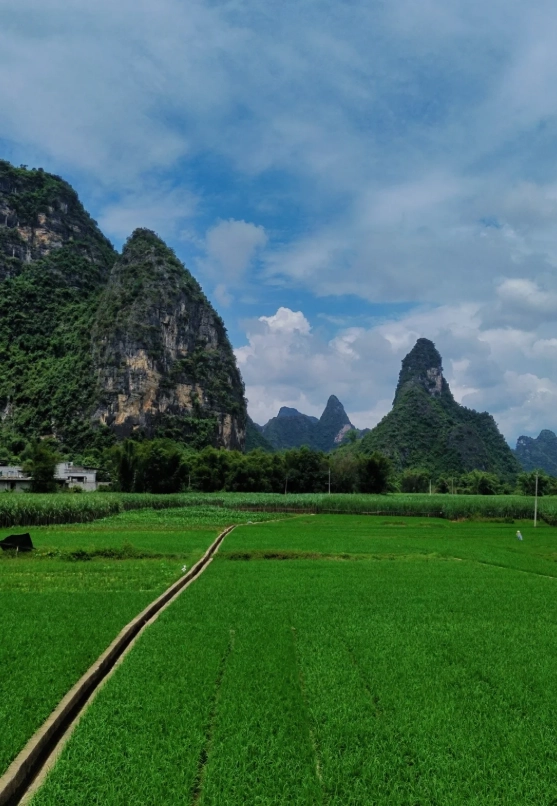
| Month | Weather | Scenery | Crowd Level | What to Do |
|---|---|---|---|---|
| Mar | Mild, some rain | Planted fields | Moderate | Photography |
| Apr | Warm, drier | Green rice shoots | Moderate | Boating, cycling |
| May | Hot, storms | Lush green | Low | Waterfall visits |
| Jun | Hot, rainy | Lush green | Low | Indoor activities |
| Jul | Hot, humid | Lush green | Low | Early mornings |
| Aug | Hot, storms | Lush green | Low | River floating |
| Sep | Cooler, less rain | Golden ripening | Low | Sunset views |
| Oct | Pleasant | Golden harvest | High (holidays) | Harvest festivals |
| Nov | Mild, dry | Golden to bare | Moderate | Photography |
| Dec | Cool, dry | Bare fields | Low | Quiet walks |
| Jan | Cold, hazy | Bare fields | Low | Local culture |
| Feb | Cool, occasional rain | Pre-planting | Low | Pre-spring views |
This table is based on my observation over the years. Always check current weather forecasts before booking.
How to Experience Mingshi Countryside in the Best Season
Getting here is only half the battle — the trick is making the most of your daylight. Here’s how I optimize a day trip, especially during the ideal seasons.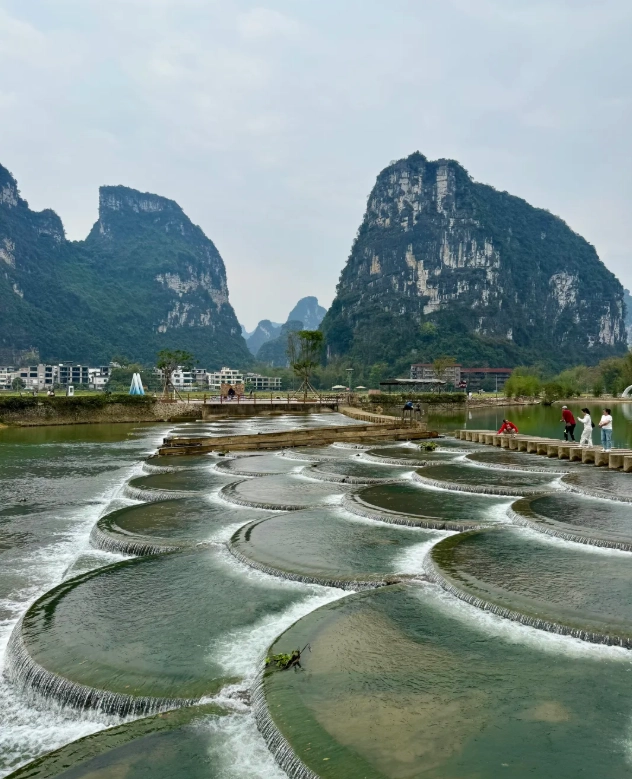
Start Early for the Morning Mist
Between 7:00 and 9:00 a.m., the valley is often filled with a mystical mist. This is the money shot for photographers. The local bamboo raft ride starts at 8:30, so grab a seat early to glide through the mist before the sun burns it away.
Rent a Bicycle or E-bike
Cycling along the Ming River is the best way to feel the countryside’s pace. Rentals are available near the entrance for about 20–30 RMB per hour. I always tell my groups to ride toward the southern end of the scenic area — most tourists stick to the first kilometer, but the quietest and most beautiful spots lie further in.
Time Your Lunch
At noon, the sun is harsh and the valley can feel steamy. Use this time to eat at a local farmhouse. Try the 'field snail' dish and the famous Guangxi beer fish. I recommend 'Farmhouse No. 8' (check the number as you walk the main road) — it’s nothing glamorous, but the food is authentic and the owners are friendly.
Catch the Sunset at Golden Hour
Around 4:30–5:30 p.m., the karst peaks cast long shadows and the light turns honey-colored. Climb the small hill near the entrance (the 'Observation Deck') for a panoramic view. This is when the rice fields glow — bring insect repellent, though, as mosquitoes come out at dusk.
What About Rain?
If a shower hits, don’t panic. Head to the Mingshi Countryside Museum (inside the scenic area) to learn about the local Zhuang culture, or shelter under the bamboo pavilions near the river. The rain usually passes within an hour.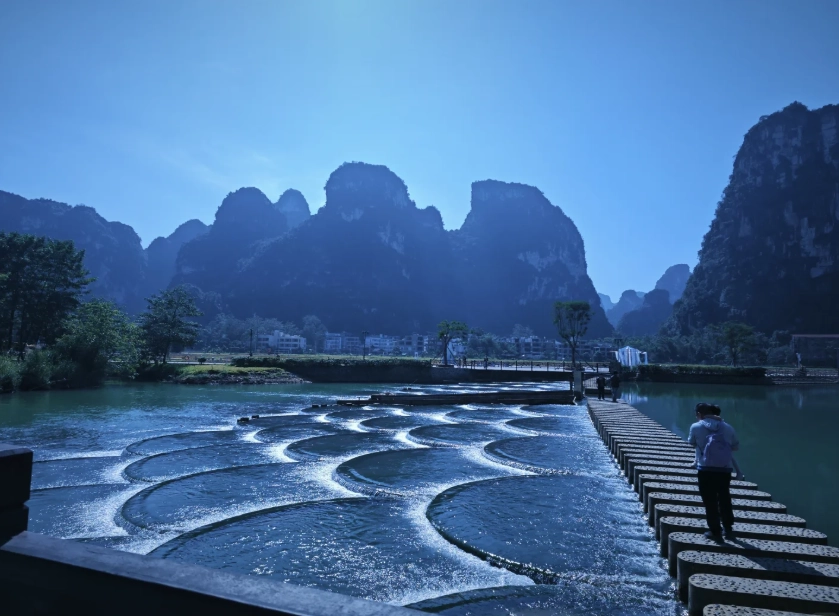
A Perfect Day Itinerary
Here’s a timeline I use for my own clients during the best months:
- 7:00 a.m. – Arrive at the scenic area and head to the river for morning mist.
- 8:30 a.m. – Take the bamboo raft (first batch) to see the reflections.
- 10:00 a.m. – Rent a bike and ride south for 1 hour to the quiet fields.
- 12:00 p.m. – Lunch at a local farmhouse (try the field snail).
- 2:00 p.m. – Visit the museum or rest at your homestay.
- 4:30 p.m. – Climb the observation deck for sunset.
- 7:00 p.m. – Dinner and stroll through the village.
How to Avoid Crowds and High Prices at Mingshi Countryside
The biggest crowd trap is the Chinese National Day holiday (October 1–7). Prices for hotels can triple, and the scenic area feels like a theme park. If you can, avoid that week entirely. The second trickiest period is Labor Day (May 1–5).
During peak times, the ticket line can stretch for over an hour. Here’s my insider move: book your ticket on Trip.com or via the scenic area’s official WeChat account using your passport details. The printed ticket counter is often empty, but the QR code entry line moves fast.
Also, consider staying overnight in the village. Most day-trippers leave by 5 p.m., so the evening hours transform the place into a peaceful haven. You’ll also catch the rice fields in the soft morning light the next day.
To dodge crowds without skipping the holiday entirely, aim for the shoulder days: come on October 8th–10th or the weekend after May 5th. Locals return to work, and you'll have the scenery almost to yourself.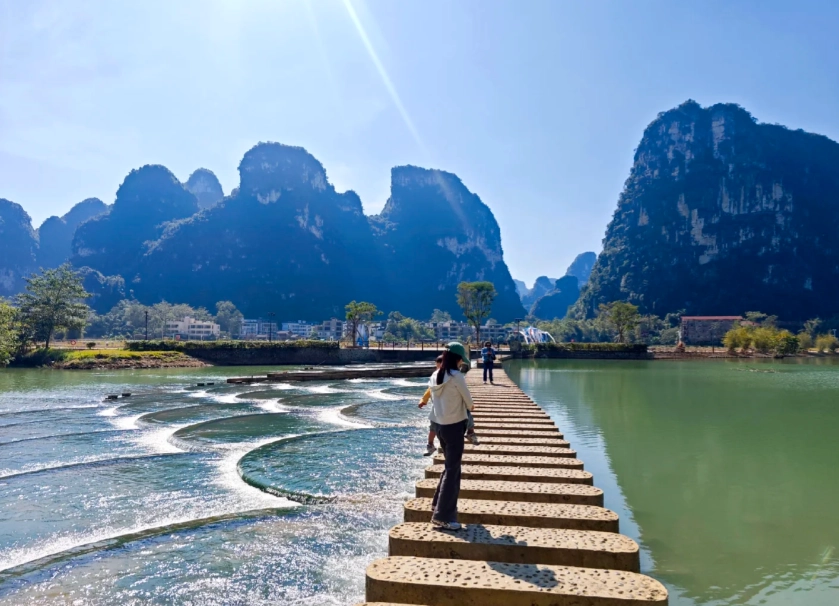
Pro Tip: If you arrive late morning and see tour buses at the entrance, drive or take a taxi to the southern entrance instead. It’s smaller, less used, and gives you a reverse route that avoids the pack.
How to Plan Your Trip to Mingshi Countryside from Nanning
Mingshi Countryside is about a 3.5-hour drive from Nanning, the capital of Guangxi. Here are your options:
By Bus
Take a long-distance bus from Nanning’s Langdong Bus Station to Daxin County (approx. 3 hours, 90 RMB). From Daxin, you can catch a local bus to Mingshi Countryside (30–40 minutes) or share a taxi for around 50 RMB. This is the budget-friendly route, but buses run less frequently after 4 p.m., so start early.
By Train
No direct train reaches Mingshi Countryside. You can take a high-speed train from Nanning to Chongzuo (about 1 hour), then transfer to a bus or taxi for the remaining 1.5 hours. It’s a bit more complex, but the scenery along the drive is spectacular. For schedules, check the official 12306.cn railway site.
By Private Car or Tour
For a hassle-free experience, I always recommend booking a private car from Nanning — it costs around 500–700 RMB round trip. Many hotels in Nanning can arrange this. Or, join a small group tour that bundles transportation, entrance, and lunch. This is the easiest option if you’re short on time.
Entrance Fees and Practical Info
The adult ticket is approximately 120 RMB (children 1.2–1.4m: 60 RMB, under 1.2m: free). The bamboo raft ride is an additional 80 RMB. Pay attention: prices may change, so check the official website or ask your hotel to confirm. Both the main ticket and raft ride require your passport for registration.
Most international cards won’t work at the ticket window — bring cash or make sure your Alipay/WeChat Pay is linked to an international card. Apple Maps shows the location as 'Mingshi Shanshui Yongle' (try both spellings). If you’re using AMap (Chinese app), search for 明仕田园.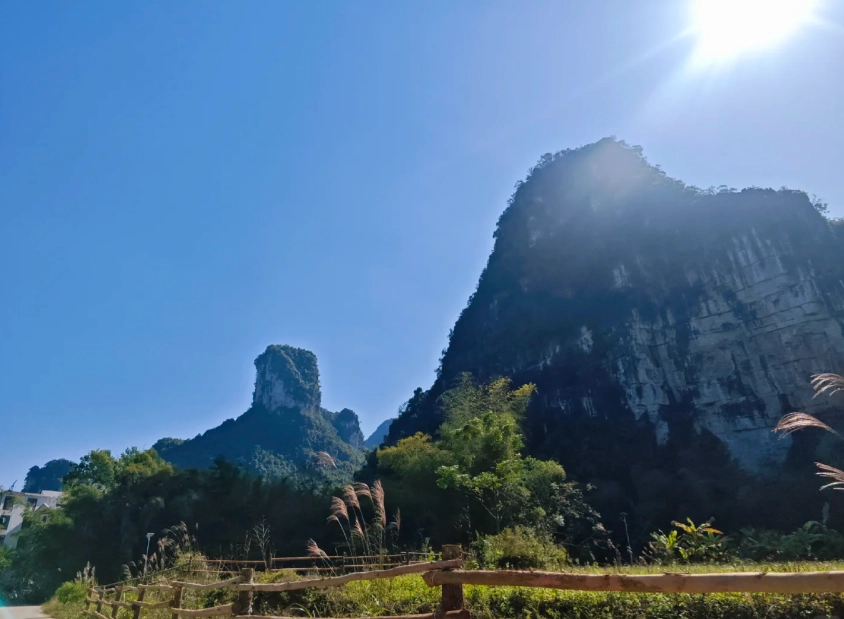
Frequently Asked Questions About the Best Time to Visit Mingshi Countryside
Honestly, I’d skip it unless you’re okay with unpredictable downpours. The heat and humidity can drain you, and the rice paddies — while green — don’t have that magical golden glow. If summer is your only option, come in the early morning and have a rain backup plan like the DeTian Waterfall.
Not always, but it saves you a 30–60 minute wait during peak season. Foreign visitors must present their passport. The easiest is to book via Trip.com or ask your hotel’s front desk to book on the official WeChat account. In the off-season, you can buy on the spot with cash.
If you’re only after the best time, a day trip feels rushed. I always recommend one overnight stay at a nearby farmstay. This gives you two golden hours (sunset and sunrise) and plenty of time to cycle the full loop. Two nights if you also want to visit DeTian Waterfall.
Yes — the bamboo raft is extra, and if you take a golf cart shuttle inside the scenic area, that’s also a separate fee. Food in the village is affordable, but drinks at the entrance kiosks are marked up. Also, some farmers charge for using their land to take photos — surprisingly, this is rare, but it happens. I always tell people to ask first.
Verified and fact-checked by the editorial team.





No comments yet.