 Chen Liu
What's Inside This Guide
- Why Visit Both White-headed Langur Reserve and Mingshi Countryside?
- How to Get from White-headed Langur Reserve to Mingshi Countryside?
- Visiting White-headed Langur National Nature Reserve: What You Need to Know
- Exploring Mingshi Countryside: Tickets, Bikes, and Rafts
- A Sample One-Day Itinerary from Reserve to Mingshi
- Where to Stay and Eat Along the Route
- Common Mistakes Foreigners Make on This Route
- FAQ: Your Reserve-to-Mingshi Questions Answered
- Final Thoughts from a Local Guide
I still remember the look on my client's face when her credit card was declined at the ticket counter of the White-headed Langur National Nature Reserve. She had no cash, no Chinese bank card, and no WeChat Pay set up. I ended up buying her ticket with my own phone — that's the reality of China travel today.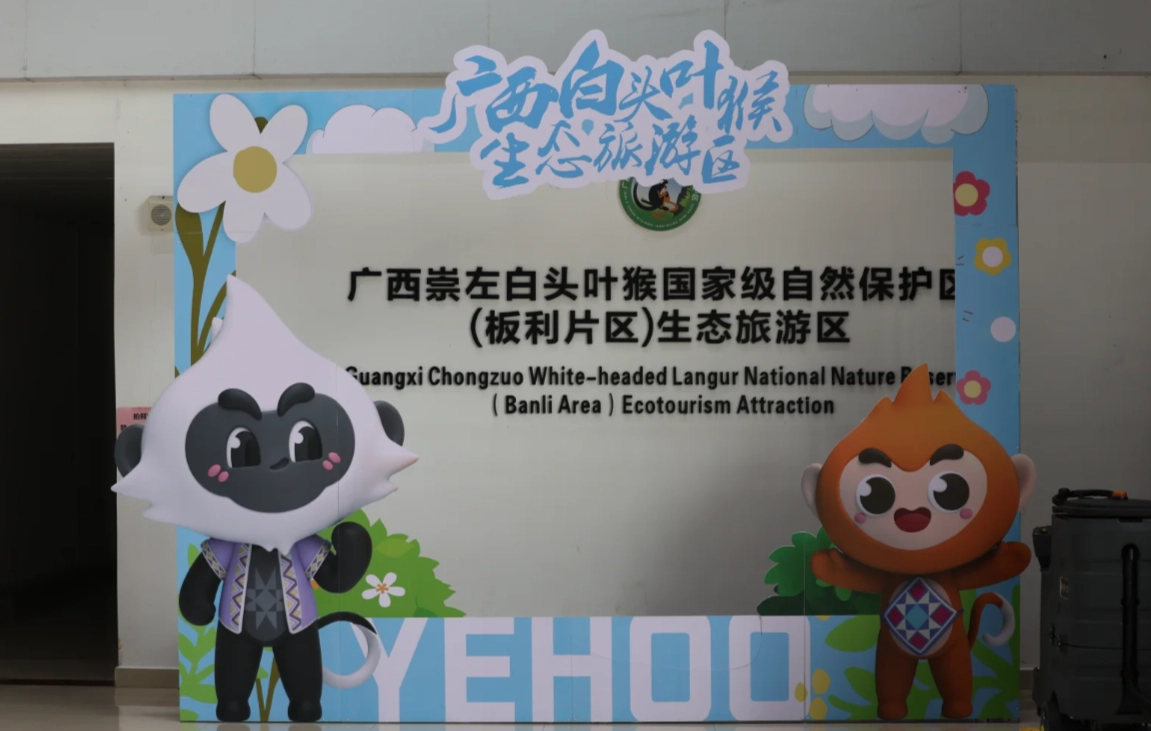
Getting from White-headed Langur Reserve to Mingshi Countryside is a common but poorly understood route. Most online guides only tell you to "take a bus" — which doesn't exist. After leading dozens of trips here, I've learned the hard way how to do it right.
Here's the bottom line: hire a private driver for the day. Start early from Chongzuo, visit the reserve at 8 AM, then drive two hours to Mingshi for sunset. This avoids the heat and the crowds. In this guide, I'll break down the exact itinerary, costs, and mistakes to avoid.
Why Visit Both White-headed Langur Reserve and Mingshi Countryside?
Chongzuo is one of Guangxi's most underrated destinations. The White-headed Langur National Nature Reserve is the only place on Earth where you can see this critically endangered primate in the wild. Just two hours away, Mingshi Countryside offers that postcard-perfect karst landscape you've seen on Instagram, but with a fraction of the crowds of Yangshuo. Together, they make an unforgettable trip that most foreign tourists miss.
Most travelers rush to Guilin and Yangshuo, completely ignoring Chongzuo. But if you're interested in wildlife and authentic rural China, this route delivers both. The contrast between the untouched reserve and the manicured rice paddies of Mingshi is striking.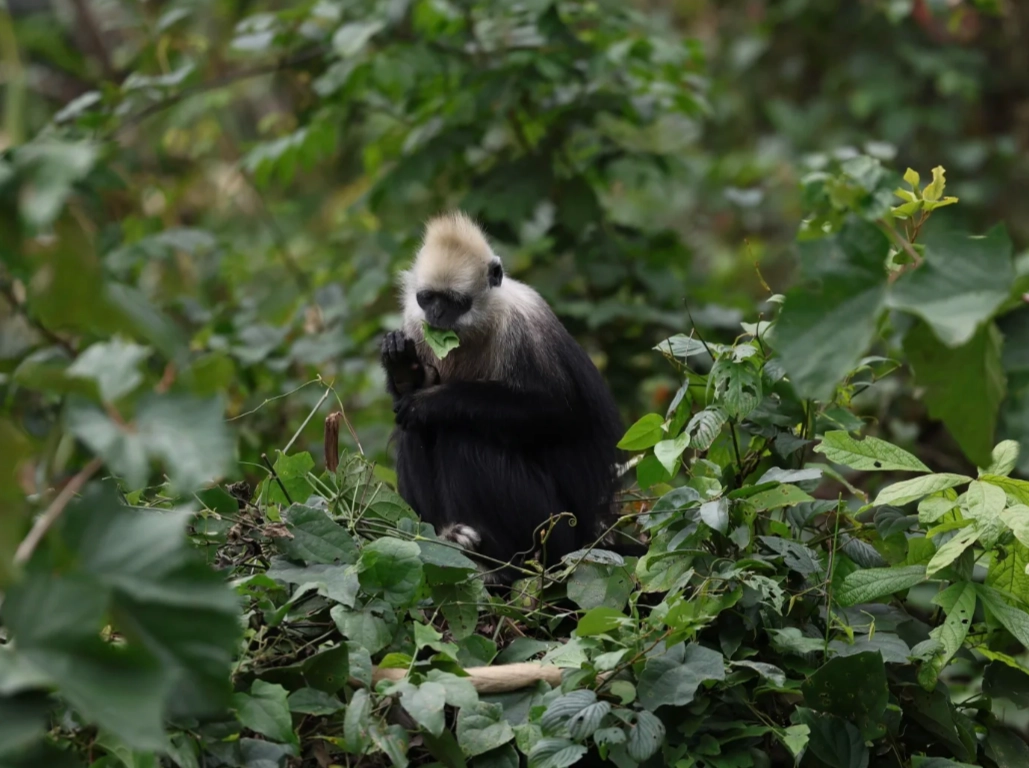
How to Get from White-headed Langur Reserve to Mingshi Countryside?
Driving is the only practical way. There's no direct bus from the reserve to Mingshi. You'll need a private car or a hired driver. The distance is about 70 kilometers, and it takes around 2 hours, depending on traffic.
Option 1: Private Driver or Car Rental
Hiring a private driver is the most convenient and recommended option. Your hotel in Chongzuo can arrange one for around 300-400 RMB for the day (excluding fuel). This gives you flexibility, and you won't have to wait for public transport.
I always tell my clients to book the driver for a full day, not a one-way trip. Here's why: you'll spend at least 6 hours at both sights, and having a driver waiting means you can leave when you want. Plus, the reserve is far from any main highway, and catching a taxi there is nearly impossible.
Option 2: Public Transport (The Hard Way)
Technically, you can take a bus from Chongzuo to Daxin County (about 1.5 hours), then transfer to a local minibus to Mingshi. But this is painfully time-consuming and confusing for foreigners. You'd need to switch buses twice, and no one at the stations speaks English. Save yourself the headache — bundle it with a driver.
Navigation and Payment Tips
Google Maps is unreliable in China. Use Apple Maps or download AMap (高德地图) before your trip — it has an English interface. For the driver, just show him the Chinese address: "崇左白头叶猴国家级自然保护区" for the reserve and "明仕田园" for Mingshi. Most drivers know these places by heart.
Make sure you have WeChat Pay or Alipay linked to your international card. The reserve's ticket office, for example, doesn't accept foreign cards or cash. If you haven't set this up, do it before you arrive. I've seen too many travelers stuck at the gate.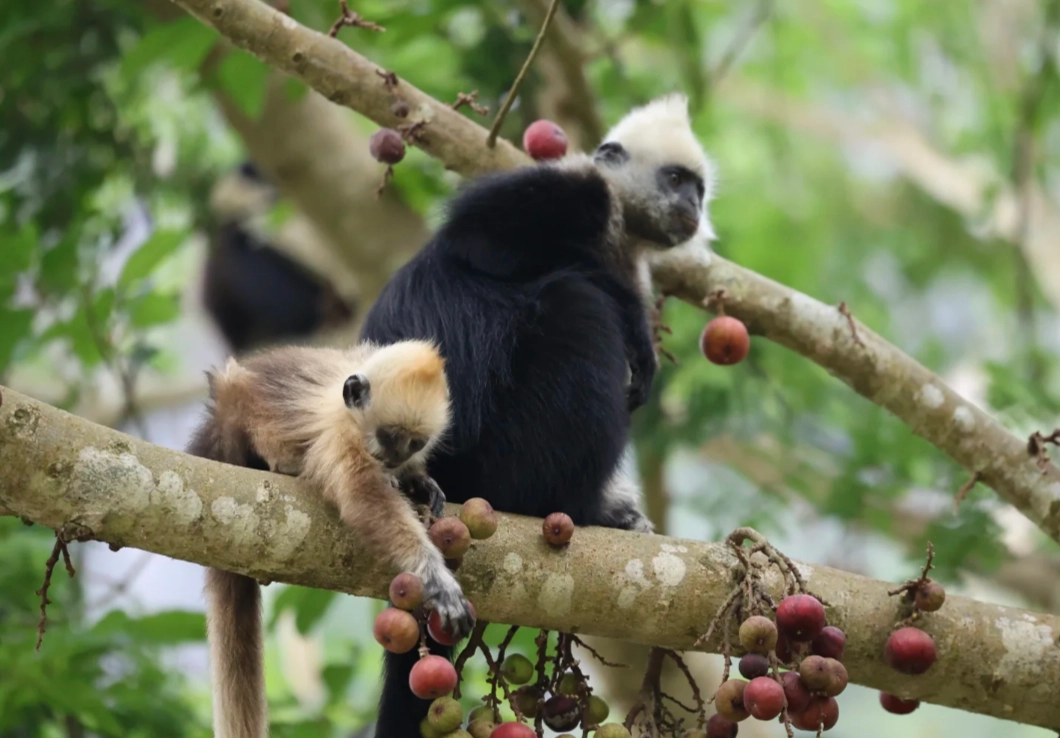
Visiting White-headed Langur National Nature Reserve: What You Need to Know
The reserve is the star of Chongzuo's wildlife scene, but it's not a typical tourist attraction. It's a protected area managed by the forestry department, and access is strictly controlled. The main entrance is at Banli Village (板利村), near Chongzuo's Jiangzhou District.
Tickets and Booking
You must book in advance, even for a day visit. The easiest way is through WeChat (search "白头叶猴" official account), but that's in Chinese. Alternatively, ask your hotel to book for you, or use Trip.com, which usually lists the reserve as a ticketed sight. Your passport number is required for the booking.
As of my last visit, entrance costs about 30-50 RMB per person, but it can fluctuate. There's no child discount — it's a flat fee. The reserve is open from 8:00 AM to 5:00 PM, with last entry at 4:00 PM.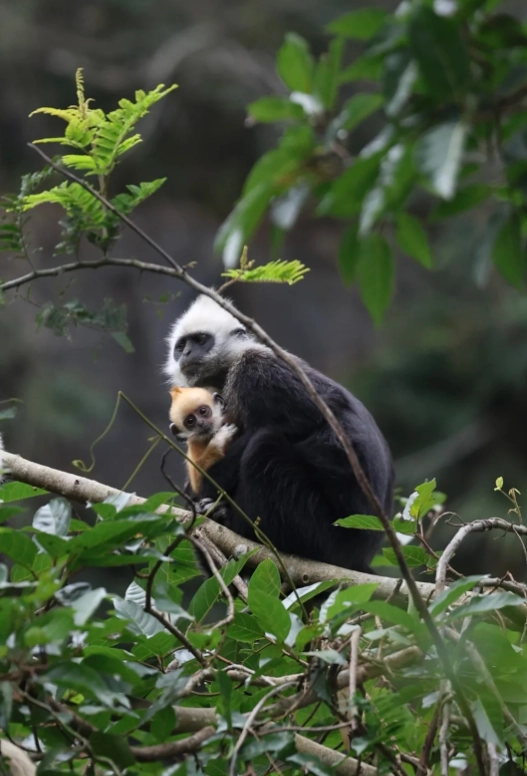
Best Time to See the Langurs
The langurs are most active in the early morning (8-10 AM) and late afternoon (4-6 PM). During midday, they retreat to caves high in the cliffs to escape the heat. If you arrive at 11 AM, you'll likely only see them from a distance sleeping.
I always schedule my group for the 8:00 AM slot. Not only do you see the monkeys, but the lighting is also beautiful for photos. The park has a short walking trail lined with telescopes. The rangers are happy to point out the monkey families — a few of them speak basic English.
What to Bring and Wear
- Comfortable walking shoes (the trail is mostly flat but can be muddy after rain)
- Insect repellent — the reserve is surrounded by forest, and mosquitoes are relentless
- Sunscreen and a hat, even in the morning
- Water — there's only one vending machine near the entrance
The reserve has basic restrooms, but they're not very clean. I'd suggest using the facilities at your hotel before leaving.
Exploring Mingshi Countryside: Tickets, Bikes, and Rafts
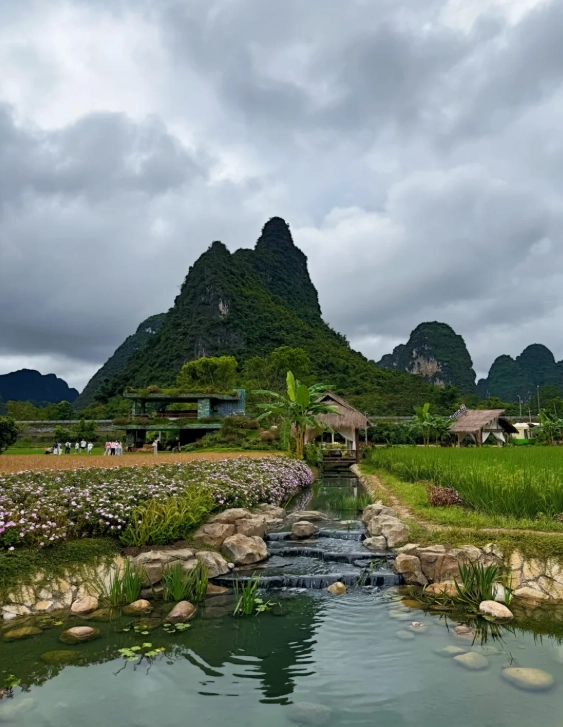
Mingshi Countryside is the opposite of the reserve — it's a leisurely rural landscape of rice fields, karst peaks, and winding rivers. The best way to experience it is by bicycle or bamboo raft.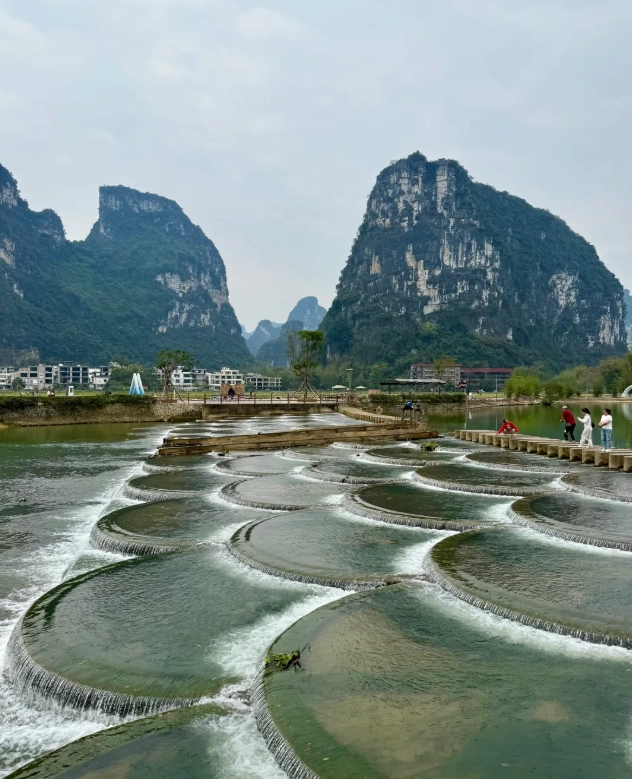
Entrance Fees and Activities
The main ticket is around 80-100 RMB, which includes a bamboo raft ride along the Ming River. You can buy separate tickets for just the walking areas, but the raft is the highlight. There are also electric bikes for rent at the entrance (about 20 RMB per hour).
You can book directly at the ticket window, but I recommend buying through Trip.com or Klook, especially during Chinese holidays when on-site sales may be limited. Your passport is not needed for entry, but carry it anyway.
| Activity | Price Range (RMB) | Best For |
|---|---|---|
| Entrance + Bamboo Raft | 80-100 | First-time visitors |
| Bicycle Rental | 20-30/hour | Exploring on your own |
| Walking Only | 40-50 | Budget travelers |
Best Photo Spots and Crowd Management
Sunset from the bridge near the main entrance is magical — the karst peaks turn golden. However, this spot gets crowded with tour groups at 5 PM. If you want solitude, head to the southwestern edge of the countryside, where the crowd thins out and you can capture the identical view without any photobombers.
I've also learned that the bamboo raft is best taken in the late afternoon — the light is softer, and you avoid the midday sun. The ride lasts about 40 minutes.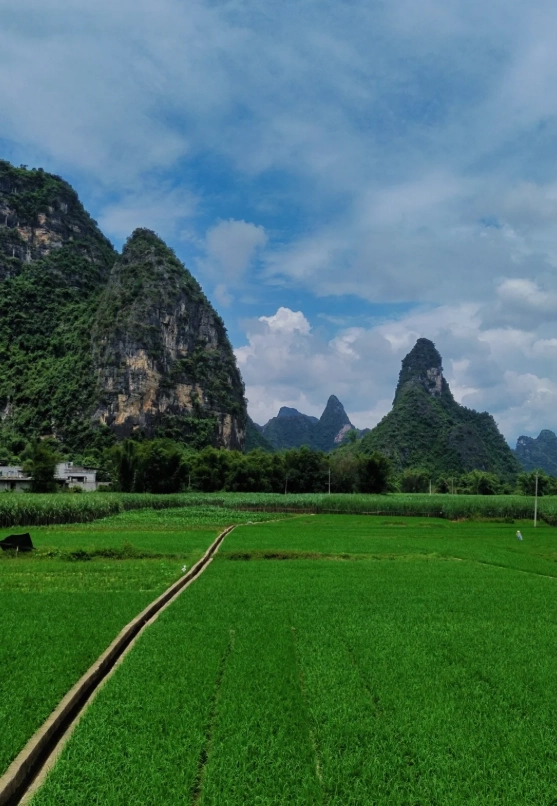
A Sample One-Day Itinerary from Reserve to Mingshi
Here's the exact timeline I use for my own guests. It works well, even for retirees. Adjust it to your pace.
- 7:00 AM — Depart from Chongzuo city center. Have a light breakfast at your hotel.
- 8:00 AM — Arrive at the White-headed Langur Reserve. Spend 2 hours on the walking trail and observation points.
- 10:30 AM — Drive toward Mingshi. It's about a 2-hour drive, with a potential stop at a local fruit farm.
- 12:30 PM — Lunch at a rural restaurant near Mingshi village. Try the local roast pork and freshwater fish.
- 1:30 PM — Check into your hotel if you're staying overnight, or park your car at the Mingshi parking lot.
- 2:00 PM — Rent a bike and explore the rice paddies and villages. Don't miss the old stone bridge.
- 4:00 PM — Return the bikes and queue for the bamboo raft. The wait is usually 15-20 minutes.
- 5:00 PM — Catch the sunset from the riverside.
- 6:30 PM — Head back to Chongzuo, or book a room at a Mingshi guesthouse.
If you only have half a day, skip the reserve and focus on Mingshi — the reserve requires a full morning.
Where to Stay and Eat Along the Route
Accommodation in Chongzuo City
Chongzuo city has a good range of business hotels. I recommend staying near the Jiangzhou district, which is central and close to restaurants. The Chongzuo Grand Hotel (崇左国际大酒店) is a solid choice, with English-speaking staff and Wi-Fi that actually works. Prices range from 250-400 RMB per night. For budget travelers, there are several decent hostels near the train station.
Staying at Mingshi Village
Mingshi has many family-run guesthouses that offer a taste of rural life. Expect simple rooms with mosquito screens — not luxury. Prices are surprisingly low, around 150-200 RMB per night. However, most guesthouses don't have elevators, and some are not well-insulated against noise. If you're a light sleeper, bring earplugs.
Local Food Must-Tries
Chongzuo is known for its southern Guangxi cuisine, which is slightly spicier than Cantonese food. Don't miss the appetite-boosting sour bamboo shoots (酸笋) and braised duck with ginger. In Mingshi, there are a couple of riverside restaurants where you can eat while watching the karst peaks.
One warning: most small restaurants only accept WeChat Pay or Alipay. I've marked a few spots on Apple Maps, but it's a pain to search in Chinese. Just ask your driver to help you order — they almost always know the best spots.
Common Mistakes Foreigners Make on This Route
Here's the catch: the biggest mistakes happen before you even arrive.
- Assuming cash or cards are accepted — China is moving toward a cashless society. Even the reserve's ticket office only takes mobile payments. Set up Alipay or WeChat Pay before your trip.
- Using Google Maps — It simply doesn't work accurately in China. I've seen tourists walk in circles for half an hour. Download AMap or use Apple Maps, which is surprisingly reliable for walking directions.
- Not booking the reserve in advance — The reserve limits daily visitors to protect the animals. If you just show up, you'll be turned away.
- Underestimating the heat — Even in November, the sun can be intense. I always carry a portable fan and an umbrella.
FAQ: Your Reserve-to-Mingshi Questions Answered
Final Thoughts from a Local Guide
I've ridden this route countless times, and it never fails to amaze me. The thrill of seeing a white-headed langur leap across the limestone cliffs, then the serenity of the Mingshi countryside at dusk — it's a day that captures the diversity of Guangxi in just a few hours.
But remember: travel in China is all about preparation. Download your VPN, link your payment apps, and book that driver. Do that, and you'll have a smooth journey. Skip it, and you might end up like my client — stranded at a ticket counter, counting the minutes until a friendly guide rescues you.
Have questions about this route? Drop a comment below — I read every one.





No comments yet.