 Hong Ma
I still remember my first day in Kashgar — the smell of naan baking, the chaos of donkeys pulling carts, and a local man smiling at me while speaking a language I didn't understand. This city doesn't feel like the rest of China. It feels like a crossing of cultures that has been lively for centuries. But let me tell you something: Kashgar is also one of the most confusing places for foreign tourists to navigate. From the crumbling streets of the Old Town to the tricky business of booking tickets with a Chinese ID, there are plenty of traps waiting for you. That's why I've compiled these Kashgar travel tips from years of guiding groups through this Silk Road city.
Here's the real deal: you don't need a pricey tour group to enjoy Kashgar — just follow my advice below, and you'll save time, money, and headaches.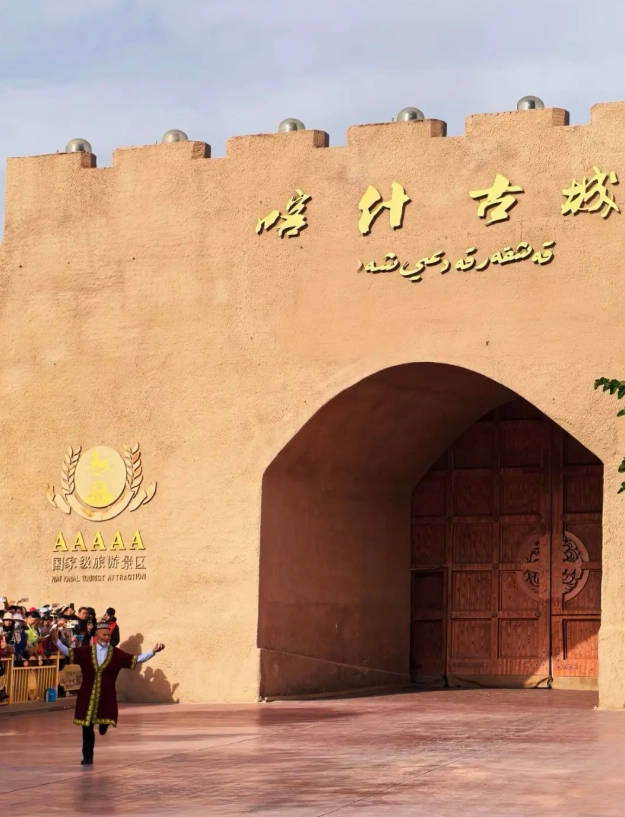
What's Inside Your Kashgar Playbook?
- When Is the Best Time to Visit Kashgar?
- How to Plan Your Visa and Entry for Kashgar?
- What to Pack: Payment, VPN, and Navigation Must-Haves
- How to Get to Kashgar: Flights, Trains, and Buses
- Where to Stay in Kashgar: Old Town vs. New City
- Top Kashgar Attractions You Can't Miss
- Kashgar Food Guide: Must-Try Dishes and Where to Eat
- Getting Around Kashgar: Taxis, Didi, and Walking
- Cultural Etiquette and Safety Tips
- 24 Hours in Kashgar: A Smart Itinerary
- Kashgar Travel FAQ: Answering Your Biggest Questions
When Is the Best Time to Visit Kashgar?
Let me get this out of the way early: April to June and September to October are your sweet spots. The weather is mild — spring brings blooming apricot blossoms, and autumn paints the poplar avenues gold. July and August are scorching, hitting 35°C+ in the afternoons, and winter temperatures drop below -10°C at night. I've seen too many tourists bundle up in May expecting cold, then sweat through their jackets.
If you're on a budget, consider visiting in early June or late September — flights and hotels drop by nearly 30% compared to peak season. But here's the catch: if you want to see the famous Sunday Livestock Market (also called the Animal Market), make sure it falls on a Sunday. The market starts at around 9 AM and is largely over by 1 PM. I once took a group there at 3 PM and found only a few sheep left. Don't make that mistake.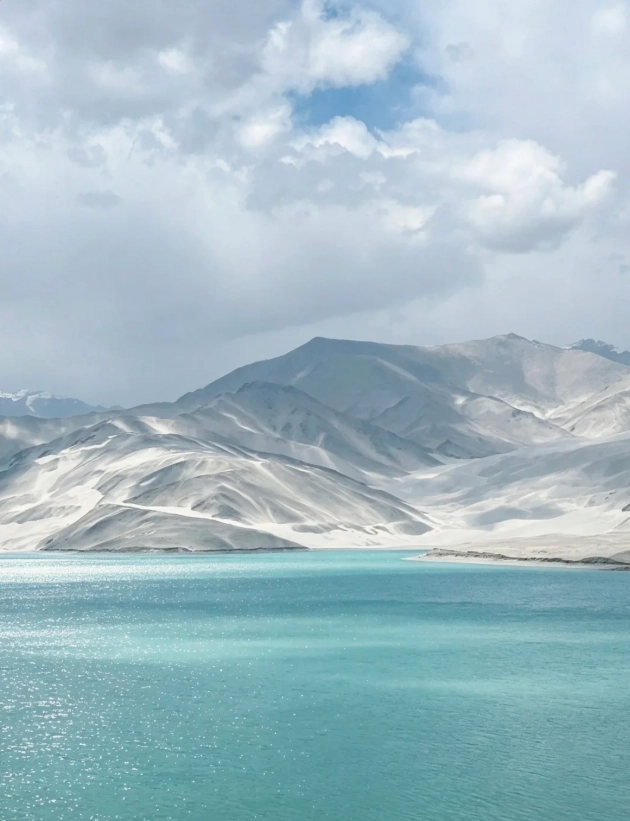
How to Plan Your Visa and Entry for Kashgar?
You'll need a Chinese visa before you even think about flying to Kashgar. Most foreigners get an L (tourist) visa, which allows a stay of up to 60 days. Now, a crucial piece of advice: when filling out your itinerary, mention Kashgar as part of your route — this ensures no surprises at border control.
Even with a valid visa, you'll need to register your accommodation with the local police within 24 hours. Most hotels do this automatically when you check in, but some guesthouses might forget. Always ask: "Have you registered my passport with the police?" This saves you a potential fine or hassle later.
Also, note that Kashgar is close to several border regions (like Kyrgyzstan and Tajikistan). You may need an additional permit to visit areas near the Karakoram Highway or the Wakhan Corridor. But for the city itself, a standard visa is enough.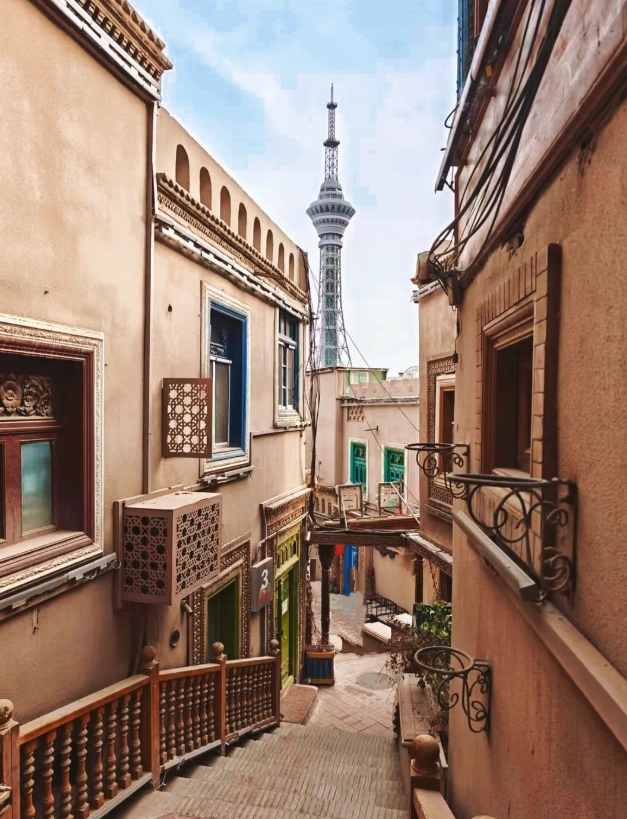
Pro Tip: Carry a few photocopies of your passport bio page and visa. They're required for booking train tickets and some hotel deposits. I've seen travelers panic when they had only one copy.
What to Pack: Payment, VPN, and Navigation Must-Haves
This is the part that separates the prepared from the panicked. Cash is still king in Kashgar, but not always.
- Payment: You'll rarely use a physical credit card. Even big hotels sometimes have broken card machines. International cards (Visa/Mastercard) may work if you connect your card to Alipay or WeChat Pay before you arrive. For backup, always carry 500-1000 RMB in cash. The old city bazaar vendors, morning markets, and some mom-and-pop shops accept only cash or WeChat.
- VPN: Google, WhatsApp, Instagram, and Facebook are blocked in China. You need a reliable VPN that works on your phone, and you must activate it before landing (download the app and set it up while still abroad). Some my clients prefer Astrill or ExpressVPN, but I'm not endorsing any brand — just test yours before you fly.
- Translation app: Apple Translate works offline for Mandarin to English. You'll use it for menus, taxi directions, and negotiating prices. Baidu Translate is more accurate for Chinese, but the English UI is clunky.
- Maps: This is critical — Google Maps will show you as driving across empty desert. Use Apple Maps (it's surprisingly accurate in China) or download AMap (Gaode) and switch it to English. My favorite trick: ask your taxi driver to follow a screenshot from AMap. Works every time.
Remember, Kashgar is a border town. You'll need your passport for every hotel check-in and for buying train tickets. Don't leave it in your luggage.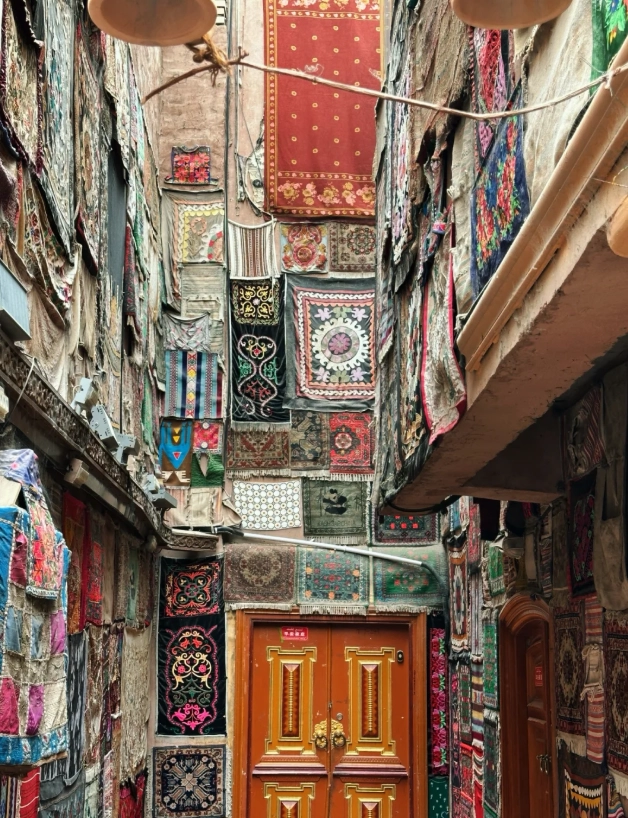
How to Get to Kashgar: Flights, Trains, and Buses
Most foreign travelers fly into Kashgar Airport (KHG). There are direct flights from Urumqi (about 2 hours), Beijing, Xi'an, and Shanghai, but you'll often transit in Urumqi.
Here's a comparison of transportation options:
| Mode | Duration | Cost (one-way) | Pros | Cons |
|---|---|---|---|---|
| Flight from Urumqi | 1h 50m | 800-1,200 RMB | Fast, frequent | Wait, security checks |
| Train from Urumqi | 18-24 hours | 400-800 RMB | Scenic, cheaper | Long, tiring |
| Bus from Karakul | 4-5 hours | 150 RMB | Gorgeous route | Unreliable schedule |
If you have time, take the train at least once in China. The high-speed rail isn't in Kashgar yet, but overnight sleeper trains from Urumqi are an adventure in themselves. Book tickets on Trip.com or the official China Railway app, but remember: you'll need your passport number and the AI will often reject foreign card payments. Trip.com works best.
From the airport, you can take a taxi to the Old Town for about 30 RMB (20 minutes). There's also a shuttle bus to the city center for 10 RMB, but it stops near the new city, not the old town. I'd just grab a taxi.
If you're arriving by train, the Kashgar Railway Station is about a 15-minute drive from the Old Town. Taxis wait outside, but they may overcharge — negotiate the fare before getting in. A fair price is around 20 RMB.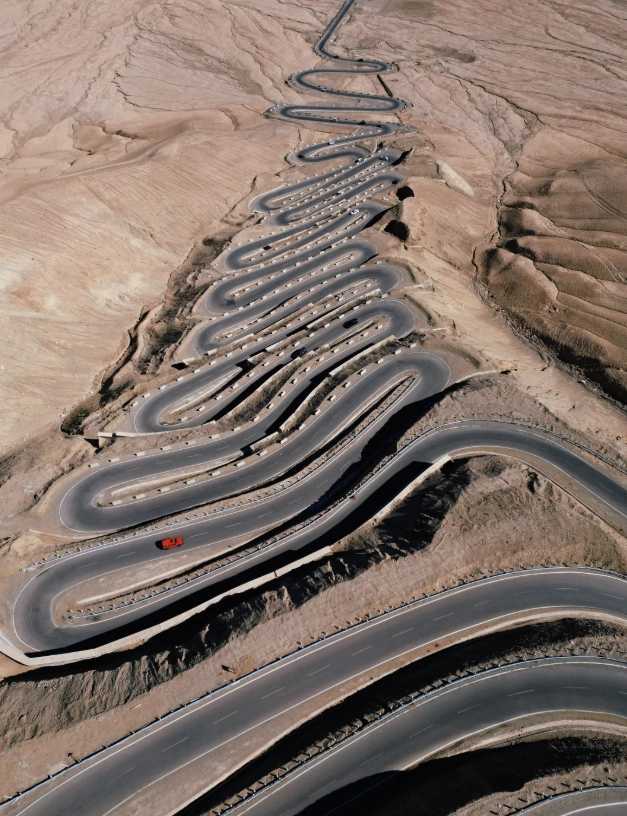
Where to Stay in Kashgar: Old Town vs. New City
Your choice of accommodation affects your entire trip vibe. Let me break it down for you.
Old Town (Kashgar Ancient City):
- Pros: You're surrounded by alleys, bazaars, and the main sights. Waking up to the call to prayer is magical.
- Cons: Narrow streets, noisy till midnight, and buildings are old (sometimes no elevators). Rooms can be small.
New City (Eastern side):
- Pros: Modern hotels, quieter, more parking, some offer better amenities like western breakfast.
- Cons: You'll have to commute to the Old Town (10-15 min taxi, 10-15 RMB).
I've stayed in both. For first-timers, I recommend the Old Town for at least one night. Below is a comparison of places I know well.
| Hotel Name | Location | Price (per night) | Best For | Notes |
|---|---|---|---|---|
| Kashgar Old Town Boutique Hotel | Inside Old Town | 300-500 RMB | Mid-range travelers | Rooftop terrace with views |
| Camel Fur Guesthouse | South side of Old Town | 150-250 RMB | Backpackers | Dorm beds, social atmosphere |
| Silk Road Hotel | New City | 250-400 RMB | Families | Clean, spacious, Wi-Fi strong |
Always check if the property has 24-hour Wi-Fi, an elevator (if needed), and a receptionist who can speak a few words of English. I once stayed at a beautiful courtyard hotel but the Wi-Fi only worked in the lobby — huge headache.
Top Kashgar Attractions You Can't Miss
When you're in Kashgar, there's too much to see, but these are the unmissable ones.
Kashgar Old Town: A Maze of Colors and History
The Old Town is a living museum, not a tourist prop. Walk through the winding alleys, watch craftsmen hammering copper, and greet locals with a smile. It's free to enter, but the government has done extensive renovation, so you'll find designated tourist routes.
I always tell my clients to start from the East Gate (near the main tourist entrance) and work your way to the Id Kah Mosque. The path is about 2 km and takes 2-3 hours with photo stops. Dress modestly (cover shoulders and knees, especially near the mosque).
Pro Tip: The best photos are taken before 10 AM or after 5 PM when the light is golden and the crowds are thin. Also, don't ignore the side alleys — that's where you'll see kids playing, women making naan, and the real life of the town.
Id Kah Mosque: The Heart of the City
This is China's largest mosque and an icon of Kashgar. The intricate tilework and the carved wooden pillars are stunning. Entry fee is typically around 30 RMB, but to be honest, it changes sometimes — check the price on site. You'll be required to remove your shoes, and women need to cover their heads (scarves are sometimes provided).
It's closed to tourists during prayer times (especially Friday afternoon), so plan your visit for the morning.
Personal opinion: If you've been to mosques in Istanbul or Iran, this one is simpler. But the courtyard's secular calm is lovely. Just don't expect grandeur.
Abakh Hoja Mausoleum: A Peaceful Escape
About 5 km northeast of the Old Town, this mausoleum houses the tomb of Abakh Hoja, a famous leader. It's also known as the "Fragrant Concubine's Tomb" (Xiang Fei). Surrounded by apricot orchards, the complex is serene. Admission is around 30 RMB, but again, double-check.
I recommend taking a Didi here — it's about 15-20 RMB from the Old Town. Combine it with a visit to the nearby Sunday Livestock Market if you time it right.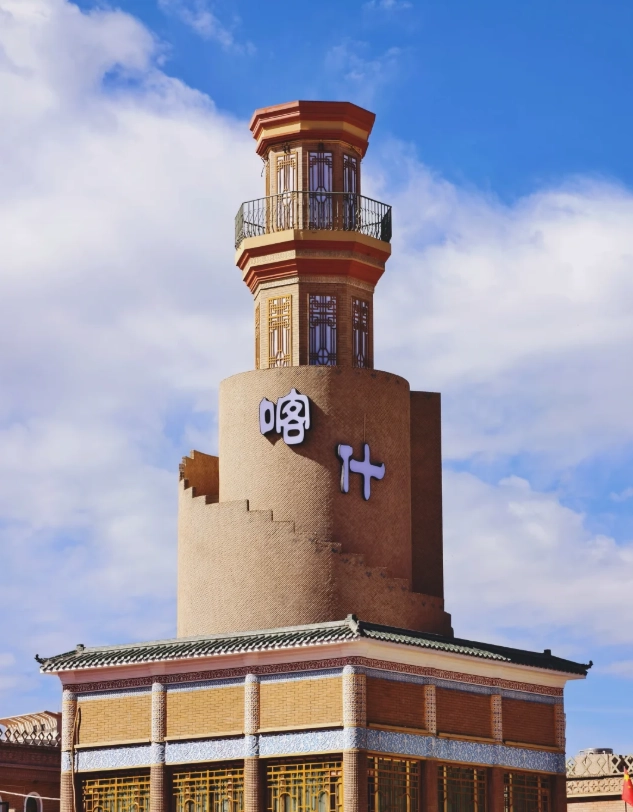
Kashgar Food Guide: Must-Try Dishes and Where to Eat
Now, the best part — food! Kashgar is a melting pot of Uyghur culinary traditions. You must try:
- Lagman — hand-pulled noodles with meat sauce. Hearty, slightly greasy, but addictive.
- Polu (polo) — rice cooked with carrots and lamb, often with a whole quail on top. Sweet from the carrots, savory from the lamb.
- Samsa — baked lamb chunks in pastry. Crispy, juicy, and perfect for snack.
- Kawab (kebab) — skewered lamb seasoned with cumin and chili. Spicy, smoky, unbeatable.
- Naan — fresh from the tandoor. Always warm and crispy.
Where to eat? The Old Town's Grand Bazaar is full of stalls, but my go-to is a small hole-in-the-wall at Apak Hoja Alley, just behind the Id Kah Mosque. They've been making samsa for 40 years. It costs 3 RMB each, and they're gone by noon.
If you want to sit down, try Sky Garden Cafe near the East Gate of the Old Town. It has English menus, strong coffee, and does an amazing fried rice. Yes, fried rice — a safe bet for a picky eater.
Market tip: At the Sunday Livestock Market, you'll be offered horse meat and unusual organs. It's fine to try, but make sure it's thoroughly cooked. I always remind my clients to watch for hygiene — choose stalls where the meat is kept covered.
Getting Around Kashgar: Taxis, Didi, and Walking
Getting around is easier than you think. Taxis are cheap and abundant. The base fare is 5 RMB, and you can cross the whole city for less than 20 RMB. They don't always use meters, so negotiate before you get in — a trip within the Old Town should be no more than 10 RMB.
Didi (Chinese Uber) is better. You'll need to have set up Alipay with a linked card to use it. The app is in Chinese, but you can type your destination in English if you switch to the English version. The car will find you. Just remember to exit the car after the driver confirms — it's common courtesy.
Walking is the best way to explore the Old Town, but wear comfortable shoes — the flagstones are uneven and you'll cover miles.
Pro Tip: If you're heading to the Sunday Livestock Market, get a taxi from Old Town. It's on the outskirts, and the taxi will cost about 15 RMB. There's no public bus that goes directly there.
Cultural Etiquette and Safety Tips
Kashgar is a very safe city, but it's also a deeply conservative Muslim community. Respect local customs:
- Dress modestly — shoulders and knees covered, especially in religious sites.
- Ask permission before taking photos of locals, especially women. A wide smile and a gesture usually work.
- Always carry your passport — especially for hotel check-ins and police checks at public squares.
- Don't offer alcohol near the mosque. And don't drink alcohol in public places; it's frowned upon.
Safety-wise, Kashgar is actually safer than most Western cities. The constant police presence can be intimidating, but they're there to help. If you get lost, approach a police booth — they often speak a little English and can help with directions or emergency contacts.
One thing to be aware of: The time zone in Xinjiang is officially Beijing time, but locals live on "Xinjiang time" which is two hours behind. This means lunch might be served at 2 PM, and dinner at 9 PM. More importantly, tourist sites open and close according to Beijing time, which can feel early. Confirm your day's plan with your hotel.
24 Hours in Kashgar: A Smart Itinerary
Let's say you've got only one full day here. Here's how to squeeze the most out of it.
8:00 AM — Start at a morning bazaar. The Dongmen Bazaar (just outside the East Gate) is bustling with vendors selling spices, knives, and carpets. Grab a naan and a cup of milk tea for breakfast.
9:30 AM — Explore the Old Town. Walk from the East Gate to Id Kah Mosque. Head into the crafts alleys; you'll see wood carvers and coppersmiths.
11:30 AM — Id Kah Mosque. By now the tourist groups are leaving. Spend 30-40 minutes wandering the courtyard.
12:30 PM — Lunch at a local restaurant. Try a bowl of lagman at the first place that looks busy. Tell the owner you want "half portion" to save room.
1:30 PM — Visit the Abakh Hoja Mausoleum. Take a Didi, spend an hour there.
3:00 PM — Relax at a teahouse. The Everest Teahouse on the Old Town's main street is a classic. Order a pot of homemade yogurt tea and people-watch.
4:30 PM — Return to the Old Town for souvenir shopping. Buy hand-woven rugs, embroidered hats (doppa), or Xinjiang spices. Remember to bargain kindly.
6:30 PM — Catch the sunset from a rooftop. Many guesthouses have terraces with views over the old town. Some serve dinner, so you can enjoy the call to prayer as the sky turns orange.
8:00 PM — Dinner at the night market. The Grand Bazaar turns into a food market after sunset. Try kebab and samsa again, followed by a slice of sweet pumpkin naan.
10:00 PM — Get a good night's sleep. You'll be drained, but happy.
This itinerary works, but if you're not in shape, drop the mausoleum and spend more time at the teahouse.
Kashgar Travel FAQ: Answering Your Biggest Questions
Verified and fact-checked by the editorial team.





No comments yet.