 Jian Zhao
The taxi didn’t even stop before the driver pointed at the massive yellow gate and said: “Ao, Id Kah. You go buy ticket.”
I’d heard the rumors—some said free, others said 50 yuan. My clients stared at me like I was supposed to know.
Here’s the truth: I’ve taken over 30 groups to this mosque since 2018, and the price has changed twice. As of my last visit, the adult ticket was 20 yuan (about $3). That’s it. No hidden fees. But the real pain? It’s not the price—it’s finding the right counter.
Now, let me walk you through everything you need to know before you hand over your cash.
What Is the Id Kah Mosque and Why Visit It?
The Id Kah Mosque is the largest mosque in China and a spiritual heart of Kashgar, a city in western Xinjiang. It’s not just a place for prayer—it’s a living monument that anchors the bustling Old Town. The massive courtyard can hold up to 20,000 worshipers during major festivals. For travelers, it’s a window into Uyghur culture and Islamic architecture—think towering minarets, ornate carvings, and a sense of peace that contrasts with the chaotic bazaar outside.
What You’ll See Inside
Most visitors come to admire the main prayer hall’s 140 carved pillars and the intricate geometric patterns on the ceiling. You’ll also find a small museum and a courtyard where locals relax on carpets. Remember, the prayer hall itself is usually off-limits to non-Muslims during prayer times, but you can peek from the door.
Best Time to Visit
I always tell my clients to arrive before 10 a.m. Not only will you beat the tour groups, but the morning light makes the yellow walls glow. By noon, the sun beats down with no shade, and it gets crowded with selfie sticks. If you’re there on a Friday, the mosque may close to tourists during the midday prayers (around 12:30–14:30)—a mistake many visitors make.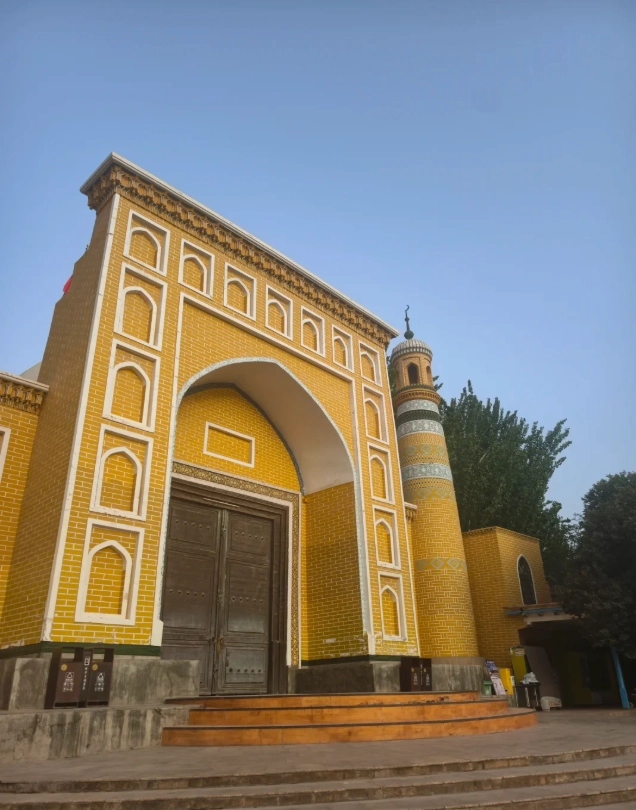
How Much Does the Id Kah Mosque Ticket Cost?
Here’s the straightforward answer: the adult ticket is 20 yuan (CNY). That’s about $3 USD. You also get a paper ticket, which is a nice souvenir. But let’s not pretend it’s that simple—there are discounts, and there are ways to overpay if you’re not careful.
| Ticket Type | Price (CNY) | Notes |
|---|---|---|
| Adult | 20 | Same for Chinese and foreign visitors |
| Student | 10 | Valid student ID required—passport may not work |
| Child (under 1.2m) | Free | No ticket needed |
| Senior (65+) | Free | With passport or ID |
Please note: prices can change without notice. The ticket office isn’t officially connected to any online platform, so always confirm at the window. I’ve seen tourists get fooled by touts outside who sell “fast-track” tickets for 50 yuan—don’t fall for that. The official ticket booth is right beside the main entrance.
Is There a Photography Fee?
No, you don’t need to pay extra to take photos. I’ve been asked this dozens of times. Your ticket price covers the entire site. However, some guides might offer to take professional shots for a fee—skip them. Your smartphone will do fine, especially in the courtyard.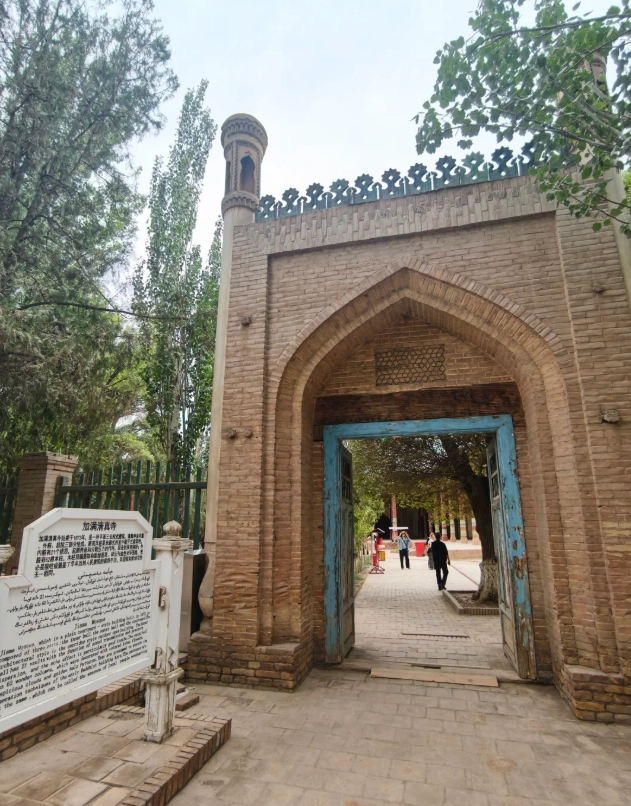
How to Buy Your Id Kah Mosque Tickets
The official ticket office is located to the left of the main entrance gate. It’s a small, unassuming booth that’s easy to miss. Payment options include cash and mobile payment (Alipay or WeChat Pay). Here’s where things get tricky for foreign visitors.
Step-by-Step: From Taxi Drop-Off to Ticket in Hand
- Tell the taxi driver “Aitiga’er Guangchang” (the square). Most drivers know it.
- Walk toward the massive yellow gate—you can’t miss it.
- Look for the ticket booth on the left side of the gate entrance. There’s usually a small sign in Chinese and English saying “Ticket Office.”
- Hand over your cash or scan the QR code if you use Alipay or WeChat Pay.
- Receive your paper ticket and walk through the gate.
Cash vs. Mobile Payment: What Works Best?
Cash is king here. The ticket booth accepts cash, and it’s the most hassle-free option for foreigners. I’ve seen visitors struggle with mobile payments because their Alipay accounts weren’t set up properly. If you have cash, just use it. If you must use Alipay, make sure your international card is linked and you have a Chinese phone number for verification. And remember, the booth may not give change for large bills (like 100 yuan), so bring smaller notes.
Here’s a personal confession: the first time I visited, I tried to use my WeChat Pay, but the QR code wouldn’t scan. The cashier pulled out a stack of bills and pointed to a “cash only” sign. I now always bring a few 10s and 20s.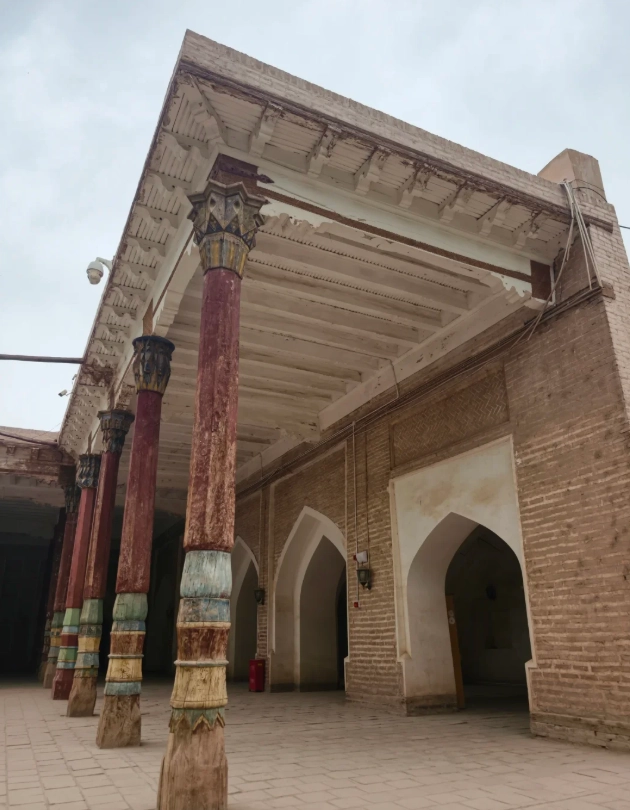
Pro Tips for Beating the Crowds and Avoiding Tourist Traps
I want to save you the headaches I’ve seen over the years. These are not common-sense tips you’ll find in generic guides—they come from my own mistakes and those of my clients.
Getting to the Mosque: Don’t Trust Google Maps
Google Maps is practically useless in China. It constantly shows outdated information and often places the mosque in the wrong spot. Instead, use Apple Maps (which works decently) or download the high-tech app called AMap (高德地图). I usually have my driver call the hotel receptionist to confirm the exact drop-off point. If you’re walking from the Old Town, head east until you see the giant square—it takes about 15 minutes from the ancient city walls.
What to Wear: Dress Code Explained
This is a functioning mosque, so dressing conservatively is a must. Cover your shoulders and knees. Women don’t have to wear a headscarf, but many choose to for respect. Men should be fine with regular trousers and a t-shirt. I once saw a tourist in shorts get turned away at the gate—avoid that embarrassment.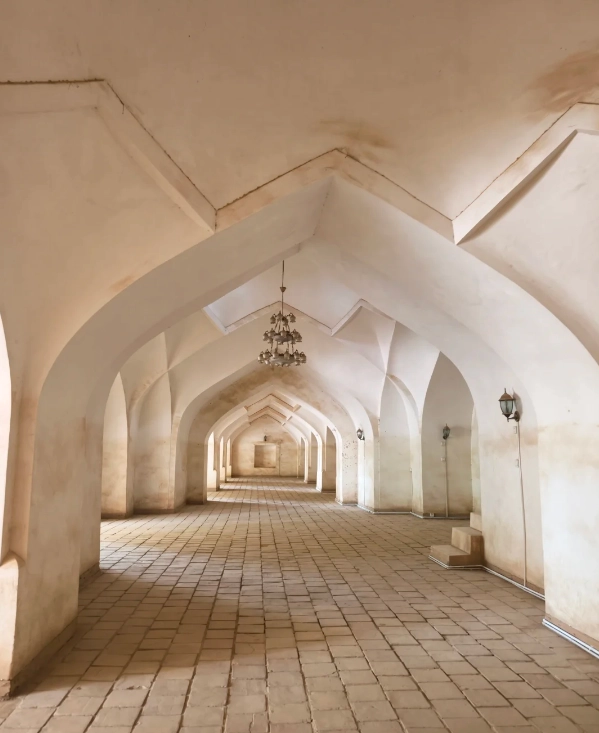
When to Visit to Avoid Tour Groups
The busiest hours are 11 a.m. to 2 p.m., when tour buses from farther afield pull in. If you can, go right at opening time (usually 9:30 or 10 a.m.) or after 4 p.m., when the light is golden and the crowds thin. In the late afternoon, you’ll also have the chance to see local men congregating on the steps—a great cultural photo-op, but always ask permission.
The “Real” Surrounding Experience
The ticket alone won’t give you the full experience. After you exit, wander into the bazaar behind the mosque. You’ll find local vendors selling dried fruits, spices, and handcrafted goods. Prices are reasonable if you speak a bit of Chinese, but even with universal hand gestures, you’ll get a friendly vibe. Just keep an eye on your belongings—crowded areas are a haven for pickpockets.
Frequently Asked Questions About Id Kah Mosque Tickets
Verified and fact-checked by the editorial team.







No comments yet.