 Jian Zhao
Inside This Photography Guide
I still remember the first time I stepped into Kashgar's Old Town. The smell of baked naan, the clang of coppersmiths, the way the morning sun sliced through the alleyways — it was chaos, but the kind that makes your camera beg to be used. But here's the thing: most photographers who book a trip here end up frustrated, chasing clichés and fighting crowds. They follow the same Google Maps pin and end up at the same spot at the worst angle. So I'm going to give you the itinerary I've built after guiding dozens of photo tours through Kashgar — the one that gets you to the right place at the right time, without the tourist-trap disappointment.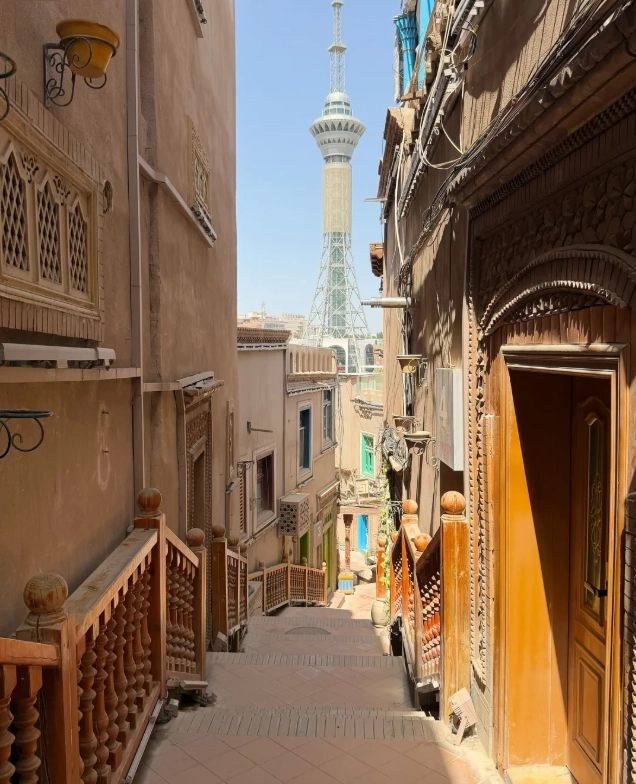
Why Kashgar Deserves a Spot on Your Photography Bucket List
Kashgar is not just another stop on the Silk Road. It's a living, breathing time capsule where Uyghur culture, Islamic architecture, and camel-train history collide. The Old Town is a labyrinth of mud-brick houses, carved wooden balconies, and alleys that flood with golden light every morning. But what really makes it a photographer's dream is the depth of everyday life: the baker pulling naan out of a tandoor, the merchant stacking pomegranates, the old men playing chess under a grape trellis. You don't need to orchestrate a shot here—you just need to be present.
How to Plan Your Kashgar Photography Tour Itinerary
Here's the 7-day plan I use with my own tours. It balances the "must-see" spots with the times when they're actually worth seeing. You can mix and match if you have fewer days.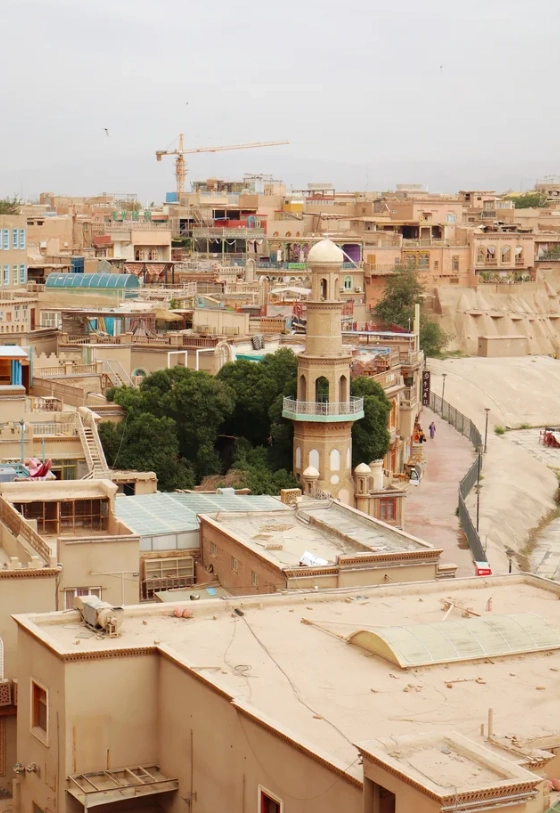
- Day 1: Arrival and orientation
- Day 2: Old Town sunrise and streets
- Day 3: Sunday Market and livestock
- Day 4: Karakul Lake day trip
- Day 5: People and portraits
- Day 6: Free time and hidden gems
- Day 7: Departure
Day 1: Arrival and Getting Oriented
Start your tour in Kashgar by simply walking. After you toss your bags at the hotel, head to the Old Town's Grand Bazaar. Even if you don't buy anything, it's a sensory overload of spices, textiles, and the butchering of the day's lamb. I always tell my clients to leave the camera in the bag for the first two hours and just absorb the rhythm of the alleys. Then, when the late afternoon light turns the walls into honey, you can start shooting. End the day at Id Kah Mosque — the square from 8pm to 9pm (depending on the season) is a prime spot for candid portraits of families and food stalls.
Day 2: Old Town Sunrise and Busy Streets
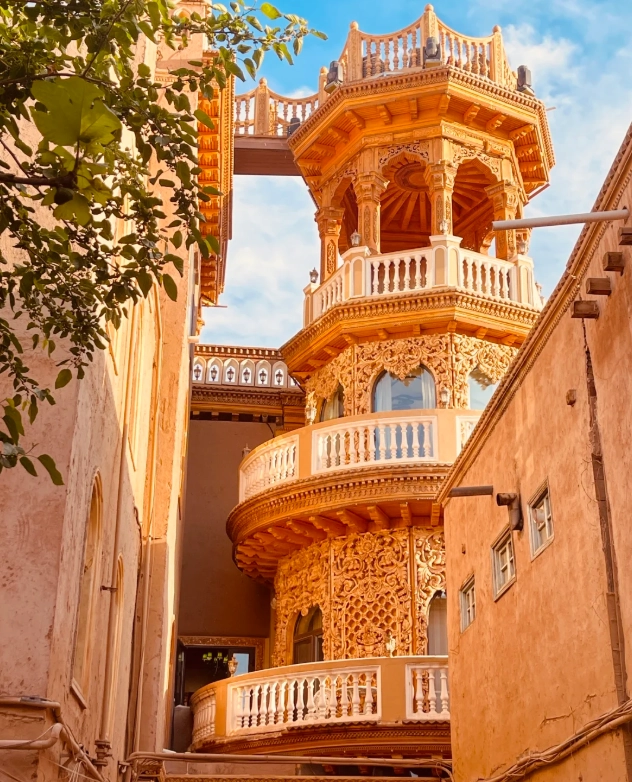
The Old Town is empty and ethereal before 9am. This is when you will get the postcard shot: a single donkey cart, no tourists in sight. Sunrise is around 8am in summer and 9am in winter—check local times, but plan to be on the main street (Asiq Wusa Road) by then. By 10am, the alleys fill with workers and shoppers, so switch to street photography. In the afternoon, visit the Jaminiah Mosque (non-Muslim visitors are welcome outside prayer times) and photograph the intricate wooden balconies.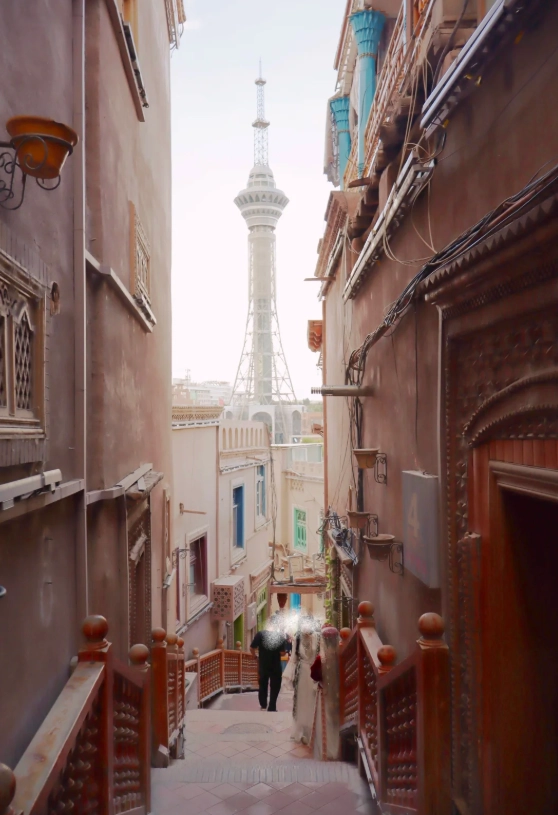
Day 3: The Sunday Market and Livestock Bazaar
The Sunday Animal Market is the single most chaotic, honest, and photogenic event in Kashgar. It happens only on Sundays, so schedule your trip accordingly. Get there by 9am, when the first livestock trucks arrive. The market is on the outskirts of town—take a taxi (about 20 RMB) and ask for "Dongba Chichang". You'll find camels, sheep, donkeys, and traders haggling furiously. What to shoot? The faces of the sellers, the dust clouds, the heaving mass of animals. Give yourself 3 hours here. Then head back to town and shoot the main Sunday bazaar near the Old Town if it's still open.
Pro Tip: The Animal Market truly comes alive after the morning prayer around 9:30-10am. That's when the first big trucks unload. Don't waste your earlier hours—arrive at 9am only if you want the empty stalls.
Day 4: Karakul Lake and the Pamirs
For landscape photographers, a day trip to Karakul Lake is non-negotiable. It's about 200km from Kashgar, a 4-hour drive along the Karakoram Highway. Hire a driver for the day (ask your hotel to arrange it or use a reputable agency). Leave at 7am. The road itself offers jaw-dropping views of mountains, but save your batteries for the lake. At 3,600m elevation, the lake sits like a mirror below Peak Kongur (7,719m). Plan to be here from 1pm to 4pm for the most stable light and fewer clouds. Bring a scarf — the wind is brutal. And remember: this is a day trip, so pack snacks and water. You'll be back in Kashgar by 8pm.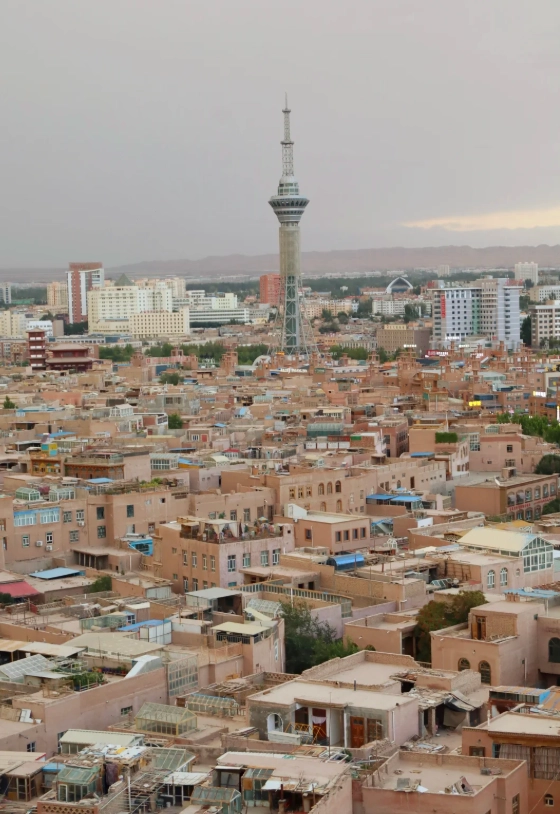
Day 5: People and Portraits in the Old Town
Portrait photographers should dedicate a full day to the Old Town's residents. Unlike in many tourist spots, locals here are genuinely curious about foreigners, and many are open to having their photo taken — but only if you ask first. I always use a simple trick: learn a few Uyghur phrases like "photo allowed?" and carry a pack of candies for kids (never give money). Visit the potters' quarter (ask for the "Yellow Earth Lane") where craftsmen work in their dusty workshops. The light filters through the gaps in the roof, creating dramatic chiaroscuro. Spend the final golden hour at the Old Town exit near Jaminiah Mosque, where children play.
Day 6: Free Time and Hidden Gems
This is your buffer day for weather or fatigue. If your knees are fine, climb the local viewpoint at the eastern edge of the Old Town for a panoramic overview. Otherwise, visit the Abakh Khoja Mausoleum, a 17th-century tomb with striking blue tiles — it's about a 30-minute walk from the old town. Or, if you're lucky enough to be here during a festival (like Eid), drop everything and follow the crowds to the Id Kah Mosque. Festivals turn the square into a sea of white doves and golden hats. For a more relaxed afternoon, find a rooftop teahouse along the main street and shoot the clouds crawling over the buildings.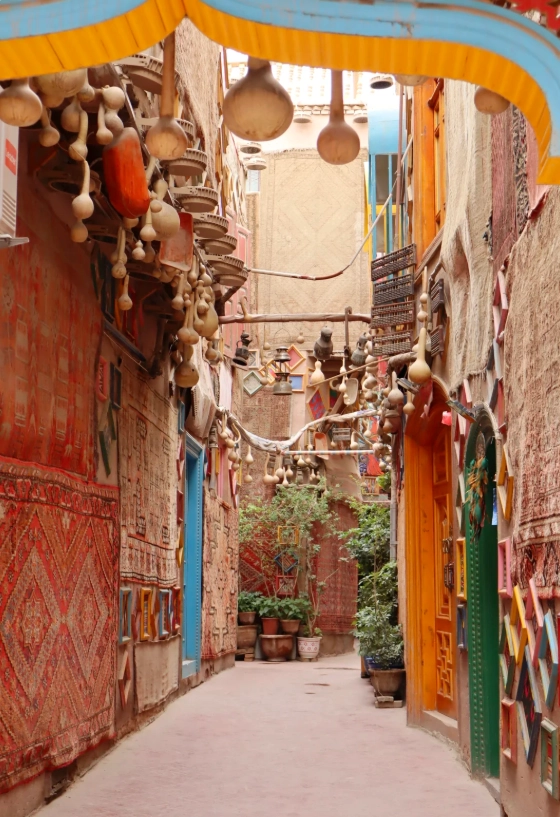
Day 7: Departure and Final Shots
Before you fly out, do one final loop of the Old Town at dawn. The morning call to prayer echoes through the alleys, and the streets smell of fresh naan. This is the last chance to capture the "old Kashgar" you came to see. Then, take a taxi to the airport (it's only 10km from town) and plan your next trip back — because after seeing Kashgar, you'll want to return.
What to Pack for a Kashgar Photography Tour
Packing smart means fewer problems on the road. Here's my checklist based on what I've seen go wrong:
- Two camera bodies — dust and sand will eat one. I keep a backup for the Sunday Market.
- A versatile zoom (24-70mm) for streets and a prime 35mm or 50mm for portraits.
- Extra batteries — cold at Karakul Lake drains them fast. Keep them warm in an inner pocket.
- A sturdy tripod for the long-exposure night shots in the Old Town (if you're into that).
- Neutral density filter if you want to blur the crowds.
- Power bank — you'll be on your phone for maps, translation, and payments all day.
- VPN on your phone and laptop before you arrive. Without it, Google Maps, Instagram, and even this website won't load.
- A translation app pre-loaded with Chinese and Uyghur phrases.
- Cash in small bills — not everyone accepts card, and some markets don't have Wi-Fi for mobile payments.
- Sunscreen and a hat — the glare off the white walls is real.
Photography Tips for Kashgar's Unique Light and Culture
Kashgar's light is different — but predictable once you know it. The summer sun is harsh from 11am to 4pm. That's when the facades of the Old Town turn into whiteout and the shadows disappear. Here are the rules I teach my clients:
- Golden hours are around 8-10am and 5-8pm — endless possibilities in the alleys.
- Shoot into the light — the backlit dust in the alleyways creates a magical glow.
- Get low — the ground level is where the action is, especially with animals.
- Respect the people — always ask before taking a close-up portrait. A smile and the phrase "Rakhmat" (thank you) goes a long way.
- Use the architecture as frames — the Old Town is full of arches and doorways that naturally frame your subject.
- Don't miss the blue hour — after sunset, the sky turns deep blue and the street lamps start warming up. It's a magical 20 minutes.
Practical Information: Visas, Payment, and Wi-Fi
Most photographers get stuck on logistics, not photography. Here's the no-nonsense info:
- Visa: You'll need a valid Chinese L visa. Since Kashgar is in Xinjiang, you may also need a police registration—your hotel will handle this automatically. Just give them your passport.
- Payment: Mobile payment is king. Set up Alipay and WeChat Pay before you arrive, and link your international card. Cash is accepted but you'll get change in coins. Credit cards are rarely taken outside major hotels.
- Wi-Fi: Free Wi-Fi is common in hotels and some cafés, but it may be censored. For anything beyond basic browsing, you'll need a VPN. Install it at home because download is blocked easily.
- Maps: Google Maps is unreliable. Download the AMap (高德) app or use Apple Maps. It's worth learning to use AMap's English interface—it shows you exact bus routes and taxi fares.
Safety-wise, Kashgar is incredibly safe for tourists. Violent crime is virtually unknown, but keep an eye on your gear in crowded markets—pickpocketing can happen in any city.
Where to Stay in Kashgar for Photographers
The right hotel puts you in the middle of the action. Here are three options I frequently recommend to my clients. Prices are rough estimates for a standard room and can vary with season.
| Hotel Name | Distance to Old Town | Est. Price | Best For |
|---|---|---|---|
| Chini Bagh Hotel | 10-min walk | $40-60 per night | Budget travelers |
| Kashgar Old Town Courtyard | Inside the Old Town | $70-100 | Photographers seeking early-morning access |
| Grand Hotel Kashgar | 5-min drive | $60-80 | Families and those who want a pool |
I usually recommend staying inside the Old Town if it's your first visit. Waking up to the sound of doves and the muezzin is an experience that no external hotel can match. But be aware: some Old Town guesthouses are set in traditional buildings without lifts, so you may need to carry your gear up a flight of stairs. If you have heavy camera bags, choose the Chini Bagh or a more modern hotel.
Book via Trip.com or Agoda to avoid language barriers, and confirm that the hotel has Wi-Fi and a stable power supply.
How to Get Around Kashgar
Getting around Kashgar is easier than most people expect. The city is compact, and taxis are cheap.
- Taxis: Flagged down on any street, a ride within the city costs 10-20 RMB. Always ask for the meter on, or agree on a price first.
- Didi: Works in Kashgar if you have a Chinese number or Alipay. It's just like Uber.
- Buses: There are city buses, but signs are in Chinese. For a photography tour, I'd stick with taxis.
- Walking: The Old Town is best explored on foot. Wear comfortable shoes—the cobblestones can be slippery.
For day trips to Karakul Lake, hire a car with a driver. Most hotels can arrange a local driver for around 600-800 RMB per day. This is a critical point: do not try to drive yourself unless you have an international driving permit and are comfortable with high-altitude mountain roads.
Frequently Asked Questions
Do I need a special permit to visit Kashgar as a foreigner?
No, you do not need a special permit for Kashgar itself. However, some areas outside Kashgar (like the Pamir border region) may require a permit. For Karakul Lake, the usual tourist spots are accessible without extra paperwork, but it's safer to check with your hotel or tour operator. Always carry your passport with you.
Is it safe to carry around expensive camera gear in Kashgar?
Kashgar is generally very safe, even at night. Keep your gear in a discreet bag and don't leave it unattended in public areas. I've never heard of a single camera theft on my tours, but normal caution applies.
What is the best season for a Kashgar photography tour itinerary?
The best time is April to June and September to October. In spring, fruit trees blossom; in autumn, the light is crisp and the weather is comfortable. July and August can be extremely hot, and November through March is cold and often cloudy. Ramadan time also changes market hours, so check the calendar.
Can I use credit cards or should I bring cash?
Bring a small amount of cash as a backup, but rely on Alipay or WeChat Pay. Credit cards are rarely accepted in small businesses. You can exchange cash at a bank or use an ATM, but it's easier to set up mobile payment before you go.
How do I visit the Sunday Animal Market if my trip doesn't include a Sunday?
If you miss Sunday, head to the Old Town's Grand Bazaar instead. It's open daily and has plenty of photo-worthy chaos. For animal shots, you might catch livestock being transported in the early mornings along the main roads. Or, change your itinerary to include a Sunday—this market is that good.
Verified and fact-checked by the editorial team.





No comments yet.